
徽章

Search documents
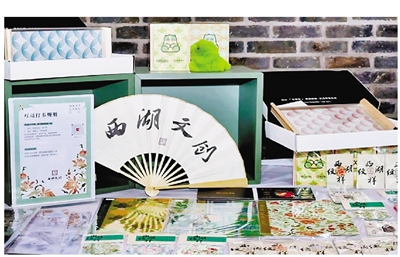
“西湖纹样”新春亮相伦敦卡姆登
Hang Zhou Ri Bao· 2026-02-25 02:54
Group 1 - The 2026 Chinese Spring Festival Temple Fair, supported by the Chinese Tourism Office in London, showcased a vibrant "Chinese style" at Camden Market, enhancing the festive atmosphere in the UK [2] - The event featured traditional decorations such as red arches, lanterns, and zodiac ornaments, blending cultural elements with the diverse atmosphere of Camden Market [2] - A variety of cultural products were presented by the West Lake Cultural Company, including co-branded items and traditional art pieces, reflecting the elegance of West Lake culture and the festive spirit of the Chinese New Year [2][3] Group 2 - The exhibition highlighted the unique charm of Chinese patterns and the rich heritage of West Lake culture, making each cultural product a beautiful carrier of cultural exchange [3] - The event attracted a diverse crowd, including young British individuals and art students, who engaged with the products and appreciated the artistic expressions of Eastern art [3] - The West Lake Cultural Company's participation exemplifies the "culture + brand" export model, promoting mutual understanding and cultural exchange between China and the UK [3]

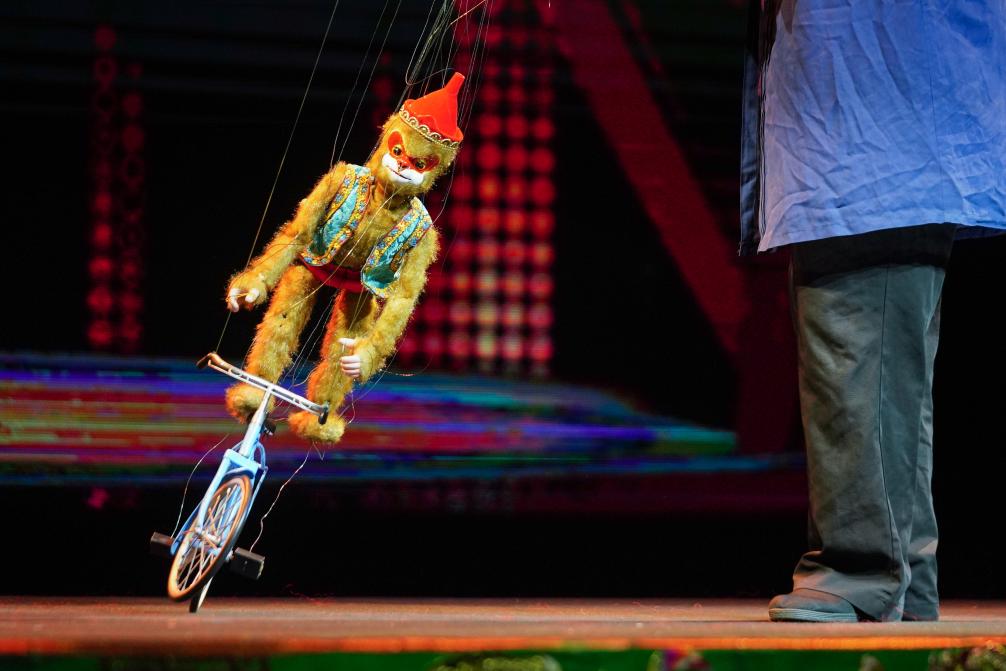
人文经济激活消费新动能丨泉州小木偶,撬动观演大市场
Xin Hua Wang· 2026-02-25 02:24
Core Viewpoint - The popularity of Quanzhou puppet shows has surged, transforming from a local folk performance into a cultural tourism hotspot, attracting diverse audiences and significantly boosting related merchandise sales [1][3][5]. Group 1: Performance and Audience Engagement - Quanzhou puppet theater has seen full houses during performances, with audiences expressing excitement and engagement through applause and cheers [1][3]. - The theater has adapted to modern audience needs by installing subtitle screens for non-local viewers and creating a resting area for visitors arriving with luggage [5]. Group 2: Economic Impact and Merchandise Sales - The theater's ticket sales reached nearly 19 million yuan in 2025, with tickets selling out rapidly during peak times [3]. - The increase in audience numbers has led to a surge in sales of cultural and creative products, including mini puppets and themed merchandise [3][5]. Group 3: Cultural Heritage and Innovation - Quanzhou puppet shows, recognized as a national intangible cultural heritage since 2006, have evolved to appeal to younger audiences while maintaining traditional techniques [3][4]. - The integration of puppet elements into local hospitality services, such as hotels and tea houses, has enhanced the overall cultural experience for tourists [5].
春节假期,超百万内地游客赴港过年
Xin Lang Cai Jing· 2026-02-23 22:47
Group 1 - Hong Kong tourism data shows a significant increase in visitors during the Lunar New Year holiday, with approximately 1.02 million mainland visitors entering Hong Kong, a year-on-year increase of 13% [1] - The total number of inbound and outbound trips across all ports in Hong Kong during the Lunar New Year holiday is expected to reach 11.38 million [1] - Popular tourist attractions, such as the Yau Ma Tei Police Station Light and Shadow Tour exhibition, experienced high demand, with most ticket slots sold out during the holiday period [1][2] Group 2 - The Hong Kong Tourism Board anticipates a 10% increase in both mainland and overseas visitors during the entire Lunar New Year holiday, with an average stay of over three nights [2] - The growth in visitor numbers is attributed to various New Year activities, including horse racing tourism, which has seen a rapid increase in popularity [2][3] - The Secretary for Culture, Sports and Tourism emphasized the importance of cultural and sports events in revitalizing Hong Kong's tourism, noting that large concerts can attract significant numbers of mainland visitors [3]
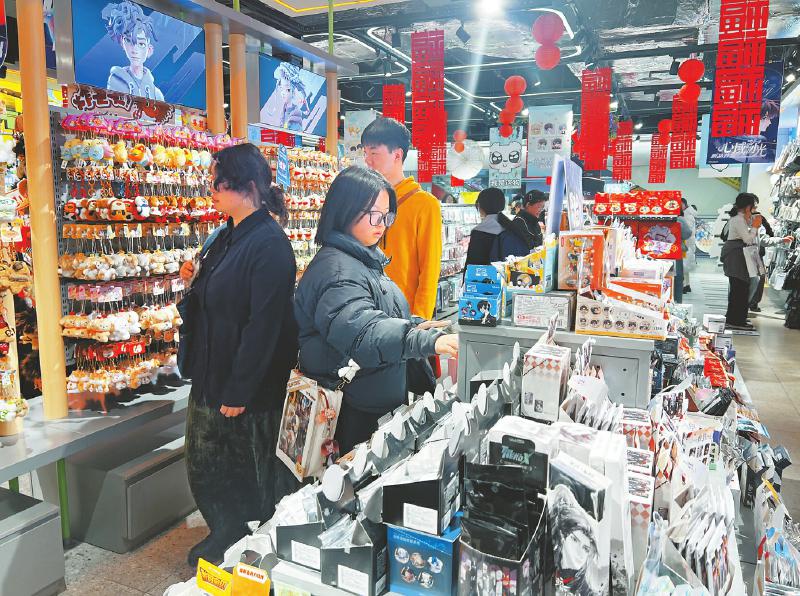
把“谷子”接回家 年轻人下单“情绪年货”
Xin Lang Cai Jing· 2026-02-22 15:52
Core Insights - The article highlights the growing trend of "Goods" (谷子), which are anime and gaming merchandise, becoming popular among young consumers as emotional and social connectors during the festive season [1][11]. Group 1: Market Trends - The "Goods" market is evolving, with products like cards, badges, and figurines becoming new year gifts that resonate with young people's emotional needs [1][3]. - Retail environments, such as the 百联ZX创趣场, are transforming into immersive experiences that blend traditional cultural elements with modern anime aesthetics, attracting families and fostering community engagement [3][6]. - The competition in the "Goods" market is intensifying, with many stores offering similar products, leading to a need for unique customer experiences and cultural understanding to survive [13]. Group 2: Consumer Behavior - Young consumers are increasingly viewing "Goods" as a means of emotional expression and community belonging, with purchasing experiences tied to personal narratives and social interactions [8][11]. - The purchasing process for "Goods" is described as an emotional journey, from anticipation to satisfaction, highlighting the psychological value these items hold for consumers [9][10]. - There are concerns about the sustainability of this emotional economy, as some consumers face financial strain from their purchases, indicating a need for responsible consumption practices [11][13]. Group 3: Industry Insights - The "Goods" market has developed a complete industry chain, creating new job opportunities in design, production, and community management, reflecting a shift from mere retail to cultural experiences [10][11]. - Industry leaders emphasize the importance of product quality, design, and cultural significance over short-term trends to ensure long-term viability [13]. - The potential for "Goods" to serve as a bridge between generations and foster meaningful connections is highlighted as a key aspect of their value [13][14].
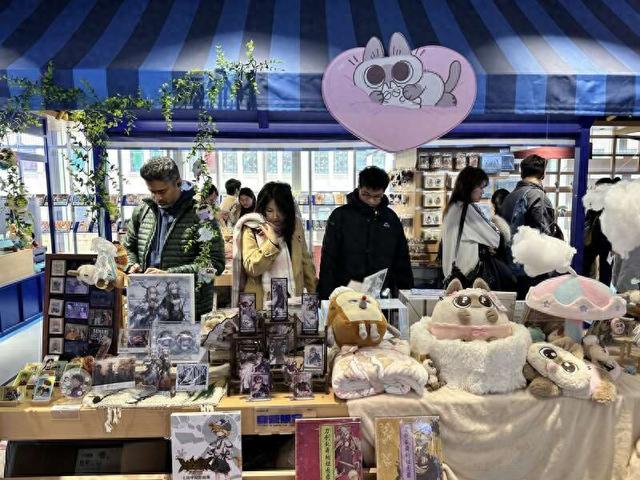
“谷子年货”俏 国产IP占据C位
Xin Lang Cai Jing· 2026-02-21 20:16
Core Insights - The "Guzi economy" is experiencing significant growth during the Spring Festival, with various "Guzi stores" attracting large crowds and launching new products to capitalize on holiday traffic [2] - There is a noticeable shift from Japanese anime IPs to domestic Chinese animation IPs, which are gaining popularity among consumers [2] Group 1: Consumer Behavior - During the Spring Festival, "Guzi" products, which are related to anime and gaming, are becoming popular gifts among young people [2] - The number of customers visiting stores is increasing daily, with some stores reporting over 700 visitors per day during the holiday [2] - Sales figures are also rising, with some stores averaging sales of 30,000 yuan per day in the first three days of the holiday [2] Group 2: Market Trends - The demand for domestic IP derivative products is on the rise, with more "Guzi" products from Chinese animation being featured prominently in stores [2] - The second-hand "Guzi" market is thriving, with many consumers actively trading and selling their items, indicating a clear target market among buyers [2][3] - Some stores are offering personal consignment services, allowing individual sellers to rent space to sell their "Guzi" products directly to consumers [3]
感受年味,普及知识,春节“安全”送到游客身边
Xin Lang Cai Jing· 2026-02-20 04:12
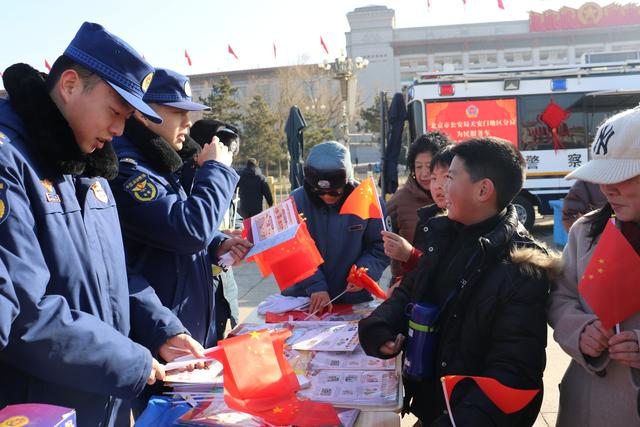
Core Viewpoint - The Tiananmen Square Fire Rescue Team conducted an interactive fire safety awareness campaign during the Spring Festival, aiming to educate visitors on safety practices in a festive atmosphere [1][3][7]. Group 1: Event Overview - The campaign featured immersive experiences and interactive communication, allowing visitors to learn fire safety knowledge while enjoying the festive environment [3]. - Key safety topics included fire, electricity, and gas usage during the Spring Festival, as well as evacuation procedures in case of a fire [3][5]. Group 2: Engagement and Activities - Two popular areas, the cultural creative check-in zone and the mascot interaction zone, served as mobile promotion stations for safety concepts [5]. - Visitors engaged with fire safety-themed souvenirs, such as fridge magnets and bookmarks, which helped integrate safety knowledge into daily life [5]. Group 3: Future Plans - The Fire Rescue Team plans to maintain a presence during the Spring Festival and continue regular fire safety promotions and hazard inspections [7]. - The team aims to innovate promotional methods and enrich content to deepen public understanding of fire safety [7].
津派动画“出圈”又“出海”
Xin Lang Cai Jing· 2026-01-19 11:01
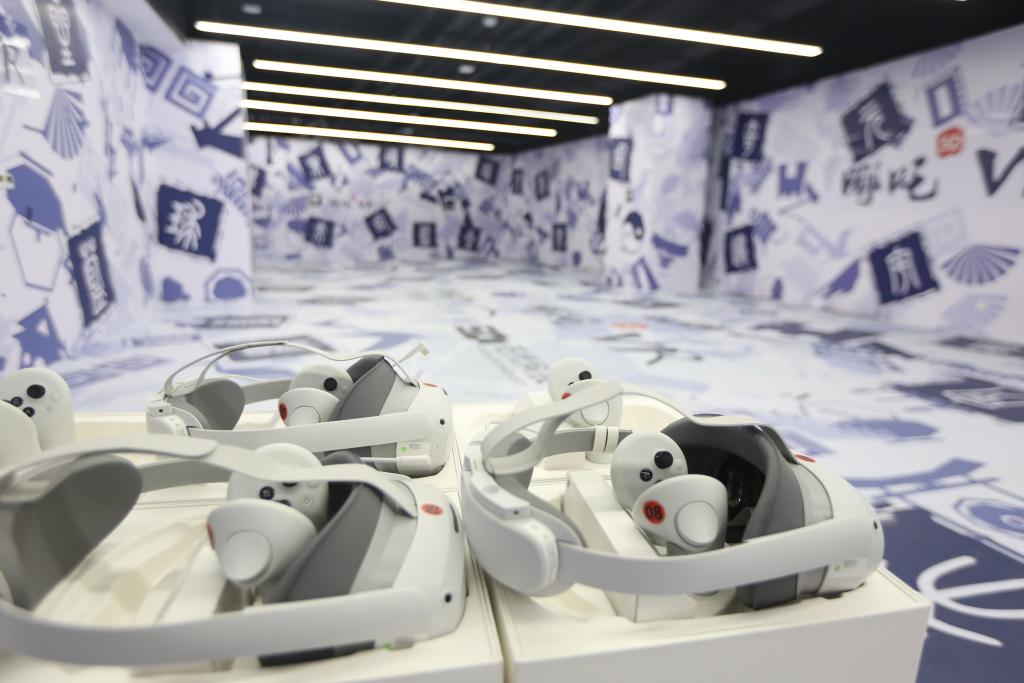
Group 1 - The core focus of the news is the development and promotion of the VR space project "Nezha 5DVR" at the National Animation Park in Tianjin, which aims to blend traditional culture with modern technology [1] - The National Animation Park has been exploring ways to enhance creative output and facilitate cultural exports over the past 15 years, with a current strategy centered on digital transformation [1][4] - Tianjin Mangou Animation Technology Co., Ltd. has developed the "Nezha 5DVR" project, utilizing advanced audiovisual technology to create an immersive experience for audiences [1][3] Group 2 - The "Guzi economy" is gaining traction, with more animation companies focusing on this emotionally valuable sector, as seen with Tianjin Haochuan Cultural Communication Co., Ltd. launching a physical store for related merchandise [3][6] - The National Animation Park is actively building overseas promotion platforms and has signed cultural cooperation agreements with countries like Uzbekistan and Egypt, aiming to expand market reach in Southeast Asia [4][7] - The overseas sales of peripheral products from Haochuan Animation now account for over 20% of the company's annual revenue, indicating a growing demand for Chinese cultural products abroad [6]
人文经济激活消费新动能丨津派动画“出圈”又“出海”
Xin Hua Wang· 2026-01-19 09:47
Core Perspective - The article highlights the growth and international expansion of the animation industry in Tianjin, particularly through innovative projects like the VR space and the integration of traditional culture with modern technology [1][4][8]. Group 1: VR and Technological Innovation - The National Animation Park has launched a VR project called "Nezha 5DVR," which allows users to experience immersive storytelling through advanced audiovisual technology [1][4]. - The project utilizes "cinema-grade" technology, including real-time rendering and ray tracing, to enhance the viewer's experience, allowing for interactive participation [4][9]. - The VR space project has already been successfully implemented in various locations, including Shenzhen and Xi'an, indicating its commercial viability [4][9]. Group 2: Cultural Products and Market Expansion - The animation industry is increasingly focusing on the "Guzi economy," which emphasizes the emotional value of cultural products, leading to the development of merchandise like plush toys and badges [6][7]. - The company Haocuan Animation has seen significant revenue from overseas sales of its merchandise, which now accounts for over 20% of its annual revenue [9]. - The National Animation Park is actively building overseas promotion platforms and has signed cultural cooperation agreements with countries like Uzbekistan and Egypt, aiming to expand its market reach [8][9]. Group 3: Future Development and Strategic Goals - The Tianjin Eco-City aims to consolidate its advantages in animation and digital creativity while exploring new sectors such as gaming and micro-dramas [11]. - The city has registered over 2,000 cultural enterprises, indicating a robust cultural industry ecosystem [11]. - The local government plans to leverage policy opportunities to build a modern cultural industry system, focusing on emerging business models [11].
从商品到社交硬通货 次元经济重塑零售逻辑
Bei Jing Shang Bao· 2026-01-15 12:14
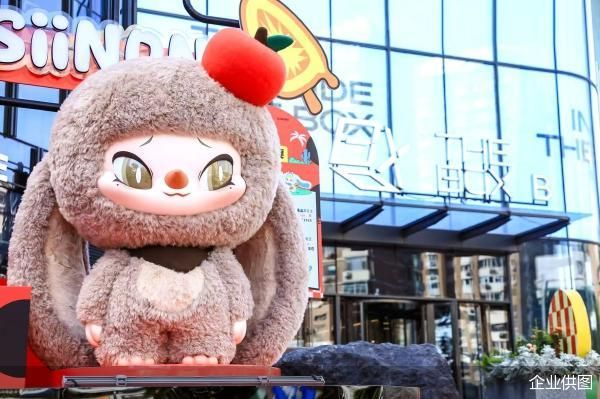
Core Insights - The rise of emotional consumption is transforming the fashion market in Beijing, shifting from mere product transactions to experiences that resonate with consumers' emotions [1][2] - Emotional consumption is becoming a key driver of growth in Beijing's retail sector, reflecting a broader return to human-centric needs in the market [2][3] Group 1: Emotional Consumption Trends - Emotional consumption is permeating various fashion scenarios, leading to a shift from "traffic acquisition" to "emotional maintenance" in user operations [2] - The emotional value derived from products like blind boxes and collectibles is creating a unique consumer experience that transcends traditional retail [2][3] - Events like concerts and festivals are enhancing collective experiences, fostering a sense of belonging among consumers [2] Group 2: Market Data and Projections - By 2029, China's emotional economy market is expected to exceed 4.5 trillion yuan, with Generation Z being the core consumer group [3] - In the first three quarters of 2025, per capita spending on movie and theater tickets and sports activities in Beijing saw over a double-digit year-on-year growth [3] - During the 2026 New Year holiday, key shopping districts in Beijing recorded over 20.84 million visitors and sales of 8.46 billion yuan [3] Group 3: Business Model Innovations - Retail spaces in Beijing are evolving from single-product sales to immersive emotional experiences through combinations of different business models [3] - Examples include the integration of "trendy toys + dining" and "performances + retail" to create emotional experience loops [3] - The transformation of traditional shopping districts into multi-dimensional cultural hubs is becoming a benchmark for commercial evolution [3] Group 4: IP and Cultural Significance - The collaboration between IP and toys is essential, as IP provides emotional narratives and cultural symbols that enhance the appeal of products [6][11] - Successful brands in the trendy toy market are often backed by strong, market-accepted IPs that resonate with consumers' emotional needs [6][7] - The rise of domestic cultural IPs reflects a growing emotional connection among Chinese consumers, emphasizing the importance of cultural value in product offerings [8][11] Group 5: Consumer Behavior and Social Dynamics - The shift towards emotional consumption is indicative of a broader trend where consumers seek social connections and self-actualization through their purchases [14] - The emergence of "social currency" among different generations highlights the evolving nature of consumer behavior in the context of emotional fulfillment [14] - The popularity of trendy toys and collectibles among adults signifies a deeper emotional engagement beyond mere entertainment [14] Group 6: Market Challenges - Despite the growth of emotional consumption, issues like excessive emotional marketing and homogenization of experiences pose risks to the sustainability of this trend [4][27] - The rapid expansion of the "emotional economy" has led to a proliferation of similar businesses, raising concerns about product differentiation and market saturation [27] - Copyright issues remain a significant challenge, with unauthorized products undermining the value of legitimate IPs and leading to increased consumer complaints [28][29]
社交、体验感和即时满足是年轻人“回归线下”的主因
Zhong Guo Qing Nian Bao· 2026-01-15 02:25
Group 1 - The core viewpoint of the article highlights a significant trend among young people returning to offline shopping and socializing in various interest-based venues, with 72.6% of surveyed youth feeling they are shopping more in physical stores recently [1][3] - The survey indicates that popular offline consumption venues for young people include large shopping malls (68.5%), themed street districts (48.4%), and creative markets (44.3%) [3][4] - The rise of interest-driven, immersive experiences in shopping environments, such as pop-up events and themed areas, is attracting young consumers who seek social interaction and unique experiences [2][5] Group 2 - The survey reveals that 58.5% of young respondents enjoy the social aspect of shopping, while 55.4% appreciate the authentic experience of trying products in-store [6][7] - Young consumers are spending an average of 501-1000 yuan monthly on offline activities, with 48.5% of respondents falling within this spending range [5] - The article notes that the appeal of offline shopping includes immediate gratification, with 53.5% of respondents preferring to take purchases home immediately rather than waiting for delivery [7]