
商业保险

Search documents
药企给出的巨额折扣 保司拿不到 患者用不了 商保创新药目录成了“摆设”?
Di Yi Cai Jing· 2026-02-27 02:16
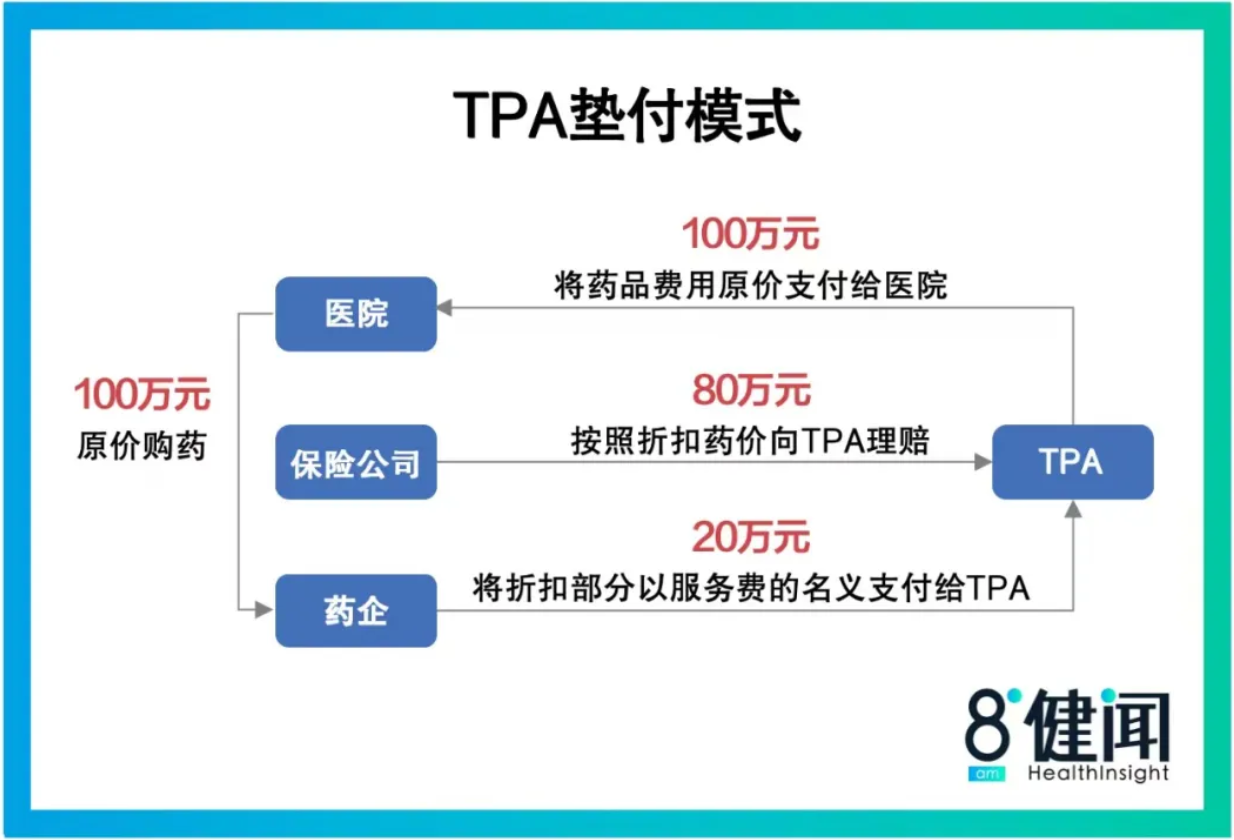
新年以来,首个商业健康险创新药目录(下称商保创新药目录)开始在各地实施。业界最关心的三个问题是:目录中的药品能进多少家医院?医生能开出多 少张处方?在理赔过程中,药品的折扣怎么兑现? 当前的实际结算场景是:药企必须维持全国统一的药品公开价,折扣只能在封闭体系里走,不能写进发票;保险公司只能按照医疗机构开出的发票金额理 赔,既不能提前付款,也不能直接收药企的折扣返还,否则在合规上无法过关。 结果就变成医院只能开"原价发票",保险公司也只能按原价理赔,折扣既不能体现在票面上,也不能通过返款回到保司。 如果账走不通,商保创新药目录药品的折扣价就成了"纸面政策"——名义上各方通过协商谈定了一个折扣价,但这个优惠在实际结算中可能既进不了保司的 账,也到不了患者手里。 围绕结算的卡点,行业并没有停在争论层面,而是各自尝试给出解法。 《健闻咨询》获悉,第三方TPA机构商涌科技已于近日完成一款商保创新药目录内高值药品的垫付。 具体路径是:第三方TPA机构凭借保司的授权协议,先代保司向医院垫付全价药费,医院开出全额发票;保司按折扣后的金额向TPA理赔;药企再以服务费 的名义将折扣部分支付给TPA。 在进院、开方这两个环节,国家 ...

北京:支持西城区“医保+商保”清分结算中心建设
Bei Jing Shang Bao· 2026-02-12 12:47
Core Viewpoint - The article discusses the release of measures by Beijing's healthcare and financial regulatory authorities aimed at promoting the high-quality development of commercial health insurance in the city [1] Group 1: Measures for Commercial Health Insurance - The measures propose the establishment of a convenient and efficient settlement mechanism for commercial health insurance, aiming to reduce operational management costs and improve claims efficiency for participating insurance companies [1] - The initiative includes the support for the construction of a "medical insurance + commercial insurance" clearing settlement center in Xicheng District, promoting synchronized clearing and linkage between central and local medical insurance and commercial insurance [1] Group 2: Data Security Enhancements - The measures emphasize the importance of strengthening data security protection, including the enhancement of security throughout the data sharing and utilization process [1] - There is a focus on improving emergency response and data early warning mechanisms to protect personal information and financial security of insured individuals, ensuring legal and compliant data sharing [1]
北京:推动商保公司与医药企业开展协商定价,加速商保创新药目录落地实施
Bei Jing Shang Bao· 2026-02-12 11:36
Group 1 - The core viewpoint of the news is the introduction of measures to support the high-quality development of commercial health insurance in Beijing, focusing on collaboration with the pharmaceutical industry [1][2] Group 2 - The measures propose the establishment of a collaborative development platform to enhance communication between commercial insurance companies and innovative pharmaceutical enterprises, facilitating information sharing and demand matching for innovative drugs and medical devices [1] - There is an emphasis on encouraging commercial insurance companies to include reasonably priced innovative drugs and high-value medical devices related to cancer, gene therapy, and rare diseases in their coverage [1] - The measures advocate for the innovation of payment models for innovative drugs, including exploring multi-modal payment options such as payment by efficacy and installment payments [1][2] Group 3 - The measures support the clinical application of innovative drugs by allowing them to be fast-tracked for listing without affecting the basic medical insurance self-payment rate [2] - Innovative drugs are exempt from certain restrictions and can be supplied through a "dual-channel" mechanism in designated medical institutions or contracted pharmacies [2] - Costs for eligible new drugs and technologies will not be included in the DRG payment standards and will be paid separately after review [2] Group 4 - The measures encourage an increase in investment in innovative drugs and medical devices, promoting financial support for the innovative pharmaceutical industry through various market-based investment methods [1]
北京鼓励商保公司将更多创新药械纳入保障范围
Xin Jing Bao· 2026-02-12 09:56
Core Viewpoint - The issuance of the "Several Measures to Support the High-Quality Development of Commercial Health Insurance in Beijing" aims to promote the high-quality development of commercial health insurance and improve the multi-level medical security system in the capital [2]. Group 1: Measures for Development - The measures include six aspects focusing on enhancing insurance product innovation, encouraging the development of diverse insurance products that meet citizens' needs [1]. - There is an emphasis on deepening collaboration between commercial insurance and the pharmaceutical industry, promoting communication and cooperation to include innovative drugs and medical devices in insurance coverage [1]. - The initiative aims to improve service capabilities by increasing support for purchasing commercial insurance products and optimizing service experiences [1]. Group 2: Operational Enhancements - The measures promote a "one-stop" settlement model for medical insurance and commercial insurance, aiming to enhance service efficiency and reduce patient burden [1]. - Strengthening consumer rights protection and regulatory compliance is a key focus, with an aim to improve regulatory capabilities and market order [1]. - Establishing a cross-departmental collaborative work mechanism is intended to facilitate the orderly connection of multi-level medical security [1].
更多高价药有望用商保报销了
Di Yi Cai Jing Zi Xun· 2026-01-07 10:32
Core Insights - The first edition of the "Commercial Health Insurance Innovative Drug Directory" has been implemented, which includes 19 innovative drugs with significant clinical value that exceed the payment capacity of basic medical insurance [2][4] - The directory aims to benefit participants of the "Hui Min Bao" insurance, particularly those with severe illnesses, by providing access to high-cost innovative treatments [2][6] - The successful integration of these innovative drugs into hospitals remains a challenge, as many hospitals have specific requirements and policies that may hinder the adoption of these high-value drugs [3][4] Group 1 - The "Commercial Health Insurance Innovative Drug Directory" includes drugs for critical areas such as cancer, rare diseases, neurodegenerative diseases, and metabolic disorders, filling gaps in the basic medical insurance directory [2][4] - CAR-T therapy is highlighted as a significant treatment option for difficult-to-treat blood cancers, potentially extending patient survival from six months to over five years, but its high cost limits accessibility [2][3] - The implementation of the directory's benefits for "Hui Min Bao" participants depends on the acceptance of innovative drugs by the insurance products and their availability in hospitals [2][5] Group 2 - The "three exclusions" policy allows drugs in the directory to be exempt from certain cost monitoring and payment frameworks, but it does not resolve the challenges of getting these drugs into hospitals [4][5] - Some "Hui Min Bao" products have begun to connect with the directory, offering increased reimbursement rates for drugs used during hospitalization, but this is contingent on the drugs being included in hospital treatment [4][6] - There is encouragement from local medical insurance bureaus for retail pharmacies to stock drugs from the directory, which could help address the challenges of hospital access for high-cost innovative drugs [5][7] Group 3 - The directory includes drugs that are also part of some "Hui Min Bao" special drug coverage, with varying reimbursement rates for pre-existing and non-pre-existing conditions [6][7] - Some "Hui Min Bao" products have increased reimbursement rates for pre-existing conditions to 35%, indicating a shift towards better coverage for these patients [7] - Local medical insurance bureaus are supporting the design of new products and adjustments in reimbursement methods to better meet patient medication needs and reduce financial burdens [7]
更多高价药有望用商保报销了
第一财经· 2026-01-07 09:54
Core Viewpoint - The introduction of the first "Commercial Health Insurance Innovative Drug Directory" marks a significant step in expanding access to innovative drugs for patients, particularly those with severe illnesses, through commercial health insurance products like "Hui Min Bao" [3][4]. Group 1: Overview of the Innovative Drug Directory - The first edition of the Commercial Health Insurance Innovative Drug Directory includes 19 innovative drugs that have significant clinical value but exceed the payment capacity of basic medical insurance [3]. - These drugs cover critical areas such as oncology, rare diseases, neurodegenerative diseases, and metabolic disorders, including CAR-T therapies and treatments for Alzheimer's disease [3]. Group 2: Benefits and Challenges for Patients - Patients with severe conditions, such as blood cancers, can benefit from CAR-T therapies, which can extend survival rates significantly, but the high costs have limited their accessibility [3]. - The actual benefits for "Hui Min Bao" participants depend on the integration of these innovative drugs into hospital treatment protocols and the specific commercial insurance product designs [4][5]. Group 3: Implementation and Hospital Integration - There are obstacles in the hospital integration of high-value innovative drugs, as hospitals face restrictions related to drug usage and operational costs [4]. - Some hospitals are in the process of applying for the inclusion of these drugs, but the success of this integration remains uncertain [4][5]. Group 4: Insurance Product Design and Coverage - Certain "Hui Min Bao" products have begun to align with the Commercial Health Insurance Innovative Drug Directory, offering increased reimbursement rates for drugs used during hospitalization [5]. - However, if the innovative drugs do not successfully enter hospital treatment, patients may not receive the intended reimbursement benefits [5][6]. Group 5: Future Directions and Support from Regulatory Bodies - Local health insurance bureaus are encouraging the integration of the innovative drug directory into retail pharmacies, which could help address the challenges of hospital access [6][7]. - There is a push for commercial insurance companies to design new products and adjust reimbursement methods to better meet patient needs and reduce their financial burden [7].
更多高价药有望用商保报销了,患者为何还难以获益
Di Yi Cai Jing Zi Xun· 2026-01-07 09:01
Core Viewpoint - The first edition of the "Commercial Health Insurance Innovative Drug Directory" has been implemented, which includes 19 innovative drugs with significant clinical value that exceed the payment capacity of basic medical insurance, potentially benefiting participants of the Huiminbao insurance program [1][2]. Group 1: Innovative Drug Directory - The directory includes drugs for critical areas such as tumors, rare diseases, neurodegenerative diseases, and metabolic diseases, including CAR-T therapy and treatments for Alzheimer's and rare diseases like neuroblastoma and Gaucher disease [1]. - The introduction of the directory aims to alleviate the financial burden on patients, particularly for high-cost treatments like CAR-T, which can significantly extend survival rates for patients with difficult-to-treat blood cancers [1][2]. Group 2: Implementation Challenges - There are obstacles in the actual use of these high-value innovative drugs in hospitals, as the integration into hospital systems remains a challenge [2][3]. - Some hospitals are in the process of applying for the inclusion of these drugs, but the requirements and policies vary by institution, affecting the availability of these treatments [2][3]. Group 3: Policy Support - The National Healthcare Security Administration and the National Health Commission have introduced policies to support the development of innovative drugs, including the "three exclusions" policy, which allows drugs in the directory to be excluded from certain cost monitoring and payment frameworks [2][4]. - Despite these policies, challenges remain regarding the entry of high-value innovative drugs into hospitals due to operational costs and hospital performance metrics [2][4]. Group 4: Insurance Product Design - Some Huiminbao products have begun to connect with the innovative drug directory, offering increased reimbursement rates for drugs listed in the directory when used during hospitalization [2][3]. - The reimbursement structure varies significantly between patients with pre-existing conditions and those without, with some products offering higher reimbursement rates for non-pre-existing conditions [4][5]. Group 5: Future Directions - Local healthcare authorities are encouraging the integration of innovative drugs into retail pharmacies, which could help address the challenges of hospital access [4][5]. - There is ongoing dialogue between pharmaceutical companies and commercial insurance providers to explore the inclusion of these innovative drugs in special insurance directories, potentially bypassing hospital admission requirements [4].
首版医保“双目录”开启 高价创新药惠及更多百姓
Jin Rong Shi Bao· 2026-01-07 02:58
Core Viewpoint - The implementation of the new National Medical Insurance Drug List and the Commercial Health Insurance Innovative Drug List in 2025 marks a significant step towards addressing the payment challenges for high-value innovative drugs, enhancing the role of commercial health insurance in multi-tiered medical security [1][2][3] Group 1: Policy Implementation - The new drug lists will be executed starting January 1, 2026, with the commercial health insurance list including 19 innovative drugs, notably five CAR-T cancer treatment drugs [1][2] - The introduction of the "dual directory" system aims to bridge the gap between basic medical insurance and commercial health insurance, facilitating access to high-value drugs for more patients [1][5] Group 2: Commercial Health Insurance Role - The commercial health insurance sector is expected to innovate and expand coverage in response to the new drug lists, potentially allowing more patients to access expensive treatments [1][3][6] - The "three exclusions" policy will enable hospitals to prescribe high-priced innovative drugs more freely, thus improving clinical accessibility and allowing for smoother commercial health insurance settlements [4][6] Group 3: Market Dynamics - As of 2024, commercial health insurance premiums reached 977.3 billion yuan, yet only contributed 7.7% to the innovative drug market, indicating untapped potential in this sector [8] - The dual directory system is seen as a crucial step in building a high-quality multi-tiered medical security system, aiming to resolve the issue of high-value drugs being available but not affordable [8][9] Group 4: Future Considerations - Experts emphasize the need for a collaborative platform to enhance negotiation power between insurance companies and pharmaceutical firms, as well as the importance of data management and actuarial pricing for sustainable product offerings [9] - There is a call for establishing dynamic connection mechanisms between the medical insurance and commercial insurance directories to ensure smooth transitions and effective patient support [9]
中金 | 深度布局“十五五”:医药生物篇
中金点睛· 2025-11-14 00:18
Core Viewpoint - The article emphasizes the acceleration of innovation in the pharmaceutical and medical device industries in China, driven by supportive policies and a shift from generic to innovative drug development, which is expected to enhance the industry's quality and global competitiveness [2][3][5]. Policy Support for Innovation - Since 2020, numerous favorable policies have been introduced to improve the ecosystem for innovative drugs, focusing on research standards, review and approval systems, patent protection, and reimbursement mechanisms [2]. - The "14th Five-Year Plan" highlights the importance of supporting innovative drugs and medical devices, indicating their critical role in national health and economic development [3][5]. Clinical Trials and Market Dynamics - The number of clinical trials for innovative drugs in China has surpassed 1,900, outpacing the US, Europe, and Japan, reflecting a significant increase in research quality and efficiency [3][8]. - By 2024, 39 innovative drugs approved for the first time in China were domestically developed, increasing from 31% in 2020 to 42% in 2024, indicating a strong trend towards domestic innovation [3][5]. Medical Insurance and Payment Systems - The narrowing surplus of the national medical insurance fund has created a mismatch between the commercialization of innovative drugs and their approval timelines, necessitating improvements in the commercial insurance system [8][27]. - The "15th Five-Year Plan" aims to establish a multi-tiered medical insurance system, which is expected to enhance the role of commercial health insurance in providing payment support for innovative drugs [27][32]. Medical Devices and Technological Innovation - The approval of innovative medical devices has increased by 43% from 2016-2020 to 2021-2024, driven by improved regulatory mechanisms and support for high-end medical device innovation [10][13]. - The article notes that while domestic brands are gaining global competitiveness, the industry still faces challenges in achieving systematic original innovation and key technology breakthroughs [13][19]. Emerging Technologies - The application of AI and brain-machine interfaces in healthcare is progressing towards industrialization, with the establishment of preliminary frameworks for clinical applications and payment rules [14][18]. - The integration of high-quality data flow in healthcare is anticipated to enhance the clinical benefits of new technologies, improving resource utilization and patient outcomes [18][19]. Biomanufacturing Developments - The biomanufacturing sector in China is transitioning from a "follower" to a "runner" stage, with significant advancements in technology and policy support, laying a solid foundation for future growth [19][20]. - The article highlights the importance of focusing on high-value, environmentally friendly products, such as biodegradable materials, to expand market opportunities [22][26].

外高桥生物医药与镁信健康签署战略合作协议
Xin Lang Cai Jing· 2025-11-11 03:23
Core Insights - Recently, Shanghai Waigaoqiao Group's subsidiary, Shanghai Waigaoqiao Biomedical Industry Development Co., Ltd., signed a strategic cooperation agreement with Shanghai Meixin Health Technology Group Co., Ltd. [1] - The collaboration aims to leverage each party's resources and strengths to innovate a multi-payment mechanism involving "medical insurance + commercial insurance + corporate co-payment" [1] - The focus is on promoting the implementation and accessibility of innovative drug and medical device payments in real-world scenarios, exploring new models for the synergistic development of commercial insurance and the biomedical industry [1]
