
外卖餐饮

Search documents
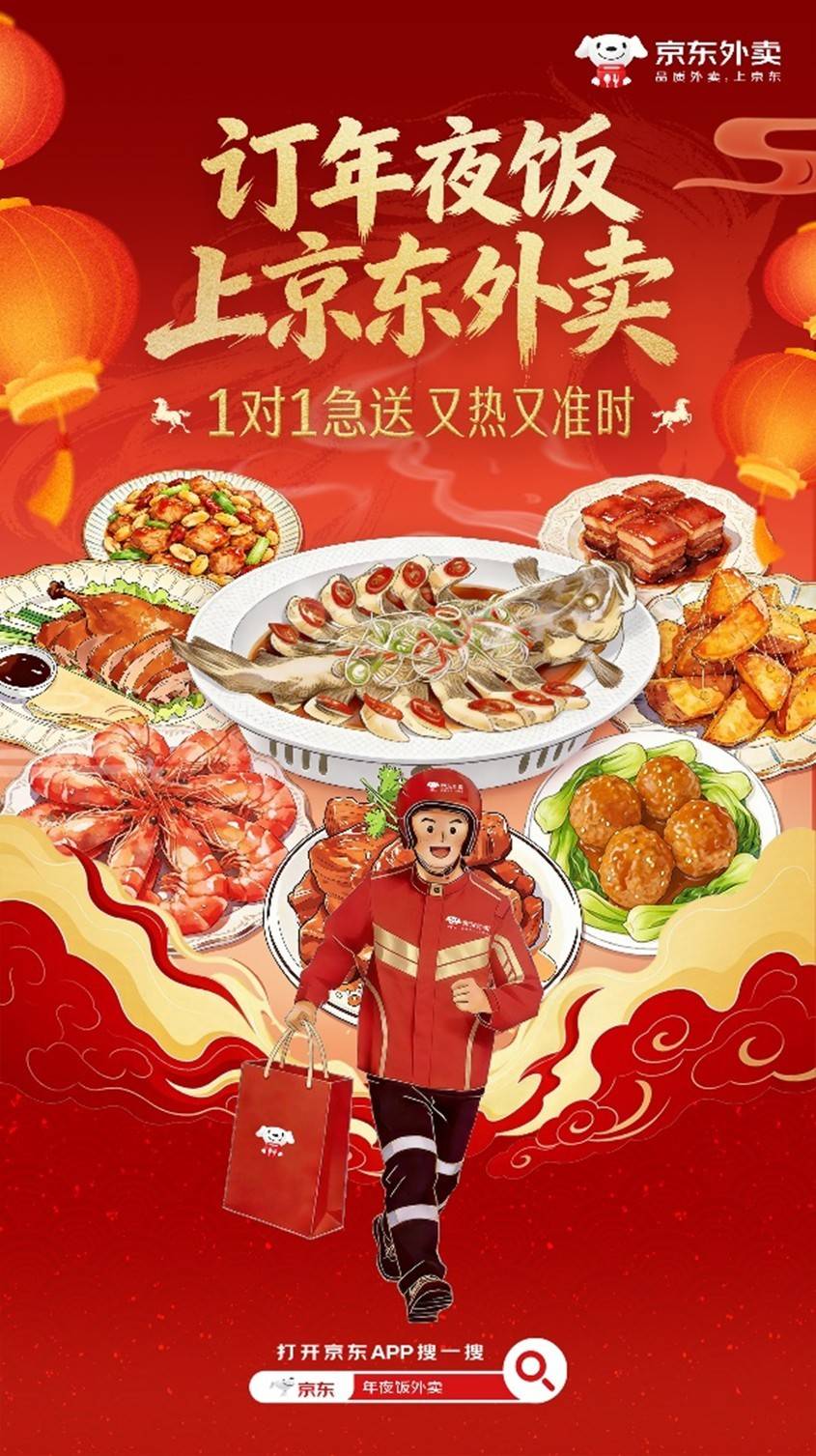
外卖年夜饭,大菜准时达 从容看春晚 京东外卖年夜饭预订正式开启
Xin Lang Cai Jing· 2026-02-10 04:37
京东外卖同样为这顿年度重要团圆餐提供坚实保障,预定年夜饭实付金额100元以上,可享除夕当天骑手1对1急送;预定1888元以上热菜套餐,额外赠送 全家福冲印服务,定格团圆喜悦。同时在北京、上海、济南、南昌、乌鲁木齐等全国12座城市还将优先安排加热餐箱配送,让您和家人准时吃上热乎年夜 饭为更好顺应春节团圆多种需求,无论是一人食的烤鱼套餐,让独处也充满年味仪式感;还是小家庭的暖心宴,1对1急送让新婚夫妇或孕妈省心享用;亦 或是为远方父母预订一桌养生宴,一键传递孝心;甚至是老友隔空互点火锅,共享热气腾腾的在线团聚。京东外卖以全规格套餐,适配每一种团聚需求。 对于大家族而言,子女预订一桌硬菜齐全的豪华家宴直送父母家中,更能让操劳的长辈彻底从厨房解放,全心享受天伦之乐。 此外,在预订年夜饭的同时,还可顺手买好酒、饮料等多种年货,春节送上门,年味更香醇。 今年春节,把耗时费力地筹备交给京东外卖,把温暖的除夕夜留给自己与家人。即日起至2月16日,上京东APP秒送频道搜索"年夜饭",一键预定,准时 送达。让我们从容围坐,举杯相贺,在热气腾腾的团圆饭中,共迎一个安心、温馨、美味的新年。 年夜饭是中国人辞旧迎新的情感核心,承载着对 ...


山西省新绛县市场监管局持续开展平台外卖食品安全监督检查
Xin Lang Cai Jing· 2026-02-09 05:10
Core Viewpoint - The Shanxi Province's Xinjiang County Market Supervision Bureau has implemented a dual online and offline regulatory approach since 2025 to ensure food safety in the local food delivery market [1] Group 1: Regulatory Actions - The regulatory body focuses on key aspects such as the qualifications of food service units, food processing procedures, environmental hygiene, health management of staff, and procurement documentation [1] - There is an emphasis on ensuring that online and offline food services meet the same standards and quality [1] - The bureau verifies the authenticity and validity of information provided by third-party food delivery platforms, including qualifications, menu items, and pricing [1] Group 2: Compliance and Enforcement - The bureau mandates that any identified issues must be corrected within a specified timeframe and implements a checklist management system [1] - A special "look-back" action is conducted to address previously identified issues [1] - Future efforts will focus on increasing regulatory oversight of food delivery services, consolidating rectification results, and enhancing regulatory systems to combat illegal activities [1]
政协委员建议外卖环境扫码可查
Xin Lang Cai Jing· 2026-01-28 14:44
Core Viewpoint - The article emphasizes the need for enhanced food safety and regulatory management in the takeaway food industry, as suggested by Jilin Province CPPCC member Zhang Wenfeng [1] Group 1: Recommendations for Food Safety - The proposal includes establishing a traceability management mechanism for takeaway food ingredients to ensure the source, destination, and accountability of raw materials [1] - It highlights the importance of increasing on-site inspection frequency to address the hidden nature of food processing in takeaway restaurants [1] - The suggestion encourages the promotion of "Internet + Bright Kitchen" initiatives, utilizing video displays to enhance transparency in food processing [1]
塔城市市场监督管理局和平所规范餐饮秩序 严查外卖平台与网络餐饮合规性
Zhong Guo Shi Pin Wang· 2026-01-16 10:48
Group 1 - The core viewpoint of the articles is the regulatory efforts by the Tashkent Market Supervision Administration to ensure food safety in the takeaway restaurant industry through special inspections [1][2] Group 2 - The inspections focused on various aspects of food safety, including the procurement, storage, and processing of food ingredients, as well as the hygiene conditions of the restaurants [1] - A total of 12 fast food establishments were inspected, revealing issues such as improper food storage, unsatisfactory hygiene conditions, and staff not wearing hats and masks [1] - The Peace Market Supervision Office conducted a site inspection of Kakarot Network Technology Co., Ltd. (Ele.me Tashkent branch), checking the health certificates of delivery personnel and safety training measures [1] Group 3 - The next steps include enhancing public awareness through various channels to educate takeaway restaurant operators about food safety laws and regulations [2] - The Peace Market Supervision Office will strengthen daily supervision by making takeaway restaurants a focus of regulatory efforts and conducting regular inspections to ensure ongoing food safety compliance [2]
外卖骑手成食品安全“移动探头”
Xin Lang Cai Jing· 2026-01-07 18:14
(来源:内蒙古日报) 转自:内蒙古日报 本报乌海1月7日电 (记者 郝飚)乌海市乌达区近日为50名外卖骑手颁发食品安全监督员聘书。今后, 这些外卖骑手将成为穿梭在城市街巷的"移动探头",依托其职业便利助力食品安全监管,筑牢食品安全 防线。 乌达区委社会工作部、区"两新"工委顺势而为,推动新就业群体从"被治理者"向"主动治理者"转变。外 卖骑手们将充分发挥职业便利,可直击以往"闲人免进"的餐馆后厨、食材储存间等关键区域,精准捕捉 食品加工不规范、卫生条件不达标等问题,第一时间通过专属渠道举报违法违规行为。这种"贴身监 督"模式将有效倒逼外卖商家绷紧食品安全弦,自觉规范加工经营流程,推动外卖餐饮行业向更健康、 更规范的方向发展。 据介绍,今后,乌达区委社会工作部还将联合相关部门持续做好食品安全监督员的系统培训与规范化管 理,明确选拔标准、细化职责权限、优化工作流程,通过专业指导提升监督精准度。同时,乌达区还不 断完善协同机制,推动形成"政府监管有力度、平台主责有强度、骑手监督有精度、商户自律有深度、 群众参与有广度"的食品安全多元共治新格局,让每一份外卖都吃得安心、吃得放心。 ...
外卖吃出异物?这些正规投诉途径帮你有效维权
Xin Lang Cai Jing· 2025-12-16 07:52
Core Viewpoint - The food delivery industry is facing significant issues with food safety, as consumers frequently encounter foreign objects in their meals, leading to high complaint rates and potential health risks [1][10]. Group 1: Initial Actions - The first step in addressing food safety complaints involves documenting evidence by taking clear photos and videos of the foreign objects and the overall state of the food, along with order details [2][11]. - Consumers should contact the merchant and the delivery platform through the app to report the issue and seek resolution, such as refunds or compensation [2][11]. Group 2: Official Complaint Channels - The primary official complaint channel for food safety issues is the 12315 platform, which connects directly to market supervision departments for effective resolution [3][13]. - Consumers can also utilize the 12345 government service hotline for direct communication regarding food safety complaints, which is particularly useful for those less familiar with online processes [5][18]. Group 3: Supplementary Complaint Channels - Additional specific channels exist for enhancing the effectiveness of complaints related to food safety in the delivery sector [15]. - Third-party online complaint platforms, such as the Black Cat Complaint platform, provide a convenient and transparent way to resolve consumer disputes, leveraging public opinion to encourage businesses to address issues promptly [4][15][16]. Group 4: Summary and Recommendations - A recommended strategy for consumers facing issues with foreign objects in food includes a combination of immediate actions: documenting evidence, contacting the merchant and platform, and escalating to third-party platforms if initial resolutions are inadequate [7][20]. - If problems persist or businesses refuse to address complaints, consumers should file formal complaints through the 12315 platform and consider reporting to the 12331 hotline or local media for further pressure [8][20].
食材来源不明、操作环境差……无堂食黑厨为何屡禁不止?
Ren Min Ri Bao Hai Wai Ban· 2025-12-16 03:30
Core Viewpoint - The rise of "no-dine-in" food delivery services has led to significant concerns regarding food safety and hygiene, as many of these establishments operate without proper licenses and use questionable ingredients [1][4]. Group 1: Industry Concerns - Many no-dine-in food delivery outlets lack proper licenses, have unclear sources for their ingredients, and operate in unsanitary conditions, raising alarms about food safety [1][6]. - A significant portion of consumers, 15.7%, reported dissatisfaction with online food ordering services, an increase from 10.6% in the previous year [3]. - The number of online food delivery users in China reached 569 million by June this year, accounting for 50.7% of the total internet users [3]. Group 2: Regulatory Challenges - Common illegal practices include operating without licenses, using expired or spoiled ingredients, and processing food in unsanitary environments, which can lead to cross-contamination [3][6]. - The current regulatory framework primarily imposes fines, which are often insufficient to deter illegal operations, as the fines are lower than the profits from illegal activities [6]. - The lack of effective oversight is exacerbated by the hidden nature of these businesses, making traditional regulatory methods ineffective [6]. Group 3: Platform Responsibilities - Food delivery platforms may overlook compliance issues due to profit motives, as more restaurants lead to higher commission earnings [7][9]. - There is a need for platforms to enhance their vetting processes for merchants and improve customer complaint handling mechanisms [9][10]. - Recent regulatory proposals aim to enhance accountability among food delivery service providers and improve consumer transparency [8]. Group 4: Recommendations for Improvement - A multi-faceted approach involving regulatory bodies, industry self-regulation, platform governance, and social oversight is essential to ensure food safety [8]. - Regulatory authorities should strengthen laws and standards, and utilize technology for better monitoring and enforcement [8]. - Consumers are encouraged to choose reputable vendors, verify business credentials, and check for food safety seals upon delivery [10].
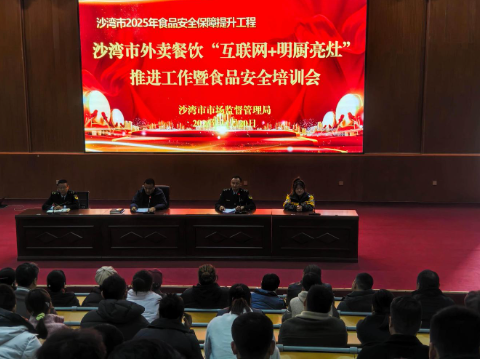
沙湾市市场监管局以训赋能 筑牢外卖餐饮食品安全防线
Zhong Guo Shi Pin Wang· 2025-11-21 03:35
Core Points - The article discusses a training session organized by the Shawan City Market Supervision Administration aimed at improving food safety in the takeout restaurant industry through the "Internet + Bright Kitchen" initiative [1][3] - A total of 296 takeout restaurant operators participated in the training, which focused on addressing common issues such as unsatisfactory kitchen hygiene, improper food storage, and non-compliant processing operations [1][3] Group 1 - The training included practical sessions on the "Internet + Bright Kitchen" initiative, where professional instructors explained video upload standards, platform integration requirements, and daily maintenance of equipment [1] - The training also covered food safety laws and regulations, emphasizing key areas such as raw material inspection, processing procedures, tool sanitation, and health management of staff [1][3] Group 2 - Participants were encouraged to recognize the importance of the "Internet + Bright Kitchen" initiative and to actively disclose kitchen operations for social supervision [3] - The regulatory body will intensify oversight and strictly penalize poor kitchen hygiene and illegal operations, ensuring compliance with food safety laws [3] - The Shawan City Market Supervision Administration plans to continue enhancing daily supervision and guidance services to promote high-quality development in the takeout restaurant industry [3]
2.7亿人的饭桌:拼好饭把“国民食堂”搬上线
格隆汇APP· 2025-11-13 09:42
Core Viewpoint - The article discusses the rise of Meituan's "Pin Hao Fan" as a digital platform that provides affordable meal options for low-income groups, effectively acting as a "national canteen" that meets the daily dietary needs of millions of users [8][28]. Group 1: Economic Impact - As of the latest data, Meituan's "Pin Hao Fan" has surpassed 35 million daily orders and has over 270 million users, highlighting its significant role in the daily lives of ordinary people [8]. - The platform serves as a safety net for low-income individuals, providing affordable meal options that help maintain their dignity in consumption [9]. - The average order price on "Pin Hao Fan" ranges from 10 to 15 yuan, making it accessible for various consumer segments [25]. Group 2: Quality Assurance - To address concerns about quality, "Pin Hao Fan" launched the "Million Bright Kitchen" initiative, which includes live video broadcasts of kitchens and a "Food Safety Diary" feature for merchants to document their restaurant environments [10]. - The number of well-known brands joining "Pin Hao Fan" has increased by 64% over the past year, with over 5,000 restaurant brands now on the platform, ensuring quality assurance through established quality control systems [10]. Group 3: Support for Small Businesses - "Pin Hao Fan" provides a crucial support system for small and micro food businesses, allowing them to stabilize their operations in a competitive market [13]. - The platform's "fixed price" settlement model eliminates commission and delivery fees, providing clear profit visibility for merchants [13]. - Many merchants have reported a sales increase of over 30% after joining "Pin Hao Fan," with average cost reductions of over 20% due to improved operational efficiency [19]. Group 4: Supply Chain Efficiency - "Pin Hao Fan" utilizes a group ordering system to optimize production planning, allowing merchants to reduce waste and inventory costs [18]. - The average number of menu items for merchants on "Pin Hao Fan" is only 4.8, simplifying operations and enhancing efficiency [19]. - The platform's centralized delivery model has reduced average delivery costs from 7 yuan to 3.7 yuan, significantly improving delivery efficiency [22]. Group 5: Social Value - "Pin Hao Fan" addresses the needs of a large segment of the population, including approximately 600 million people with monthly incomes below 1,000 yuan, providing them with affordable meal solutions [28]. - The initiative aligns with a broader trend of rational consumption, where consumers prioritize value and practicality over brand prestige [27]. - The collaboration between government and platforms like "Pin Hao Fan" aims to balance food safety and accessibility, contributing to a more inclusive food supply system [28][29].
平台外卖店图片环境好人气旺 实为AI生成假门面
Yang Shi Wang· 2025-11-01 22:27
Core Viewpoint - The increasing prevalence of food delivery services has raised significant concerns regarding food safety, particularly related to misleading representations of food items on delivery platforms [1] Group 1: Consumer Experience - Many consumers have encountered discrepancies between the images of food displayed on delivery platforms and the actual food received from restaurants [1] - The phenomenon of "real photos" often turns out to be artificially generated images created using AI technology by food delivery merchants [1]