
基础设施建设

Search documents
涉案200亿!浙系富豪被刑拘,三家上市公司同时“炸雷”
Sou Hu Cai Jing· 2025-12-24 12:51
Core Viewpoint - The Zhejiang tycoon Yu Faxiang and his business empire are facing an unprecedented crisis due to his criminal investigation and the freezing of shares in multiple listed companies, including Xiangyuan Cultural Tourism and Jiaojian Co., which has raised significant concerns in the market [2][5][9]. Group 1: Company Situation - Yu Faxiang's family has notified that he has been subjected to criminal coercive measures by the public security bureau in his hometown of Shaoxing, Zhejiang [2]. - Xiangyuan Cultural Tourism's controlling shareholder has nearly all shares frozen, with a total of 58.08% of the company's shares being judicially frozen [5][6]. - Jiaojian Co. is also in a dire situation, with 44.32% of its shares held by the controlling shareholder being fully frozen, and Yu Faxiang's personal holdings of 15.73 million shares also completely frozen [7][8]. Group 2: Financial Crisis - The immediate trigger for Yu Faxiang's coercive measures appears to be a liquidity crisis stemming from a financial product repayment crisis that began in late November, involving over 200 financial products with a total scale potentially reaching 20 billion yuan [9][11]. - The involved products, which were marketed as low-risk with expected annual returns of 4%-5%, were backed by distressed real estate projects, leading to significant investor losses [11][12]. - Yu Faxiang's company has approximately 60 billion yuan in total assets but faces 40 billion yuan in total liabilities, with 30 billion yuan in unsold property, exacerbating the liquidity crisis [11][12]. Group 3: Company Performance - Prior to the crisis, Xiangyuan Cultural Tourism reported a 35% increase in revenue to 844 million yuan and a 42% increase in net profit to 156 million yuan for the first three quarters [14]. - Jiaojian Co. also showed a 36.4% increase in net profit to 137 million yuan, although it faced negative cash flow of -295 million yuan during the same period [14][15]. - In contrast, Haichang Ocean Park reported a 14.2% decline in revenue to 686 million yuan for the first half of 2025, with a significant loss of 295 million yuan [16].

破茧蝶变:扬州国资五年“进击路” 从城市建造者到发展新引擎
Sou Hu Cai Jing· 2025-12-24 10:47
Core Insights - Yangzhou's state-owned enterprises (SOEs) are transitioning from "city builders" to "city development engines," indicating a strategic shift in their role within the urban landscape [1][6] Group 1: Strategic Transformation - The total assets of Yangzhou's state-owned enterprises exceed 300 billion yuan, with operating income surpassing 40 billion yuan, reflecting a significant transformation over five years [2] - There has been a 74.34% increase in assets and a 49.52% growth in revenue, highlighting the expansion of state capital in Yangzhou's economic framework [2] - Nearly 40% of total revenue now comes from external sources, indicating a shift from local service to regional competition, which is crucial in the context of the Yangtze River Delta integration [2] Group 2: Planning and Development Framework - The integration of state asset planning into the city's 14th Five-Year Plan signifies a fundamental change in regulatory thinking, moving towards a systematic approach to urban development [3] - The development logic presented includes macro-level goals, a mid-level investment plan of 55 billion yuan for major projects, and micro-level practices from three representative enterprises, showcasing a coherent "strategy-tactics-execution" framework [3] Group 3: Enterprise Practices - Yangzhou Urban Control Group balances economic benefits with social responsibilities through a total investment of 23.16 billion yuan across 58 projects, including both infrastructure and cultural preservation initiatives [4] - Yangzhou Lianhuan Group demonstrates a commitment to innovation with a 15% annual increase in R&D investment and significant rewards for new drug development teams, challenging the stereotype of SOEs lacking innovation [4] - Yangzhou Big Data Group's "Food Ranking" platform exemplifies a digital transformation of traditional industries, enhancing the food sector through data integration and smart analysis [4] Group 4: The "Yangzhou Model" - The development model presented is characterized as "market-oriented innovation under strategic guidance," where the role of the state asset supervision committee shifts from manager to strategic designer and institutional provider [5] - This model emphasizes the interdependence of SOEs and urban development, with SOEs aligning their industrial layout with city strategies and addressing public needs through innovation [5] - The dual mission of Yangzhou's SOEs is to establish a solid physical foundation for urban development while also creating a competitive digital advantage for the future [5]
再出手!中邮保险举牌四川路桥
Guo Ji Jin Rong Bao· 2025-12-24 09:18
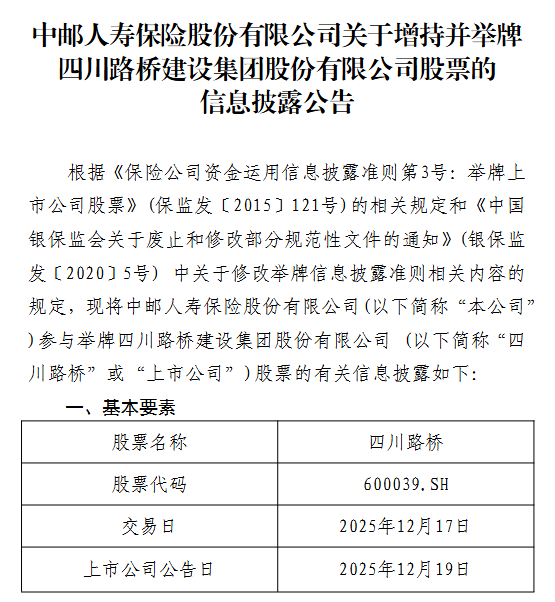
Core Viewpoint - Insurance capital is actively entering the market, with Zhongyou Insurance increasing its stake in Sichuan Road and Bridge Group to 5%, triggering a shareholding notification [1][3]. Company Summary - Zhongyou Insurance held 434.67 million shares of Sichuan Road and Bridge before the increase, representing 4.9987% of the total share capital. After purchasing an additional 114,300 shares on December 17, the total shares held increased to 434.78 million, equating to 5% of the total share capital [3]. - The market value of Zhongyou Insurance's holdings in Sichuan Road and Bridge is approximately 4.3 billion yuan, which constitutes 0.63% of the company's total assets as of the end of Q3 2025 [3][4]. - Zhongyou Insurance is a life insurance company controlled by China Post Group, with a registered capital of 32.643 billion yuan, officially established in September 2009 [3]. Financial Performance - For the first three quarters of 2025, Zhongyou Insurance reported insurance business revenue of 151.31 billion yuan, a year-on-year increase of 17.66%. However, net profit decreased by 15.56% to 9.129 billion yuan [4]. - As of the end of Q2, the core and comprehensive solvency ratios were 92.53% and 165.01%, respectively [4]. Industry Overview - Zhongyou Insurance's recent actions reflect a broader trend in the insurance industry, with 27 listed companies being targeted by insurance capital in 2023, totaling 35 instances of shareholding notifications, marking a recent high [4]. - Analysts attribute the surge in insurance capital's shareholding activities to three main factors: the pressure of potential "interest margin losses" due to low interest rates and asset scarcity, changes in accounting standards that enhance profit stability, and supportive policies encouraging long-term capital investment in the stock market [5].

“祥源系”超百亿元金融产品陷兑付危机,实控人俞发祥被采取刑事强制措施
Guo Ji Jin Rong Bao· 2025-12-23 16:00
Core Viewpoint - The "Xiangyuan System" is facing a liquidity crisis with over 10 billion yuan in financial products reported to be overdue for redemption, leading to police intervention and the detention of the actual controller, Yu Faxiang [1][3][9]. Group 1: Company Overview - Xiangyuan Holding Group, under Yu Faxiang, has two publicly listed companies: Xiangyuan Cultural Tourism and Jiaojian Co., which announced that Yu Faxiang is under criminal detention by the Shaoxing Public Security Bureau [1][5]. - Yu Faxiang, born in 1971, is the chairman of Xiangyuan Holding and has a significant stake in multiple listed companies, including Haichang Ocean Park, which he acquired for 2.295 billion HKD [5][6]. Group 2: Financial Crisis Details - In mid-October, financial products related to the Xiangyuan System were reported to be overdue, with Xiangyuan Holding admitting to liquidity issues in early December [3][9]. - The overdue financial products are estimated to exceed 10 billion yuan, with investors expressing concerns about the company's ability to liquidate assets for redemption and the high management fees charged by the Zhejiang Financial Asset Trading Center [3][9]. Group 3: Company Operations and Impact - Despite the legal issues surrounding Yu Faxiang, both Xiangyuan Cultural Tourism and Jiaojian Co. stated that their operations remain normal and that there has been no significant impact on their business [5][11]. - The total assets of Xiangyuan Holding are reported to be 60 billion yuan, with liabilities exceeding 40 billion yuan, exacerbated by a downturn in the real estate market and the cancellation of the trading qualifications of the Zhejiang Financial Asset Trading Center [10].
百亿兑付危机引爆,祥源系实控人俞发祥被采取刑事强制措施
Jing Ji Guan Cha Wang· 2025-12-23 05:24
Core Viewpoint - The financial crisis involving Zhejiang businessman Yu Faxiang has escalated, leading to his criminal detention due to the inability to repay over 10 billion yuan in financial products linked to his company, Xiangyuan Holdings [2][8]. Company Overview - Yu Faxiang, born in 1971 in Zhejiang, is the chairman of Xiangyuan Holdings, which owns three listed companies: Haichang Ocean Park, Jiaojian Co., and Xiangyuan Cultural Tourism [3][4]. - Xiangyuan Holdings has focused on three main industries: cultural tourism, real estate, and construction since entering the cultural tourism sector in 2010 [5][6]. Financial Performance - Xiangyuan Holdings has faced significant financial challenges, with total assets of approximately 60 billion yuan and liabilities of 40 billion yuan, indicating a temporary cash flow crisis due to the downturn in the real estate sector [8]. - The company has experienced a continuous decline in revenue over the past three years, with revenues of 13.66 billion yuan, 11.84 billion yuan, and 10.73 billion yuan from 2022 to 2024, reflecting an average annual decline of 11.39% [9]. - The real estate segment has been particularly affected, with new construction areas dropping significantly from 615,300 square meters in 2022 to 96,500 square meters in 2024 [9]. Crisis Development - The crisis began on November 28, when multiple financial products guaranteed by Yu Faxiang and Xiangyuan Holdings failed to meet repayment obligations, leading to a total repayment amount exceeding 10 billion yuan [2]. - Following the crisis, Yu Faxiang's shares in Xiangyuan Cultural Tourism and Jiaojian Co. were frozen, and he was detained by the authorities [2][8]. Regulatory Response - A support task force was established on December 12 to assess the company's assets and liabilities, aiming to ensure the company meets its debt obligations and maintains normal operations [11]. - The task force's primary goal is to conduct a comprehensive audit of Xiangyuan Holdings' financial situation, although specific repayment plans have yet to be disclosed [13].



深陷百亿兑付危机!70后浙商大佬涉嫌犯罪被控制,身家一度达145亿
Xin Lang Cai Jing· 2025-12-23 04:46
Core Viewpoint - The "Xiangyuan System" is facing a liquidity crisis due to over 10 billion yuan in financial products that have defaulted, leading to criminal measures against its principal, Yu Faxiang [1][6][19]. Group 1: Company Overview - Yu Faxiang controls three listed companies: Jiaojian Co., Xiangyuan Culture, and Ocean Park Haichang, creating a business empire with total assets exceeding 60 billion yuan [4][15]. - As of December 23, stock prices for Xiangyuan Culture, Jiaojian Co., and Ocean Park Haichang dropped significantly, with declines of 28%, 4.64%, and 6.25% respectively [4][15]. Group 2: Financial Crisis Details - The "Xiangyuan System" financial products were reported to have overdue payments in early December, revealing Yu Faxiang's liquidity risks [6][19]. - The total assets of Xiangyuan Holdings are reported at 60 billion yuan, with liabilities exceeding 40 billion yuan, exacerbated by a downturn in the real estate market and the cancellation of trading qualifications for its financing platform [21][19]. Group 3: Shareholder Information - As of December 16, Yu Faxiang and his associated entities hold 612 million shares of Xiangyuan Culture, representing 58.08% of the total share capital, with all shares being judicially frozen [20][21]. - The judicial freezing of shares is linked to debt risks associated with platforms related to Xiangyuan Holdings [21]. Group 4: Historical Context - Yu Faxiang's entrepreneurial journey began in 1992, transitioning from the renovation industry to real estate, and later expanding into cultural tourism [23]. - In June 2025, Xiangyuan Holdings made a significant acquisition of Ocean Park Haichang for 2.295 billion HKD, raising questions about the strategic direction of the company [24].
塞尔维亚期待拓展塞中合作
Xin Lang Cai Jing· 2025-12-23 04:36
Group 1 - The core achievement of Serbia-China economic cooperation is highlighted, with significant contributions from Chinese investments to Serbia's economic and social development, creating job opportunities [1] - From 2013 to 2024, Serbia's exports to China increased from $2.2 million to $1.9 billion, an approximately 85-fold growth, while Chinese direct investment in Serbia rose from €2.22 million to €1.4 billion [1] - China has become the largest source of foreign direct investment in Serbia, with investments spanning various sectors including steel, infrastructure, mining, and energy [1] Group 2 - Serbia's exports to China have maintained an annual growth rate exceeding 50%, with the upcoming Serbia-China Free Trade Agreement opening new avenues for Serbian goods in the Chinese market [2] - Serbian enterprises are encouraged to explore cooperation in tropical agriculture, high-end tourism, and healthcare, leveraging opportunities from the Hainan Free Trade Port [2] - The focus of Serbia-China cooperation is shifting towards higher technology and innovation, with ongoing projects in renewable energy, smart industry and agriculture, communication technology, and pharmaceuticals [2] Group 3 - Under the strategic guidance of the leaders of both countries, practical cooperation between Serbia and China has flourished, with numerous infrastructure and investment projects contributing positively to Serbia's national development [3] - The Chinese government is promoting investment from capable Chinese enterprises in Serbia to support high-quality development of the Belt and Road Initiative [3]
600576、603815实控人被采取刑事强制措施
Shang Hai Zheng Quan Bao· 2025-12-22 23:04
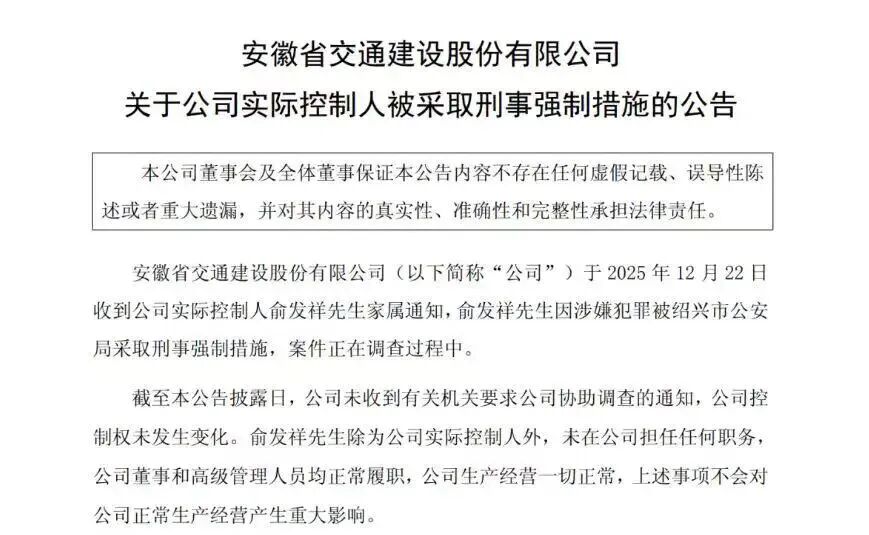
三家公司均称,目前公司未收到有关机关要求公司协助调查的通知,公司控制权未发生变化。 此前,12月16日晚间,祥源文旅与交建股份披露,实控人俞发祥及控股股东等相关主体持有的公司股份 被司法冻结、轮候冻结。 12月22日晚,A股上市公司祥源文旅(600576)、交建股份(603815)相继公告称,公司实际控制人俞 发祥因涉嫌犯罪被绍兴市公安局采取刑事强制措施,案件正在调查过程中。港股公司海昌海洋公园发布 公告称,公司董事会主席、执行董事兼行政总裁俞发祥因涉嫌犯罪被绍兴市公安局采取刑事强制措施。 其中,祥源文旅的主营业务主要覆盖旅游行业、文化行业、商品销售行业,公司2025年前三季度实现营 收8.44亿元,同比增长35.29%;实现归母净利润1.56亿元,同比增长41.80%。交建股份主要从事公路、 市政基础设施建设领域相关的工程施工、勘察设计、试验检测等业务,公司2025年前三季度实现营收 30.21亿元,同比增长6.06%;实现归母净利润1.37亿元,同比增长36.40%。 (文章来源:上海证券报) 彼时,祥源文旅表示,该次冻结主要涉及以下事项:第一,上海金融法院司法冻结及轮候冻结事项为祥 源旅开(祥源文旅控股 ...
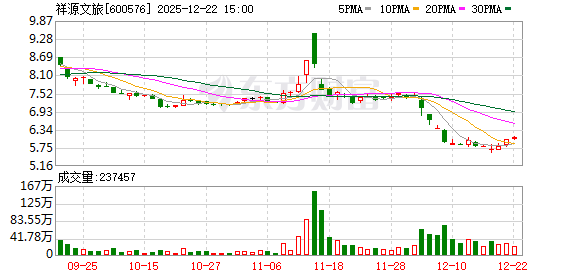
浙商大佬俞发祥涉嫌犯罪,被公安采取刑事强制措施,其身家一度达145亿元
Mei Ri Jing Ji Xin Wen· 2025-12-22 22:54
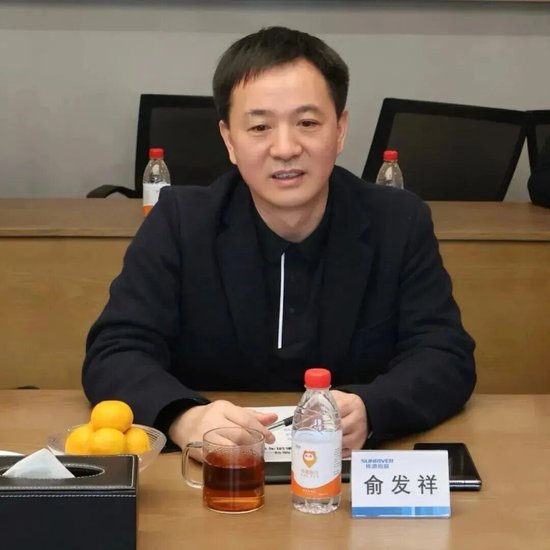
Core Viewpoint - The actual controller of Xiangyuan Cultural Tourism, Yu Faxiang, has been taken into criminal custody by the Shaoxing Public Security Bureau, leading to significant financial and operational implications for the company and its affiliates [1][2]. Group 1: Company Background and Financial Issues - Yu Faxiang, born in 1971, is the chairman of Xiangyuan Holding Group and has a net worth of ¥145 billion, ranking 465th on the Hurun Rich List as of October 2025 [1][2]. - Xiangyuan Cultural Tourism and Jiaojian Co. announced that their controlling shareholder's shares have been judicially frozen, with over 600 million shares of Xiangyuan Cultural Tourism and 27.4 million shares of Jiaojian Co. affected [2][4]. - The crisis began on November 28, when multiple financial products issued by Xiangyuan Holding defaulted, with a total outstanding amount exceeding ¥100 billion, linked to unsold and halted real estate projects [2][7]. Group 2: Shareholder and Asset Management - The total shares frozen for both companies exceed 800 million, with significant portions of their total share capital affected [3][4]. - The Shaoxing government has deployed a support team to assist Xiangyuan Holding in managing its debts and ensuring normal operations [5]. - Both companies maintain that their operations remain independent from their controlling shareholder, despite the high percentage of frozen shares potentially impacting control stability [4][5]. Group 3: Investor Impact and Market Reaction - Investors have reported significant losses, with some investing hundreds of thousands of yuan in financial products that are now unable to be redeemed [9]. - The financial products, which were marketed as low-risk with expected annual returns of 4%-5%, are now in default, leading to a liquidity crisis for the company [7][9]. - The Zhejiang provincial authorities have established a task force to investigate the asset situation and protect investor rights [9].

爆雷,高达200亿元!浙商大佬俞发祥涉嫌犯罪,被公安采取刑事强制措施,其身家一度达145亿元,8亿多股份已被紧急冻结
Mei Ri Jing Ji Xin Wen· 2025-12-22 16:12
Core Viewpoint - The actual controller of Xiangyuan Holdings, Yu Faxiang, has been taken into criminal custody by the Shaoxing Public Security Bureau due to suspected criminal activities, leading to significant financial and operational implications for its listed companies, Xiangyuan Cultural Tourism and Jiaojian Co., Ltd. [1][6] Group 1: Company Background - Yu Faxiang, born in 1971 in Zhejiang Shengzhou, is the chairman of Xiangyuan Holdings Group, which owns multiple listed companies including Haichang Ocean Park and Jiaojian Co., Ltd. [3] - As of October 2025, Yu Faxiang ranked 465th on the Hurun Rich List with a net worth of ¥145 billion, a decrease of approximately 55 places from the previous year [4]. Group 2: Financial Issues - On December 16, both Xiangyuan Cultural Tourism and Jiaojian Co., Ltd. announced that their controlling shareholder's shares had been judicially frozen, with over 600 million shares of Xiangyuan Cultural Tourism and 274 million shares of Jiaojian Co., Ltd. affected [6]. - The financial crisis began on November 28, when multiple financial products issued by Xiangyuan Holdings through Zhejiang Jin Center defaulted, with the total amount due exceeding ¥100 billion, linked to unsold and stalled real estate projects [8]. Group 3: Shareholder Impact - The total shares frozen for Xiangyuan Cultural Tourism's three major shareholders amount to 612 million, representing 58.08% of the total share capital, while 462 million shares are under judicial preservation [6]. - For Jiaojian Co., Ltd., the controlling shareholder holds 274 million shares, accounting for 44.32% of the total share capital, with significant portions also frozen or under judicial preservation [6]. Group 4: Government Intervention - A working group from the Shaoxing government has been deployed to assist Xiangyuan Holdings in addressing its financial issues, ensuring the company continues its normal operations while investigating its assets and liabilities [7]. - The freezing of shares is primarily due to financial disputes related to loan guarantees and debt risks associated with affiliated platforms [7].
