
特色农业

Search documents
“一村一业”激活乡村振兴“一池春水”
Qi Lu Wan Bao· 2025-11-21 12:28
Core Insights - The articles highlight the development of rural areas in China through various initiatives focusing on industry integration, cultural empowerment, and sustainable growth [2][3][4][5][6] Group 1: Industry Development - Xinzhang Street in Steel District is enhancing rural industry by integrating production, construction, and cultural characteristics, aiming for a sustainable development path with expected collective income of 1.6 million yuan by 2025 [2] - Qiaodian Village is leveraging its geographical advantages to establish a cooperative for planting and processing, with a projected collective income of 1.5 million yuan by 2025 [3] - Dagou Village has transformed into a popular tourist destination, attracting over 80,000 visitors annually and developing various agricultural products to enhance collective economy [4][5] - Liu Xiangquan Village is creating the "Xiangquan Fang" agricultural brand, with an expected annual collective income of 200,000 yuan and online sales projected to exceed 500,000 yuan by 2025 [6] Group 2: Cultural Empowerment - Down Chen Village is focusing on cultural revitalization by establishing multiple exhibition halls and promoting local cultural heritage, which strengthens community ties and governance [2] - Dagou Village promotes traditional culture through the establishment of cultural centers and events, enhancing community engagement and tourism [4] - Liu Xiangquan Village emphasizes community governance through a points-based system, fostering a sense of responsibility and participation among residents [6] Group 3: Governance and Community Engagement - Xinzhang Village has implemented a three-tier management network to enhance governance and community cohesion, recognized as a "five-star village party organization" [2] - Qiaodian Village has built a digital management platform to improve community services and governance efficiency [3] - Liu Xiangquan Village has achieved a high level of community participation, with 95% of families scoring above 80 points in the governance system, leading to a reduction in grievances [6]

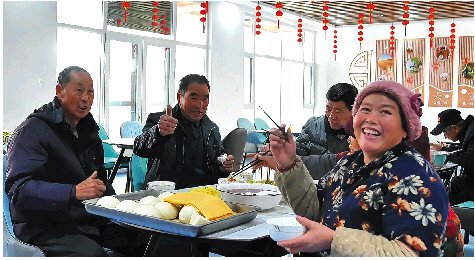
普惠金融 让金融服务看得见、摸得着
Jin Rong Shi Bao· 2025-11-20 01:24
Core Insights - The article emphasizes the importance of county-level特色产业 (specialty industries) in driving economic vitality and increasing farmers' income, supported by advancements in technology and finance [2][3] - It highlights the role of inclusive finance in facilitating the development of these industries, aligning with national policies aimed at rural revitalization and economic growth [2][3] Group 1: County-Level Specialty Industries - County-level特色产业 are described as vital economic cells that contribute significantly to overall economic activity and are essential for improving farmers' livelihoods [2] - The article notes that these industries are gaining popularity due to technological advancements and the power of the internet, allowing lesser-known products to reach broader markets [2] Group 2: Role of Finance - The article discusses the historical challenges faced by small enterprises in accessing financing, including issues like insufficient collateral and lack of transparency [3] - It points out that financial institutions are increasingly recognizing the value of small and micro-market entities, leading to a shift in operational philosophy and improved access to credit [3] - The concept of inclusive finance is emphasized, which aims to ensure that financial resources reach the most dynamic and innovative sectors of the economy [3]
青海:构建全产业链融合体系 十万农牧民共享产业增值红利
Zhong Guo Xin Wen Wang· 2025-11-12 17:23
Core Viewpoint - Qinghai Province has successfully built a tightly connected industrial system through the integration of characteristic agricultural resources and innovative mechanisms, ensuring that ordinary farmers benefit from the value-added in the green organic agricultural and livestock product output [1] Group 1: Agricultural Development - Qinghai Province has focused on the integration of industries, emphasizing key characteristic industries such as yak, Tibetan sheep, rapeseed, barley, goji berries, and cool-season vegetables, aiming to upgrade and enhance these industries [3] - By 2025, a total of 9.89 billion yuan in central government special funds will be allocated to establish 6 characteristic industrial clusters and 23 strong agricultural towns, targeting key areas such as standardized planting and breeding, deep processing, cold chain logistics, market marketing, product research and development, and brand building [3] - The province has adopted an agricultural industrialization development model involving leading enterprises, cooperatives, family farms, and farmers, attracting 265 operational entities, including 180 enterprises, 59 cooperatives, and 26 public institutions, benefiting nearly 100,000 farmers and creating approximately 12,000 jobs [3] Group 2: Rural Tourism and Employment - Leisure agriculture and rural tourism have emerged as new engines for increasing farmers' income, with 2,900 leisure agriculture operators and 71,000 employees expected by 2025, including 36,000 farmers [4] - The province anticipates receiving 26 million tourists annually, generating 1.472 billion yuan in revenue, with 390 million yuan from the sale of agricultural products, and an average annual salary of 25,000 yuan for employees [4] Group 3: Rural Industry Villages - Qinghai has invested 1.45 billion yuan in various funds to build 315 rural industry villages, focusing on addressing the shortcomings in rural industrial development [5] - The province has implemented a mechanism to ensure that the construction process involves the public, allowing them to participate, verify results, and ultimately benefit from the outcomes [5]
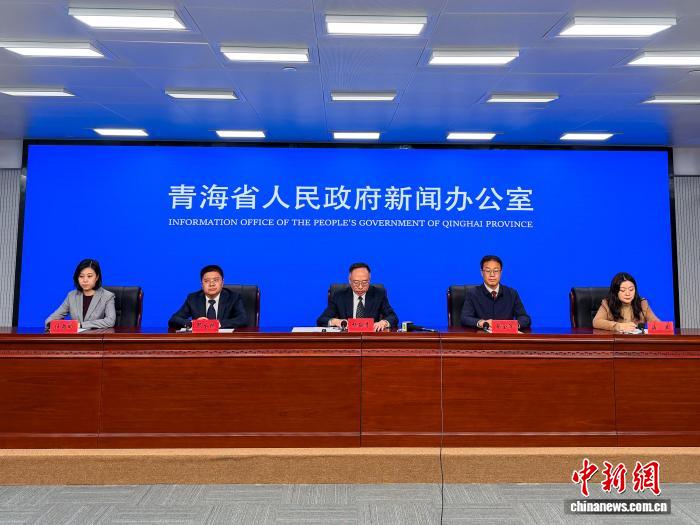
兴产业“开山门” 湖南湘西州走出特色富民路
Zhong Guo Xin Wen Wang· 2025-11-04 05:19
Core Insights - Hunan Xiangxi Tujia and Miao Autonomous Prefecture has achieved significant economic growth, with GDP increasing from 72.51 billion to 85.59 billion from 2020 to 2024, alongside rising urban and rural resident incomes [1][2] Economic Development - The region has established an industrial path focusing on ecological cultural tourism, new industrialization, and characteristic agriculture, with tourism becoming the main driver of development [2] - Tourist numbers rose from 42.06 million to 62.04 million, and total tourism revenue increased from 38.88 billion to 69.13 billion, with annual growth rates of 10.2% and 15.5% respectively [2] - Key manufacturing sectors maintained double-digit growth, and agricultural specialty areas exceeded 4 million acres, establishing bases for high-quality agricultural products [2] Infrastructure and Connectivity - A comprehensive transportation network has been developed, enhancing external connectivity, with over 70 high-speed train services and significant growth in air travel [4] - The region's foreign trade and investment have seen substantial growth, with an average annual increase of over 15% in investment funds and leading export growth rates in Hunan [4] Social Development and Welfare - The region has leveraged its unique ethnic and historical advantages to build a robust industrial system, improving per capita disposable income from 27,900 to 34,300 for urban residents and from 11,200 to 14,900 for rural residents from 2020 to 2024 [5] - Significant investments in public welfare have been made, with over 72% of fiscal spending directed towards social services, and improvements in education and healthcare outcomes [5]

陕西省贸促会组织10家省政府国际高级经济顾问单位开展产业考察
Sou Hu Cai Jing· 2025-10-28 15:51
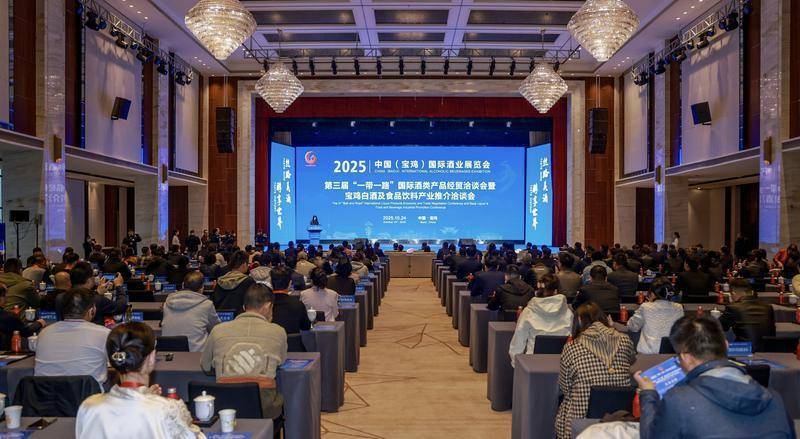
Core Insights - The event organized by the Shaanxi Provincial Council for the Promotion of International Trade aims to activate regional economic development through the third China (Baoji) International Wine Exhibition [1][3] - Representatives from ten international senior economic advisory units, including Fosun Group and JD Group, participated in industry inspections and exchanges in Baoji [1][3] Group 1 - The advisory unit representatives visited key locations such as the national-level Meixian Kiwi Industry Park and Qifeng Fruit Industry Co., Ltd., to assess the development of Baoji's unique agriculture, food processing, and cultural tourism integration [3] - JD Group engaged in in-depth discussions with Qifeng Fruit Industry regarding logistics network construction and financial service support, identifying potential cooperation points [3] - The representatives also attended the "Belt and Road" International Wine Products Economic and Trade Negotiation Conference, facilitating exchanges with local enterprises on raw material procurement and resource sharing [3] Group 2 - The activities provided the advisory units with a comprehensive understanding of Baoji's industrial advantages and development potential, establishing an effective platform for enhancing the key industrial chain in Shaanxi [3]

赵一德参观第32届杨凌农高会陕西特色现代农业展
Shan Xi Ri Bao· 2025-10-26 00:17
Core Insights - The 32nd Yangling Agricultural High-tech Fair focuses on "New Quality Productivity, New Future for Agriculture" and showcases the achievements of Shaanxi in developing rural characteristic industries and promoting comprehensive rural revitalization [1][2] Group 1: Agricultural Development - The fair features various agricultural products from regions like Baoji, Yan'an, Hanzhong, Ankang, and Shangluo, including specialties such as Meixian kiwifruit, Luochuan apples, and selenium-rich foods [1] - Emphasis on promoting the scale, standardization, and branding of characteristic industries to enhance the agricultural modern industry chain and value chain [1] Group 2: Agricultural Technology and Infrastructure - Focus on the application of agricultural technology and the progress of water-saving agriculture in arid regions, with a call for strengthening core agricultural technology research [1] - Importance of building and managing high-standard farmland to ensure stable production of grains and key agricultural products [1] Group 3: Rural Tourism and Handicrafts - Integration of agricultural resources, natural endowments, and cultural heritage to empower rural revitalization through deep integration of agriculture, culture, and tourism [2] - Promotion of women's participation in rural characteristic industry development through skill training and project support, highlighted by the display of traditional handicrafts [2] Group 4: Policy and Infrastructure Support - Call for the implementation of policies to enhance agricultural efficiency, rural vitality, and farmer income, while improving agricultural infrastructure and resource management [2]
凝心聚力担使命 乘势而上启新程
Liao Ning Ri Bao· 2025-10-25 01:25
Group 1 - The Fourth Plenary Session of the 20th Central Committee of the Communist Party of China outlines a blueprint for China's development over the next five years, emphasizing the importance of law-based governance as a key guarantee for modernization [1][2][3] - The session calls for a focus on high-quality development in various sectors, including the legal system, social work, and prison management, to ensure social stability and economic growth [2][3][4] - The session encourages local governments to translate the spirit of the meeting into actionable plans, such as enhancing agricultural modernization and promoting rural revitalization [4][5] Group 2 - The session highlights the need for innovation and practical efforts in industries such as automotive and water management, with specific strategies for technological advancement and resource management [6][3] - Local enterprises are urged to align their development strategies with the national goals set forth in the plenary session, focusing on project construction and economic transformation [5][6] - The emphasis on a law-based business environment aims to protect the legitimate rights and interests of various business entities, fostering a stable economic landscape [2][3]
务工不再去远方,家乡就是好地方(编辑手记)
Ren Min Ri Bao· 2025-10-24 00:50
Core Insights - The article highlights the success of the bamboo shoot industry in Fuxing Village, Mashan County, Nanning, Guangxi, which has created local job opportunities and improved the quality of life for residents [1] Industry Impact - The bamboo shoot industry has led to job creation right at residents' doorsteps, reducing the need for long-distance labor migration [1] - The establishment of industrial bases in the village has facilitated employment, demonstrating a model of rural revitalization through industry [1] Employment and Economic Growth - The article emphasizes a positive feedback loop where industry drives employment, and employment in turn supports industry growth, contributing to rural prosperity [1] - The expectation is that as more specialized industries take root in rural areas, the cycle of industry growth, stable employment, and increased wealth will continue to flourish [1]
宁夏“十四五”期间特色农业产业发展势头强劲
Zhong Guo Jing Ji Wang· 2025-10-23 05:53
Core Insights - During the "14th Five-Year Plan" period, Ningxia aims to lead rural revitalization through industrial development, integrating agriculture with secondary and tertiary industries, resulting in strong growth in specialty agriculture [1] Group 1: Economic Performance - The total output value of agriculture, forestry, animal husbandry, and fishery in Ningxia is projected to increase from 70.31 billion yuan in 2020 to 93.37 billion yuan in 2024, with an average annual growth rate of 5.9%, surpassing the national average by 0.8 percentage points [1] - By 2024, the added value of the primary industry in the region is expected to reach 45.12 billion yuan, and the per capita disposable income of rural residents is projected to be 19,015 yuan, with over 40% of farmers' income coming from specialty industries [1] Group 2: Policy and Support - Ningxia emphasizes institutional innovation and policy support, implementing a provincial leadership package and a "six ones" work mechanism, with central and regional agricultural funding reaching 12.78 billion yuan in 2024, a 16.4% increase from the end of the "13th Five-Year Plan" [1] - The region has built 8 national modern agricultural industrial parks and 22 strong industrial towns, promoting a cluster development pattern [1] Group 3: Industry Development - The region has invested 59.5 million yuan to promote the upgrading of parks and enterprises, with agricultural product processing clusters achieving an output value of 37.56 billion yuan [2] - Ningxia has cultivated 390 leading enterprises at the autonomous region level or above, including 30 national leading enterprises, with 9 entering the top 500 agricultural enterprises in China [2] Group 4: Technological and Brand Advancements - Ningxia has established platforms such as the Helan Mountain East Slope Wine Industry Technology Collaborative Innovation Center, achieving a technology implementation rate of over 95% and a comprehensive mechanization rate of 83%, exceeding the national average by 9 percentage points [2] - A total of 647 specialty agricultural brands have been cultivated, with brands like Helan Mountain East Slope Wine and Ningxia Goji Berries steadily increasing in value and entering the top 100 regional brands in the country [2] Group 5: Market Expansion - Ningxia actively expands agricultural product markets through high-end platforms such as the China-Arab Expo and the International Wine Culture and Tourism Expo, promoting more specialty agricultural products both nationally and internationally [2] - The total output value of the agricultural processing industry in the region has surpassed 100 billion yuan, with a processing conversion rate of 73%, indicating a continuous acceleration in high-quality agricultural development [2]
锚定“科技赋能”主线,国家盐碱地创新中心引领产业全链突破
Qi Lu Wan Bao Wang· 2025-10-23 02:57
Core Viewpoint - The conference focused on "technology empowering the unique agriculture of saline-alkali land," signaling the commitment to cover the full-chain technology service functions that traditional research institutions and universities struggle to address [1] Group 1: Conference Insights - The director of the National Saline-Alkali Land Comprehensive Utilization Technology Innovation Center, Mei Xurong, emphasized the unique positioning of the national platform in the development of saline-alkali land [1] - The attendance and recognition from leaders of the Ministry of Agriculture and provincial authorities provided direction and confidence for the center's future work [1] - The active participation from attendees across the country confirmed the center's role as a "national strategic scientific force" under the new national system, aiming to create a demonstration model in Dongying and promote nationwide collaborative innovation [1] Group 2: Future Work Focus - Mei Xurong outlined three main focus areas for future work: biological breeding, capacity enhancement, and high-value utilization [1] - The center's key role is to act as a "bridge," connecting basic research results from universities and research institutes with the practical application needs of enterprises, effectively addressing the "last mile" from research to industry [1] - The center plans to focus on the unique agricultural products from saline-alkali land, targeting high-end consumer groups, especially the elderly, by integrating the "food and medicine sharing" concept with the characteristics of these products [1] Group 3: Strategic Vision - The goal is to transform saline-alkali land from a "barren land" into a "value blue ocean" for high-quality agricultural development through continuous improvement of the technology service system [1] - The center aims to enhance the competitive edge of functional agricultural products by achieving an upgrade from "having products" to "having brands and added value" [1]