
智能手机

Search documents
豆包AI手机劲敌是小米?高盛:AI「系统级集成」面临挑战,这更验证了小米的长期竞争力
Hua Er Jie Jian Wen· 2025-12-05 01:40
Core Viewpoint - Goldman Sachs believes that while the Doubao AI phone is "popular," it faces significant challenges in system permissions, data acquisition, and application connectivity, highlighting the structural advantages of smartphone giants like Xiaomi [1][3]. Group 1: Doubao AI Phone and Market Context - Doubao AI phone assistant, launched by ByteDance on December 1, aims to integrate a large language model (LLM) into mobile operating systems for enhanced user interaction [2]. - The Doubao model has become popular among several smartphone OEMs, with daily token generation reaching 1.3 trillion in May, accounting for 8% of total token consumption [2]. Group 2: Challenges for Third-Party AI Agents - Third-party AI agents face three core challenges for large-scale application: 1. System-level operational permissions are required to read screen content, simulate user behavior, and access system services, which current smartphone OEMs are unlikely to fully open [3]. 2. System-level memory capabilities are crucial for training and optimizing AI agents, which third-party AI lacks compared to OEMs that can access comprehensive user data [3]. 3. Cross-application interface connectivity depends on the openness of third-party internet application interfaces, which may be restricted by companies aiming to build closed ecosystems [3]. Group 3: Market Structure and Competitive Barriers - The Chinese smartphone market is highly consolidated, with the top six manufacturers (vivo, OPPO, Honor, Apple, Xiaomi, Huawei) accounting for over 90% of shipment volume, making it difficult for new entrants to disrupt the market [5][6]. - In contrast, the Chinese New Energy Vehicle (NEV) market is more fragmented, allowing space for new players with software differentiation [5]. Group 4: Xiaomi's Competitive Advantages - Xiaomi is advancing its "people x vehicle x home" ecosystem strategy, with AI as a core component, and is expected to spend over 7 billion RMB on AI R&D by 2025, representing 22% of its total R&D expenses [7]. - Xiaomi's AI assistant, "Super XiaoAI," has achieved significant penetration, with a 71% usage rate among Xiaomi smartphone users as of September 2025 [7][11]. - "Super XiaoAI" has integrated deep functionalities across various core scenarios, including social media, e-commerce, and productivity services, enhancing its competitive position [8][9][10].

新东方员工发长文控诉加班遭秒删,公司回应;知名车评人陈震多平台账号被禁言;乐视网回应“负债238亿拟花1.8亿炒股”丨邦早报
创业邦· 2025-12-05 00:16
Group 1 - New Oriental employees expressed dissatisfaction over excessive overtime and unclear job expectations, leading to internal backlash and account suspensions [4] - Doubao phone sold out quickly, with only 30,000 units produced, and no plans for additional production, indicating a fixed short-term market supply [5][6] - LeEco clarified that its plan to invest 1.8 billion yuan in stocks is primarily for low-risk investments, with 1.5 billion yuan allocated for government bonds and new stock purchases [6][7] Group 2 - ByteDance denied rumors of a management overhaul for its 3-1 employee level, stating that the claims about increased thresholds and personnel evaluations are false [7] - Chen Zhen, a popular influencer, faced bans across multiple platforms due to controversial comments, highlighting the risks of public statements in the digital age [9] - Eight major platforms, including JD and Meituan, signed a commitment to regulate AI technology use in e-commerce, aiming to protect consumer rights [9] Group 3 - The global billionaire count reached a record high of approximately 2,900, with a total wealth of 15.8 trillion USD, driven by rising tech valuations [24] - In November, the U.S. saw a 23.5% year-on-year increase in announced layoffs, totaling 71,321, indicating ongoing labor market challenges [24] - Global smartphone production increased by 9% quarter-on-quarter to 328 million units in Q3 2025, with expectations for continued demand despite supply chain constraints [25]

小K播早报|国产GPU两大龙头一申购一上市 豆包手机二代产品或2026年底出货
Xin Lang Cai Jing· 2025-12-05 00:12
《科创板日报》12月5日讯 今日科创板早报主要内容有:商务部:中国政府依法依规开展稀土相关物项 出口管制;中国贸促会会长任鸿斌率团出席美国半导体行业协会;巴西:TikTok将在巴投建其在拉美地 区首座数据中心。 《科创板日报》主播小K为您播报。 市场动态 商务部:中国政府依法依规开展稀土相关物项出口管制 今天下午,商务部召开例行新闻发布会,新闻发言人就开展稀土相关物项出口管制进行了回应。商务部 新闻发言人何亚东:中国政府依法依规开展稀土相关物项的出口管制工作,据我所知,只要是用于民用 用途的,合规的出口申请,中国政府都及时予以了批准。同时,中国政府积极适用通用许可等便利化措 施,促进两用物项合规贸易,切实维护全球产供链的安全稳定。 中国贸促会会长任鸿斌率团出席美国半导体行业协会及会员企业座谈会 据中国贸易报,12月3日,中国贸促会会长任鸿斌率中国企业家代表团出席美国半导体行业协会及会员 企业座谈会,与美国半导体行业协会总裁兼首席执行官诺伊弗就推动中美半导体领域合作、深化多边领 域合作、维护全球产业链供应链稳定畅通等议题深入交流。美国半导体行业协会全球政策副总裁桑顿, 以及高通公司、格芯公司、安森美半导体公司、 ...



8点1氪:塔斯汀90天闭店907家;新东方员工发长文控诉加班遭秒删;乐视网回应“负债238亿拟花1.8亿炒股”
36氪· 2025-12-05 00:12
Group 1 - Tasting opened 968 new stores and closed 907 stores in the past 90 days, resulting in approximately 10,296 operating stores currently [2][3] - The brand has rapidly expanded in lower-tier markets and is now entering first-tier cities, achieving the status of a "10,000-store brand" in the second half of this year [5] Group 2 - New Oriental employees expressed grievances about excessive overtime and unrealistic performance targets, highlighting a "996" work culture [6][7] - The company has acknowledged the issue and stated that it will follow up on the matter through its internal reporting mechanisms [6] Group 3 - Micron Technology announced its exit from the retail storage business to focus on advanced storage chips for the AI era [23] - Palantir Technologies launched an operating system for AI infrastructure in the U.S., partnering with companies like NVIDIA [23]

8点1氪丨塔斯汀90天闭店907家;新东方员工发长文控诉加班遭秒删;乐视网回应“负债238亿拟花1.8亿炒股”
3 6 Ke· 2025-12-05 00:11
Group 1 - The core point of the news highlights the significant developments in various companies and industries, including the challenges faced by New Oriental and the financial strategies of LeEco [1][2][3][4][5][6][7][8][9][10][11][12][13][14][15][16][17][18][19][20][21][22][23][24]. Group 2 - New Oriental employees expressed grievances about excessive working hours, claiming a "996 single rest" routine, which contradicts their labor contracts [1][2]. - LeEco announced plans to invest 1.8 billion yuan in stock purchases despite having a debt of 238 billion yuan, clarifying that the investment aims to enhance capital operation returns [3][4]. - Xiaomi's president, Lu Weibing, reported that the company's advancements in AI models and applications have exceeded expectations [5]. - The Hong Kong government is providing financial relief to residents affected by a recent fire, including tax reductions and fee waivers [6]. - The new national standard for food delivery platforms aims to address issues like "ghost deliveries" and enhance merchant management [7]. - ByteDance refuted rumors regarding management changes and clarified that there are no new policies regarding employee management [15]. - Apple is set to open its sixth retail store in Beijing, emphasizing sustainable design practices [8]. - Meta has hired a top design executive from Apple, indicating its commitment to advancing in AI consumer devices [9].
豆包不造手机,“华米OV”也不会交出“灵魂”
阿尔法工场研究院· 2025-12-05 00:07
Core Viewpoint - The launch of the "Doubao Phone Assistant" by ByteDance marks the beginning of a transformative era in the consumer electronics industry driven by AI capabilities, significantly impacting the market and technology landscape [3][4]. Product Overview - The "Doubao Phone Assistant" is built on the Doubao app and collaborates with smartphone manufacturers at the operating system level, offering enhanced user interaction and experience through advanced AI capabilities [5]. - The first device featuring this technology, the Nubia M153, is priced starting at 3499 yuan and is positioned as a limited release for developers and tech enthusiasts, with an initial stock of 500,000 units [11][14]. User Interaction Redefined - The Doubao Phone Assistant redefines human-computer interaction by enabling complex task execution across applications autonomously, moving beyond traditional passive AI assistants [5][9]. - It features a unique Pro mode that utilizes personalized memory to generate solutions based on user preferences, evolving from mere command execution to proactive need anticipation [7]. Market Dynamics - The introduction of the Doubao Phone Assistant shifts the user interface paradigm from a matrix of apps to a centralized AI-driven service hub, enhancing operational efficiency [9][10]. - This innovation blurs the lines between an assistant and an operating system, positioning the Doubao Assistant as a potential core component in the AI-driven future of mobile technology [10][25]. Industry Implications - The collaboration between Doubao and Nubia represents a new model of cooperation between AI algorithm developers and hardware manufacturers, potentially accelerating the development of AI smartphones [20]. - The entry of Doubao into the AI smartphone market challenges existing players like Apple and Google, who are also integrating AI capabilities into their operating systems to maintain their market dominance [21][26]. Competitive Landscape - The Doubao Phone Assistant's launch allows smaller manufacturers like Nubia to leverage AI technology for competitive advantage, while larger firms may need to enhance their own AI capabilities to avoid becoming mere hardware providers [22]. - The evolving landscape suggests that traditional operating system providers will need to adapt by embedding AI functionalities deeply into their systems to counter the rise of third-party AI assistants like Doubao [26].
AI手机,这“闭门羹”有营养
Bei Jing Shang Bao· 2025-12-04 16:13
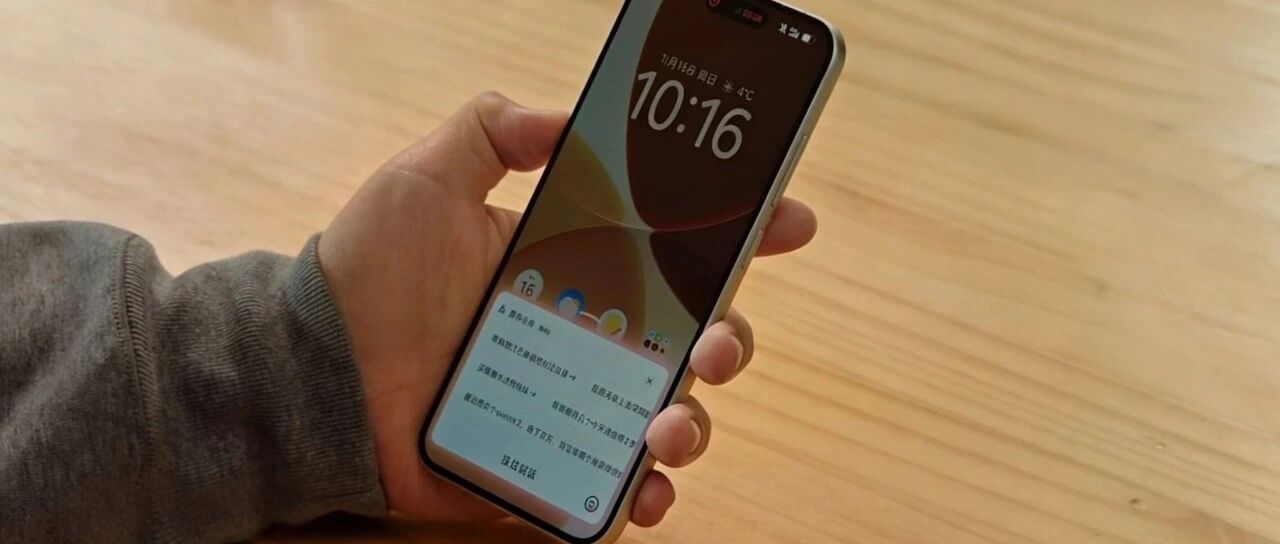
Core Viewpoint - The integration of AI assistants into hardware is gaining attention, but it faces challenges related to security and commercial interests, highlighted by the rejection of the Doubao AI phone by major apps like WeChat [1][2]. Group 1: Technology and Security - The deep integration of AI capabilities raises concerns about user permissions and data security, as AI systems may operate across applications, blurring the lines of user consent and AI autonomy [2]. - The potential for security risks, such as data misuse, exists, but these can be addressed through technological upgrades [2][3]. - The core conflict lies between the demand for convenience through AI and the necessity of maintaining security and commercial interests [1][2]. Group 2: Commercial Interests and Ecosystem - The rejection of the Doubao AI phone by WeChat reflects a broader concern over new interaction models that are not under the control of existing applications, indicating a complex commercial landscape [2]. - Various stakeholders, including hardware manufacturers, system developers, and AI service providers, are vying to establish themselves as the rule-makers in this evolving ecosystem [2]. - The ongoing debate emphasizes the need for clear boundaries regarding permissions, transparent data ethics, and a healthy commercial ecosystem to ensure the responsible advancement of AI technology [3]. Group 3: Future Directions - The current discussions and controversies are occurring during the testing phase of the engineering model, allowing for a space for consumer imagination and cautious exploration [3]. - Establishing open and secure collaborative interfaces is essential for balancing AI productivity with user rights and ecological rules [3]. - The evolution of AI must be accompanied by proactive dialogue and practical construction to achieve a dynamic balance amid multiple commercial interests [3].
中国地震预警网手机用户突破2000万
Bei Jing Ri Bao Ke Hu Duan· 2025-12-04 14:03
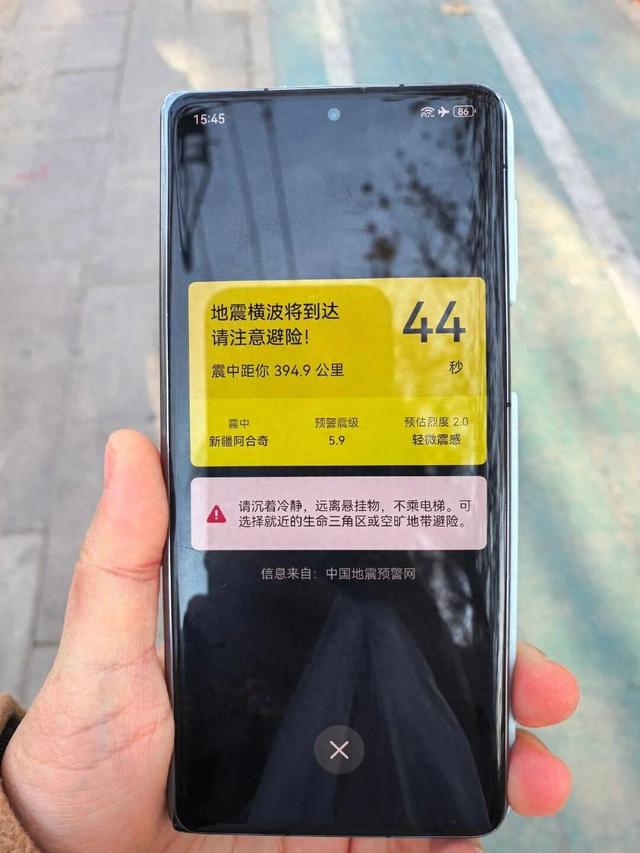
Group 1 - The core viewpoint of the article emphasizes the enhancement of public disaster prevention capabilities through the integration of earthquake early warning services into smartphones, with over 20 million users connected to the China Earthquake Early Warning Network [1][2]. - The collaboration with smartphone manufacturers like Xiaomi and Huawei has led to the successful integration of earthquake warning systems into their devices, providing a direct and convenient public service channel [1][2]. - The establishment of a national third-party regulatory platform in partnership with Tencent has unified the access and management of early warning technology systems, automating the reporting of key service data related to earthquake warnings [1][2]. Group 2 - The recent 6.0 magnitude earthquake in Xinjiang demonstrated the effectiveness of the earthquake early warning system, with significant numbers of users receiving alerts through various channels, including 31,102 from Xiaomi and 39,007 from Huawei [3]. - This event marked the first practical test of the fully automated public warning service, showcasing the high level of service automation achieved [3].

豆包手机被曝搭载锤子 SmartisanOS,二手价逼近8000元!罗永浩点赞字节:技术革命谁也挡不住
AI前线· 2025-12-04 12:24
Core Viewpoint - The article discusses the launch and subsequent issues surrounding the Doubao mobile assistant, highlighting its connection to Smartisan Technology and the implications for ByteDance's hardware ambitions [2][7]. Group 1: Product Launch and Features - Doubao mobile assistant was quickly sold out due to its ability to simulate human operations [2]. - The system software of Doubao mobile revealed remnants of Smartisan, indicating a link to the legacy of Smartisan Technology [3][4]. - The official price of the Doubao mobile is set at 3499 yuan, with second-hand listings reaching nearly 8000 yuan, indicating significant market demand [7]. Group 2: User Concerns and Privacy Issues - Users reported issues with WeChat being forcibly logged out when using the Doubao mobile assistant, raising concerns about account security [8][9]. - Allegations surfaced regarding potential privacy violations, with claims that the assistant had high-risk permissions that could compromise user data [10]. - The Doubao mobile assistant's team clarified that it requires user consent to access permissions and does not store any user screen content on the cloud, ensuring user privacy [12][11]. Group 3: Industry Context and Reactions - The article notes that ByteDance acquired certain patents from Smartisan Technology in 2019, which has influenced the development of the Doubao mobile assistant [7]. - The launch of the Doubao mobile assistant is seen as a significant step for ByteDance in the hardware sector, with industry experts acknowledging the challenges and innovations it presents [12]. - The assistant is currently positioned as a "technical preview version," aimed at industry and AI enthusiasts rather than the general consumer market [12].

2025双11手机销量增3%:苹果强势领跑,华为小米承压
Xin Lang Cai Jing· 2025-12-04 11:25
Core Insights - The overall sales volume of the Chinese smartphone market during the core sales phase of Double 11 in 2025 achieved a 3% year-on-year growth, primarily driven by the strong market performance of Apple's new models [2][3] - Apple's new generation base model saw significant upgrades in storage, optical systems, and sensors while maintaining the same pricing strategy as previous models, resulting in more than double year-on-year sales growth [2][3] - The Pro and Pro Max models also experienced mid to high double-digit sales growth during the promotional period, further stimulated by a limited-time discount of 300 RMB [2][3] Market Trends - Excluding the impact of Apple, the overall market sales volume declined by 5% year-on-year, indicating a trend of more rational purchasing decisions among consumers in the current economic environment [2][3] - The demand in the fourth quarter started relatively slowly, with some users having completed their device upgrades earlier in the year through various consumption incentive policies, leading to weakened purchasing demand during the holiday period [2][3] - Most mainstream brands focused their resources on promoting high-end new products, which, while raising the overall average selling price, constrained sales growth [2][3] Company-Specific Performance - Huawei experienced a noticeable shrinkage in market share during this promotional cycle, becoming one of the brands with the most significant decline [4] - The launch of Huawei's flagship Mate 80 series was two weeks later than the Double 11 event, missing a critical sales window, and despite being designed to compete in the high-end market, it failed to provide effective supply during the peak promotional period [4] - Xiaomi's sales decreased by 11% year-on-year, primarily due to the earlier release schedule of its new flagship model, which shifted the sales peak forward by about a month, resulting in a lack of new product momentum during Double 11 [4]