茶饮

Search documents
帮茶饮店打烊,一门新生意?
Hu Xiu· 2025-08-20 07:04
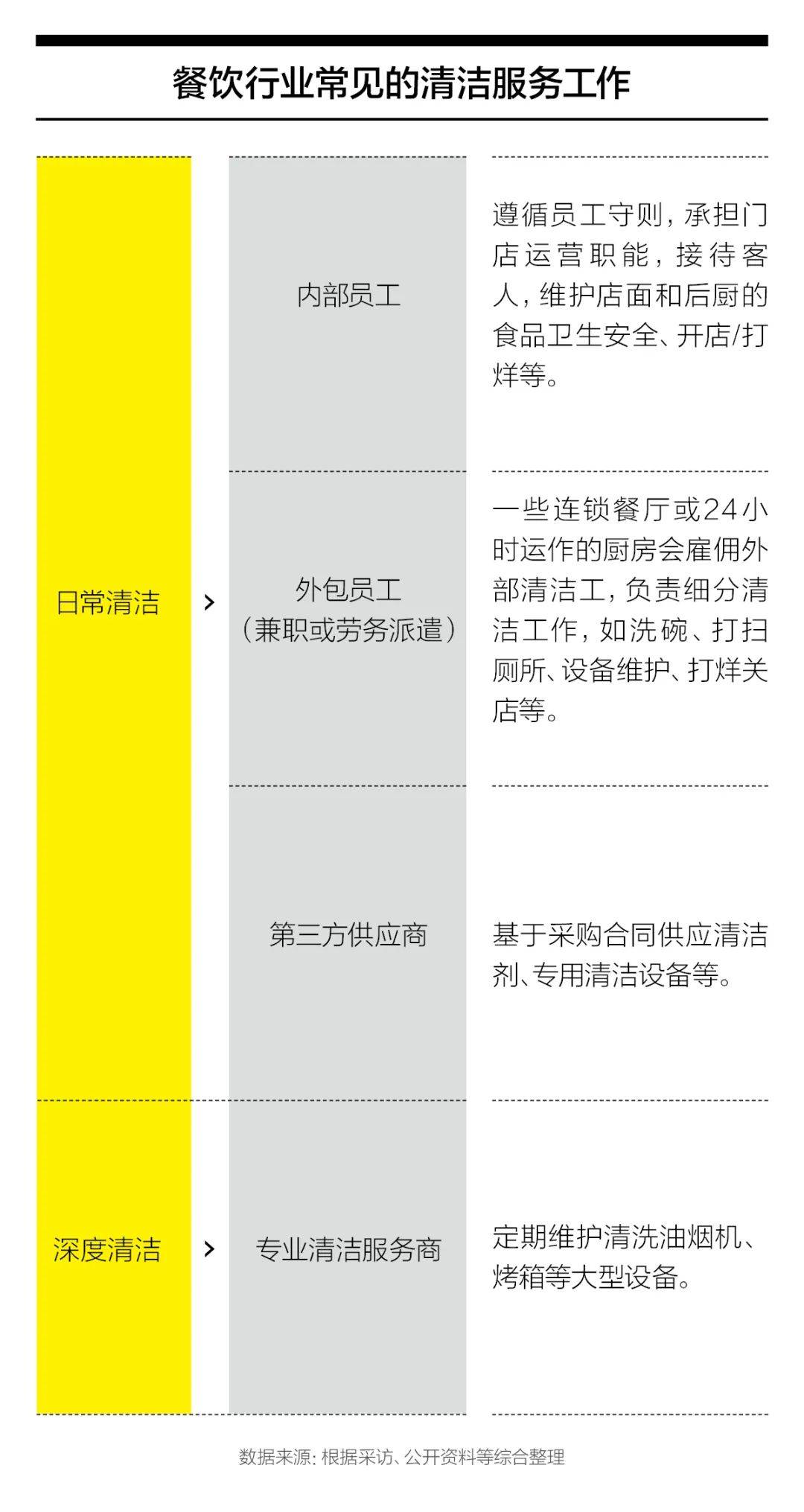
茶饮店结束营业之后需要多久才能真正"关店"?答案是:大约两小时。 有人在想怎么解决这个"两小时"的事情。晚上 10 点,上海七宝宝龙城霸王茶姬门店的员工下班了。外部服务商会派人上门帮工打烊,第二天,早班员工 只需要拍照验收服务。 这个项目在霸王茶姬内部被称为"夜洁计划","夜洁"即"夜间清洁",截至 2025 年 7 月,霸王茶姬在中国已有 1350 家门店采纳夜洁,约占全国门店的 1/5。上海七宝宝龙城门店已参与该项目近 4 个月。 放眼整个餐饮和茶饮行业,员工按时下班,每天让外包清洁工打烊,还是个颇为罕见的做法。大多数品牌认为"开早"和"打烊"的早晚班清洁整理工作是门 店员工分内事。打烊的确是个烫手山芋。 假设一家现制茶饮店铺开在商场里,每当商场关门以后,好几名店员需要花上两个小时,为翌日开张做准备——烧壶热水,配制清洁液,清洗各类制茶工 具和机器设备,倒垃圾,给物料称重,检查食品有没有过期,整理桌椅……等到一切就绪,通常已是凌晨,商场已经关闭,员工们只能走员工通道离开。 谷帆在肯德基工作了 12 年,2023 年年初他加入霸王茶姬营运中心,负责培训门店伙伴。从 2023 年下旬开始,谷帆和团队着手引入外 ...

从奶茶杯回收到再生T恤,美团青山计划让环保扎根消费场景
Sou Hu Cai Jing· 2025-08-19 15:30
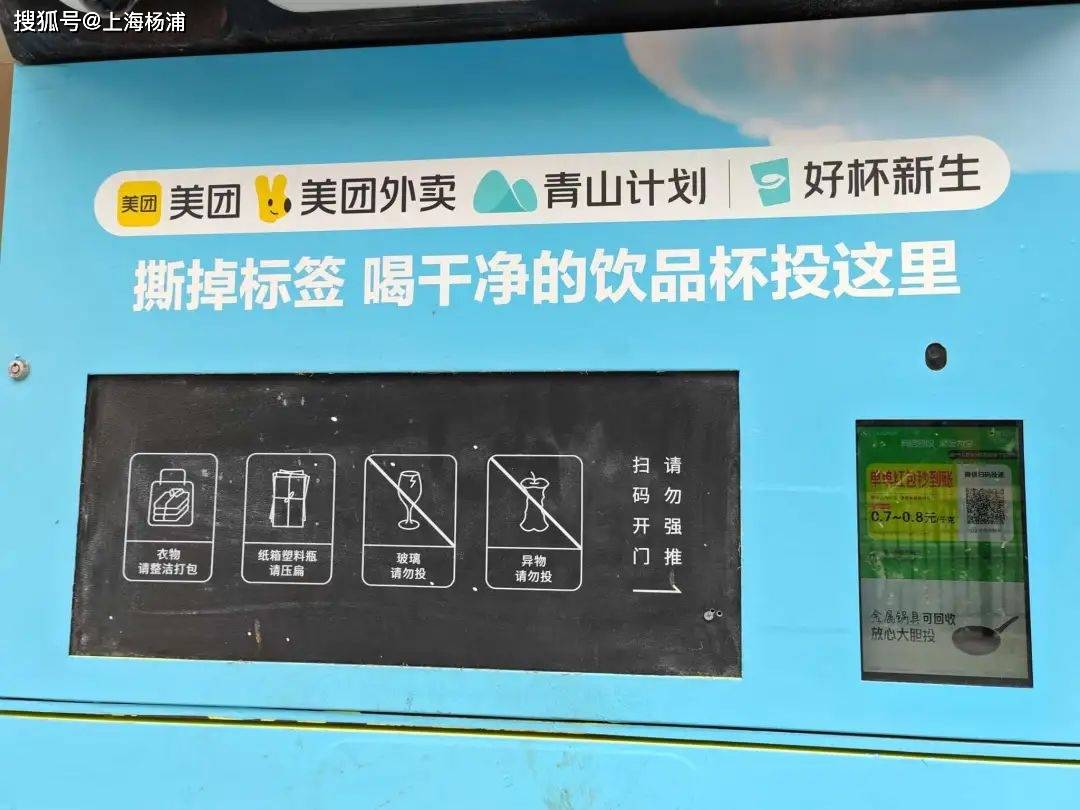
近日,美团青山计划发布八周年进展。截至 2025 年7月底,超过260万商家拥有"商家青山档案",累计有超过5.2亿美团外卖用户使用过 "无需餐具" 功 能,产生超100亿次相关订单。同时,美团青山计划在全国20个省份的 24个城市落地规模化垃圾分类及餐盒回收项目,累计回收塑料餐盒超3.7万吨。 美团核心本地商业CEO王莆中表示,未来将更深度结合用户消费场景,把平台连接力变成生态守护力,打造一个"人人可参与、人人愿参与"的绿色低碳消 费生态;同时以"科技支撑+公益驱动"的双重力量,与生态伙伴们共同探索可持续的发展路径,共筑绿水青山。 在复旦大学的宿舍区,两台奶茶杯回收机让环保融入日常。学生扫描二维码、投入撕掉标签的空杯后,机器即刻称重并通过"爱回收"账户返还奖励。罗同 学对此感触颇深:"教室与宿舍来往的路上就能随手完成回收,环保变得简单又方便。"除奶茶杯外,回收点还接收衣物、纸箱、塑料瓶等物品。这些悄然 改变垃圾处理习惯的回收点,正让环保意识在消费场景中扎根生长。 这一便捷的回收网络源自美团联合喜茶、古茗等15家头部茶饮品牌发起的"立秋公益奶茶行动"。行动不仅推广易回收再生、少印刷的环保杯,更借助"爱 回收" ...

霸王茶姬上涨2.16%,报23.641美元/股,总市值43.39亿美元
Jin Rong Jie· 2025-08-19 13:49
本文源自:金融界 作者:行情君 资料显示,茶姬控股有限公司是一家在开曼群岛注册成立的境外控股母公司,主要通过其境内实体子公 司北京茶姬餐饮管理有限公司运营。其子公司运营的CHAGEE霸王茶姬是一家领先的优质茶饮品牌,提 供健康美味的新鲜茶饮。 8月19日,霸王茶姬(CHA)开盘上涨2.16%,截至21:33,报23.641美元/股,成交190.87万美元,总市值 43.39亿美元。 财务数据显示,截至2025年03月31日,霸王茶姬收入总额33.93亿人民币,同比增长35.35%;归母净利 润6.79亿人民币,同比增长14.24%。 ...
黄帝茶铺拟赴美上市 迈向全球化品牌发展——将天然草本茶的健康之道带向世界
Sou Hu Wang· 2025-08-19 09:15
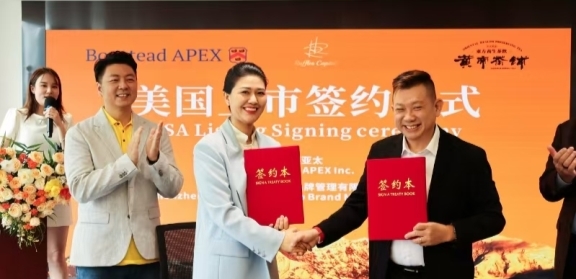
Group 1 - Huangdi Tea Shop officially announces plans for an initial public offering (IPO) in the United States, marking a significant step towards global brand expansion and entry into the U.S. market [1] - The IPO aims to provide solid capital support for Huangdi Tea Shop's global growth strategy, focusing on expanding into North America, Europe, and the Asia-Pacific region, enhancing production and operational capabilities, and launching innovative tea products that blend traditional Chinese tea-making techniques with modern consumer trends [3] - Boustead APEX Inc. will serve as the strategic advisor, while Boustead and Company will act as the lead underwriter, with Raffles Capital US participating as a cornerstone investor [1][3] Group 2 - The CEO of Boustead APEX Inc. emphasizes the mission to provide strategic and compliance guidance for Huangdi Tea Shop's successful listing and global expansion [5] - Huangdi Tea Shop's CEO describes the IPO as a significant milestone in the company's development, aiming to establish the brand as a global high-end tea label [5] - Raffles Capital's founder expresses honor in being a cornerstone investor, highlighting Huangdi Tea Shop's strong brand heritage and commitment to quality as unique advantages for attracting global investors [5] Group 3 - Huangdi Tea Shop is a tea beverage company based in China, producing and selling various health teas derived from high-quality medicinal ingredients, combining traditional craftsmanship with modern operational concepts [6] - Boustead APEX Inc. provides advisory services for Asian companies entering the U.S. capital markets, including IPO planning and corporate financing [6] - Boustead and Company is a U.S.-registered securities broker offering investment banking services, including public offerings and private financing [6] - Raffles Capital invests in emerging companies with global market potential, supporting sustainable growth and value enhancement [6]
茶百道官宣北美首店落地纽约,正式进入美国市场
Xin Lang Cai Jing· 2025-08-19 05:41
Core Insights - Tea Baidao announced the opening of its first store in North America, located in Flushing, Queens, New York, which is the largest Chinese community in the U.S. [1] - The overseas CEO of Tea Baidao, Wang Huan, expressed the company's goal to allow global consumers to experience fresh, made-to-order tea products and showcase the potential of Chinese tea beverages [1] - The company's "one location, one strategy" approach has shown initial success in overseas markets, with plans for continued expansion to create a dual growth model of "domestic + overseas" [1] Company Expansion - The first store in Singapore opened in July, with a strong sales performance and an average customer wait time exceeding 2 hours [1] - The first store in France was established in May, located in the 13th district of Paris [1] - The strategic focus on international markets is expected to enhance the company's growth trajectory [1]
坚决“反内卷” 警惕超低价
Sou Hu Cai Jing· 2025-08-19 01:19
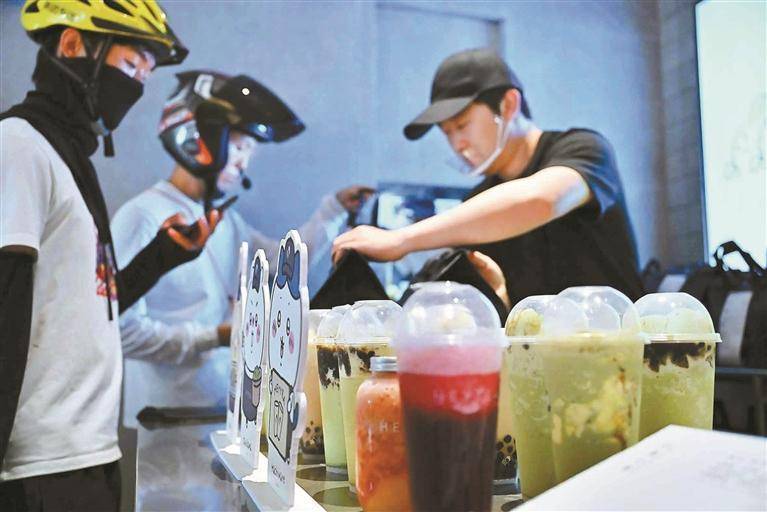
【深圳商报讯】(驻穗记者 姚嘉莉 通讯员 粤消宣)为帮助广大消费者认清套路、规避风险,从消费端抵 制"内卷式"竞争,广东省市场监管局、广东省消委会8月18日联合发出"反内卷"消费提示。 近期,外卖平台和商家推出了折扣、补贴、新品和联名等活动,导致多家茶饮店出现"爆单"现象。 (中新社 发) 虚假宣传套路真"坑人" 。一些经营者通过虚标原价、低价引流等"内卷式"营销制造优惠假象,如宣称"原价 599元,现价99元",实则原价从未实际成交;部分促销活动宣称"全场5折",却暗中抬高部分商品基础价格, 或限制低价商品库存,引导消费者购买高价替代品。省消委会建议,消费者在购物时通过多渠道比对价格, 查看商品历史成交价,对"限时特惠""限量秒杀"的宣传保持警惕,避免被虚假折扣误导。 "内卷式"竞争催生"多买更便宜"等过度消费营销手段,通过捆绑折扣、满减机制刺激非必要消费,诱导消费 者为追求摊薄单价而超量购买不需要的商品。因此,消费者在购物前明确真实需求,应践行理性消费,按需 购买、量力而行,让消费回归满足需求的本质。 部分平台或企业在"内卷式"竞争中以领取"无门槛券包""购物立减金""红包"等名义,诱导消费者开通"先消费 ...
新加坡媒体:“新式”茶饮,先看舌象再喝茶
Huan Qiu Shi Bao· 2025-08-18 22:49
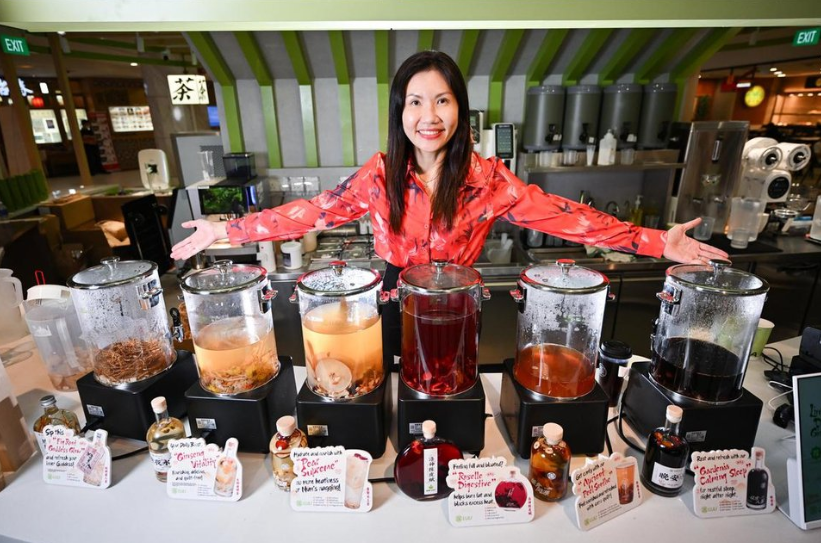
Core Insights - The new-style tea drinks are revitalizing the beverage market in Singapore, gaining popularity due to their health benefits and lifestyle attributes [1][3] - Local brands are modernizing traditional tea culture, with a rise in herbal teas, fruit teas, and tea balls over the past year [1] - New tea brands are being introduced based on traditional Chinese medicine concepts, offering healthier and functional beverages compared to sweet bubble tea [1] Market Trends - A local entrepreneur has launched 22 functional tea drinks, such as a product combining reishi mushroom and ginseng to enhance immunity and relieve fatigue, appealing to younger consumers [1] - Some stores will introduce AI smart mirrors to diagnose customers' physical conditions and recommend suitable tea drinks [1] - New tea houses are promoting tea culture and mindfulness, with offerings like high-quality oolong tea and tea-infused desserts [3] Consumer Engagement - Tea houses are providing tasting packages to cultivate appreciation for the complexity of tea flavors among both tea enthusiasts and newcomers [3] - A tea brand focuses on caffeine-free herbal and freeze-dried fruit teas, emphasizing tea's role in promoting inner peace and health [3] - Despite increasing competition, sellers view the rising visibility of tea drinks as a positive sign for the market, indicating greater influence and diversity in the tea beverage sector [3]
广东省市场监管局、广东省消委会发布消费提示—— 坚决“反内卷” 警惕超低价
Shen Zhen Shang Bao· 2025-08-18 16:49
Core Viewpoint - The Guangdong Provincial Market Supervision Administration and the Guangdong Consumer Council issued a "anti-involution" consumption alert to help consumers recognize traps and avoid risks associated with irrational competition in the market [1][2][3] Group 1: Involution Competition and Consumer Risks - Involution competition, characterized by irrational price wars, false subsidies, and excessive promotions, is prevalent in various consumer sectors, particularly in the tea beverage market [1][2] - Low-price temptations often lead to low-quality products, as businesses may cut costs to compete, resulting in diminished product quality and service, which can complicate consumer rights protection [1][2] - Consumers are advised to prioritize product quality and merchant qualifications over low prices, emphasizing that "reasonable prices and reliable quality" should be the core of consumption [1][2] Group 2: False Advertising and Consumer Behavior - Some businesses engage in misleading marketing tactics, such as falsely marking original prices or creating a false sense of discounts, which can mislead consumers [2] - The "buy more for less" marketing strategy encourages excessive consumption, prompting consumers to purchase unnecessary items in pursuit of lower unit prices [2] - Consumers are encouraged to clarify their actual needs before shopping and to practice rational consumption by buying only what they need [2] Group 3: Consumer Rights and Market Competition - Regulatory authorities warn that irrational subsidies and price wars by leading platforms may harm the competitive market ecosystem, potentially limiting consumer choices and increasing the risk of rights violations [3] - Consumers are urged to support diverse market participants and choose platforms that balance fair competition with innovative services [3] - In cases where consumer rights are infringed due to involution competition, consumers should file complaints and seek resolution through appropriate channels [3]
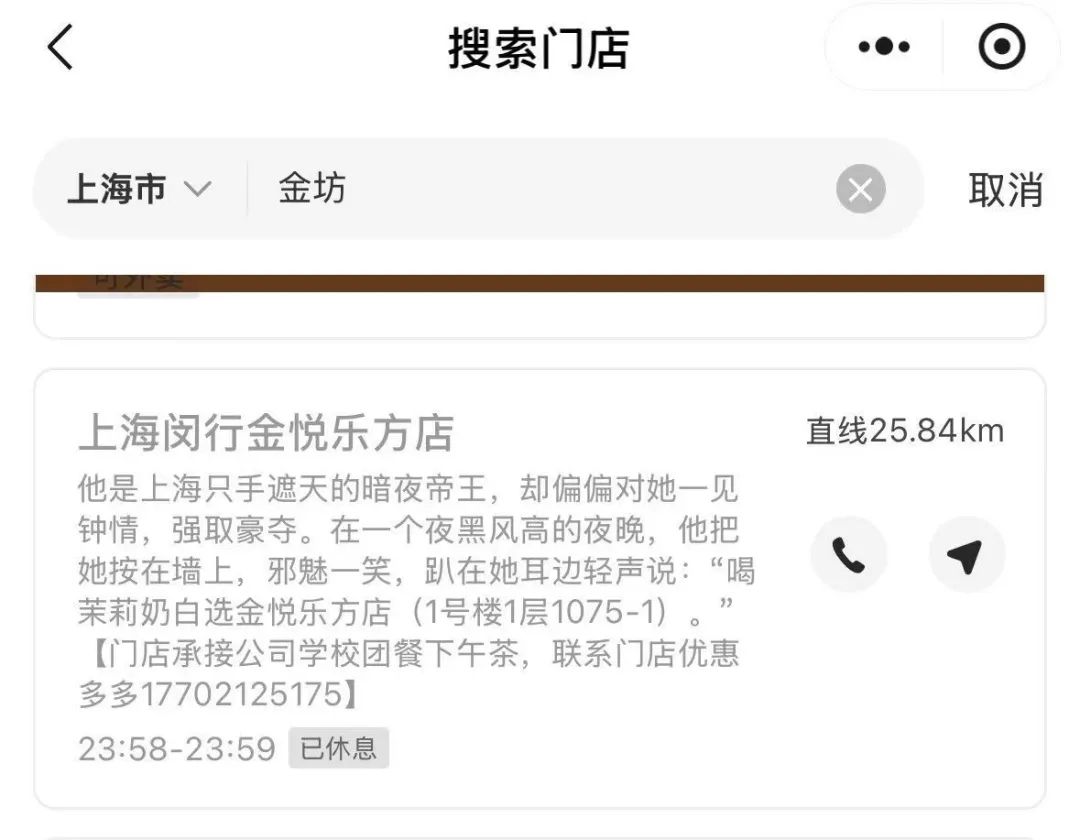
天花板砸落致17岁店员身亡 茉莉奶白回应!所在商场曾被罚款……
Guo Ji Jin Rong Bao· 2025-08-18 15:47
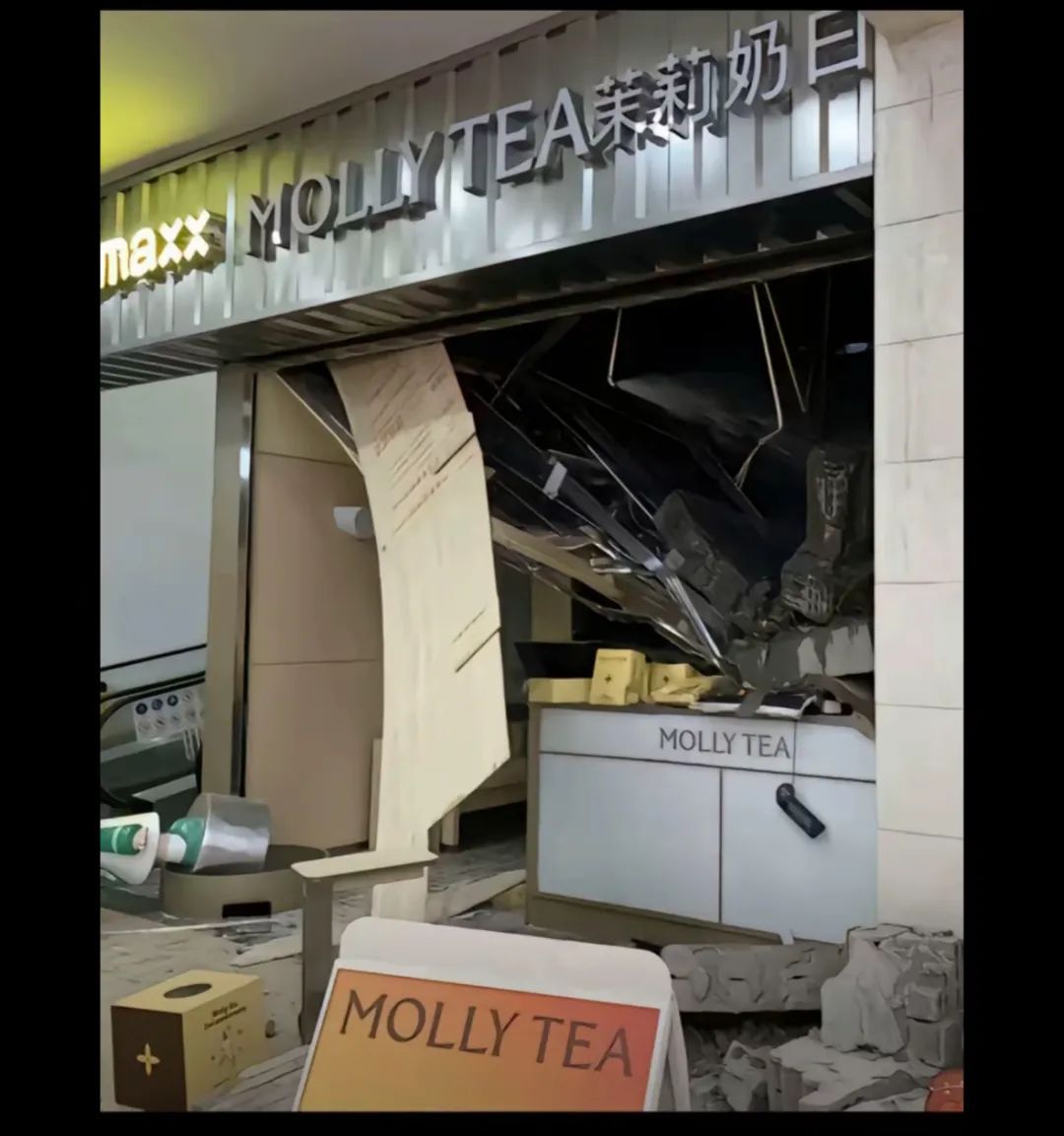
Core Viewpoint - The incident involving the collapse of a ceiling at a tea shop operated by the brand "Jasmine Milk White" resulted in the death of a 17-year-old employee, raising concerns about safety and responsibility within the company and the shopping mall where the incident occurred [1][2][4]. Company Overview - Jasmine Milk White was established in 2020 and is one of the few new tea brands that continue to expand rapidly this year [6]. - As of August 15, the company operates a total of 1,591 stores, with over 40% located in first-tier and new first-tier cities. In the first seven months of this year, nearly 670 new stores were opened, approaching the total number of openings for the entire previous year [6]. Incident Details - The accident occurred on August 15 at approximately 20:15, when the ceiling of the tea shop fell, injuring one employee who later died despite rescue efforts [1][2]. - The store was in the midst of a promotional event called "Opening Gifts" at the time of the incident [2]. - Following the incident, the store has been temporarily closed [2]. Investigation and Responsibility - The company is currently cooperating fully with the ongoing investigation into the incident [4]. - There is public scrutiny regarding the responsibilities of both Jasmine Milk White and the shopping mall "Jin Yue Le Fang," where the incident took place [6][8]. - The shopping mall has a history of safety issues, having been fined for not maintaining fire safety equipment [8]. Store Opening and Investment - The investment required to open a Jasmine Milk White store is approximately 280,000 yuan, excluding rent and renovation costs, with total costs estimated between 500,000 to 600,000 yuan [6]. - The hard decoration costs range from 2,800 to 3,800 yuan per square meter, with a minimum of 84,000 to 114,000 yuan for hard decoration alone [6]. - The average time to open a store after signing a contract is about 20 days for renovation and training [6].
天花板砸落致17岁店员身亡,茉莉奶白回应!所在商场曾被罚款……
Guo Ji Jin Rong Bao· 2025-08-18 15:32
Group 1 - The incident involving the collapse of a ceiling at a tea shop operated by the brand "茉莉奶白" resulted in the death of a 17-year-old employee, prompting an investigation into the cause of the accident [1][3] - The tea brand "茉莉奶白" was established in 2020 and is one of the few new tea brands that continue to expand rapidly this year [5] - As of August 15, "茉莉奶白" has a total of 1,591 operating stores, with over 40% located in first-tier and new first-tier cities, and has opened nearly 670 new stores in the first seven months of this year, approaching the total number of openings for the entire previous year [6] Group 2 - The company is currently cooperating fully with the investigation into the incident, and the store involved has temporarily closed [3][1] - The cost to open a "茉莉奶白" store is estimated to be between 500,000 to 600,000 yuan, with the hard decoration costs alone ranging from 84,000 to 114,000 yuan [7] - The shopping mall where the incident occurred, "金悦乐方," has a history of safety violations, including a fine for not maintaining fire safety equipment [8]