
脑机接口

Search documents
北京优化整合科研资源 推动创新发展
Yang Shi Wang· 2025-12-07 12:46
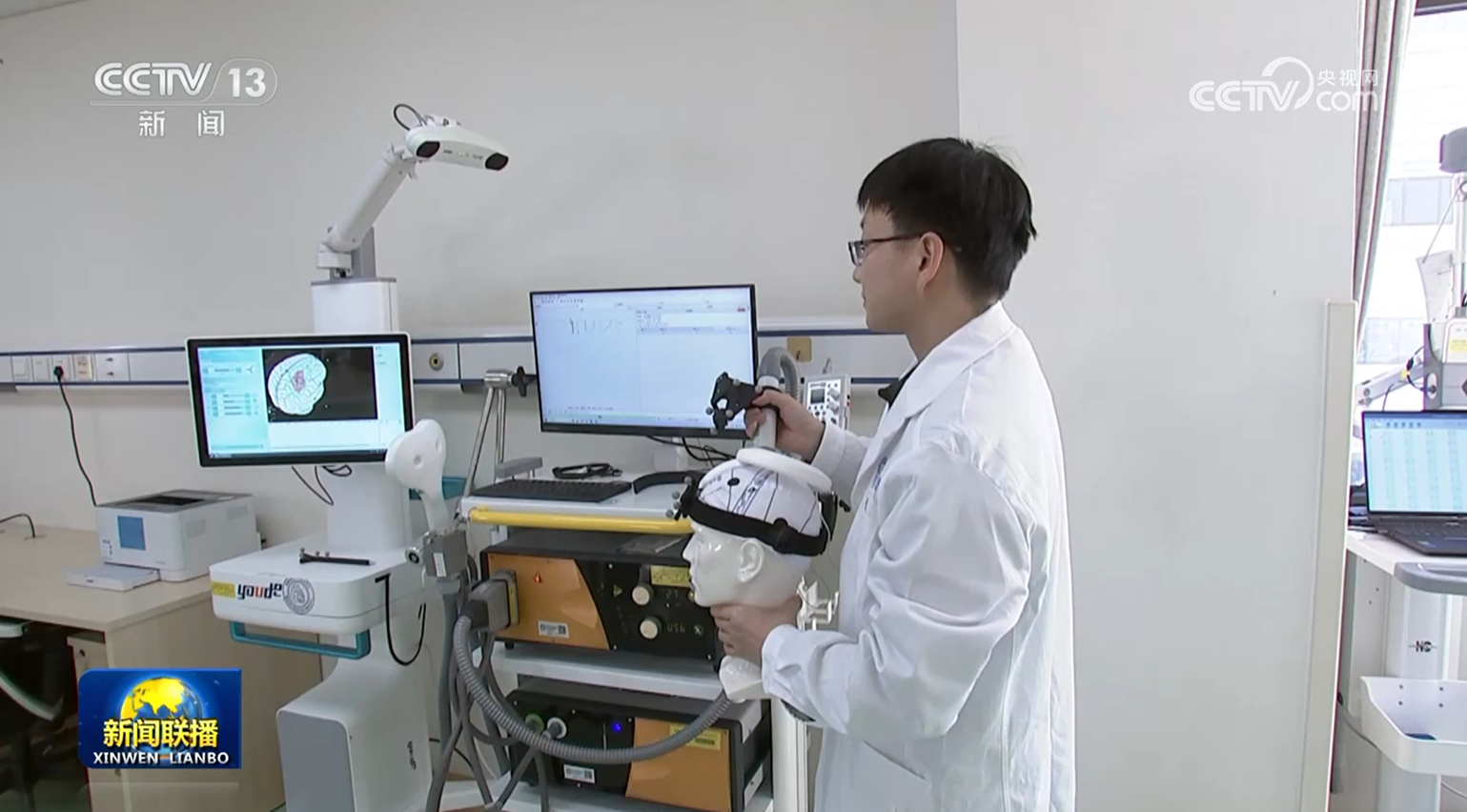
机构交叉融合,资源拧线成绳。北京市下大力气全面贯通创新链、产业链、资金链和人才链,让科学研究成为资源合理配置的一张网。在横向空间上, 北京正在进行"南北协同"布局:北部的海淀、昌平等地为原始创新的策源地,南部的大兴、经开区等地则重点承接规模化生产,形成产业闭环,创新企业在 北京即可高效完成全链条发展。 加快高水平科技自立自强,北京市还赋予国家实验室和新型研发机构人才自主认定权,在落户、住房、入学等方面提供全方位保障,并设立八只市级政 府投资基金,已带动社会投资超千亿元。 在北京生命科学研究所,一系列探索生命奥秘的实验正在进行。这家走出了多位院士和顶尖科学家的新型研发机构,目前已有32项专利和8项技术成功 转化。在政府的引导和推动下,北京的医疗机构专家、高校教授等加入科研团队,共同研发的多项成果获得国内外业界的普遍认可。随着人工智能、机器 人、脑机接口等产业的兴起,这一领域呈现出更多的合作空间。 在人工智能领域创新引领者北京智源研究院加入后,运用人工智能大模型,很快就在细胞观察、睡眠研究等方面取得了进展。 央视网消息(新闻联播):北京市全面增强自主创新能力,整合创新资源,抢占科技发展制高点,把创新优势转化为首都 ...

修复瘫痪、增强常人,脑机接口会成未来人类「外挂」吗?
36氪· 2025-12-07 09:55
Core Viewpoint - The article discusses the emerging potential of brain-computer interfaces (BCIs) in consumer healthcare over the next five to ten years, highlighting significant advancements and investments in the field, particularly in the context of medical applications and the integration of AI technologies [4][10]. Group 1: Industry Developments - In mid-2025, Neuralink, led by Elon Musk, secured $650 million in funding, reaching a valuation of $9 billion, expanding its focus from severe motor function disorders to include rehabilitation for patients with speech and vision impairments [4]. - In August, Sam Altman initiated the establishment of Merge Labs, aiming to raise $250 million from OpenAI to utilize ultrasound technology for reading and modulating brain signals [5]. - In November, Synchron raised $200 million in Series D funding, while Paradromics received FDA approval to commence human clinical trials for speech function restoration using BCIs [6]. Group 2: Chinese Market Dynamics - Chinese BCI startups, such as Borui Kang and Ladder Medical, are progressing steadily under strict medical device regulations, leveraging domestic clinical resources to advance clinical trials and product optimization [7]. - Ladder Medical's invasive BCI system completed China's first prospective clinical trial at Huashan Hospital in March, and in November, it entered the "green channel" of the National Medical Products Administration, potentially shortening the clinical validation to market access timeline [7]. Group 3: Application Scenarios - The primary application scenarios for BCIs include brain-controlled systems for decoding motor and speech intentions, neuroregulation for managing brain disorders, and sensory reconstruction for restoring lost sensory functions [11][12]. - The clinical value of BCIs in treating diseases is expected to be validated within the next three to five years, improving patients' quality of life and work capabilities [13]. Group 4: Future Prospects - The consumer healthcare attributes of BCIs are anticipated to emerge in the next five to ten years, transforming human-machine interaction and enhancing efficiency through direct brain control of intelligent devices [14]. - The goal of Ladder Medical's BCI system is to enable severely disabled patients to control external electronic devices and improve their quality of life, including daily activities and re-engagement with the digital world [15][17]. Group 5: Data and AI Integration - The accumulation of single-cell data from BCIs is crucial for advancing neuroscience understanding and enhancing product design and application scenarios [21][23]. - AI and algorithms will play a significant role in processing complex brain data, with the potential to develop a foundational model that improves the performance of future patients' decoding capabilities [24]. Group 6: Human-Machine Fusion - The integration of BCIs with AI is seen as a necessary evolution, creating a seamless connection between humans and machines, which could lead to enhanced capabilities beyond current human limits [27][29]. - The article emphasizes the importance of maintaining human control over AI systems to prevent loss of agency, advocating for a harmonious coexistence between humans and intelligent systems [29].

从“意念操控”到“视觉重建”,脑机接口有哪些最新突破?来看“中国方案”!
Yang Shi Wang· 2025-12-07 02:37
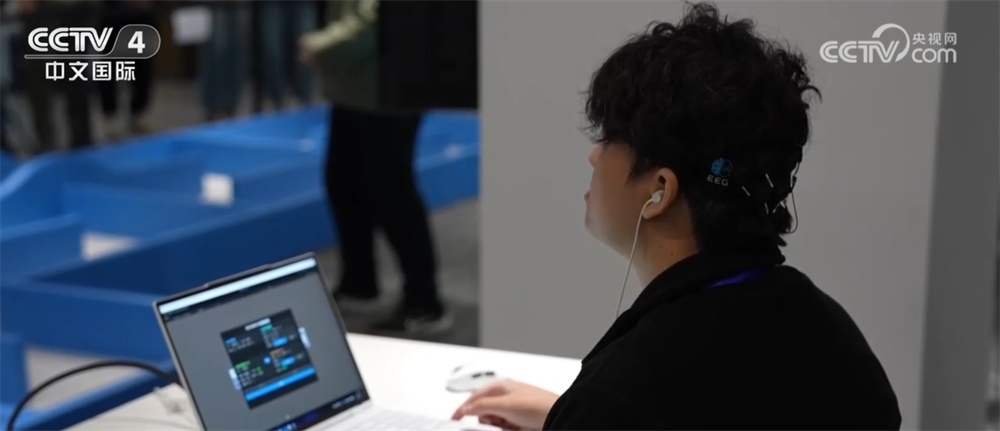
央视网消息:为期两天的2025脑机接口大会近日在上海闭幕,多项全球领先的中国方案集中亮相。从"意念操控"到"视觉重建",脑机接口 有哪些最新突破?马上跟随镜头去一探究竟。 脑控小车驶过复杂赛道,脑控机械臂抓取放置方块……在2025脑机接口大会现场,来自全国各地的40支脑机接口团队带着不同的解决方 案,在脑电解码、运动控制等场景中展开了一场系统性能与稳定性的真实比拼。与此同时,在脑机接口产业创新展览区,由十余家前沿技术企 业带来的新技术集中亮相,从关键零部件到全系统级解决方案,从底层硬件到临床应用,覆盖睡眠干预、精神疾病治疗、退行性疾病康复等多 个领域,全面展示了脑机接口技术的最新趋势。 参展商陈垚旭称:"我们在今年3月份完成了国内首例的临床试验,可能在明年会开启大规模临床试验。" 围绕脑机接口这一前沿方向,上海已经布局了全国首个脑机接口未来产业集聚区。本次大会上,脑机服务平台、神经系统数字医学联合实 验室等一批创新载体集中签约揭牌。 记者手上拿着的就是全球第二款、中国首款全嵌入式脑机接口。您可以看到,在记者手上轻轻拂动的就是植入后的电极,它非常柔软,它 的作用力相当于细胞间的作用力。 ...
从“意念操控”到“视觉重建” 脑机接口有哪些新突破?
Yang Shi Wang· 2025-12-06 22:59
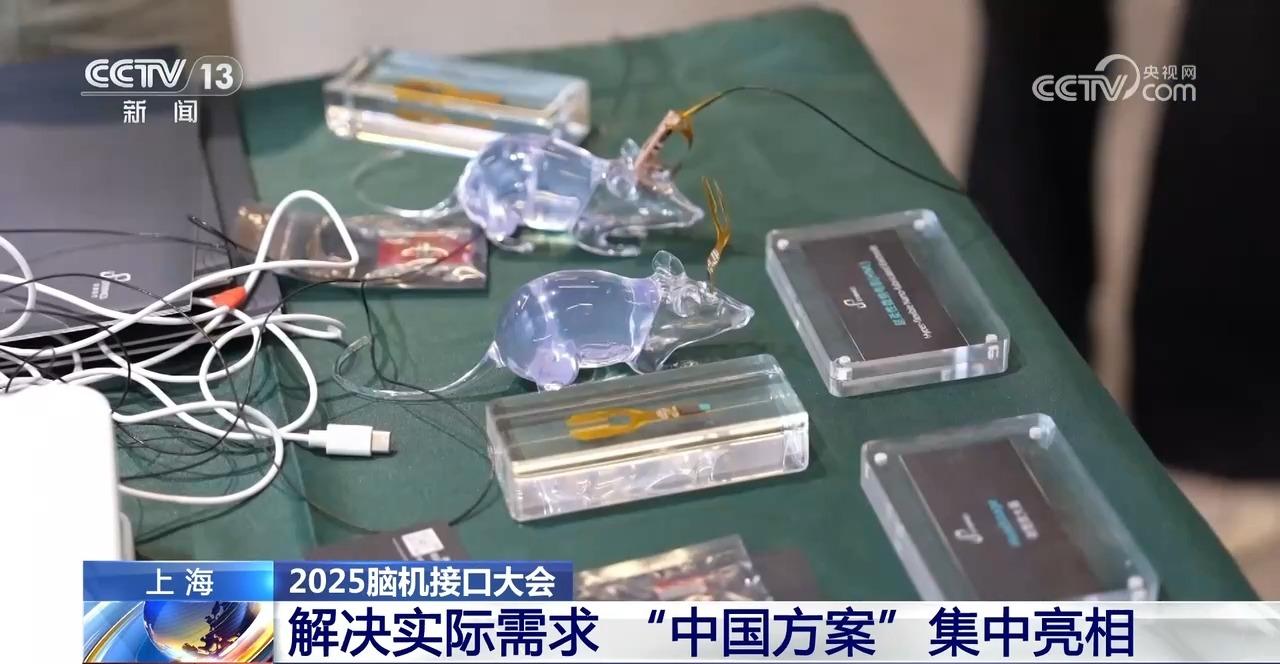
央视网消息:为期两天的2025脑机接口大会近日在上海闭幕。多项全球领先的中国方案集中亮相。从"意念操控"到"视觉重建",脑机接口有哪些最新突破? 马上跟随镜头去一探究竟。 脑控小车驶过复杂赛道,脑控机械臂抓取放置方块。在2025脑机接口大会现场,来自全国各地的40支脑机接口团队,带着不同的解决方案,在脑电解码、运 动控制等场景中展开了一场系统性能与稳定性的真实比拼。与此同时,在脑机接口产业创新展览区,由十余家前沿技术企业带来的新技术集中亮相,从关键 零部件到全系统级解决方案,从底层硬件到临床应用,覆盖睡眠干预、精神疾病治疗、退行性疾病康复等多个领域,全面展示了脑机接口技术的最新技术趋 势。 总台央视记者 张春玲:我现在手上拿着的,就是全球第二款,中国首款全侵入式脑机接口。您可以看到,在我手上轻轻拂动的,就是植入后的这样的一个 电极了。它非常柔软,粗细只有我们头发丝的1%,它的作用力相当于我们细胞间的作用力。 参展商 陈垚旭:我们在今年3月份完成了国内的首例的临床实(试)验,可能在明年会开启大规模临床试验。 围绕脑机接口这一前沿方向,上海已经布局了全国首个脑机接口未来产业集聚区。本次大会上,脑机服务平台、上海市 ...
拓展未来产业赛道 上海以创新驱动高质量发展 聚焦数智赋能 重庆加快构建现代化产业体系
Yang Shi Xin Wen Ke Hu Duan· 2025-12-06 15:34
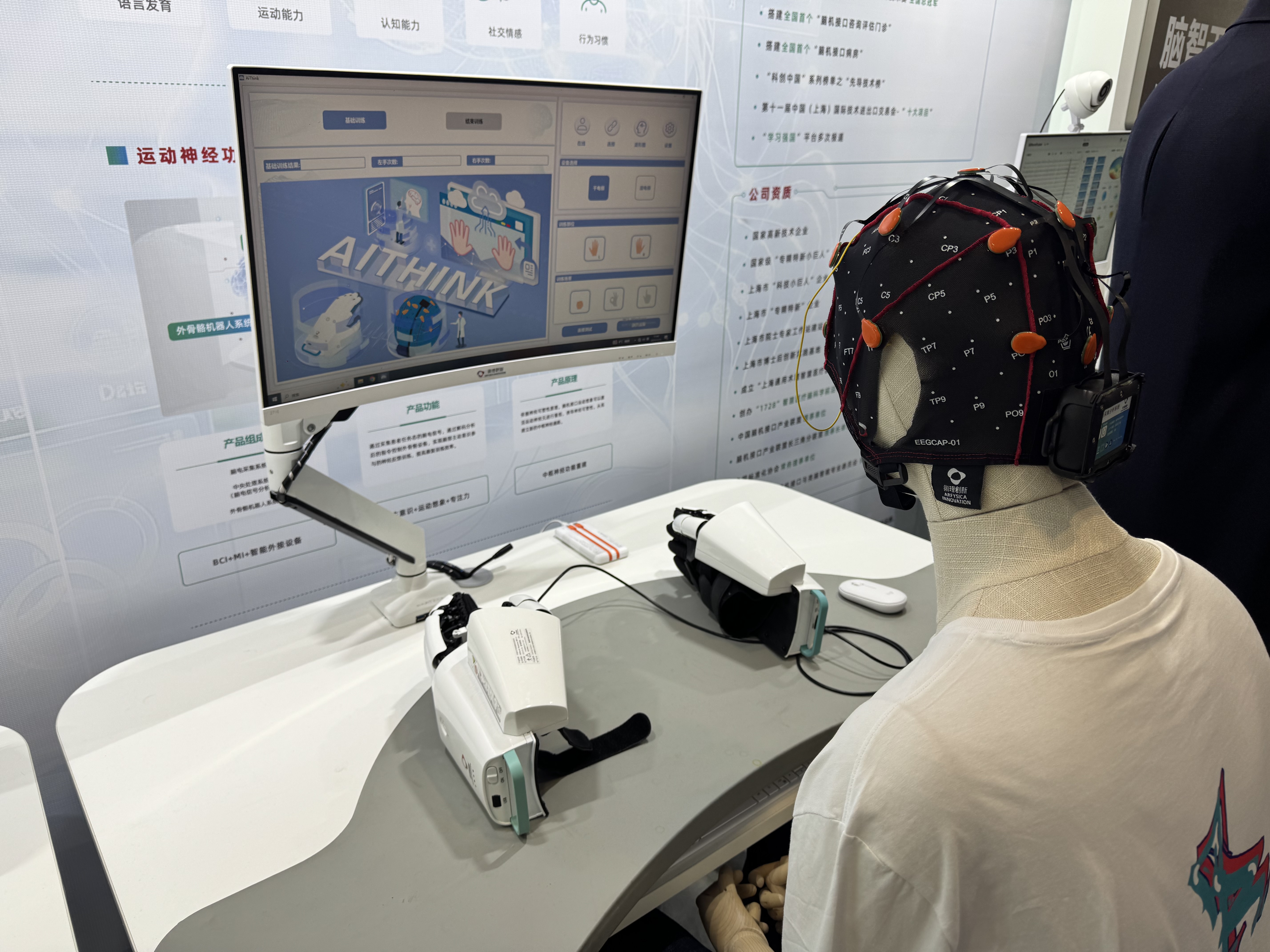
Group 1 - The core viewpoint emphasizes the need to enhance independent innovation capabilities and seize technological development high ground, as outlined in the 20th Central Committee's Fourth Plenary Session [1] - Shanghai and Chongqing are expanding emerging and future industry tracks to drive high-quality development through innovation [1] Group 2 - In Shanghai, a technology company is advancing brain-computer interface systems from laboratory research to practical applications, aiding patient rehabilitation and restoring limb functions [2] - Since the 14th Five-Year Plan, Shanghai has focused on empowering high-quality development through technological innovation, with a significant 84.5% increase in basic research investment [2] - Shanghai aims to cultivate new momentum for high-quality development by fostering a globally competitive open innovation ecosystem [2] Group 3 - In Chongqing, a smart connected vehicle development team is enhancing integrated technologies for vehicle-road-cloud communication, enabling 11 types of connected functions [3] - During the 14th Five-Year Plan, Chongqing has seen a concentration of advanced manufacturing, with smart connected new energy vehicle production expected to reach 953,000 units by 2024 [3] - Chongqing plans to build a modern industrial system centered on new energy vehicles, continuously nurturing emerging and future industries [3]
十五五规划十大投资机会梳理:精益求精-20251206
Shenwan Hongyuan Securities· 2025-12-06 14:26
Group 1: Strategic Overview - China is transitioning from a global rule adapter to a co-builder and responsible stakeholder in international governance[3] - The 14th Five-Year Plan (14th FYP) focused on economic security, while the 15th Five-Year Plan (15th FYP) emphasizes "development and security" across all sectors[3] - The 15th FYP identifies emerging industries as "pillar industries," focusing on new energy and new materials, with a core strategy of cluster development and large-scale application[3] Group 2: Investment Opportunities - The 15th FYP highlights ten key investment areas: 1) Artificial Intelligence, 2) Robotics, 3) Aerospace, 4) Drones/Low-altitude Economy, 5) Strategic Resource Metals, 6) Shipping, 7) Controlled Nuclear Fusion, 8) Energy Storage, 9) Brain-Machine Interfaces, 10) Innovative Pharmaceuticals[3] - The Chinese robotics industry is transitioning from product definition to commercialization, with AI expected to empower various sectors by 2026[3] - The aerospace industry is a key focus, with the establishment of a new space administration and a three-year action plan for commercial aerospace development[3] Group 3: Economic and Security Considerations - The 15th FYP emphasizes the strategic importance of national defense and security, with a focus on political security as a priority[3] - The plan includes new initiatives for the development and reserve of strategic mineral resources, enhancing the national security framework[3] - Risks include potential delays in policy implementation and slower-than-expected industry capacity adjustments, influenced by international geopolitical changes[3]
药闻 | 2025脑机接口大会透视:当意念照进现实,三大关键词解锁产业蓝图
Xin Hua Cai Jing· 2025-12-06 12:40
新华财经上海12月6日电 (谷青竹) "2025脑机接口大会"日前在上海举办。作为"十五五"规划中与量子 科技、生物制造、氢能和核聚变能、具身智能、第六代移动通信并列的"未来产业",脑机接口的发展已 上升至国家战略高度。本次大会不仅是对政策导向的积极响应,更成为凝聚行业共识、推动资源整合的 关键平台。那么,本次大会关注点主要集中在哪些方面? 关键词一:区域协同——构建长三角产业发展共同体 大会主论坛的核心成果之一,是"脑机接口产业联盟长三角分联盟"的正式揭牌。这一联盟的成立,标志 着长三角脑机接口产业从"单点集聚"向"区域协同"的战略转型迈出实质性步伐,为整合区域创新资源、 促进技术共享与场景共建提供了抓手,为全国脑机接口产业协同发展打造了区域实践样本。 作为"青百荟"的发起人,高小榕坦言举办此次人才评选的核心动因,是脑机接口领域日益凸显的"高热 度"与"低供给"之间的结构性矛盾。他指出,自我国在2003年培养出首位脑机接口方向博士以来,迄今 该领域累计仅有博士168人,高端人才严重短缺;但自2019年起,中国在该领域的论文发表量已超过美 国,跃居全球第一;在全球发表5篇以上相关论文的约1600名学者中,中国 ...
上海脑机接口取得系列阶段性突破,将加速从实验室到产业化
Di Yi Cai Jing· 2025-12-06 10:23
Core Insights - Shanghai is positioning itself as a leader in brain-computer interface (BCI) technology, aiming to establish an innovative ecosystem by 2027 [1][8] - The "2025 Brain-Computer Interface Conference" showcased multiple new technologies and products, including the establishment of the "Yangtze River Delta BCI Industry Alliance" [1][3] Industry Developments - Shanghai has achieved significant milestones in BCI technology, with several groundbreaking results announced by the Shanghai Municipal Science and Technology Commission [2] - Seven companies launched five invasive and two non-invasive products at the conference, focusing on areas such as neural regulation, visual reconstruction, motor function recovery, and sleep intervention [3] Product Innovations - Step Medical, a company from Pudong, introduced its second-generation BCI product, increasing the number of signal channels from 64 to 256, enhancing interaction efficiency by approximately 60%, and extending the product lifespan from 5-8 years to 8-12 years [3] - Ming Vision BCI announced the completion of the world's first visual reconstruction IIT experiment involving complex patterns and multiple colors, aiming to restore vision to patients who are completely blind [3] Data and Research Initiatives - The "iBRAIN EEG Dataset" has been established to promote the sharing of public data resources, with full access granted to iBRAIN alliance members [3][4] - The collaboration with medical institutions is crucial for data collection and clinical scenarios, as brain signals remain largely unexplored compared to other non-brain data [4] Future Industry Goals - Shanghai's "Future Industry Cultivation Action Plan for Brain-Computer Interfaces (2025-2030)" aims for high-quality brain control and clinical applications of semi-invasive BCI products by 2027, with a vision to create a global innovation hub for BCI products by 2030 [8] - The city has already initiated several clinical trials for innovative BCI products, receiving international attention from journals like Nature and MIT Technology Review [8] Industrial Cluster Development - The "Brain Intelligence Land" BCI future industry cluster is the first of its kind in the country, with a planned area of 100,000 square meters and an initial investment of 1.2 billion yuan [9] - The cluster aims to foster a collaborative ecosystem within a 1.5-kilometer radius, leveraging the Greater Hongqiao hub for innovation [9] - Financial incentives are provided to BCI companies, including subsidies of up to 20 million yuan for leading enterprises and 5 million yuan for major platform construction [9]
努力完成全年目标任务——各地决胜“十四五”一线扫描
Ren Min Ri Bao· 2025-12-05 22:53
Group 1 - The article emphasizes the importance of completing the "14th Five-Year Plan" with significant achievements in various regions, including the construction of 430,000 affordable housing units in Beijing and the establishment of nearly 2,100 technology incubators in Guangdong [1][2] - The successful grid connection of the world's largest "Hualong One" nuclear power base in Fujian, which is expected to generate 20 billion kilowatt-hours annually and reduce carbon dioxide emissions by approximately 16 million tons [2] - The progress of major projects under the "14th Five-Year Plan," with 102 key projects on track for completion by the end of the year, including the successful completion of railway construction in Shaanxi and Hubei [3] Group 2 - The article highlights the focus on innovation and technological self-reliance, with projects like the compact fusion energy experimental device in Anhui and advancements in brain-computer interface technology in Tianjin [5][6] - The promotion of green development is evident in initiatives such as the transformation of chemical enterprises in Hubei and the establishment of green low-carbon industries [8] - The expansion of cross-border e-commerce in Guangdong and the opening of new international freight routes in Jiangxi, enhancing high-level foreign trade and economic cooperation [10][11] Group 3 - The article discusses the significant employment growth in Xinjiang, with over 2.3 million new urban jobs created during the "14th Five-Year Plan," addressing the needs of various demographics [12] - The focus on improving healthcare access in rural areas, exemplified by the integrated health services in Zhejiang, aims to enhance the overall health standards of the population [13] - The article concludes with a call for proactive planning for the "15th Five-Year Plan," emphasizing the need for continued efforts in economic and social development [14]
努力完成全年目标任务
Ren Min Ri Bao· 2025-12-05 19:41
Group 1 - The "14th Five-Year Plan" is nearing completion, with various regions implementing solid measures to ensure economic and social development [1][2][3] - The global largest "Hualong One" nuclear power base in Fujian has successfully connected its second unit to the grid, expected to generate 20 billion kWh annually and reduce CO2 emissions by approximately 16 million tons [2] - The construction of major projects, such as the West Ten High-Speed Railway and the 500 kV power transmission project in Guizhou, is progressing smoothly, with significant milestones achieved [3][4] Group 2 - Innovation is emphasized as a key driver for development, with projects like the compact fusion energy experimental device in Anhui showcasing advancements in technology [4][5] - The establishment of a complete ecosystem for brain-computer interface technology in Tianjin is highlighted, with successful clinical validations of related systems in hospitals [5] - The ecological transformation efforts in Hubei, including the development of green pathways and low-carbon industries, reflect a commitment to sustainable development [7] Group 3 - Guangdong is actively promoting cross-border e-commerce and international trade, with significant logistics operations facilitating rapid delivery to Southeast Asia [8][9] - Jiangxi has opened 12 international freight train routes, enhancing its connectivity and supporting high-level foreign trade [10] - Xinjiang has created over 2.3 million new urban jobs during the "14th Five-Year Plan," effectively addressing employment challenges for various demographics [11] Group 4 - Health initiatives in Zhejiang have improved access to medical services in rural areas, addressing long-standing healthcare challenges [12] - The economic growth of the Chengdu-Chongqing economic circle is projected to increase from 6.4 trillion yuan in 2019 to 8.7 trillion yuan by 2024, indicating robust regional development [16] - Collaborative efforts in the Beijing-Tianjin-Hebei region are accelerating infrastructure projects, enhancing regional integration and development [17]