Home Appliances

Search documents
WHIRLPOOL CORPORATION TO ANNOUNCE FOURTH-QUARTER AND FULL-YEAR RESULTS ON JANUARY 28TH AND HOLD CONFERENCE CALL ON JANUARY 29TH
Prnewswire· 2026-01-21 21:05
BENTON HARBOR, Mich., Jan. 21, 2026 /PRNewswire/ -- Whirlpool Corporation (NYSE: WHR) will release its fourth-quarter and full-year financial results and presentation materials at 4:05 p.m. ET on Wednesday, January 28, 2026. Whirlpool Corporation will hold a conference call to discuss its performance with the investment community at 8 a.m. ET on Thursday, January 29, 2026. To participate in the conference call, dial 1 (888) 440-4038 and Conference ID 2610251. International participants should dial 1 (646) ...



Whirlpool Corporation Named One of Fortune's Most Admired Companies for Sixteenth Consecutive Year
Prnewswire· 2026-01-21 17:03
Core Insights - Whirlpool Corporation has been recognized by Fortune as one of the "World's Most Admired Companies" for the sixteenth consecutive year, reflecting its strong performance and commitment to innovation and community engagement [1][2]. Company Overview - Whirlpool Corporation is a leading home appliance manufacturer, focusing on improving life at home through innovation. It operates under several iconic brands, including Whirlpool, KitchenAid, and Maytag [4]. - In 2024, Whirlpool reported approximately $17 billion in annual sales, with nearly 90% of revenue generated in the Americas. The company employs around 44,000 people and operates 40 manufacturing and technology research centers [4].

Here Is Why Bargain Hunters Would Love Fast-paced Mover Whirlpool (WHR)
ZACKS· 2026-01-21 15:02
Core Viewpoint - Momentum investing focuses on "buying high and selling higher" rather than traditional strategies of buying low and waiting for recovery, which can lead to quicker profits in a shorter time frame [1] Group 1: Momentum Investing Strategy - Momentum investors often face challenges in determining the right entry point, as stocks can lose momentum if their valuations exceed future growth potential, leading to potential losses [2] - Investing in bargain stocks that have recently shown price momentum can be a safer strategy, with tools like the Zacks Momentum Style Score aiding in identifying such stocks [3] Group 2: Whirlpool (WHR) Stock Analysis - Whirlpool (WHR) has shown a significant price increase of 20.3% over the past four weeks, indicating strong investor interest [4] - The stock has gained 11% over the past 12 weeks, with a beta of 1.24, suggesting it moves 24% higher than the market on average [5] - WHR has a Momentum Score of B, indicating a favorable time to invest based on its momentum characteristics [6] Group 3: Earnings Estimates and Valuation - An upward trend in earnings estimate revisions has contributed to WHR's Zacks Rank 2 (Buy), as increased analyst interest typically drives stock prices higher [7] - WHR is currently trading at a Price-to-Sales ratio of 0.31, suggesting it is undervalued, as investors pay only 31 cents for each dollar of sales [7] Group 4: Additional Investment Opportunities - Besides WHR, there are other stocks that meet the criteria of the 'Fast-Paced Momentum at a Bargain' screen, presenting additional investment opportunities [8] - The Zacks Premium Screens offer over 45 different strategies tailored to help investors find winning stock picks [9]

出圈出海!广货这波春季攻势够劲
Sou Hu Cai Jing· 2026-01-20 05:07
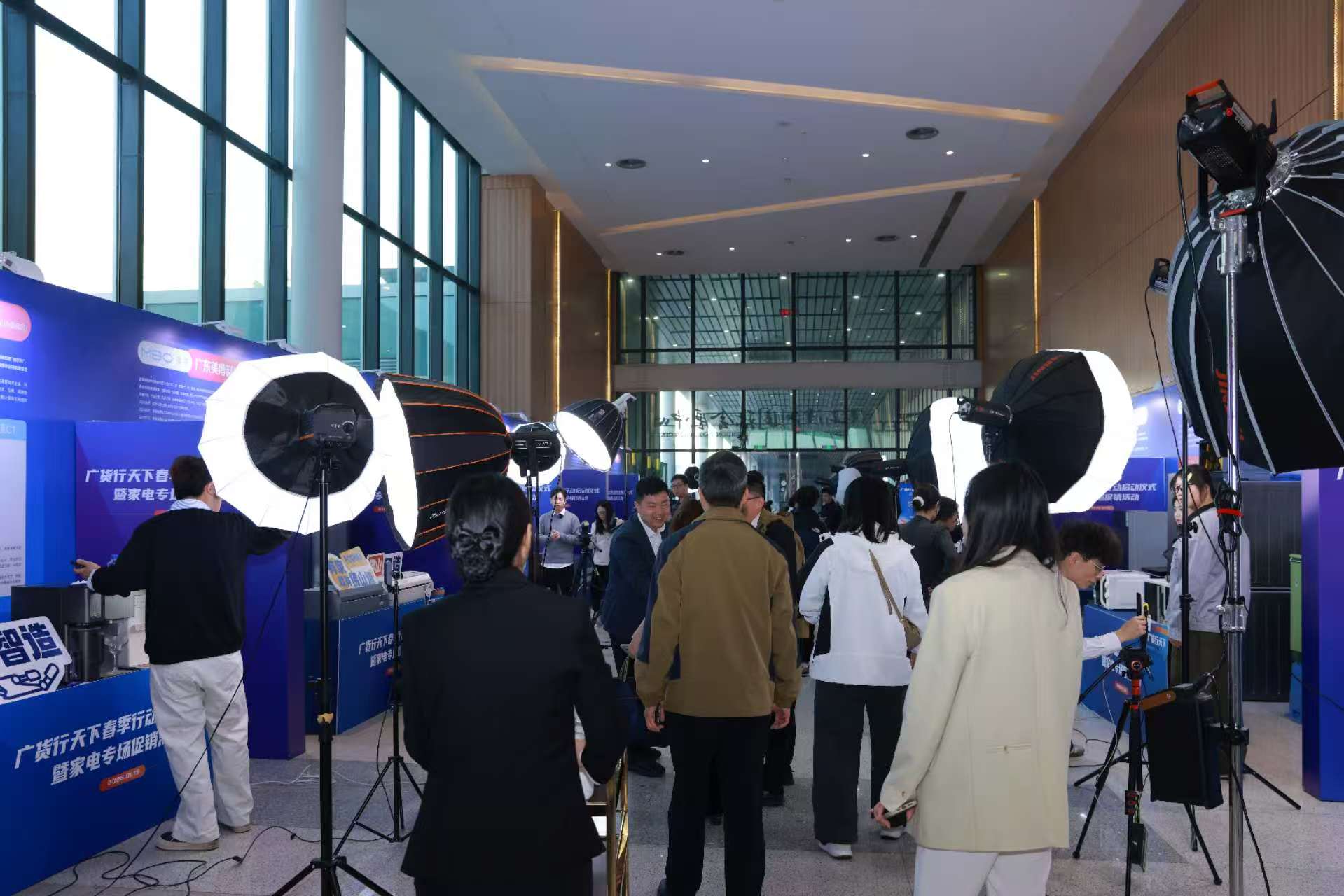
Group 1 - The core objective of the "Guangdong Goods Going Global" initiative is to enhance market expansion, boost sales, strengthen brand recognition, and stabilize expectations through a combination of online and offline strategies [4][5] - The first promotional event for home appliances in Foshan resulted in a 110% increase in overall sales compared to the previous day, with some new products seeing sales growth exceeding 200% [4] - The initiative includes a series of 12 online promotional events leading up to the Spring Festival, aimed at stimulating industrial product consumption [4] Group 2 - The business system plans to organize over 323 domestic exhibitions and 265 international exhibitions, involving more than 60,000 enterprises, to promote Guangdong products [5] - The "Guangdong Year Flavor" event launched in Shantou attracted over 100 foreign participants from more than 30 countries, showcasing local cuisine and cultural performances [6][7] - Upcoming activities include a major cultural tourism consumption event in Foshan, a non-heritage shopping month in Guangzhou, and over 60 themed live broadcasts to promote local products [7] Group 3 - The agricultural sector is focusing on promoting local specialties through a series of activities, including product showcases in major cities and the establishment of mobile sales stations [8] - Various local events are being organized to highlight regional specialties, enhancing consumer engagement and brand recognition [8] - Initial data indicates that the "Guangdong Goods Going Global" initiative has led to significant sales increases and heightened consumer interest, with international participation further expanding the global influence of Guangdong products [8]

武毅:今年济南将实施凭票根、发票可享消费打折
Qi Lu Wan Bao· 2026-01-20 00:30
Core Viewpoint - Jinan's Commerce Bureau plans to launch a series of consumer promotion measures by 2026, including subsidies for automobiles and home appliances, as well as innovative initiatives like "ticket root consumption reduction" and "reward invoices" to stimulate market activity [1][2]. Group 1: Consumer Promotion Measures - In 2022, Jinan's Commerce Bureau expanded subsidy categories from 8 to 12, including digital products for the first time, and issued nearly 40 billion yuan in national subsidies, leading to over 350 billion yuan in direct consumption [2]. - The new automobile subsidy program includes 50 million yuan in national funds, with a maximum subsidy of 12,000 yuan, marking a record for Jinan [2][3]. - The home appliance replacement policy offers up to 1,500 yuan for energy-efficient appliances and 500 yuan for digital products, creating a comprehensive subsidy matrix during the Spring Festival [3]. Group 2: Innovative Consumption Strategies - Jinan was selected as a pilot city for the Ministry of Commerce's "three new" initiatives (new formats, new models, new scenarios), aiming to enhance service consumption and drive economic growth [4]. - The "ticket root consumption reduction" policy allows consumers to receive discounts based on various tickets, linking travel, dining, and entertainment to create a complete consumption experience [4]. - The "reward invoice" initiative will run for six months, focusing on high-frequency consumption areas like dining and retail, with monthly draws offering prizes up to 800 yuan to encourage consumer participation [6]. Group 3: Infrastructure and Resource Recovery - Jinan is enhancing urban and rural consumption infrastructure, with 185 convenience stores established within a 15-minute walk for urban residents and logistics centers covering rural areas [7]. - The city aims to exceed 3,000 recycling points through an "Internet + recycling" model, promoting digital transformation in commerce and logistics [7].
单日销量增长超200%:新广货解锁“爆款密码”
2 1 Shi Ji Jing Ji Bao Dao· 2026-01-19 13:39
Core Viewpoint - The "Guangdong Goods Going Global" spring campaign has successfully boosted sales and showcased the evolution of Guangdong's manufacturing, emphasizing the importance of adapting to new market demands and technological advancements [2][3][7]. Group 1: Campaign Overview - The "Guangdong Goods Going Global" spring campaign features nearly 30 key events, engaging over 10 major commercial platforms and more than 6,000 enterprises, highlighting Guangdong's strengths in various sectors including smart home appliances and high-end mobile phones [2][11]. - On January 15, the campaign's launch event in Foshan saw participating companies achieve a sales increase of 110% compared to the previous day, with some products experiencing sales growth exceeding 200% [2][3]. Group 2: Sales Performance - During the campaign, companies like Mofei Technology reported a fivefold increase in sales for certain products, with their seasoning machine sales up by 159% compared to the previous day [4][6]. - The event demonstrated significant online sales, with one company reporting over 100,000 yuan in sales within just three hours of live streaming [3][6]. Group 3: Product Innovation and Market Adaptation - Guangdong's products have evolved from being perceived as merely functional to embodying advanced technology and design, with a focus on meeting specific consumer needs through innovative solutions [7][8]. - The integration of new materials and technologies has allowed Guangdong manufacturers to create products that cater to specific scenarios, leading to impressive sales figures during the campaign [6][9]. Group 4: Broader Implications for Guangdong Manufacturing - The success of the campaign reflects a broader trend of Guangdong's manufacturing sector transitioning from a focus on production to creating value through innovation and brand enhancement [8][10]. - The campaign is part of a larger strategy to expand Guangdong's market reach, including plans for numerous promotional activities across various sectors such as agriculture and tourism [11].





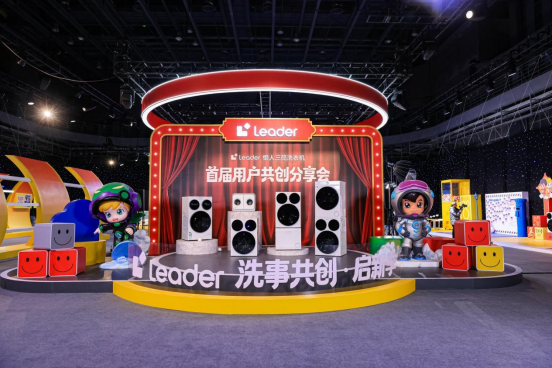
Leader召开三筒洗衣机用户共创分享会
Zhong Guo Jin Rong Xin Xi Wang· 2026-01-19 06:52
Core Insights - The event "Washing Co-Creation: New Season" hosted by Leader showcased user stories on integrating daily life expectations into product innovation and design, particularly focusing on the new three-tub washing machine [1][3] Group 1: User Engagement and Product Development - The initiative began with in-depth visits to user homes, revealing a common demand for convenience in laundry solutions, leading to the design of the three-tub washing machine [5][6] - User feedback was actively solicited, resulting in over 12,000 suggestions that informed product iterations, including features like "wash-dry integration" and space-saving installations [6] - The three-tub washing machine achieved a total sales volume of 300,000 units by 2025, reflecting its acceptance and popularity among consumers [6] Group 2: User-Centric Innovation - The event highlighted personal stories from users, illustrating how the three-tub washing machine has become an integral part of their daily lives, enhancing convenience and promoting good habits among family members [7][8] - The shared experiences emphasized the machine's versatility, such as separate washing for pet items, showcasing the technology's role in simplifying household tasks [7] - The co-creation model demonstrated that true innovation stems from deep insights into user lifestyles and continuous listening to their needs, reinforcing the relationship between the company and its customers [9]

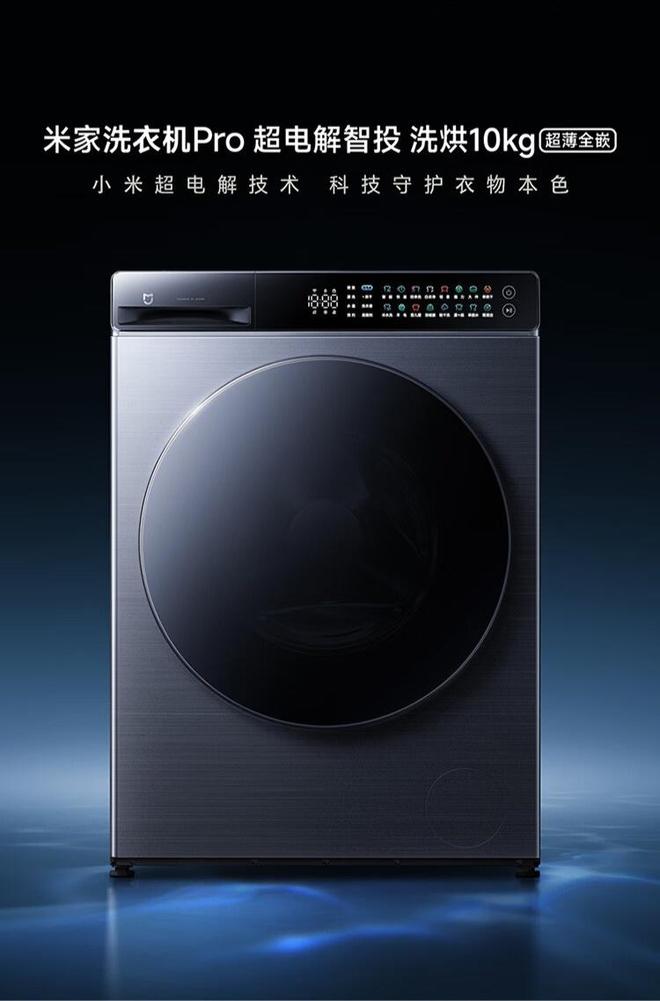
小米米家洗衣机Pro超电解智投洗烘10kg上架,预售价3293元
Xin Lang Cai Jing· 2026-01-19 05:48
炒股就看金麒麟分析师研报,权威,专业,及时,全面,助您挖掘潜力主题机会! (来源:IT之家) IT之家 1 月 19 日消息,小米米家洗衣机 Pro 超电解智投洗烘 10kg 现已上架并开启预售,预售价为 3293 元。其采用超薄全嵌设计,支持祛除 20 种特殊污渍,具备 1.3 洗净比。 米家洗衣机Pro 超电解智投 洗烘10kg(邏錘圈 小 米 超 电 解 技 术 科 技 守 护 衣 物 本 色 I 小米超电解技术 祛渍净白防串色 自然杀菌无残留 祛除20种特殊污渍 1次洗白泛黄衣物 酱油、果汁、血渍轻松祛除 可替代50g彩源粉 4倍防串色 全水路杀菌99.99% 可替代15片护色片 除菌媲美洗衣消毒液 超高洗净比1.3 高温蒸汽+超电解冷水 远超国家标准1.03 双重除菌健康保障 除菌99.999% 除病素 QQQQQQ 脸蟹100% 31种洗护程序 专衣专研 呵护面料 蓬松羽绒洗烘 精致羊毛洗 宠物除毛洗 轻干洗 舒适柔软好亲肤 防止纤维缠绕缩水 除毛率高达92% 蒸汽渗透纤维,除皱祛味 12 m /1 011 IT之家汇总该产品主要信息如下: 这款洗衣机具备小米超电解技术,可祛除酱油、果汁等 20 ...

徕芬公关负责人换新 网易严选系高管上任
Nan Fang Du Shi Bao· 2026-01-18 14:07
Core Viewpoint - Laifen Technology has undergone significant personnel changes, including the appointment of a new public relations head from NetEase Yanxuan, aimed at restructuring its public relations system amid ongoing brand reputation challenges and preparing for a new product launch year in 2026 [2][6]. Group 1: Personnel Changes - Laifen has appointed a new public relations head with experience in brand public relations and user relationship management from NetEase Yanxuan [2]. - The leadership change comes as Laifen prepares for a pivotal year in 2026, which it has termed the "new product year" [2]. Group 2: Brand Reputation Challenges - Laifen has faced multiple public relations crises, including controversies involving its founder, who has engaged in public disputes that have drawn negative attention [3]. - As of November 2025, over 1,400 complaints related to Laifen have been recorded on the Black Cat Complaints platform, primarily concerning product quality and safety issues [3]. Group 3: Strategic Focus of New Leadership - The new public relations head is expected to focus on standardizing the public relations system to address previous issues such as inconsistent crisis responses and the founder's direct involvement in public disputes [6]. - There is an emphasis on establishing a "first spokesperson system" to clarify the official communication process and prevent personal opinions from overshadowing the brand's stance [6]. - The new public relations team will also need to tackle challenges related to product quality, service issues, and marketing strategies to rebuild consumer trust [6].


年底将至,新一轮“涨价潮”将起?4样东西或将上涨
Sou Hu Cai Jing· 2026-01-18 14:04
Group 1 - The holiday gift category experiences significant price increases as New Year and Spring Festival approach, with items like tea, alcohol, and snack gift boxes seeing prices tripled due to packaging and presentation rather than content [3][5] - The profit margins on gift boxes are notably higher than on bulk items, as consumers are purchasing for social status rather than necessity, leading to increased demand and higher prices during the holiday season [5] Group 2 - Everyday essentials that are used frequently but purchased infrequently, such as tissues and laundry detergent, also see price increases as retailers adjust prices at year-end, causing noticeable financial pressure on consumers [7][9] - Some products employ a strategy of "shrinkflation," where the quantity decreases while the price remains the same, making it difficult for consumers to notice the price increase over time [9] Group 3 - The restaurant and takeout sector experiences price hikes during the year-end due to increased demand from gatherings and events, with delivery fees rising and discounts becoming less frequent [11][13] - Consumers have reported that the same meals can cost significantly more during the holiday season, with restaurants often reconfiguring meal options to obscure price increases [13] Group 4 - Seasonal items, particularly winter necessities like down jackets and heating appliances, see substantial price increases as demand spikes in colder months, with consumers often waiting until the last minute to purchase, leading to higher prices [15][17] - The home appliance industry follows a pattern where heating products are more expensive in winter, with consumers willing to pay premium prices for comfort during cold weather [17] Group 5 - The overall trend of price increases at year-end is characterized as a cyclical fluctuation driven by changes in consumer demand rather than a general inflationary trend, highlighting the importance of timing in purchasing decisions [19]