
餐饮服务

Search documents
客流到门店、订单向线下 美团外卖推“堂食提振”计划增强商家信心
Zhong Guo Jin Rong Xin Xi Wang· 2025-08-12 12:28
Core Viewpoint - Meituan is launching a "Dine-in Boost" plan to encourage in-store consumption and support the restaurant industry amid challenges from delivery subsidies and competition [1][2]. Group 1: Dine-in Boost Plan - The "Dine-in Boost" plan will issue in-store consumption vouchers to all members, aimed at increasing foot traffic and sales for restaurant businesses [1]. - Meituan has previously initiated a "Small Shop Support Fund," providing up to 50,000 yuan to small restaurants to help them cope with operational difficulties [1]. - The plan will cover various food categories, with the platform fully bearing the costs of the vouchers to attract customers to dine in or pick up orders [1]. Group 2: Impact on Consumer Behavior - Recent surveys indicate that specific promotional vouchers have effectively increased in-store dining, with a 60% rise in self-pickup customers among Meituan's premium members [2]. - The sharing feature of consumption vouchers has led to over 10 million shares in a single day, enhancing customer acquisition and order completion for merchants [2][3]. - Consumers are reported to purchase additional items when visiting stores due to the vouchers, thus boosting overall sales for participating restaurants [3]. Group 3: Industry Perspective - The integration of instant retail with traditional retail is seen as a way to bridge the gap between online and offline sales, creating a complementary ecosystem [3]. - Meituan's commitment to the "Dine-in Boost" plan aims to promote healthy development within the restaurant industry, currently covering 100,000 physical stores with plans for further expansion [3].

噪声排放超标,便宜坊旗下食品科研公司一门店被罚
Qi Lu Wan Bao· 2025-08-12 06:24
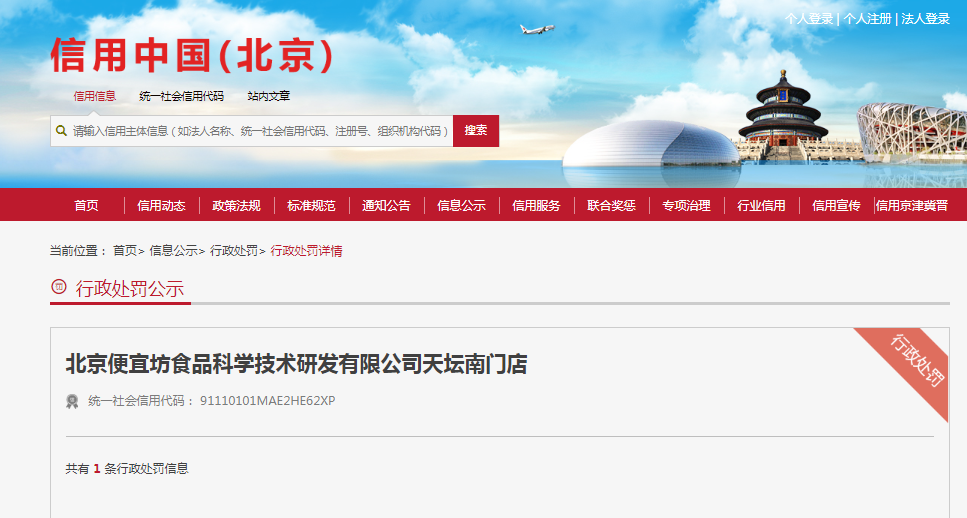
齐鲁晚报·齐鲁壹点记者于信用中国(北京)行政处罚栏获悉,8月5日,便宜坊集团旗下的北京便宜坊食品科学技术研发有限公司天坛南门店 (下称"便宜坊食品科研公司天坛南门店")收行政处罚决定书,被罚原因为噪声值超标等。 内容显示,北京市东城区生态环境局于2025 年7月11日对该单位进行了调查,发现该单位实施了以下生态环境违法行为:2025年7月7日,北京 市东城区生态环境局现场检查时发现该单位主要经营餐饮服务等项目,目前暂未正式营业,设计使用1台油烟净化及风机设备。 同日,北京市东城区生态环境局委托北京诚天检测技术服务有限公司对该单位上述设备噪声排放情况进行检测。按照《北京市东城区人民政府 关于印发〈北京市东城区声环境功能区划实施细则(2024年调整)〉的通知》(东政发〔2025〕1号),该单位边界外声环境功能区类别为1类区。 根据北京诚天检测技术服务有限公司2025年7月8日出具的《检测报告》(报告编号2025070156):该单位边界外1米处昼间检测噪声值为59dB (A),超过《社会生活环境噪声排放标准》(GB22337-2008)4.1.1表1中1类区昼间标准(55dB(A))4dB(A)。其行为涉嫌违反了 ...

财经聚焦丨堂食“货真价实” 外卖“凑合了事”?——部分餐饮堂食外卖“双标”现象调查
Xin Hua Wang· 2025-08-12 06:20
Core Viewpoint - The article highlights the issue of "double standards" in the food quality and portion sizes between dine-in and takeout orders in the restaurant industry, raising concerns about consumer rights and food safety [2][5][9]. Group 1: Consumer Experiences - Consumers have reported noticeable differences in food quality and portion sizes between dine-in and takeout, with some claiming that takeout meals often use inferior ingredients [3][4]. - Specific examples include a consumer noting that a restaurant used lower-quality meat for takeout orders and another mentioning that the portion size for takeout was significantly less than for dine-in [3][4]. Group 2: Business Practices - Some restaurant owners acknowledge the challenges of maintaining consistent quality between dine-in and takeout due to operational pressures and the need to manage costs [3][7]. - High delivery platform fees, which can account for 23% to 25% of the order price, compel some businesses to reduce portion sizes or use cheaper ingredients for takeout to maintain profitability [7][9]. Group 3: Regulatory Challenges - Current regulations do not adequately address the issue of double standards in food quality between dine-in and takeout, making it difficult to enforce penalties against non-compliant businesses [8][9]. - Legal experts indicate that existing food safety laws focus on hazardous food and do not clearly define or penalize the practice of using different standards for dine-in and takeout [8][9]. Group 4: Recommendations for Improvement - Experts suggest that transparency in food preparation and clear communication of differences in quality and portion sizes between dine-in and takeout are essential for consumer trust [9][10]. - There is a call for enhanced regulatory frameworks to address the unique challenges posed by the rise of the takeout industry, ensuring that consumer safety and fair practices are prioritized [11].

本地消费叠加假期旅游热潮 全聚德前三季度实现净利7174.64万元
Xin Hua Wang· 2025-08-12 05:48
Core Viewpoint - The company reported significant growth in revenue and net profit for the first three quarters of 2023, driven by new store openings and innovative product offerings [1][2]. Financial Performance - For the first nine months of 2023, the company achieved a revenue of 1.09 billion yuan and a net profit of 71.74 million yuan, representing year-on-year increases of 93.15% and 140.90% respectively [1]. - In the third quarter alone, the company recorded a revenue of 422 million yuan and a net profit of 43.83 million yuan, with year-on-year increases of 78.09% and 292.98% respectively [1]. Market Strategy and New Projects - The company has focused on innovation and expansion, launching three new flagship stores that have positively impacted revenue and customer satisfaction [2][3]. - The new projects include "Chinese Unique: Sky Courtyard" at the Peace Gate, "Central Axis Food Gift" at the Front Gate, and "Palace Joy Dragon and Phoenix" at Wangfujing, all of which have received high ratings and awards [2]. Product Development and Diversification - The company has introduced a variety of new products, including the hand-made sliced roast duck 3.0 version and over ten short shelf-life products, which have gained consumer recognition [4]. - A new sub-brand "Zero Research Institute" has been launched to enter the leisure food market, focusing on delicious and healthy snacks [4]. Cultural Engagement and Brand Image - The company is leveraging its traditional cultural heritage to appeal to younger consumers, utilizing digital technology and interactive marketing strategies [5][6]. - The brand has developed various cultural and creative products, which have seen strong sales during the holiday season, reflecting its trendy image [6]. Operational Focus - The company is shifting its focus from relying on tourism to engaging local consumers, with positive feedback from new direct-operated stores [6]. - The company aims to enhance its offerings through personalized and youthful upgrades in decor and menu innovation, aligning with market demand changes [6].


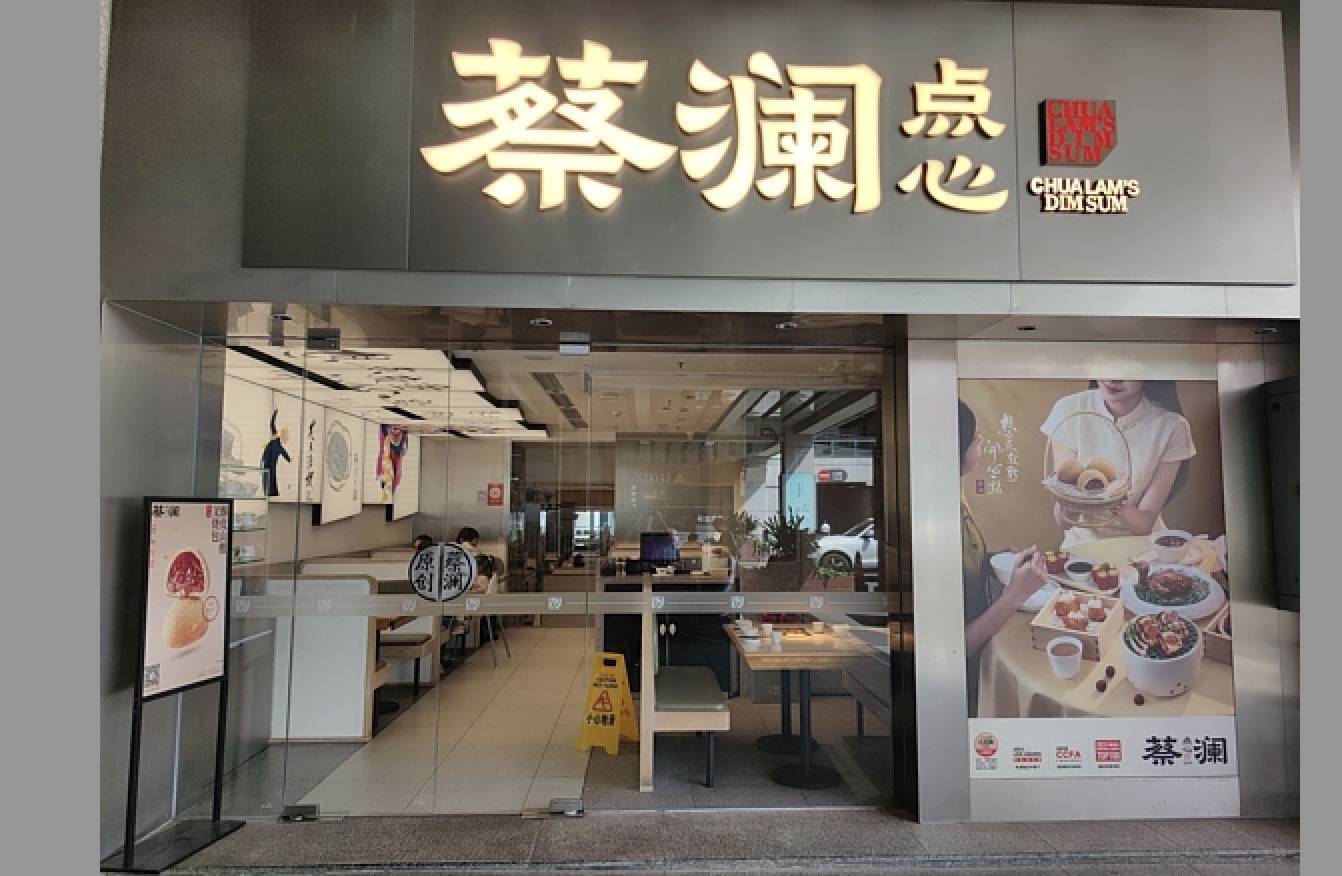
蔡澜点心母公司增资78%至5.2亿元,去年曾传计划上市
Sou Hu Cai Jing· 2025-08-12 05:26
Core Insights - The company Gantang Mingshan has increased its registered capital to 520 million RMB, marking a 78% increase from approximately 290 million RMB [1] - Gantang Mingshan is preparing for a potential IPO in Hong Kong, with an estimated valuation of around 970 million USD (approximately 7 billion RMB) [2] - The company has expanded its brand portfolio, including partnerships with renowned food critic Cai Lan, launching various food brands [4] Group 1: Company Developments - Gantang Mingshan was established in December 2021 and has undergone significant changes in its registered capital and management [1] - The company holds 100% equity in Shenzhen Lijia Catering Management Co., which is associated with the Cai Lan Dim Sum brand [1] - In March 2023, Gantang Mingshan completed a major acquisition of "Cai Lan Flower World," focusing on new retail models [4] Group 2: Market Position and Future Plans - Gantang Mingshan's valuation is approximately 9.73 billion USD, indicating strong market potential [2] - The company is currently optimizing its governance structure and internal control systems in preparation for the IPO [2] - The brand portfolio includes popular offerings such as Cai Lan Dim Sum and Cai Lan Pho, which have gained rapid popularity in major cities [4]
助力经营者“一键升级”,上海长宁核发全市首张“个转企”执照
Zhong Guo Jing Ji Wang· 2025-08-12 05:24
Core Points - Shanghai's market regulatory authority has launched the "Individual to Enterprise One-Stop Service," facilitating the direct transformation of individual businesses into enterprises without the need for prior cancellation [1][2] - The new process allows individual businesses to retain their original social credit code and establishment date, ensuring seamless continuity in operations, customer relationships, and brand identity [1][2] - The first beneficiary of this initiative, a restaurant in Changning District, completed the transformation in just 2 hours, highlighting the efficiency of the new system [2] Summary by Sections Individual to Enterprise Transformation - The "Individual to Enterprise" initiative allows individual businesses to transition to various types of enterprises without the need for cancellation and re-establishment [1][2] - This process preserves the original social credit code, establishment date, and allows for the continuation of business history and reputation [2] Process Optimization - The reform addresses key pain points by enabling direct application for change of registration, thus eliminating the need for prior cancellation [2] - The use of online platforms simplifies the process, allowing for automatic generation of necessary documents and reducing the amount of information that needs to be submitted [2] Future Developments - The Changning District market regulatory authority plans to enhance the implementation of the "Individual to Enterprise" measures, focusing on tailored support for individual businesses looking to transition [2] - Efforts will be made to simplify entry requirements, reduce costs, and support the growth of individual businesses, contributing to high-quality regional economic development [2][3]
吉首市裕纬科技有限责任公司成立 注册资本10万人民币
Sou Hu Cai Jing· 2025-08-12 05:14
Group 1 - A new company, Jishou Yuwei Technology Co., Ltd., has been established with a registered capital of 100,000 RMB [1] - The legal representative of the company is Zheng Chuanwei [1] - The company's business scope includes licensed projects such as catering services, which require approval from relevant authorities [1] Group 2 - General business activities include delivery services, labor services (excluding labor dispatch), daily necessities sales, office supplies sales, and food sales (only pre-packaged food) [1] - Additional services offered by the company include housekeeping services, internet sales of pre-packaged food, and technology-related services such as development, consulting, and transfer [1] - The company is permitted to conduct business activities independently based on its business license, except for projects that require approval [1]
蔡澜点心母公司增资至5.2亿元,增幅约78%
Sou Hu Cai Jing· 2025-08-12 02:46
Group 1 - The company Shenzhen Gantang Mingshan Enterprise Management Group Co., Ltd. increased its registered capital from approximately 290 million RMB to 520 million RMB, representing an increase of about 78% [1] - The company was established in December 2021 and is legally represented by Wang Xigang, with business operations including enterprise management, consulting, and brand management [1] - The company is wholly owned by Gantang Mingshan (Shenzhen) Holding Co., Ltd. and holds 100% equity in Shenzhen Lijia Catering Management Co., Ltd., which is associated with the Cai Lan Dim Sum brand [1] Group 2 - The company's brands include Tan Yu, Cai Lan Vietnamese Noodles, and Cai Lan Dim Sum [1]
全市首张“个转企”营业执照在长宁核发 申领仅用时两小时 个体工商户“一键升级”转企业
Jie Fang Ri Bao· 2025-08-12 01:56
Core Viewpoint - The article highlights the launch of Shanghai's first "individual to enterprise" business license, allowing individual business owners to transition directly to corporate status without the need for prior cancellation of their individual business licenses, thereby streamlining the process and enhancing business growth opportunities [1][2]. Group 1: Policy Implementation - The "individual to enterprise" service enables business owners to apply for a change of registration directly, preserving their original unified social credit code and establishment date [2]. - The transition allows for the seamless continuation of business operations, including customer relationships and contractual obligations, while retaining brand identity and administrative licenses [1][2]. Group 2: Service Efficiency - The process is facilitated through the "One Network for All" or "Shanghai Enterprise Registration Online" platforms, which automate the generation of necessary documents, significantly reducing the application materials required [2]. - For eligible applicants, proof of residence may be exempt from submission, and the system automatically updates related social security, housing fund, and company seal information without requiring additional applications from the business owner [2]. Group 3: Regional Development - Longhua District has previously issued various pioneering business licenses and services, indicating a proactive approach to enhancing the business environment in Shanghai [2]. - The successful implementation of the "individual to enterprise" transition marks a significant advancement in optimizing the regional business ecosystem [2].
溧水推动358家餐饮店“气改电”解决安全隐患
Xin Hua Ri Bao· 2025-08-11 23:05
Core Insights - The article highlights a safety initiative in Lishui District, Nanjing, focusing on the transformation from gas to electric kitchens in restaurants to mitigate gas safety risks [1][2][3] Group 1: Safety Initiative - The initiative addresses gas safety issues in restaurants, emphasizing the importance of ensuring the safety of both operators and consumers [2] - A comprehensive inspection was conducted across the entire gas supply chain, identifying restaurants with inadequate ventilation that posed safety hazards [1][2] Group 2: Implementation of "Gas to Electric" Program - The "Gas to Electric" program was developed in collaboration with various departments, allowing for tailored solutions for each restaurant to eliminate gas leak risks [2] - A subsidy policy was established, providing up to 30% reimbursement of renovation costs, with a maximum of 3,500 yuan per restaurant [2] Group 3: Results and Expansion - The program has been successfully implemented in 358 restaurants, with a total of 120,000 yuan in subsidies distributed, enhancing public confidence in gas safety [3] - The initiative aims to expand the "Gas to Electric" model to all small restaurants with safety hazards, promoting the adoption of fully electric kitchens for new establishments [3]