
医疗保险

Search documents
医保报销必看!自付、自费、自负不是一回事,搞懂能多报不少钱!
Sou Hu Cai Jing· 2025-12-04 03:11
Core Points - The rumor of "clearing the medical insurance account by the end of the year" is a misunderstanding, as personal account funds accumulate over the years and do not disappear [1] - The annual reimbursement limit for outpatient pooling is what is referred to as "clearing," which is a shared fund rather than personal assets [1] Summary by Sections Medical Insurance Bill Components - The medical bill consists of three main components: insurance pooling payment, personal payment, and personal expense [3] - Insurance pooling payment is the most favorable part, covering eligible expenses directly paid by the insurance fund [3] - Personal payment refers to costs within the insurance directory that require the individual to pay a portion, including amounts below the threshold and above the cap [3][5] Personal Expenses - Personal expenses are completely outside the insurance safety net, covering items not included in the insurance directory, which patients must pay in full [5] - The term "personal burden" may vary in meaning, sometimes referring to costs incurred after the personal account is exhausted or encompassing all personal payments [5] Real-World Examples - A case study illustrates that if a patient incurs a total cost of 4500 yuan, with 4200 yuan covered by insurance, the personal payment would be 600 yuan, and personal expenses would be 300 yuan, totaling 900 yuan out-of-pocket [7] - Another example shows a total cost of 10000 yuan, with 8000 yuan covered by insurance, resulting in a personal payment of 4750 yuan after reimbursement [7] Family Account Mutual Assistance - The family mutual assistance mechanism allows the use of personal account funds for family members, enhancing the efficiency of fund utilization [8] Outpatient Pooling Annual Limit - The outpatient pooling policy provides coverage for ordinary outpatient expenses, with a set annual payment limit that does not carry over to the next year, leading to the "clearing" concept [10] - The insurance fund operates as a shared risk pool, emphasizing the collective nature of contributions and reimbursements among insured individuals [10]

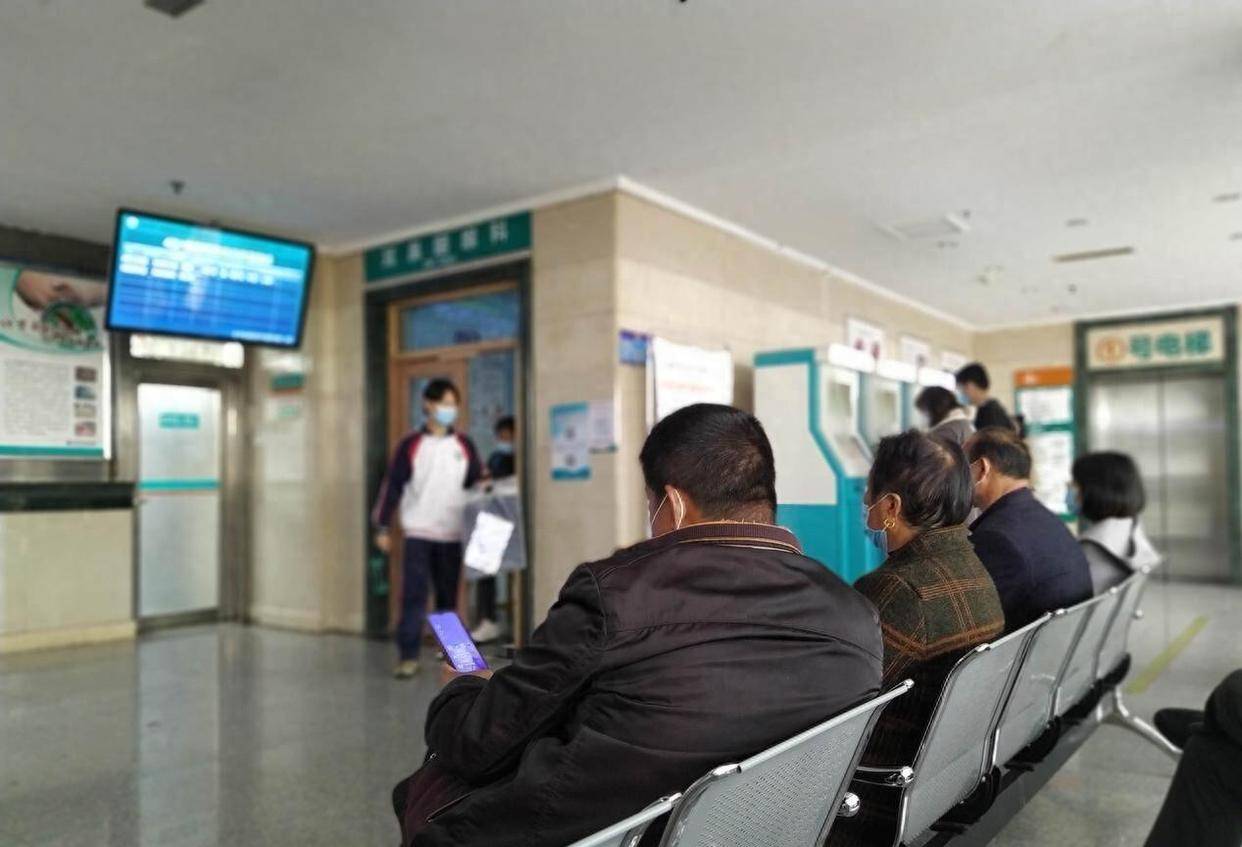
群众工作札记丨促进医保服务提质增效
Zhong Yang Ji Wei Guo Jia Jian Wei Wang Zhan· 2025-12-02 00:34
Core Viewpoint - The article highlights the successful implementation of digital transformation in medical insurance services in Baoqing County, Heilongjiang Province, significantly improving the efficiency and accessibility of medical insurance processes for residents [1][2][3][4]. Group 1: Digital Transformation of Medical Insurance Services - The Baoqing County Medical Insurance Bureau has integrated a "Medical Insurance Service" module into its WeChat public account, allowing residents to handle high-frequency services such as cross-regional medical treatment registration and insurance payment online [2][4]. - The process for cross-regional medical treatment registration has been optimized from "offline submission with a 3-day processing time" to "online application with same-day processing" [2][4]. - The new digital services have resulted in an average processing time reduction of 2 working days compared to offline methods, with 17,045 service transactions completed and 6,332 residents registered for the service [3]. Group 2: Addressing Special Needs and Community Engagement - The interface design has been specifically optimized for elderly users, with simplified operation steps and community grid workers providing one-on-one training to bridge the digital divide [3]. - The initiative has effectively improved communication of policy updates and reimbursement notifications through targeted WeChat messages, enhancing public awareness and access to services [3]. Group 3: Oversight and Accountability - A closed-loop supervision mechanism has been established, including weekly scheduling, monthly reporting, and quarterly evaluations to ensure effective problem resolution and accountability among responsible departments [2]. - Since the initiation of oversight in the public welfare sector, 30 problem leads have been accepted, resulting in 15 cases being filed and 14 individuals receiving disciplinary actions [3].
联合健康(UNH.US)以10亿美元出售Banmedica 全面退出拉丁美洲市场
智通财经网· 2025-12-01 11:46
Core Insights - UnitedHealth Group has agreed to sell its remaining South American business, Banmedica, to Brazilian private equity firm Patria Investments for approximately $1 billion [1] - The deal was signed last Saturday and is expected to be officially announced this week [1] - UnitedHealth has been exiting the Latin American market since 2022, having previously sold its operations in Brazil and Peru [1] Company Strategy - The sale of Banmedica, which operates in Colombia and Chile, has been under negotiation for nearly a year [1] - As of June this year, Banmedica had 1.7 million health insurance members, 7 hospitals, and 47 medical centers [1] - The exit from the region aligns with UnitedHealth's efforts under CEO Stephen Hemsley to reduce distractions and refocus on core operations [1] Financial Impact - UnitedHealth reported a loss of $8.3 billion last year due to the sale of its South American operations, with $7.1 billion attributed to exiting the Brazilian market and $1.2 billion from the Banmedica business [1] - The company raised its annual profit forecast in October and expects to return to growth by 2026 [1]

北京2026年度城乡居民基本医疗保险进入集中参保期
Zhong Guo Xin Wen Wang· 2025-12-01 07:51
Core Points - The concentrated enrollment period for the 2026 Urban and Rural Residents Basic Medical Insurance in Beijing is from November 30, 2025, to February 28, 2026, with benefits starting from January 1, 2026 [1] - Personal contributions for the insurance have been adjusted, with annual fees set at 460 yuan for elderly residents, 435 yuan for students and children, and 795 yuan for working-age residents [2] - Corresponding financial subsidies have also been increased, with elderly residents receiving 4,380 yuan, students and children 1,755 yuan, and working-age residents 2,355 yuan annually [2] Payment Channels - The Beijing Medical Insurance Bureau has introduced multiple payment channels for residents to facilitate the payment of medical insurance fees, including the use of personal medical insurance accounts [3] - Residents must complete a joint account registration before using their personal accounts for family members' insurance payments [3] - Various self-service payment options are available, including the Beijing Medical Insurance public service platform, bank apps, and electronic tax bureau services [3]
年底“捡便宜”!“大空头”力荐这些被错杀的股票
Jin Shi Shu Ju· 2025-11-28 06:12
Core Insights - Michael Burry, known for his role in "The Big Short," has closed his hedge fund to external capital and is now sharing his stock picks on a new Substack platform named "Cassandra Unchained" [1] - Burry highlights stocks such as Lululemon (LULU), Molina Healthcare (MOH), Shift4 Payments (FOUR), and Federal National Mortgage Association (FNMA) as his favorites, indicating a market capitalization range of $20 billion to $120 billion as fertile ground for investment [1][2] - He believes that the current market presents an excellent opportunity to find undervalued companies that have been oversold due to fund managers' performance management and tax-loss harvesting [1] Company Summaries - Lululemon is a high-end athletic apparel retailer known for its yoga pants, which has seen its stock price drop by 52% over the past year [2][3] - Molina Healthcare provides affordable healthcare insurance and services primarily for low-income and elderly Americans, with its stock down 49% in the same period [2][3] - Shift4 Payments is a fintech company offering payment processing and business tools for various sectors, experiencing a 32% decline in stock price [2][3] - Federal National Mortgage Association (FNMA) supports the U.S. housing market by providing credit loss guarantees for over $4 trillion in mortgages, with its stock not disclosed in Burry's filings due to being traded in the over-the-counter market [2] Market Context - The three highlighted stocks (Lululemon, Molina, Shift4 Payments) have market capitalizations below $25 billion and are trading at price-to-earnings ratios below 15 times expected earnings for the current fiscal year [3] - In contrast, FNMA's stock has tripled this year amid speculation about potential privatization by the Trump administration, which could pave the way for its market listing [3] Investment Strategy - Burry is known for his deep value investing approach, focusing on finding undervalued stocks, particularly smaller and beaten-down companies [3] - He has also engaged in short positions against companies like Palantir (PLTR) and Nvidia (NVDA), indicating a strategy that combines long positions in undervalued stocks with short positions in overvalued ones [4][5]

事关亿万参保人!国常会重磅部署:推进基本医保省级统筹
2 1 Shi Ji Jing Ji Bao Dao· 2025-11-27 12:37
Core Points - The State Council has emphasized the importance of advancing provincial-level coordination of basic medical insurance as a significant measure to improve the universal medical insurance system [1] - This initiative aims to enhance the mutual assistance advantages of insurance and strengthen the保障能力 of the medical insurance system [1] Summary by Categories - **Policy Implementation** - The meeting calls for tailored strategies by local governments to determine appropriate fund management models for provincial-level coordination [1] - It emphasizes the need to improve fund utilization efficiency [1] - **Healthcare Resource Management** - The coordination of basic medical insurance and the establishment of a hierarchical medical service system are to be promoted [1] - There is a focus on accelerating the balanced distribution of high-quality medical resources [1] - **Service Improvement** - Strengthening the capacity of grassroots medical services is highlighted as a priority [1] - The need to refine medical insurance payment and service pricing adjustment mechanisms is also noted to better meet the healthcare needs of the public [1]
Don't Choose a Medicare Advantage Plan Until You Read This: 5 Trade-Offs Few Discuss
Yahoo Finance· 2025-11-25 15:21
Core Insights - Medicare Advantage (MA) plans are increasingly popular, with 54% of Medicare beneficiaries enrolled, driven by low or $0 premiums and additional benefits [3] - However, there are significant trade-offs, including limited provider networks and prior authorization requirements for specialized care [4][8] Group 1: Enrollment Trends - Medicare Open Enrollment for 2026 is currently taking place, with a high likelihood of beneficiaries choosing MA plans due to their affordability and extra benefits [3] - Enrollment in MA plans has been steadily increasing in recent years, reflecting a shift in preference among Medicare beneficiaries [3] Group 2: Limitations of Medicare Advantage Plans - MA plans often have restricted provider networks compared to Original Medicare, which is widely accepted by most healthcare providers [5] - Different types of MA plans, such as HMOs, PPOs, and EPOs, have varying levels of network restrictions, potentially limiting access to local healthcare providers [6][7] - Prior authorization is frequently required for accessing specialized care, which can lead to additional out-of-pocket costs if authorization is denied or not obtained [8][9]
如何构建既“管用”又“高效”的医保支付机制?
Sou Hu Cai Jing· 2025-11-25 15:07
Core Viewpoint - The establishment of an efficient and effective medical insurance payment mechanism is crucial for ensuring high-quality medical services, improving fund utilization efficiency, and promoting sustainable development of the medical insurance system [1][7]. Reform Achievements and Current Challenges - The reform of the medical insurance payment mechanism has been a key focus, with significant achievements made since the establishment of the National Medical Insurance Administration, including the establishment of a composite payment system covering inpatient, outpatient, and chronic disease services [3][4]. - The direction of reform has been clarified, with a framework and important policy tools established, including the implementation of DRG/DIP payment methods [3][4]. - There have been improvements in controlling unreasonable medical cost growth through mechanisms like disease group payment standards and total prepayment, which have encouraged medical institutions to optimize processes and reduce unnecessary hospital stays [4][5]. - The foundation for standardization and information technology has been strengthened, with nationwide implementation of unified disease diagnosis and surgical operation coding [4][5]. - Valuable experiences have been accumulated through the reform process, emphasizing the combination of top-level design and local exploration, pilot programs, and collaborative negotiations among stakeholders [5][6]. Key Elements of the Payment Mechanism - The core essence of an effective medical insurance payment mechanism is to transition from passive reimbursement to strategic purchasing, focusing on value-based healthcare [9][10]. - The mechanism aims to achieve three main goals: sustainable operation of medical insurance funds, enhanced accessibility to medical services, and improved public health levels [9][10]. - The five major aspects of the payment mechanism include emphasizing value-based healthcare, continuous innovation in payment methods, strengthening incentive constraints and risk-sharing, establishing a collaborative and data-driven environment, and promoting systemic reforms [10][11]. Innovation and Collaboration - The establishment of an effective medical insurance payment mechanism requires comprehensive innovation and collaborative efforts, moving beyond merely changing payment tools to fundamentally transforming the healthcare purchasing and management model [15][16]. - The process involves seven fundamental shifts, including moving from passive reimbursement to active purchasing and from focusing on quantity to emphasizing value [15][16][17]. - A unified standardization of information systems and high-quality data centers is essential for driving the payment mechanism, requiring high levels of data analysis and management capabilities [18].

Medicare premiums erode Social Security COLA in 2026
Yahoo Finance· 2025-11-24 19:44
Core Insights - Medicare beneficiaries will experience an overall increase in premiums in 2026, impacting the cost-of-living adjustment (COLA) for Social Security recipients [1][2] - The standard Part B premium will rise by 9.7% to $202.90 per month, marking the first time it exceeds $200, which will reduce the effective COLA for many retirees [1][2] Medicare Premiums and Costs - The average retired worker receiving $2,008 per month will see their COLA reduced from 2.8% to 1.9% due to a $17.90 increase in premiums, while those receiving $1,000 will experience a reduction to approximately 1% [2] - The Part A deductible for hospital admissions will increase to $1,736, and coinsurance for extended hospital stays will also rise [4] - Part B's annual deductible will increase by 10% to $283, while the average Part D premium will slightly decline to $34.50, but the maximum deductible will rise to $615 and the out-of-pocket cap will increase to $2,100 [5] Broader Trends in Healthcare Costs - Health care inflation is outpacing general inflation, with national health expenditures expected to exceed GDP growth for the foreseeable future [5] - The rising costs of outpatient care are reflected in Part B premiums, as more services and medications are being delivered outside hospital settings [6] - The expansion of Medicare Advantage is contributing to increased costs, with an estimated additional $80 billion spent annually on enrollees compared to traditional Medicare participants, which raises premiums for all beneficiaries [6]
9 Smart Medicare Cost-Cutting Moves to Make During 2026 Open Enrollment and All Year Long
Yahoo Finance· 2025-11-19 14:20
Core Insights - Medicare costs, including premiums and out-of-pocket expenses, are projected to rise in 2026, impacting seniors' financial situations [2] - Over 7 million Medicare beneficiaries currently spend at least 10% of their annual income on Part B premiums alone [2] - Strategies are available to help manage and reduce Medicare costs during the open enrollment period [2] Group 1: Open Enrollment Period - Medicare open enrollment runs from October 15 to December 7, allowing beneficiaries to make significant changes to their health insurance coverage [3] - This period presents an opportunity to switch to more affordable plans [3] Group 2: Cost-Saving Strategies - Comparison shopping using the Medicare.gov Plan Finder tool is essential for finding and comparing available health and prescription drug plans [4] - Consulting with a State Health Insurance Programs (SHIP) counselor or a licensed Medicare insurance broker can provide guidance on selecting the best coverage [5] - Beneficiaries should not assume their current plan is the most cost-effective for the upcoming year, as failing to check could lead to higher costs [5] Group 3: Coverage Details - It is crucial to compare not only plan costs but also coverage details and benefits, including provider networks and drug formularies [6] - Changes in provider networks and drug formularies can lead to unexpected costs if a plan does not adequately cover preferred physicians or medications [8] - A study indicated that couples may overpay an average of $690 annually by not selecting Medicare drug plans suited to their needs [8] Group 4: Financial Assistance - Medicare offers various programs to assist low-income seniors with healthcare costs [9]