智能穿戴设备

Search documents
TCL电子股价涨近6%,雷鸟创新C轮融资助力AI+AR布局
Sou Hu Cai Jing· 2025-12-02 14:37
Group 1 - TCL Electronics (01070) showed strong stock performance with an increase of 5.62%, reaching HKD 10.72, and a trading volume of HKD 108 million [1] Group 2 - Thunderbird Innovation successfully completed a multi-hundred million C round financing, setting a record for the largest single financing amount in the domestic AI + AR glasses sector for 2025 [3] - The funds from this financing will focus on the research and development of AI + AR core technologies, including near-eye displays, AI algorithms, and multimodal interactions, as well as ecosystem development [3] - Thunderbird Innovation aims to consolidate and expand its leading position in the global consumer AI + AR glasses market and actively increase its global market share [3] - According to Guotai Junan's analysis, Thunderbird Innovation was incubated by TCL Electronics, with a core team from industry giants like TCL, DJI, Meta, and ByteDance, providing significant innovation advantages [3] - TCL Electronics is entering a profit recovery phase, and its 11.5% stake in Thunderbird Innovation positions it to benefit from the booming AI industry [3]

高盛上调中国AI眼镜市场预期:明后年出货量翻倍增长,5年后市场规模达30亿美元
智通财经网· 2025-12-02 13:20
Core Insights - Goldman Sachs has raised its forecast for the Chinese AI/AR glasses market, predicting a shipment growth of 87% in 2026 and 121% in 2027, with a market size expected to reach $946 million in 2026, and a compound annual growth rate of 24% from 2027 to 2030, ultimately reaching $3 billion by 2030 [1][2]. Part 1: Product Features and Core Value - The core AI functionalities of current AI/AR glasses include real-time subtitles, instant translation, visual Q&A, AR navigation, and AI smart assistants, making them suitable for daily life and seen as potential successors to smartphones [4]. - The first-person perspective experience allows glasses to display content directly in the user's line of sight and deliver sound, enhancing social sharing capabilities [4]. - The hands-free convenience integrates seamlessly into activities like walking and cycling, catering to various personal, entertainment, and office efficiency needs [4]. Part 2: Key Hardware Optimization Directions - Enhancements in perception capabilities involve increasing the number of cameras to improve motion capture and environmental detection accuracy [5]. - AI performance upgrades focus on enhancing the responsiveness and accuracy of smart assistance features [6]. - Display improvements include adopting full-color, high-resolution screens optimized for visibility in bright and dim environments [6]. - Portability enhancements aim to reduce the weight of devices (currently between 35-80 grams) to extend wear time [7]. Part 3: Cost Structure and Supply Chain - The cost structure for AI glasses includes system-on-chip (SoC) at 35%-40%, structural components at 10%-15%, sensors/memory at 5%-10%, acoustic components at 5%-10%, batteries at 3%, packaging at 2%-3%, and other costs at 0%-10% [10]. - For AR glasses, the display accounts for 30%-35%, SoC modules for 20%-25%, optical components for 15%-20%, sensors for 5%-10%, and batteries for 1%-2% [11]. - Key supply chain companies include Sunny Optical for cameras, AUO and BOE for displays, Lianyi Intelligent Manufacturing and Changying Precision for structural components, GoerTek and AAC Technologies for acoustics/batteries, and Qualcomm and Realtek for chips [12]. Part 4: Usage Scenarios and Target Users - Core usage scenarios encompass life and entertainment (first-person perspective recording, AR navigation, immersive gaming, instant messaging), and office efficiency (meeting notes, real-time translation, presentation script display, virtual workstations) [13]. - The target user group includes the 660 million myopic individuals in China (as of 2020) who have a natural habit of wearing glasses [14]. - Early adopters of new technologies, such as drones, robots, and VR devices, are also a significant target market, as Chinese consumers show a high acceptance of innovative tech products [14].
港股异动 TCL电子(01070)早盘涨近6% 旗下雷鸟创新完成C轮融资 加速AI+AR眼镜技术研发
Jin Rong Jie· 2025-12-02 05:00
Core Viewpoint - TCL Electronics' stock rose nearly 6% in early trading, reflecting positive market sentiment following significant developments in its subsidiary, Thunderbird Innovation [1] Group 1: Company Developments - Thunderbird Innovation recently completed a multi-hundred million C-round financing, setting a record for the largest single financing amount in the domestic AI+AR glasses sector for 2025 [1] - The funds from this financing will be used to accelerate the research and development of AI+AR glasses technology and ecosystem construction, focusing on core technologies such as near-eye display, AI algorithms, and multimodal interaction [1] - Thunderbird Innovation aims to consolidate and expand its leading position in the global consumer AI+AR glasses market and increase its global market share [1] Group 2: Market Insights - Guotai Junan previously noted that Thunderbird Innovation is incubated by TCL Electronics, with a core team coming from TCL, DJI, Meta, and ByteDance, indicating significant innovation advantages [1] - The firm believes that TCL Electronics is entering a profitability recovery phase, and with an 11.5% stake in Thunderbird Innovation, it is well-positioned to benefit from the explosive growth of the AI industry [1]
港股异动 | TCL电子(01070)早盘涨近6% 旗下雷鸟创新完成C轮融资 加速AI+AR眼镜技术研发
智通财经网· 2025-12-02 03:50
Core Viewpoint - TCL Electronics' stock rose nearly 6% in early trading, reflecting positive market sentiment following significant developments in its subsidiary, Thunderbird Innovation [1] Group 1: Company Developments - Thunderbird Innovation recently completed a multi-hundred million C-round financing, setting a record for the largest single financing amount in the domestic AI+AR glasses sector for 2025 [1] - The funds from this financing will be used to accelerate the research and development of AI+AR glasses technology and ecosystem construction, focusing on core technologies such as near-eye display, AI algorithms, and multimodal interaction [1] - Thunderbird Innovation aims to consolidate and expand its leading position in the global consumer AI+AR glasses market and increase its global market share [1] Group 2: Market Insights - Guotai Junan previously noted that Thunderbird Innovation is incubated by TCL Electronics, with a core team coming from TCL, DJI, Meta, and ByteDance, indicating significant innovation advantages [1] - The firm believes that TCL Electronics is entering a profitability recovery phase, and with an 11.5% stake in Thunderbird Innovation, it is expected to benefit from the booming AI industry due to the leading market share of its AI glasses business [1]
东方证券:智能眼镜发售节奏加快提速 眼镜配套企业有望受益
智通财经网· 2025-12-01 08:59
Core Insights - Alibaba's Quark AI glasses were officially launched on November 27, featuring a unique design with ultra-thin temples and frames, with the temples measuring only 7.5mm, the narrowest in the global market for similar products [1][2] - The Quark glasses come in two series: S1 (with display) starting at 3799 yuan and G1 (without display) starting at 1899 yuan, showcasing advanced technology including dual flagship chips and adjustable focal distance [2][3] - The smart glasses market is expected to accelerate, with major brands like Meta and Xiaomi releasing their products, indicating a growing trend towards smart eyewear by 2026 [3][4] Product Features - The Quark AI glasses have four main features: ultra-thin design, a dual battery replacement system, an integrated fitting solution with Conant Optical, and deep integration with Alibaba's ecosystem through the Qianwen AI assistant [2][4] - The S1 model weighs approximately 51 grams and can capture images in 0.6 seconds, while the G1 model weighs around 40 grams, maintaining similar hardware specifications [2] Market Dynamics - The pricing strategy for Quark lenses includes a 13% tax and profit margin, suggesting that Alibaba may not be overpricing its lenses, which could enhance the profitability of fitting companies [4] - The smart glasses market is characterized by the need for customization due to varying consumer prescriptions, making partnerships with eyewear companies essential for reaching end consumers [4] Related Companies - Key players in the eyewear sector include Conant Optical (02276), Doctor Glasses (300622.SZ), and Mingyue Lenses (301101.SZ), among others [5]


又一车企进入AI眼镜市场,理想Livis即将发布
Ju Chao Zi Xun· 2025-12-01 03:40
Core Viewpoint - Li Auto announced the launch of its AI glasses, Livis, which will be unveiled on December 3, showcasing seamless integration with vehicle systems [2] Group 1: Product Features - Livis AI glasses feature multiple color options, dual cameras for object recognition and video recording, and a microphone for music recognition [2] - The glasses can project real-time vehicle data such as battery level, range, and navigation information onto the lenses, and allow remote control of vehicle functions like opening electric sliding doors and pre-conditioning the cabin [2] Group 2: Market Context - Li Auto's entry into the AI glasses market follows Xiaomi's launch of its own AI glasses on June 26, which were positioned as a next-generation personal smart device [2] - Xiaomi's AI glasses sold 31,000 units in the first week, capturing 12% of the overall AI/AR market share, indicating strong demand and market potential for such products [2] - The collaboration between AI glasses and automotive ecosystems is highlighted, suggesting potential synergies for companies with established automotive operations [2]

AI眼镜引爆消费电子!贝隆精密20CM涨停,谷歌理想阿里新品密集发布
Jin Rong Jie· 2025-12-01 03:28
Core Viewpoint - The consumer electronics sector is experiencing significant activity, driven by the integration of AI technology, particularly in smart wearable devices like AI glasses, which are emerging as new growth points [1] Industry Analysis - The AI glasses industry chain is benefiting from the release of new products by major tech companies, leading to increased orders for core components such as micro-displays, optical modules, and batteries [2] - The AI smartphone industry is also evolving, with leading manufacturers accelerating AI feature iterations, boosting demand for smartphone chips, RF devices, and camera modules [2] - The core components of consumer electronics, including precision structural parts, connectors, and thermal materials, are seeing heightened demand as new products enter mass production [2] Key Company Insights - Beilong Precision specializes in precision structural components for consumer electronics, particularly in AI glasses, and has entered the supply chains of leading smart wearable manufacturers [3] - Guanghetong, a leader in wireless communication modules, provides LTE and 5G modules for smart wearable devices, establishing itself as a core supplier for AI terminal manufacturers [3] - Yitian Co. focuses on manufacturing equipment for consumer electronics, with products applicable to the production of AI smartphone and AI glasses modules, and has a client base that includes major companies like Huawei and Apple [3]
阿里夸克S1AI眼镜,缺一个“AppStore”
3 6 Ke· 2025-11-30 04:12
Core Insights - The Alibaba Quark S1 glasses are gaining significant attention in the AR and AI glasses market due to their integration of display, AI models, and voice control capabilities, allowing users to perform various tasks such as payments, music playback, and photography with a notable battery life of 7 hours [1][2] - The current market trend indicates that AR and AI glasses are becoming the second terminal product for users, alongside smartphones, suggesting a shift in consumer behavior towards adopting these devices as essential technology [2][11] - The development of a robust developer ecosystem for AR and AI glasses is hindered by the closed nature of the Android XR operating system, which is not fully open-source, making it challenging for developers to create applications [2][11] Product Features - The Quark S1 glasses feature a detachable design with a battery life of 7 hours and a standby time of 25 hours, catering to user convenience [1] - The glasses are currently integrated with Alibaba's ecosystem, including applications like Tongyi Qianwen, Amap, and NetEase Cloud Music, focusing on a closed-loop ecosystem [1] Market Dynamics - The competition in the AR and AI glasses market is intensifying, with various manufacturers vying for market share, indicating a potential for rapid growth in this sector [2][11] - The lack of a unified operating system among different AR and AI glasses manufacturers is leading to fragmentation, making it difficult for developers to create cross-compatible applications [15][17] Developer Ecosystem - The success of the Quark S1 and similar devices hinges on the establishment of a developer ecosystem, which requires a significant user base to attract developers [11] - The current absence of a dedicated App Store for the Quark S1 limits its potential user engagement and application development [1][11] Future Outlook - The introduction of new operating systems like MentraOS, which aims to provide an open-source platform for AR glasses, could potentially reshape the market by allowing more flexibility for developers and manufacturers [15][17] - The evolution of user interaction with AR and AI glasses is expected to lead to the emergence of new social applications, potentially replacing existing platforms like WeChat [12][13]
谷歌重启AI眼镜:富士康代工,三星设计,或2026Q4发布丨36氪独家
36氪· 2025-11-28 11:13
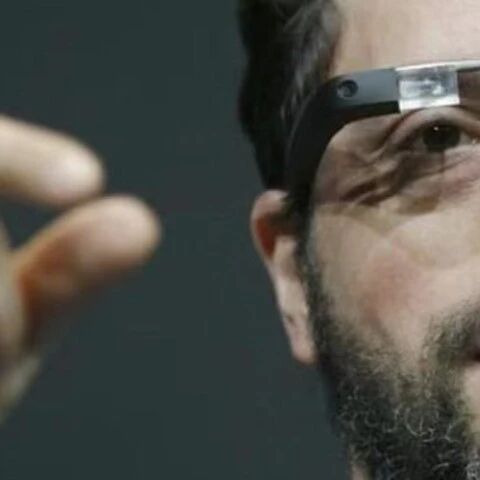
Core Insights - Google has initiated two AI glasses projects, currently in the POC (Proof of Concept) stage, with potential release as early as Q4 2026 [6][10] - The AI glasses will likely feature a waveguide optical solution and a camera, with hardware manufacturing by Foxconn and chip supply from Qualcomm [6][7] - Google aims to leverage its advanced Gemini AI model, which integrates natural language understanding and multimodal reasoning, as a core competitive advantage for its AI glasses [11][12] Group 1: Project Development - Google is working on two parallel AI glasses projects, distinct from the previously announced Project Aura, which was developed in collaboration with Chinese AR brand Xreal [6][10] - The AI glasses project is led by Michael Klug, a key figure from Google Labs and a former member of Magic Leap, indicating a strong expertise in the field [7][10] Group 2: Market Positioning - Google has a historical presence in the smart glasses industry, having launched Google Glass in 2012, which faced challenges due to privacy concerns [8][10] - After a cautious approach post-2015, Google shifted its focus from consumer-grade products to B2B applications in logistics, medical training, and remote device maintenance [10][12] - Despite trailing behind competitors like Meta's Ray-Ban, Google is strategically enhancing its infrastructure and ecosystem for AI glasses, including partnerships with Samsung and Qualcomm for an XR-specific operating system [10][12] Group 3: Competitive Landscape - The entry of Google into the AI glasses market introduces a formidable competitor, equipped with a comprehensive ecosystem that includes content, operating systems, and advanced AI capabilities [12][13] - Google's extensive experience in the eyewear industry positions it uniquely against other players in the AI glasses space, making it a well-rounded contender [12][13]

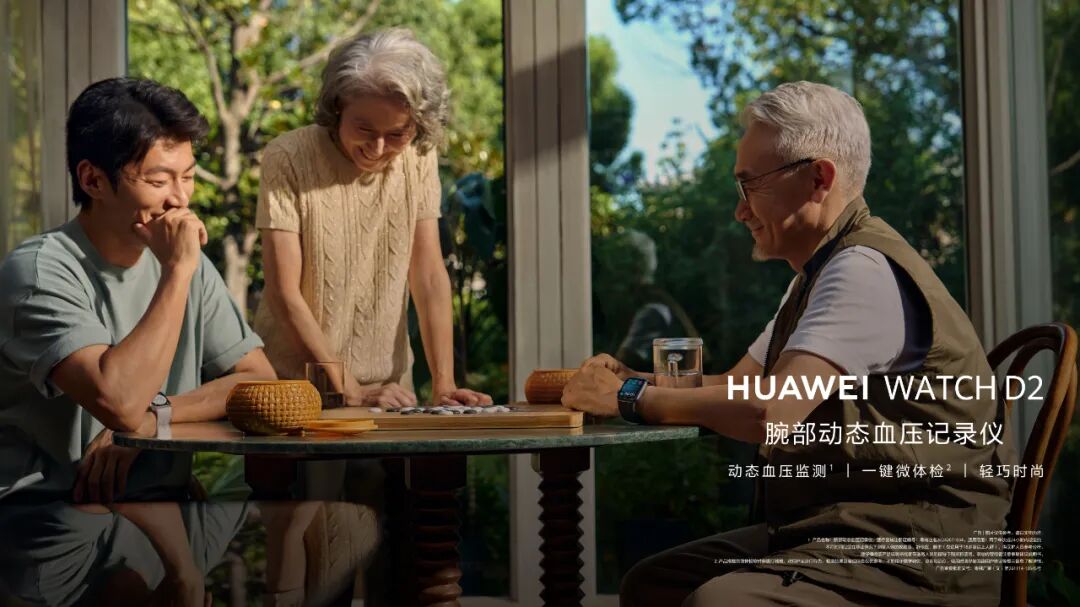
同级断层领先!华为腕上血压监测引领智能穿戴新高度
Mei Ri Jing Ji Xin Wen· 2025-11-28 07:55
Core Insights - Huawei has successfully transitioned its smartwatch from a "health sentinel" to a "wrist blood pressure expert" by achieving medical-grade accuracy in blood pressure monitoring, which is now recognized for medical diagnostic reference [1][3]. Group 1: Product Development and Innovation - The Huawei WATCH D series has evolved from the first medical device certification in 2021 to the world's first dynamically certified blood pressure smartwatch, addressing a significant public health issue with 245 million hypertension patients in China [3][4]. - The WATCH D2 integrates traditional medical measurement techniques with innovative technology, combining oscillometric methods with a micro inflatable cuff to ensure accurate blood pressure readings [5][12]. - The WATCH D2 has received seven global medical certifications, including from the Chinese National Medical Products Administration, confirming its clinical accuracy comparable to professional medical devices [5][6]. Group 2: Addressing Market Needs - Huawei's WATCH D2 addresses long-standing challenges in hypertension management, such as the need for continuous monitoring and the limitations of traditional blood pressure measurement methods [9][10]. - The device allows for automatic blood pressure measurements throughout the day and night, achieving over 85% effective reading rates within 24 hours, thus facilitating better hypertension management [12][13]. Group 3: Comprehensive Health Management - The WATCH D2 offers tailored blood pressure management features, including reminders for regular measurements and the ability to generate detailed health reports analyzed by healthcare professionals [13][14]. - The device supports a one-click micro health check that provides a comprehensive health report in about 60 seconds, covering various health metrics, including emotional and cardiovascular health [14][15]. Group 4: Market Position and Future Outlook - Huawei has established itself as a leader in the wearable device market, with over 200 million devices sold globally and a 20.2% market share, making it the top brand in both global and Chinese smartwatch markets [16]. - The company aims to further innovate in the health monitoring space, transitioning smartwatches from consumer electronics to professional health devices, thus enhancing their role in chronic disease management [16].