天然气

Search documents
欧美不要的俄气转向中国,钱难回本,俄罗斯先争一口气
Sou Hu Cai Jing· 2025-11-09 06:18
Core Insights - The recent sanctions and embargoes imposed by the US and Europe on Russia have led to a shift in Russia's energy exports towards the East, particularly strengthening ties with China [1][2] - Europe's reliance on Russian energy has created internal divisions regarding the imposition of sanctions, with countries less dependent on Russian energy advocating for stricter measures, while those more reliant are more pragmatic [1][2] Group 1: Energy Supply Dynamics - The energy crisis in Europe has been exacerbated by insufficient renewable energy infrastructure and low natural gas reserves, leading to a dilemma of either accepting payments in rubles or facing supply disruptions [2][4] - Russia aims to become China's largest natural gas supplier by 2035, targeting over 25% of China's natural gas imports, indicating a strategic pivot towards Asian markets [2][4] - The ongoing energy crisis has resulted in rising natural gas prices in Europe, causing production halts in many industries and increasing inflationary pressures [4][7] Group 2: Strategic Partnerships - The partnership between Russia and China is characterized by mutual benefits, with Russia providing abundant resources and China ensuring stable demand [5][10] - Russia's strategy to diversify its energy exports towards Asia and Africa is a calculated move to mitigate risks associated with over-reliance on European markets [4][10] - The geopolitical landscape is shifting, with Russia's "Eastward Strategy" reflecting a reallocation of resources and a long-term commitment to stable partnerships [7][9] Group 3: Economic Implications - The economic foundation of Europe is at risk due to potential energy supply disruptions, which could lead to inflation, unemployment, and industrial instability [7][9] - The ability of Europe to maintain competitiveness in the future hinges on its willingness to prioritize public welfare over political posturing in energy policy [7][9] - The global energy market is witnessing a transformation, where energy remains a valuable commodity that will find new buyers despite sanctions [10]

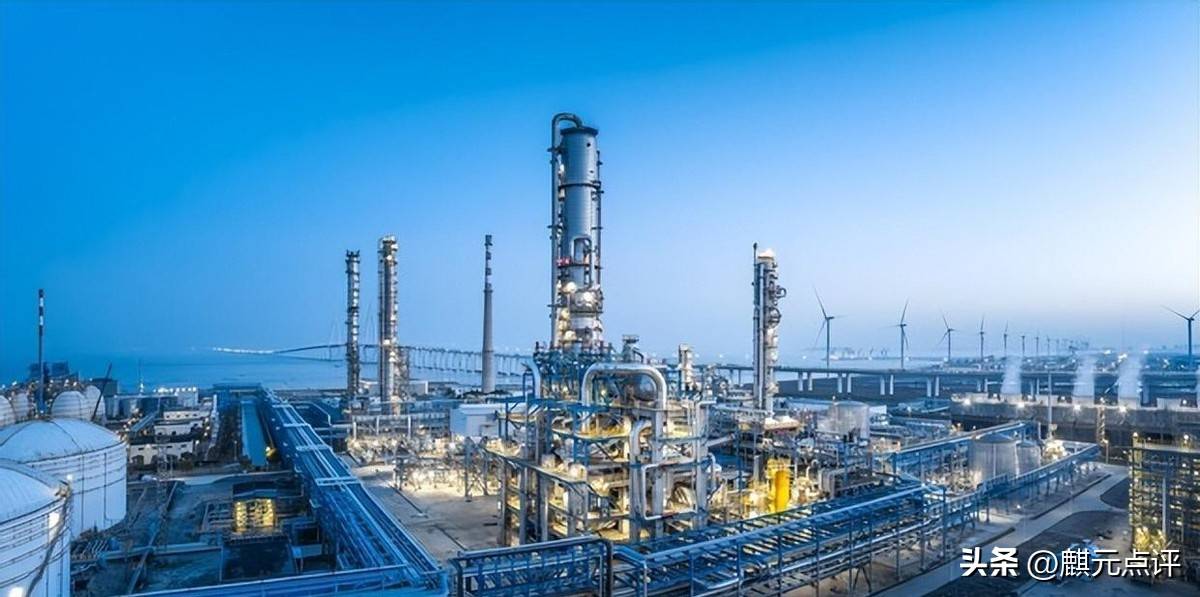
全国最大LNG能源岛接卸量突破6800万吨
Yang Zi Wan Bao Wang· 2025-11-09 04:24
Core Insights - The arrival of the first energy vessel, "Almafiya," at the China National Petroleum Corporation's Jiangsu LNG terminal marks the countdown to winter energy supply in the region, with Yangguang Island becoming a crucial energy supply hub in the Yangtze River Delta [1] - The terminal has received a total of 68.11 million tons of LNG, indicating a significant increase in energy vessel arrivals as winter approaches [1] Group 1: Operational Efficiency - To ensure the efficient operation of traditional shipping routes, the Rudong Border Inspection Station has upgraded its "normalization guarantee mechanism," providing 24/7 customs services and a "fast track" for energy materials [4] - The station has implemented a tailored operational plan for each vessel, allowing for seamless checks and reduced port stay costs [4] Group 2: Arctic Shipping Support - Since the opening of the Arctic shipping route in July 2018, LNG transport volumes from the Yamal project have been increasing, prompting the Rudong Border Inspection Station to develop a specialized support plan for polar vessels [4] - A dedicated channel for polar vessels has been established to prioritize entry procedures, ensuring timely inspections and quick customs clearance during the short navigation window of 2.5 to 3 months each year [4] Group 3: Weather Response Mechanism - The Rudong Border Inspection Station has enhanced its winter weather response mechanism to address extreme weather conditions affecting energy security, particularly in the Yangguang Island area [7] - Collaboration with meteorological departments allows for precise alerts on cold waves and strong winds, facilitating the reinforcement and scheduling of vessels in port [7] - The station has formed a "Party Member Pioneer Team" to ensure zero delays for energy vessels during low-temperature conditions, optimizing inspection processes and enhancing technological applications [7]

美国在欧洲打下能源桩子!借道希腊,对乌供气至2050年
Sou Hu Cai Jing· 2025-11-08 21:43
Core Viewpoint - The collaboration between Ukraine, Greece, and the Atlantic-seeLNGTrade company marks a significant shift in the European energy landscape, aiming to enhance Ukraine's energy security by reducing dependence on Russian gas through a long-term agreement for U.S. liquefied natural gas (LNG) deliveries until 2050 [1][8]. Group 1: Strategic Implications - The agreement allows U.S. LNG to be transported through Greece to Ukraine, effectively bypassing traditional Russian supply routes and addressing Ukraine's historical energy dependency on Russia [1][3]. - Greece's role as an energy hub is solidified, connecting Europe, the Middle East, and North Africa, and benefiting economically from the operation and transportation of LNG [3][6]. - The U.S. aims to expand its LNG exports in Europe, particularly in Central and Eastern Europe, thereby increasing its geopolitical influence while reducing Russia's market share [3][6][8]. Group 2: Economic Considerations - While the agreement appears beneficial, the cost of U.S. LNG is higher than Russian pipeline gas, potentially increasing Ukraine's energy expenditures in the long run [5][7]. - The long-term commitment to this agreement may lead to a trade-off where Ukraine sacrifices lower prices for energy security, emphasizing the importance of stable supply chains over cost [7][8]. Group 3: Broader Impact - The collaboration is expected to reshape the European energy landscape, diminishing Russia's influence while strengthening the energy ties between the U.S. and Europe [8][9]. - Greece's strategic position enhances its role in European energy politics, making it a crucial player in the energy supply chain from Southern to Eastern Europe [6][8]. - The new supply chain structure, once operational, will differ significantly from the existing Russian pipeline system, potentially altering energy dynamics in Europe for decades to come [8][9].
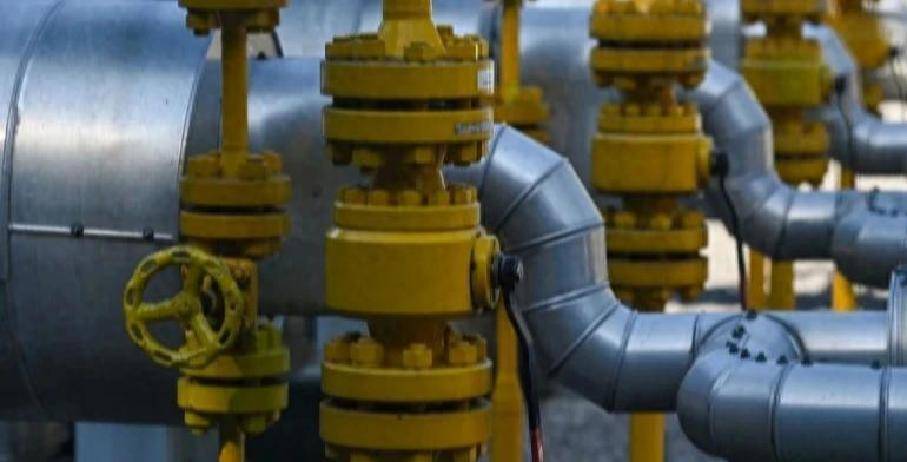
俄对华输气创新高,西方制裁反成催化剂,中国能源安全迎关键转机
Sou Hu Cai Jing· 2025-11-08 12:22
Group 1 - The core point of the article highlights the increasing natural gas supply from Russia to China through the "Power of Siberia" pipeline, which has reached a new high for the sixth time in a short period, indicating a significant geopolitical maneuvering [1][3]. - Western sanctions have severely limited Russia's access to European markets, leading to a substantial economic pressure on Russia, while China emerges as the only viable market for Russian gas [3]. - China's domestic natural gas production is insufficient to meet its growing demand due to industrial upgrades and increased consumption, making the stable supply from Russia crucial for both industrial and residential needs [3][5]. Group 2 - The cooperation between China and Russia is deepening, as evidenced by new agreements during Putin's visit to China, indicating a long-term partnership rather than a temporary arrangement [5]. - The annual supply capacity of the "Power of Siberia" pipeline is set to increase from 38 billion cubic meters to 44 billion cubic meters, with the new "Power of Siberia-2" pipeline expected to transport 50 billion cubic meters annually, further solidifying the energy partnership [5]. - The inclusion of Mongolia in this energy cooperation creates a tripartite benefit system, where Mongolia gains transit revenue, Russia compensates for lost European market share, and China secures a diversified energy supply [5][8]. Group 3 - The energy cooperation has tangible benefits for ordinary citizens in both countries, with Russian citizens seeing job security and fiscal stability, while Chinese households enjoy reliable gas supply for heating and cooking [7][8]. - The stable gas prices from this pipeline arrangement help prevent inflation in various goods, contributing to economic stability in both nations [8]. - This energy partnership serves as a security bond between China and Russia, enabling both countries to better navigate global uncertainties and challenges [8][10].
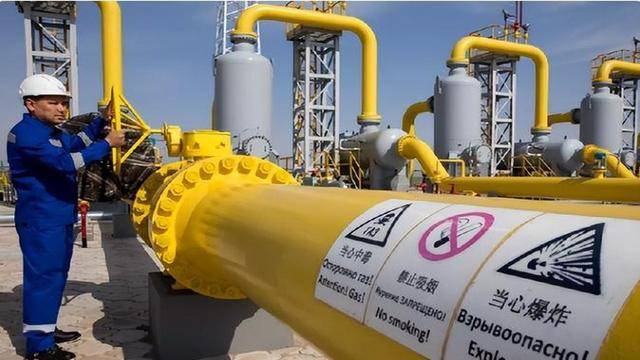
省级电力现货全面覆盖,LNG最高气化服务费确定为0.20元/方
Xinda Securities· 2025-11-08 07:40
Investment Rating - The investment rating for the utility sector is "Positive" [2] Core Views - The report highlights that the domestic power sector is expected to see profit improvement and value reassessment following multiple rounds of supply-demand tensions. The ongoing market reforms are likely to lead to a gradual increase in electricity prices, with the promotion of spot and ancillary service markets [5] - The report also notes that the highest gasification service fee for LNG has been set at 0.20 yuan per cubic meter, effective from November 1, 2025 [5] Summary by Sections Market Performance - As of November 7, the utility sector rose by 2.4%, outperforming the broader market, with the electricity sector increasing by 2.54% and the gas sector by 1.23% [4][12] - Key sub-sectors within electricity showed varied performance, with thermal power up by 2.09% and hydropower by 2.00% [14] Electricity Industry Data Tracking - The price of thermal coal at Qinhuangdao Port (Q5500) increased by 40 yuan to 808 yuan per ton as of November 7 [4][21] - Coal inventory at Qinhuangdao Port was 5.77 million tons, up by 20,000 tons week-on-week [28] - Daily coal consumption in inland provinces was 3.241 million tons, down by 94,000 tons from the previous week [30] Natural Gas Industry Data Tracking - The LNG ex-factory price index in Shanghai was 4,383 yuan per ton as of November 6, a 0.21% increase week-on-week [56] - The EU's natural gas supply for week 44 was 6.5 billion cubic meters, a year-on-year increase of 14.4% [64] - Domestic natural gas consumption in September was 33.19 billion cubic meters, a 2.0% decrease year-on-year [5] Key Industry News - The State Grid has achieved comprehensive coverage of the provincial electricity spot market, with several provinces entering trial operations ahead of schedule [5] - The report emphasizes the potential for significant performance improvement for power operators due to controlled costs and ongoing reforms [5] Investment Recommendations - The report suggests focusing on leading coal-fired power companies such as Guodian Power, Huaneng International, and Huadian International, as well as regional leaders in tight supply areas [5] - For natural gas, companies with low-cost long-term gas sources and receiving station assets are expected to benefit from market conditions [5]





昆仑能源(0135.HK)2026年度投资峰会速递:盈利与分红双重增长带来价值重估
Ge Long Hui· 2025-11-08 05:20
Core Insights - The company presented its core business operations and significant developments at the 2026 Investment Summit, highlighting growth in retail gas volume, LNG supply chain synergy, LPG sales, and crude oil performance, while addressing investor concerns regarding gross margin trends, medium to long-term planning, non-gas business, and dividend policies [1] Business Performance - The company expects to achieve its annual guidance with retail gas growth projected to return to 5% for the year, driven by high single-digit growth from industrial users and efficient operation of LNG receiving stations with an expected annual load factor of 85%-90% [1] - LPG sales showed high single-digit growth in the first nine months, with a slight increase anticipated for the full year, while crude oil production is expected to stabilize at 8 million barrels [1] Gross Margin and Cost Trends - The gross margin for the first half of the year was 0.44 CNY per cubic meter, a slight year-on-year decrease, primarily due to gas station integration and promotional strategies for industrial users; however, a stable to slightly increasing trend is expected in the second half due to cost optimization in winter [2] - The company anticipates that gas demand will remain robust under the dual carbon goals, supported by industry pricing mechanisms, which will help maintain gross margins within a reasonable range [2] Medium to Long-term Strategy - The company has outlined a medium to long-term strategy focusing on "innovation, green, market, capital, and low cost," aiming to become a leading comprehensive energy supplier in China, with natural gas market share expected to align with upstream supply [2] - Non-gas business initiatives include a 380,000 kW onshore wind power project in Shandong set to be operational by Q3 2026, and the "Kunlun Huixiang+" value-added business showing good growth, albeit still at a small scale [2] Dividend Policy and Valuation - The interim dividend was set at 0.166 CNY per share, reflecting a year-on-year increase of 1.2%, with a payout ratio of 45.5%, up by 2.5 percentage points year-on-year; the current stock price corresponds to a projected dividend yield of 4.8% for 2025 [3] - The company maintains profit forecasts for 2025-2027 at 6.15 billion, 6.49 billion, and 6.84 billion CNY, respectively, with corresponding EPS of 0.71, 0.75, and 0.79 CNY, and a target price of 8.58 HKD based on an 11x 2025E PE ratio [3]

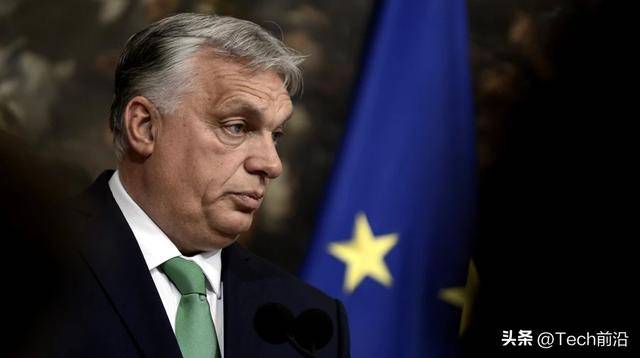
重磅!匈牙利获美国无期限豁免,美匈签核能大单硬刚欧盟
Sou Hu Cai Jing· 2025-11-08 03:36
Core Insights - Hungary has received a waiver from the U.S. for comprehensive energy sanctions, allowing it to continue relying on Russian energy without incurring significant costs for transitioning away from it [1][2] Group 1: Energy Dependency - Hungary is the EU country most dependent on Russian energy, with 90% of its crude oil and 80% of its natural gas sourced from Russia [2] - The "Turkish Stream" pipeline is set to deliver 7.6 billion cubic meters of natural gas to Hungary in 2024, supporting its status as a "gas price haven" in Europe, with household gas costs being one-third of those in Western Europe [2] - The termination of the Russian gas transit agreement with Ukraine has made the "Turkish Stream" the sole route for Russian gas to Europe [2] Group 2: Economic Implications - Experts warn that if the pipeline were to be sanctioned and shut down, Hungary's industrial output could drop by 30%, and inflation could exceed 20% [2] - Hungary's Prime Minister emphasized that energy security is a matter of physical and mathematical necessity, stating that without Russian gas, energy security is merely a theoretical discussion [2] Group 3: U.S.-Hungary Relations - The waiver indicates a shift in U.S. policy under Trump, contrasting with the previous Biden administration, which imposed sanctions on Hungarian officials and restricted military sales [3] - Hungary's Foreign Minister stated that U.S.-Hungary relations are entering a "new golden era," with the U.S. indicating a willingness to resume military cooperation [3] Group 4: EU Policy Tensions - The waiver has further strained the EU's unified stance on Russian energy sanctions, as Hungary has repeatedly blocked EU efforts to impose a complete ban on Russian oil and gas by 2026 [5] - Slovakia has followed Hungary's lead by importing Russian gas through the "Turkish Stream," and even Ukraine has turned to Hungary for Russian gas during emergencies [5] Group 5: Future Ambitions - Hungary aims to leverage the remaining capacity of the "Turkish Stream" to supply gas to Slovakia and plans to establish a natural gas distribution center in Central Europe, potentially replacing Austria's traditional role [6] - The waiver allows Hungary to stabilize energy costs while profiting from the price differences in gas trading between the EU and Russia [6]
新天绿色能源股份有限公司 关于全资子公司参与投资的投资基金完成注销登记公告
Zhong Guo Zheng Quan Bao - Zhong Zheng Wang· 2025-11-08 00:17
登录新浪财经APP 搜索【信披】查看更多考评等级 新天绿色能源股份有限公司(以下简称"公司")于2022年1月18日召开第四届董事会第二十九次临时会 议,审议通过《关于本公司全资子公司参与投资设立河北新天绿色水发碳中和股权投资基金的议案》, 同意公司的全资子公司河北建投汇能新能源有限责任公司(以下简称"建投汇能")与湖南水发兴业绿色 能源股份有限公司(以下简称"湖南水发兴业")、河北建投创发基金管理有限公司(以下简称"建投创 发")、山东水发创新投资有限公司(以下简称"水发创投"),通过有限合伙企业形式共同投资设立河 北新天绿色水发碳中和股权投资基金(有限合伙)(以下简称"新天水发碳中和基金"),其中建投汇能 作为有限合伙人出资金额17,900万元,出资比例为49.722%。具体内容详见《新天绿色能源股份有限公 司关于全资子公司参与投资设立投资基金暨关联交易的公告》(公告编号:2022-008)。 2022年9月7日,新天水发碳中和基金在中国证券投资基金业协会完成备案手续。具体内容详见《新天绿 色能源股份有限公司关于全资子公司参与投资设立投资基金暨关联交易进展的公告》(公告编号: 2022-068)。 二、投 ...
11月7日中国能化现货估价指数(CECSAI)较前一工作日上涨0.02%
Sou Hu Cai Jing· 2025-11-07 15:45
Core Insights - The China Energy and Chemical Spot Price Index reported at 823.33 points as of November 7, 2025, reflecting a slight increase of 0.02% from the previous day, but a decrease of 17.67% from the baseline set on July 2, 2024 [1] Industry Summaries - The oil industry index stands at 802.87 points, showing a decline of 0.12% from the previous working day [2] - The natural gas industry index remains stable at 990.02 points, with no change from the previous day [3] - The chemical industry index is at 807.24 points, indicating a modest increase of 0.2% from the previous working day [4] - The overall domestic energy and chemical spot price index experienced a slight increase, with varied performance across different sectors. Oil prices continue to decline, while the chemical sector shows some strength [6] Price Monitoring Data - The current prices for various oil products include: - Crude oil at 3617 CNY/ton, down 0.33% from the previous price of 3629 CNY/ton [7] - Gasoline prices in North China decreased by 0.35% to 7150 CNY/ton [7] - Diesel prices in North China increased by 0.23% to 6515 CNY/ton [8] - In the chemical sector, notable price changes include: - Ethanol in Zhejiang Province increased by 0.87% to 4040 CNY/ton [9] - Urea prices in Shandong Province rose by 0.64% to 1580 CNY/ton [9] - The China Energy and Chemical Spot Price Index is a collaborative effort involving multiple organizations, aimed at providing a comprehensive view of market price changes and industry trends [10]

日本计划每月购买LNG应急储备,强化供应保障!全年将为应急储备采购至少12船次、84万吨液化天然气,远高于过去两年每年约21万吨的采购量
Ge Long Hui· 2025-11-07 11:39
Group 1 - Japan, the world's second-largest LNG importer, plans to purchase LNG monthly for emergency reserves starting January 2024, rather than only during peak demand periods to mitigate supply disruptions [1] - The Strategic Reserve LNG (SBL) program, operated by Japan's Ministry of Economy, Trade and Industry, will be strengthened to ensure at least one shipment of LNG (approximately 70,000 tons) is secured each month to alleviate supply risks [1] - This new strategy means Japan will procure at least 12 shipments, totaling 840,000 tons of LNG annually for emergency reserves, significantly higher than the approximately 210,000 tons purchased each year over the past two years [1] Group 2 - In the absence of emergencies, SBL cargoes can be utilized or resold, indicating flexibility in Japan's LNG management strategy [1] - As domestic demand declines, Japan is expanding its role as an LNG trader, exporting surplus cargoes overseas during periods of weak local consumption [1]