Food and Beverage

Search documents
WK Kellogg Co(KLG) - 2025 Q1 - Earnings Call Transcript
2025-05-06 15:02
Financial Data and Key Metrics Changes - The company has adjusted its top line estimate for the year, reflecting a demand outlook that aligns with category dynamics and consumer behavior [14][15] - Gross margin contraction is expected in the second quarter, with a stabilization anticipated in the back half of the year [16][40] Business Line Data and Key Metrics Changes - The company is experiencing a rapid acceleration in consumer interest in health and wellness brands within the ready-to-eat cereal category, indicating a positive trend for the business [7][12] - The Kashi relaunch and campaigns across mainstream brands are part of the strategy to capitalize on this trend [9][12] Market Data and Key Metrics Changes - In the U.S., there has been a sequential improvement of about 80 basis points in both sales and volume, indicating a stable backdrop for executing the company's strategy [20][21] - The company is focusing on a stable top line growth of minus 1% to plus 1%, which is essential for delivering long-term margin growth [22] Company Strategy and Development Direction - The company is committed to a strategic reallocation of investments to enhance returns and align with consumer preferences, particularly in health and wellness [28][30] - The long-term guidance includes a target of 500 basis points of EBITDA margin expansion by the end of 2026, primarily through gross margin improvements [42][47] Management's Comments on Operating Environment and Future Outlook - Management acknowledges the challenges in the current operating environment but expresses confidence in the strategic priorities and actions being taken to drive business value [65] - The company believes that the current consumer sentiment, focusing on value and health, presents a long-term tailwind for the cereal category [54] Other Important Information - The company is enhancing its marketing strategies and product offerings, including a multi-brand fiber campaign and the relaunch of Special K products [58][59] - There is an ongoing effort to optimize the cost structure and enhance efficiencies in distribution and manufacturing [48][49] Q&A Session Summary Question: What drove the recent acceleration in consumer interest in health and wellness brands? - Management believes the acceleration is a continuation of a trend, driven by consumer focus on value and health, and they are prepared to capitalize on this [11][12] Question: What is the expected gross margin contraction in the second quarter? - Management indicated that the largest impact will be in Q2 as they adjust their manufacturing plan, with expectations for stabilization in the back half of the year [15][16] Question: How does the company define a stable backdrop for sales growth? - The company sees the current category performance as consistent with planning assumptions, allowing for stable top line growth in the range of minus 1% to plus 1% [20][22] Question: How confident is the company in returning to market share performance in line with the category? - Management stated that improvements will be sequential throughout the year, with distribution gains and strategic investments expected to contribute positively [33][35] Question: What is the plan for Special K to stabilize its performance? - Management is focusing on stronger health claims and product relaunches to leverage the brand's health credentials and respond to consumer trends [56][58] Question: How will the company respond to emerging protein-forward brands? - Management indicated a dual approach of enhancing existing brand marketing while also considering acquisitions of smaller brands [60][62]

Ferrari Says Tariffs May Reduce Profits—Joining These Companies Warning Of Tariff Impacts
Forbes· 2025-05-06 13:24
Core Insights - The luxury car maker Ferrari has indicated that U.S. tariffs pose a potential risk to its profitability, reflecting broader concerns among various companies regarding the impact of tariffs on earnings and financial forecasts [1][2] Company-Specific Summaries - **Ferrari**: The company noted a potential risk of a 50 basis points reduction to earnings in 2025 due to the introduction of import tariffs on European cars into the U.S. [2] - **Mattel**: The CEO expressed uncertainty about the evolving tariff situation and announced a pause on full-year guidance, indicating potential price increases for toys if necessary [3] - **Ford**: The automaker expects tariffs to reduce its earnings before interest and taxes by approximately $1.5 billion in 2025 and has suspended its full-year guidance due to potential supply chain disruptions [3] - **Cummins**: The company withdrew its 2025 forecast, citing growing economic uncertainty driven by tariffs [4] - **Apple**: The company anticipates a $900 million hit to its bottom line in the second quarter due to tariffs, complicating future predictions [4] - **Amazon**: The company stated that its future results are "inherently unpredictable" due to global economic conditions and tariff policies [5] - **General Motors**: The company lowered its earnings forecast for 2025 to between $10 billion and $12.5 billion, down from $13.7 billion to $15.7 billion, adjusting to the new trade policy environment [6] - **McDonald's**: Reported a 3.6% decline in U.S. same-store sales in the first quarter of 2025, the largest decrease since 2020, attributing it to consumer uncertainty [6] - **Stellantis**: Suspended its full-year financial guidance for 2025 due to tariff-related uncertainties [6] - **Mercedes**: Pulled its full-year outlook for 2025, citing high volatility regarding tariff policies [6] - **UPS**: Withdrew its full-year guidance after previously forecasting revenue of $89 billion for 2025, citing macroeconomic uncertainty [6] - **Kraft Heinz**: Lowered its full-year outlook due to a volatile operating environment influenced by tariffs and inflation [7] - **JetBlue**: Pulled its full-year outlook for 2025 due to macroeconomic uncertainty [7] - **Snap**: Declined to issue guidance for its second quarter, citing uncertainty in macroeconomic conditions affecting advertising demand [8] - **Volvo**: Warned that 2025 would be challenging due to macroeconomic and geopolitical developments, including tariffs [9] - **PepsiCo**: Lowered its earnings forecast for 2025, expecting more volatility and higher supply chain costs due to tariffs [9] - **Procter & Gamble**: Lowered its sales growth projections for the year, citing a challenging consumer and geopolitical environment [9] - **American Airlines**: Took a cautious approach to growth after pulling its full-year guidance, citing significant weakness in demand due to economic uncertainty [9] - **Skechers**: Withdrew its full-year outlook, attributing it to macroeconomic uncertainty from global trade policies [9] - **Thermo Fisher Scientific**: Withdrew its full-year profit forecast, expecting a $400 million hit in sales to China due to tariffs [10] - **Chipotle**: Lowered its full-year same-store sales growth expectations, anticipating reduced consumer spending due to economic concerns [11] - **Alaska Airlines**: Pulled its full-year 2025 guidance due to recent economic uncertainty [11] - **Southwest Airlines**: Withdrew guidance for 2025, citing macroeconomic uncertainty [11] - **United Airlines**: Held its full-year forecast but issued a lower earnings guidance for 2025 due to unpredictable economic conditions [11] - **Logitech**: Withdrew its outlook for the 2026 fiscal year due to ongoing tariff uncertainty [11] - **Walmart**: Announced it would pull forecasts for operating income, citing a growing range of outcomes due to tariffs [11] - **Delta**: Pulled its full-year guidance due to broad macro uncertainty [12]



BellRing Brands(BRBR) - 2025 Q2 - Earnings Call Transcript
2025-05-06 13:00
Financial Data and Key Metrics Changes - The company reported net sales of $588 million, a 19% increase year-over-year, and adjusted EBITDA of $119 million, which is a 14% increase [21][22] - Adjusted EBITDA margins were 20.2%, in line with expectations, and adjusted gross profit margin increased by 80 basis points to 34.5% [22][24] - The company affirmed its fiscal 2025 guidance for net sales between $2.26 billion and $2.34 billion, indicating a growth of 13% to 17% [25][26] Business Line Data and Key Metrics Changes - Premier Protein net sales grew by 22%, driven by strong volume growth in ready-to-drink (RTD) shakes and powders [21][22] - Dymatize's net sales increased by 3%, supported by a 20% rise in volume, with double-digit growth in international markets [16][21] Market Data and Key Metrics Changes - The convenient nutrition category grew by 12% in Q2, with RTD growth at 19%, indicating strong consumer demand [7][8] - Premier Protein achieved all-time highs in household penetration, reaching nearly 21% [11] Company Strategy and Development Direction - The company plans to expand promotions in Q4, leveraging strong brand metrics and inventory levels to drive household penetration [12][18] - The focus remains on innovation, with new product lines like the indulgent shakes targeting incremental consumption occasions [15][18] Management's Comments on Operating Environment and Future Outlook - Management expressed confidence in the long-term growth potential of the protein category, citing strong macro tailwinds [18] - Despite a weakening consumer sentiment, the company does not anticipate significant impacts on its category, modeling various scenarios for growth [32][58] Other Important Information - The company generated $48 million in cash flow from operations in Q2, with net debt at $932 million and net leverage at 1.9 times [24][25] - Increased advertising and promotion expenses were noted, with A&P spending at 4.7% of net sales, up from 3.1% in the previous year [23][24] Q&A Session Summary Question: Expectations for category growth in the second half given weakening consumer environment - Management noted that category fundamentals remain strong, with RTD category growth expected to continue despite broader consumer sentiment challenges [31] Question: Insights on retailer inventory changes - Management indicated that the inventory adjustments are primarily a one-time reset related to previous over-ordering by retailers, not a reflection of consumption decline [36][42] Question: Impact of tariffs on input costs - Dairy inputs constitute about 30% to 40% of total COGS, with potential tariff impacts expected to be minor and manageable [48] Question: Marketing and advertising spending levels - The second quarter's marketing spend was in line with expectations, with a slight reallocation towards promotions anticipated for the second half of the year [54] Question: Competitive landscape and protein content trends - Management believes that while some competitors are increasing protein levels, the focus will remain on a balanced approach that includes taste and nutritional value [66][69] Question: Future innovation plans - Upcoming innovations will target new consumer segments and occasions, with the indulgent line already showing promising results in attracting new customers [111][113]

不是楼上吃不起,而是B1更有性价比
3 6 Ke· 2025-05-06 11:04
Core Insights - The shopping centers are increasingly seeing a shift where B1 and B2 levels are becoming the main attraction, primarily driven by food and beverage offerings rather than traditional retail [3][35]. Group 1: Shift in Consumer Behavior - Consumers are now more focused on the value of their spending, with B1 and B2 levels offering more affordable dining options compared to the first two floors [11][18]. - The traditional retail model is struggling, with many consumers finding little worth purchasing in shopping centers beyond dining experiences [5][35]. Group 2: Changes in Retail Composition - The ratio of shopping, dining, and entertainment in shopping centers has shifted from a traditional 5:2:3 to a more balanced 1:1:1, indicating a rise in the importance of dining [7][8]. - Many shopping centers are now resembling large food courts, with dining options taking over spaces previously reserved for retail [10][11]. Group 3: Characteristics of B1 and B2 Levels - B1 and B2 levels are characterized by smaller dining establishments that benefit from lower rent and high foot traffic, making them ideal for high-frequency, low-cost consumption [17][18]. - The presence of chain restaurants and the use of central kitchens in B1 and B2 levels enhance operational efficiency and reduce costs, making these levels attractive for both consumers and operators [19][20]. Group 4: Consumer Experience in Shopping Centers - The shopping experience for younger consumers has become highly ritualized, often culminating in dining at B1 and B2 levels after engaging with retail [22][33]. - The focus on food consumption in these underground levels reflects a broader trend where traditional retail is losing its appeal, while dining remains a key driver of foot traffic [34][35].

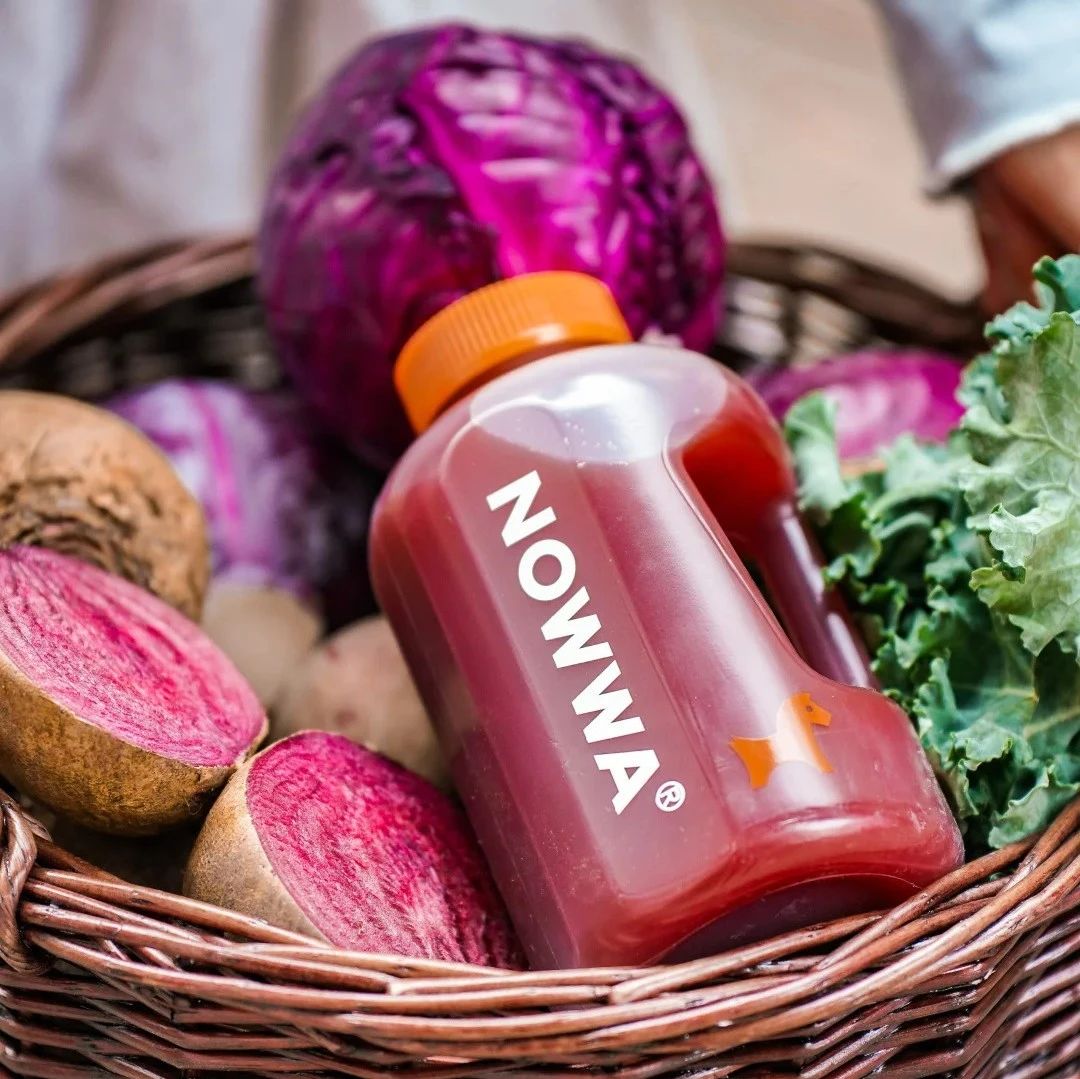
红菜头正在成为“中产通行证”
FBIF食品饮料创新· 2025-05-06 00:31
Core Viewpoint - The article discusses the rise of "superfoods" in the market, highlighting their marketing appeal and the trend of food brands incorporating these ingredients into their products to attract consumers [5][19][33]. Group 1: Definition and Popularity of Superfoods - "Superfood" is a vague term originating from the West, referring to foods rich in certain nutrients, but lacks a strict scientific definition [13][15]. - The popularity of superfoods has surged recently, with various brands launching products featuring ingredients like kale, beetroot, and turmeric, which are marketed for their health benefits [6][7][10]. - A significant factor in the rise of superfoods is a 2022 article from Harvard Health that listed ten superfoods, which gained traction on social media and contributed to the perception of these foods as health-enhancing [20][23]. Group 2: Market Trends and Brand Strategies - In the past year, many food and beverage brands have introduced new products centered around superfoods, with notable examples including Heytea's kale-based drink and various offerings from other tea brands [6][7][10]. - The trend has expanded beyond beverages to include snacks and meal replacements, with brands like White Elephant and Wang Baobao launching products that emphasize the health benefits of superfoods [10][26]. - Social media data indicates that the most common associations with superfoods have shifted from weight loss to nutrition, reflecting a broader acceptance of these ingredients in everyday diets [29]. Group 3: Historical Context and Marketing Dynamics - The article traces the historical context of superfoods, noting that many have undergone similar marketing transformations in the past, such as bananas and avocados, which were once considered difficult to sell but became popular through strategic marketing [35][37]. - The marketing of superfoods often emphasizes their health benefits while downplaying their historical challenges in gaining consumer acceptance, suggesting that the appeal of superfoods is as much about marketing as it is about nutrition [33][40].
中金:A股节后有望迎来“开门红”
news flash· 2025-05-06 00:04
Core Viewpoint - The report from CICC suggests that A-shares are likely to experience a "good start" after the holiday due to marginal improvement in the performance of listed companies in the first quarter and positive external factors during the A-share market closure [1] Group 1: Market Performance - A-share companies showed marginal performance improvement in Q1 [1] - Positive external market conditions, including better performance of Hong Kong and US stocks during the A-share market closure, are expected to influence A-shares positively [1] Group 2: Investment Recommendations - Focus on sectors with recovering demand and low tariff impact, such as AI development, cloud computing, and robotics [1] - Consider export sectors with low exposure to the US, including engineering machinery, power grid equipment, and commercial vehicles [1] - Highlight high cash flow and low external demand correlation sectors, such as hydropower, telecommunications, and leading companies in the food and beverage industry [1]
BellRing Brands Reports Results for the Second Quarter 2025; Affirms Fiscal Year 2025 Outlook
Globenewswire· 2025-05-05 21:00
Core Insights - BellRing Brands, Inc. reported strong financial results for the second fiscal quarter ended March 31, 2025, with net sales reaching $588.0 million, an increase of 18.9% year-over-year, driven by volume growth and price/mix improvements [4][10][15]. Financial Performance - Adjusted EBITDA for the second quarter was $118.6 million, reflecting a 14.4% increase compared to the prior year [14]. - Gross profit was $189.8 million, or 32.3% of net sales, up 15.5% from $164.3 million, or 33.2% of net sales, in the previous year [7][34]. - Selling, general and administrative (SG&A) expenses increased to $90.5 million, representing 15.4% of net sales, compared to $69.1 million, or 14.0% of net sales, in the prior year [9][18]. Product Performance - Premier Protein net sales increased by 22.0%, driven by a 15.3% volume growth and a 6.7% increase in price/mix [5][15]. - Dymatize net sales grew by 3.0%, with a significant 20.4% increase in volume, although this was partially offset by a 17.3% decrease in price/mix [6][15]. Market Trends - The consumption of Premier Protein ready-to-drink shakes and powder products saw increases of 24.9% and 21.7%, respectively, indicating strong market demand [3]. - The company continues to expect net sales growth of 13% to 17% for fiscal year 2025, despite macroeconomic uncertainties [3][24]. Share Repurchase Activity - During the second quarter, BellRing repurchased 2.4 million shares for $171.7 million at an average price of $71.68 per share, with $280.0 million remaining under its share repurchase authorization as of March 31, 2025 [23]. Outlook - The company has affirmed its fiscal year 2025 outlook, expecting net sales to range between $2.26 billion and $2.34 billion, and Adjusted EBITDA to range between $470 million and $500 million [24].

广州饮品圈“山野风”掀起消费新浪潮
Guang Zhou Ri Bao· 2025-05-05 16:13
Core Viewpoint - The "mountain wild" beverage trend has emerged as a new favorite among young consumers during the May Day holiday in Guangzhou, reshaping the competitive landscape of the ready-to-drink tea market [1][2]. Group 1: Market Trends - Natural ingredients such as wood ginger, papaya, sea buckthorn, and wild tomatoes have become popular in ready-to-drink tea, appealing to young consumers [2]. - The "mountain wild" theme has been successfully integrated into various products, with brands like Tea Baidao and Nayuki launching specific series that highlight these ingredients [2][3]. - The popularity of "mountain wild" beverages is reflected in high sales, with some products selling out quickly, indicating strong consumer demand [2]. Group 2: Consumer Behavior - The rise of "mountain wild" beverages aligns with the emotional needs of the younger generation, who seek stress relief through natural and nostalgic flavors [3]. - The combination of seasonal, local ingredients and traditional preparation methods resonates with consumers, enhancing their connection to childhood memories and local culture [3]. Group 3: Brand Strategy - Brands are encouraged to innovate using seasonal, contextual, and ingredient-based approaches to maintain consumer interest and promote health [4]. - The uniqueness and regional characteristics of "mountain wild" ingredients provide brands with new storytelling opportunities, enhancing emotional value for consumers [4]. - Collaborating with local farmers and securing ingredient supply chains will be essential for brands to ensure quality and freshness in their offerings [4].
Skechers shares jump 25% after striking $9.4B deal to go private
New York Post· 2025-05-05 16:04
Core Viewpoint - Skechers has agreed to be taken private by 3G Capital in a $9.4 billion deal amid challenges from US tariffs and trade policies [1][2][3] Group 1: Deal Details - The acquisition price is set at $63 per share, which represents a 28% premium over Skechers' stock price prior to the announcement [1] - Following the announcement, Skechers' shares increased by 25% to $61.61 [1] - The deal is expected to close in the third quarter of 2025 and will be financed through cash from 3G Capital and debt financing from JPMorgan Chase Bank [4] Group 2: Market Context - Skechers withdrew its annual results forecast last month due to the impact of the Trump administration's trade policies on the global economy and consumer sentiment [2][5] - The Trump administration has increased import tariffs on Chinese goods to 145%, significantly affecting Skechers as China constitutes a major source of imports for its US business [2]


展位图公布!FBIF食品创新展5月8日见!
FBIF食品饮料创新· 2025-05-04 15:35
Core Points - The FBIF2025 Food Innovation Exhibition will feature over 600 exhibitors, 100 global channel representatives, and 2000 innovative products, attracting more than 47,000 attendees [1] - The exhibition will take place from May 8 to May 10, 2025, at the National Exhibition and Convention Center in Shanghai [3][4] - The event will include the FBIF2025 Food and Beverage Innovation Forum with over 200 speakers and judges, and more than 7400 industry guests [1] Exhibition Details - The exhibition will be held in halls 4.2, 5.2, and 6.2 of the National Exhibition Center, located at 333 Songze Avenue, Qingpu District, Shanghai [4] - The exhibition hours are from 9:00 AM to 5:00 PM on May 8-9, and from 9:00 AM to 2:00 PM on May 10 [3][63] Exhibitor Information - Over 300 brands including Yili, OATLY, and others will showcase their innovative products across various food and beverage categories such as dairy, beverages, snacks, and functional foods [25] - The exhibition area will cover more than 62,000 square meters, featuring a wide range of domestic and international brands [25] Channel Partnership Activities - The channel negotiation area will expand to 1000 square meters, divided into sections for global channel negotiations and specialized procurement meetings [35] - The event will host over 30 leading buyers from various sectors, including national chain supermarkets and e-commerce platforms [36] Special Events - The event will include themed procurement meetings on May 8 and 9, focusing on domestic and overseas channels respectively [36][39][40] - Various specialized sessions will be held, targeting different product categories and market segments [39][42]