炸串

Search documents
球赛+美食!快快看过来,2026海口亚洲杯美食攻略
Xin Lang Cai Jing· 2026-01-25 04:53
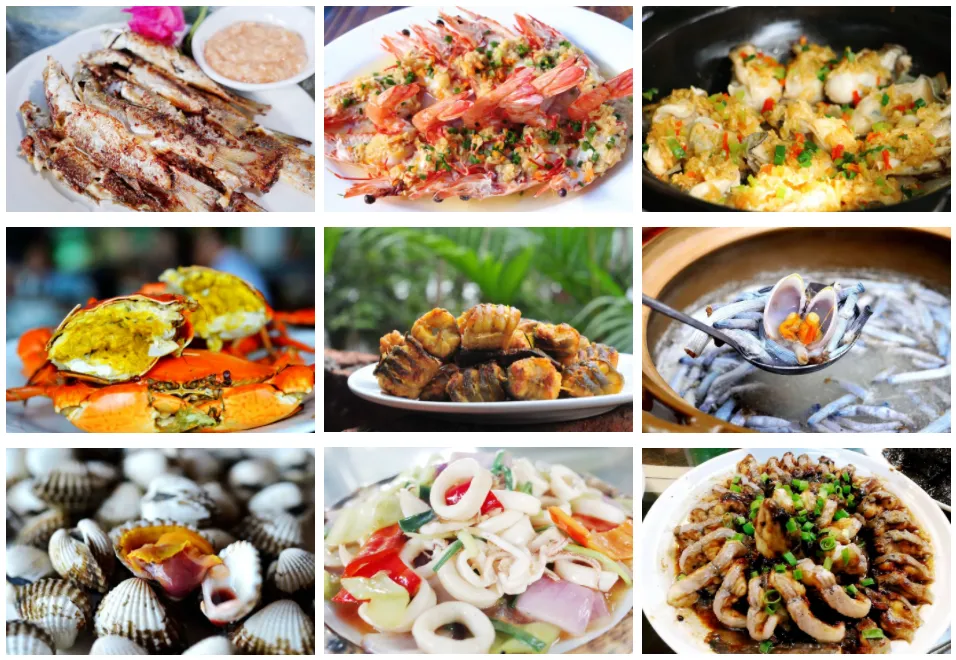
Core Viewpoint - The article highlights the culinary delights of Haikou, particularly during the 35th International Table Tennis Federation-Asian Table Tennis Union Asian Cup, encouraging visitors to explore local flavors alongside the sporting event [1]. Seafood Feast - Haikou's seafood is renowned for its freshness, featuring local classics such as boiled shrimp, pepper salt mantis shrimp, garlic oysters, and sandworm porridge, especially popular for late-night snacks [3]. - Recommended restaurants include A Lang Seafood, Hainan Renjia, and Xin Deli Seafood Restaurant [3]. Noodle and Rice Dishes - Noodles in Haikou are not just a meal but a taste of local culture, with varieties like Hainan noodles, Hou'an noodles, and stir-fried noodles, characterized by rich flavors and diverse ingredients [5]. - Notable eateries include Song Ji Hainan Noodles, Ya Mei Hainan Noodles, and Zhang Ji Hou'an Noodles [5]. Chicken Dishes - Hainan chicken dishes are diverse, ranging from sweet coconut chicken to savory salt-baked chicken, ideal for sharing after matches [8]. - Recommended places include Long Zai Chicken Rice, Wu Ming Chicken Rice, and Jia Ji Chicken Rice [8]. Hot Pot and Stews - Haikou's hot pot and stew options reflect local culture, with dishes like sour and spicy hot pot and vegetarian stews, perfect for group dining [11]. - Popular spots include Yang Ji Zao Po Vinegar Hot Pot and Lin Ji Old Brand [11]. Local Tea Culture - The day in Haikou often starts with "Old Dad Tea," a cultural ritual that pairs tea with local snacks, providing a leisurely experience between matches [13]. - Recommended tea houses include Heng Xing Fa Tea House and Zhen Fang Hua Food Store [14]. Unique Local Beverages - The "Old Salt" drink, a blend of fresh fruit and salt, offers a unique taste experience, ideal for both tea time and night market visits [15][17]. - Notable vendors include Zhen Da Fu Water Bar and De Hui Xuan Water Bar [17]. Desserts and Night Market - Haikou's sweet offerings include "Qing Bu Liang," a coconut milk dessert, perfect for ending a night out after enjoying seafood and snacks [19]. - Recommended dessert spots include Gong Ji Wan Qing Bu Liang and Wen Chang Deng Ji Qing Bu Liang [19]. Fried Snacks - Fried snacks are a staple of Haikou's night market, with options like fried shrimp cakes and fried tofu, providing a flavorful experience after matches [21]. - Popular stalls include Xiao Long Hua Primary School Fried and Long Feng Fried [21]. Unique Fruit Preparation - The local practice of dipping fruits in chili salt enhances their sweetness, offering a unique taste experience [23]. - Recommended locations include Tai Long Cheng Snack Street and Bin Lian Night Market [23]. Map Keywords - Key locations for food experiences include Qi Lou Water Lane for a combination of spicy soup rice, Old Salt drinks, and Qing Bu Liang; Hai Da South Gate Night Market for Qing Bu Liang, fried snacks, and fruit with chili salt; and Hai Dian Yi East Road for Old Salt drinks and fried snacks [23].

顿顿不离红烧肉 体重超200斤小伙突发脑疝
Xin Lang Cai Jing· 2026-01-11 18:12
Core Viewpoint - A 28-year-old patient, weighing over 200 pounds, was successfully treated for acute cerebral hemorrhage at Nanjing Medical University Second Affiliated Hospital, highlighting the importance of timely medical intervention and the risks associated with obesity and unhealthy lifestyle choices [1][2]. Group 1: Patient Case Details - The patient experienced severe symptoms including intense headache, nausea, and loss of motor function after a night of heavy eating and drinking [1]. - Initial CT scans revealed over 50ml of bleeding in the basal ganglia, leading to life-threatening brain herniation [1]. - The emergency department activated a green channel for urgent transfer to neurosurgery due to the critical condition of the patient [1]. Group 2: Medical Intervention - The neurosurgery team, led by Director Guan Jingyu, identified dangerously high blood pressure at 200/110 mmHg and the need for immediate surgery to remove the hematoma [2]. - The patient's obesity posed significant challenges for the surgical procedure, including difficulties with intubation and increased risks of postoperative complications [2]. - A personalized surgical plan was developed, and after over two hours of surgery, the hematoma was successfully removed, alleviating the brain herniation [2]. Group 3: Patient Recovery and Lifestyle Changes - Post-surgery, the patient quickly regained consciousness and was moved to a regular ward for rehabilitation [2]. - The patient expressed regret over neglecting health indicators like blood pressure and maintaining a poor diet, vowing to adopt a healthier lifestyle moving forward [2].
首家全品类便利店亮相国门商圈,旅客冬日出行体验再升级
Zhong Guo Min Hang Wang· 2025-12-24 06:51
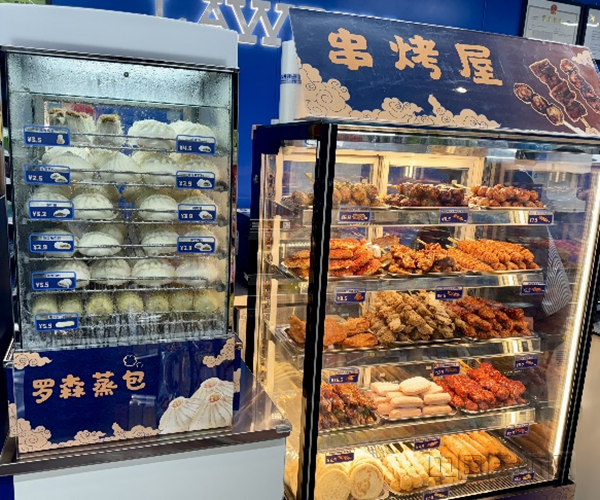
Group 1 - The core idea of the news is the launch of the first all-category convenience store at Beijing Capital International Airport's T3 terminal, aimed at meeting diverse passenger needs [1][2]. - The new convenience store enhances the travel experience by offering a variety of products, including instant meals and freshly prepared hot food, thus transitioning from basic travel necessities to a more enjoyable shopping experience [2][3]. - The successful establishment of the convenience store is attributed to the collaboration between the airport's commercial company and various departments, overcoming challenges related to space modification and facility adaptation [3]. Group 2 - The convenience store introduces a live cooking model, offering items such as buns, fried skewers, coffee, and soy milk, which significantly improves convenience and passenger satisfaction [2]. - Future plans include opening another all-category convenience store in the T2 terminal, ensuring that passengers in different areas can enjoy warm meals during winter [2]. - The airport's commercial company aims to continuously adapt to new consumption trends and enhance the airport shopping environment by collaborating with quality brands and partners [3].
夸父炸串袁泽陆:小吃连锁的万店梦想与破局
财富FORTUNE· 2025-11-04 10:08
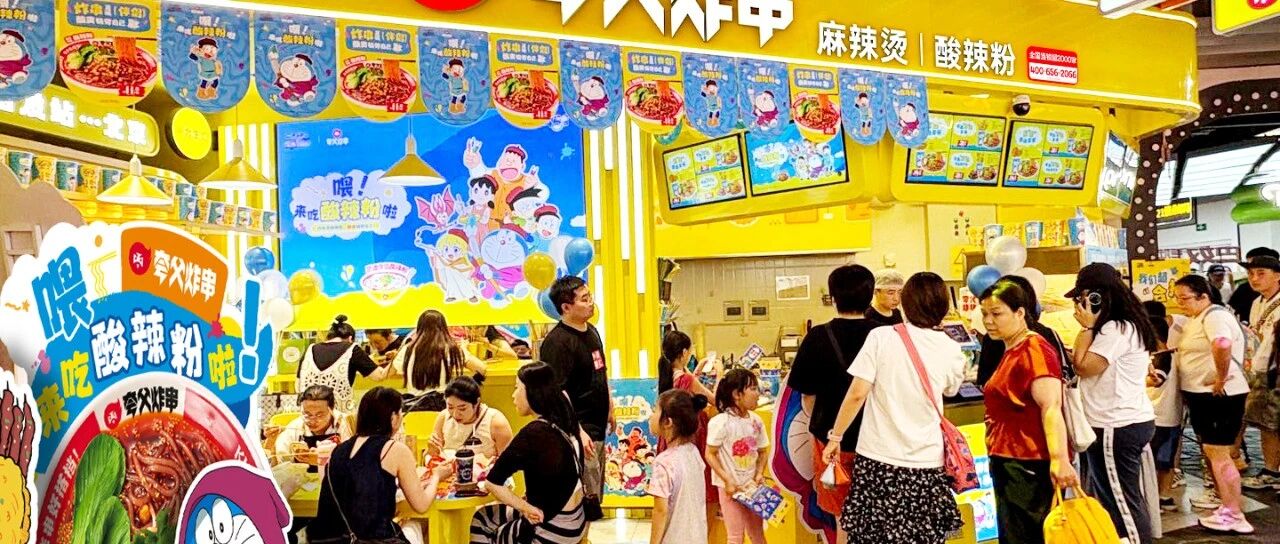
Core Insights - The article highlights the remarkable growth of KuaFu Fried Skewers, which has expanded from a 20-square-meter shop to 3,000 stores globally, achieving annual sales of 1 billion skewers [1][10][12] - Founder Yuan Zelu has been recognized as one of the "40 Under 40 Most Promising Business Leaders in China" by Fortune magazine, marking a significant achievement for the restaurant industry [1][12] Business Model and Strategy - Yuan Zelu's entrepreneurial journey reflects the evolution of new consumer brands in China, transforming fried skewers from a street food into a modern, digital-driven restaurant model [3][5] - The company emphasizes a "small store, large chain, full supply" strategy, focusing on standardization and digitalization to enhance operational efficiency [6][12] Product Development and Innovation - KuaFu Fried Skewers has developed a proprietary herbal marinade, which has become a key differentiator in taste and quality, achieved through extensive product testing and refinement [6][12] - The introduction of staple foods like sour and spicy noodles and spicy hot pot has complemented the skewers, increasing overall sales and meeting diverse customer needs throughout the day [17] Market Expansion and Franchise Model - The brand has successfully penetrated both first-tier cities and lower-tier markets, implementing a zero franchise fee model to lower entry barriers for new franchisees [15][12] - KuaFu Fried Skewers has achieved a significant presence in the market, with over 200 stores in major cities and a growing footprint in smaller towns [15][12] Food Safety and Quality Assurance - The company prioritizes food safety across production, transportation, and sales, establishing rigorous standards and partnerships with logistics providers for cold chain transportation [19][22][23] - A dedicated food safety inspection department conducts regular audits across all locations to ensure compliance and address any issues promptly [23] Industry Context and Future Outlook - The article notes a milestone in the Chinese restaurant industry with the emergence of multiple brands reaching the 10,000-store mark, indicating a shift towards large-scale operations [14][23] - KuaFu Fried Skewers is positioned as a leader in this evolving landscape, leveraging digital tools and a strong brand identity to compete effectively [12][25]
西湖区小时候炸串店(个体工商户)成立 注册资本5万人民币
Sou Hu Cai Jing· 2025-09-17 01:46
Core Insights - A new food business named "Xiaoshihou Fried Skewers" has been established in Xihu District, with a registered capital of 50,000 RMB [1] - The legal representative of the business is Luo Yong, indicating a personal ownership structure [1] - The business is authorized to operate in the catering service sector, specifically small-scale dining, subject to relevant approvals [1] Business Scope - The business's licensed activities include catering services and small dining operations, which require approval from relevant authorities [1] - It is also involved in the sale of health food (pre-packaged) and food sales (only pre-packaged food), operating under the business license [1]
动辄三四十元起,为什么路边摊越来越贵?
3 6 Ke· 2025-09-15 04:15
Core Viewpoint - The rising prices of street food have sparked discussions on social media, with many consumers expressing that they can no longer afford street food, which is often more expensive than meals at local restaurants [2][6]. Group 1: Consumer Sentiment - Consumers are increasingly vocal about the high prices of street food, with social media discussions highlighting that street food can be more expensive than restaurant meals [2][6]. - A video by a social media influencer showcased that certain street food items, such as a portion of beef offal, cost 41 yuan, while a similar dish at a chain restaurant was only 35.5 yuan, indicating a significant price discrepancy [3]. Group 2: Vendor Perspectives - Street food vendors express frustration over rising costs and declining customer traffic, leading to a cycle where they must increase prices to cover expenses, which in turn drives away more customers [5][6]. - Vendors report that their profit margins are squeezed by high costs associated with stall fees and operational expenses, with some stating that they are considering leaving the business due to insufficient earnings [5][6]. Group 3: Cost Structure - The perception that street food is cheaper is challenged by the reality of various costs, including stall fees, utilities, and the quality of ingredients used, which have all increased [8][9]. - For instance, a vendor in Foshan mentioned that stall fees can reach up to 248 yuan per night, significantly impacting their pricing strategy [9]. - Vendors are also investing in higher quality ingredients to differentiate their offerings, which further increases their operational costs [10][12]. Group 4: Market Trends - The shift in vendor mentality from basic survival to adopting a "celebrity economy" approach has led to higher prices, as vendors aim to create visually appealing products and unique offerings [13]. - Examples include gourmet versions of traditional street food, such as a simple sweet potato being sold for 20-30 yuan due to added premium ingredients and presentation [13].
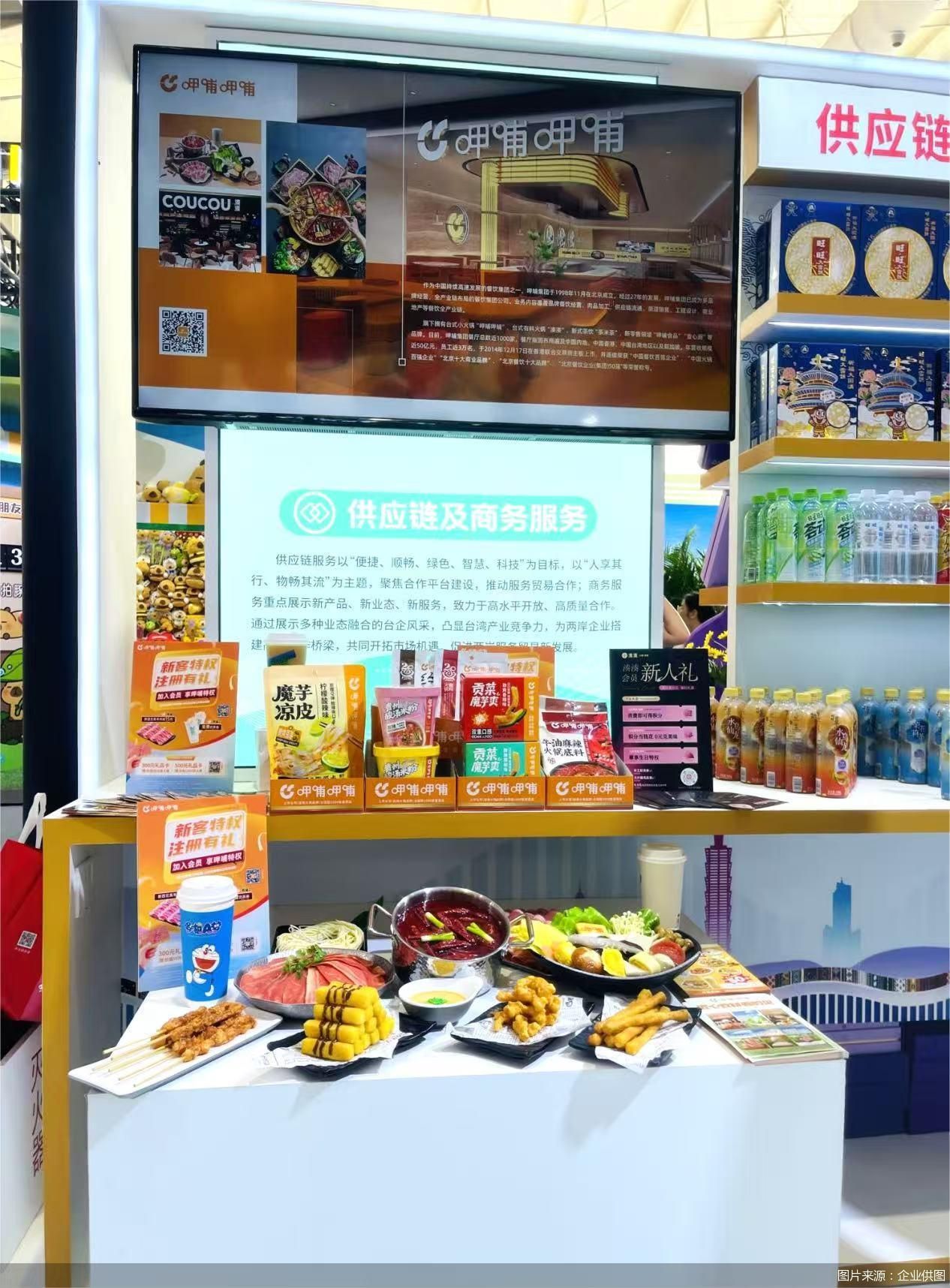
连续三年供餐 呷哺呷哺集团参展服贸会
Bei Jing Shang Bao· 2025-09-10 12:39
Core Points - The company Xiapu Xiapu Group will participate in the China International Fair for Trade in Services (CIFTIS) from September 10 to 14, 2025, marking its seventh consecutive year of participation and third year as the designated catering service provider [1][3] - Xiapu Xiapu Group will offer a variety of food options including hot pot dishes, fried skewers, and tea beverages, aiming to meet diverse dining needs while showcasing Taiwanese dining culture [1][3] Quality Control - The company places a high emphasis on quality control management, implementing a strict food sample retention system for all catering and tasting activities, with each food item stored in refrigeration for over 48 hours to ensure food safety [3] - The Vice President of Xiapu Xiapu Group, Zhang Yanmei, highlighted the company's commitment to enhancing service and product quality through participation in the fair, which serves as an important platform for showcasing China's service trade [3]
2025服贸会|连续三年供餐 呷哺呷哺集团参展服贸会
Bei Jing Shang Bao· 2025-09-10 12:33
Core Points - The company, Xiaobuxiang Group, will participate in the China International Fair for Trade in Services (CIFTIS) from September 10 to 14, 2025, marking its seventh consecutive year of participation and third year as the designated catering service provider [2] - Xiaobuxiang Group will showcase a variety of hot pot dishes, fried skewers, and tea beverages, aiming to meet diverse dining needs while promoting Taiwanese dining culture [2] - The company emphasizes strict food safety management, implementing a food sample retention system and ensuring all food items are stored in refrigeration for over 48 hours [2] - The Vice President of Xiaobuxiang Group, Zhang Yanmei, highlighted the importance of participating in CIFTIS as a platform to enhance service and product quality, strengthen assurance capabilities, and increase consumer recognition and preference for the brand [2]
“赛事+”新“夜”态,“苏超”第二现场持续火热
Nan Jing Ri Bao· 2025-09-07 01:11
Core Points - The atmosphere during the "Su Super" match between Nanjing and Xuzhou was vibrant, with fans gathering at various secondary locations to enjoy the game despite the weather conditions [1][2] - Multiple venues, including Nanjing International Exhibition Center and Yinxingli Cultural and Art District, hosted large crowds, showcasing a blend of food, music, and live sports viewing experiences [1][2] - The event highlighted the integration of local culture and cuisine, with food markets featuring specialties from both Nanjing and Xuzhou, enhancing the overall fan experience [2][3] Venue Highlights - Nanjing International Exhibition Center featured a lively atmosphere with a camping market, accommodating nearly 300 spectators for the match, and offering a variety of food and live music [1] - Yinxingli Cultural and Art District served as a fan gathering point, showcasing local delicacies and creating a vibrant cultural experience with a large LED screen displaying live match updates [2] - Other locations, such as Longhu Nanjing Hexi Tianjie and Jinchuan Book City, also transformed into bustling fan zones, providing food and entertainment while promoting local culture [3] Food and Cultural Integration - The food market organized by the Nanjing and Xuzhou commerce bureaus featured traditional dishes, attracting fans and enhancing the match-day experience with local flavors [2] - The event included interactive activities and cultural elements, such as Han-style games and themed markets, further engaging the community and promoting local heritage [3]
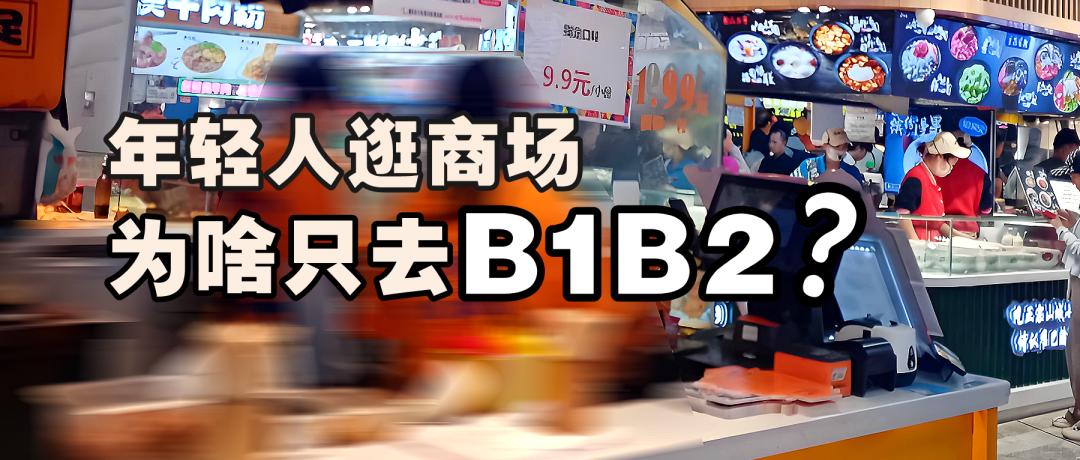
不是楼上吃不起,而是B1更有性价比
3 6 Ke· 2025-05-06 11:04
Core Insights - The shopping centers are increasingly seeing a shift where B1 and B2 levels are becoming the main attraction, primarily driven by food and beverage offerings rather than traditional retail [3][35]. Group 1: Shift in Consumer Behavior - Consumers are now more focused on the value of their spending, with B1 and B2 levels offering more affordable dining options compared to the first two floors [11][18]. - The traditional retail model is struggling, with many consumers finding little worth purchasing in shopping centers beyond dining experiences [5][35]. Group 2: Changes in Retail Composition - The ratio of shopping, dining, and entertainment in shopping centers has shifted from a traditional 5:2:3 to a more balanced 1:1:1, indicating a rise in the importance of dining [7][8]. - Many shopping centers are now resembling large food courts, with dining options taking over spaces previously reserved for retail [10][11]. Group 3: Characteristics of B1 and B2 Levels - B1 and B2 levels are characterized by smaller dining establishments that benefit from lower rent and high foot traffic, making them ideal for high-frequency, low-cost consumption [17][18]. - The presence of chain restaurants and the use of central kitchens in B1 and B2 levels enhance operational efficiency and reduce costs, making these levels attractive for both consumers and operators [19][20]. Group 4: Consumer Experience in Shopping Centers - The shopping experience for younger consumers has become highly ritualized, often culminating in dining at B1 and B2 levels after engaging with retail [22][33]. - The focus on food consumption in these underground levels reflects a broader trend where traditional retail is losing its appeal, while dining remains a key driver of foot traffic [34][35].