
铁路运输

Search documents
2025年陕西企业通过中欧班列(西安)进出口货值415.4亿元 占班列总货值的56.9%
Xin Lang Cai Jing· 2026-01-23 14:47
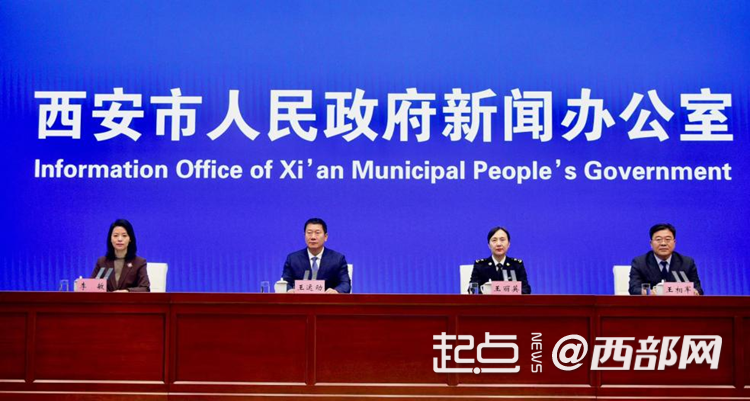
Group 1 - The core point of the article highlights the significant growth and operational efficiency of the China-Europe Railway Express (Xi'an) in 2025, with a total of 28,000 enterprises involved in import and export activities, achieving a 11.7% year-on-year increase in trade value to 41.54 billion yuan [2] - In 2025, 347 enterprises from Shaanxi province contributed to the total trade value, which accounted for 56.9% of the total value of the railway express, indicating an increasing compatibility between Shaanxi's industrial structure and the railway transport [2] - The Xi'an Customs has implemented innovative models to optimize the business environment, enhancing the railway's consolidation capacity, with 39.52 billion yuan of goods passing through the Xi'an Comprehensive Bonded Zone, representing 54.2% of the total import and export value [2] Group 2 - The article discusses the promotion of trade integration, with the Xi'an Customs providing one-stop customs guidance and customized regulatory services for the export of advantageous industries such as new energy vehicles and photovoltaic products to Central Asia, achieving nearly 2 billion yuan in exports [3] - The import side has seen improvements as well, with the daily operational capacity of designated supervision sites for imported grain increasing from 40 standard containers to over 200, and the inspection and release time reduced to under 5 days [3] - Trade with Kazakhstan and Uzbekistan has been particularly active, with a direct "point-to-point" connection enhancing cross-border logistics efficiency, leading to a trade volume of 5.32 billion yuan with Kazakhstan, marking a 19.1% increase [3]

海南迎封关运作后首个春运 预计客流大幅增长
Zhong Guo Xin Wen Wang· 2026-01-23 12:49
Core Insights - The upcoming Spring Festival travel season in Hainan will be the first since the implementation of the free trade port, with a significant increase in passenger flow expected due to the effects of the closure policy [1] Group 1: Passenger Flow Expectations - The total passenger volume during the Spring Festival is projected to reach 22.368 million, representing a year-on-year increase of over 5.3% [1] - The demand for ferry transport across the Qiongzhou Strait is particularly strong, with an expected 4.66 million passengers and over 1.17 million vehicles, marking increases of 12% and 10% respectively [1] - Civil aviation passenger throughput is anticipated to hit 8.175 million, a 3.7% increase, setting a new record for the Spring Festival [1] Group 2: Transportation Challenges - The travel peak will be prolonged due to the "late Spring Festival," with pre-holiday peaks occurring from February 13 to February 16 and post-holiday peaks from February 21 to March 4 [2] - Increased pressure on transportation infrastructure is expected, particularly in the Qiongzhou Strait, airports, and highways, due to overlapping flows of students, workers, and tourists [2] - Adverse weather conditions, such as fog and strong winds, may impact transportation efficiency during the holiday period [2] Group 3: Transportation Capacity Enhancements - To meet the increased demand, Hainan will enhance transportation capacity by deploying 57 ferries and 4 specialized ferries for new energy vehicles, with a planned increase of 10% in sailing frequency compared to 2025 [2] - Daily ferry services will include 30 to 32 train ferry trips to accommodate vehicle transport needs [2] - New energy vehicle transport capacity is set to rise from an average of 3,500 to 5,000 vehicles per day, supported by the addition of two new specialized vessels [3] Group 4: Service Optimization - Hainan will extend the ticket pre-sale period for ferries to 15 days for inbound and 30 days for outbound travel, and will support round-trip ticket purchases [3] - The airline will increase flights to major cities like Beijing, Shanghai, and Guangzhou, with a maximum daily flight capacity of 1,370 [3] - Efforts will be made to improve the travel experience through enhanced ticketing services and a 24-hour transportation hotline for passenger inquiries [3]
青藏集团西宁机务段启动春运机车检修
Xin Lang Cai Jing· 2026-01-23 10:41
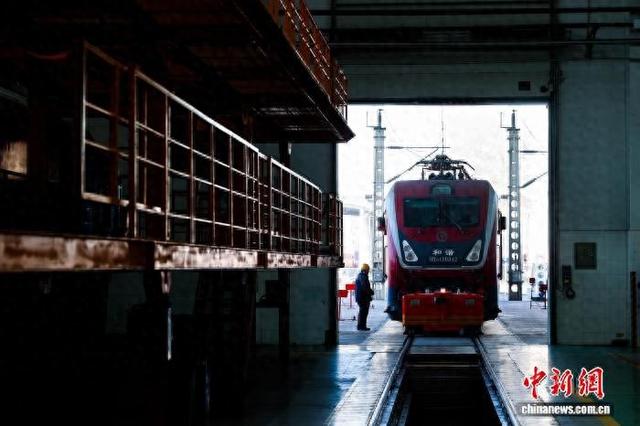
Core Viewpoint - The China Railway Qinghai-Tibet Group Co., Ltd. organized a comprehensive maintenance and quality improvement operation for over 80 electric locomotives to ensure smooth and safe train operations during the Spring Festival travel season [2][3][4][5][6] Group 1 - The maintenance operation involved all personnel from the Xining Locomotive Depot, highlighting a coordinated effort to enhance the reliability of the locomotives [2][3][4] - Various components of the locomotives were inspected, including the coupling status, wiper devices, and traction rod components, indicating a thorough approach to maintenance [3][4][5] - The maintenance also included measuring critical data such as the carbon sliding plate of the pantograph and monitoring the pressure gauge in the driver's cabin, showcasing attention to detail in the servicing process [5][6]
一坐车就犯困?12306回应高铁车厢二氧化碳浓度超标
新华网财经· 2026-01-23 10:29
Core Viewpoint - A recent video showing high carbon dioxide levels in high-speed train carriages has sparked discussions about air quality and its effects on passengers' comfort and health [2][3]. Group 1: Carbon Dioxide Levels - The video recorded carbon dioxide levels fluctuating around 880 ppm before rising above 2000 ppm during the journey, potentially causing drowsiness among passengers [2]. - A foreign study indicates that elevated carbon dioxide levels can suppress brain function, contributing to sleepiness [2]. Group 2: Air Quality Standards and Health Implications - The current indoor air quality standard in China sets the one-hour average carbon dioxide concentration limit at ≤1000 ppm, which is considered a baseline for healthy living and working environments [4]. - High carbon dioxide concentrations can lead to symptoms such as dizziness, drowsiness, and difficulty concentrating, as the gas can enter the bloodstream and increase carbonic acid levels [4]. Group 3: Passenger Experience and Recommendations - Passengers are advised to avoid prolonged use of mobile devices or reading in confined spaces to mitigate symptoms of high carbon dioxide exposure [4]. - Suggestions include using breathable masks, portable spray bottles for misting, or cold towels on the forehead to alleviate discomfort [4]. Group 4: Air Quality Management in Trains - Customer service representatives from 12306 indicated that high-speed trains currently lack air quality monitoring equipment, and passengers can report concerns to relevant authorities [3]. - There are mixed reports regarding the effectiveness of the train's air circulation system, with some suggesting that increased passenger density may contribute to higher carbon dioxide levels [5].
12306购票页面有“暗号”?一文看懂
证券时报· 2026-01-23 08:50
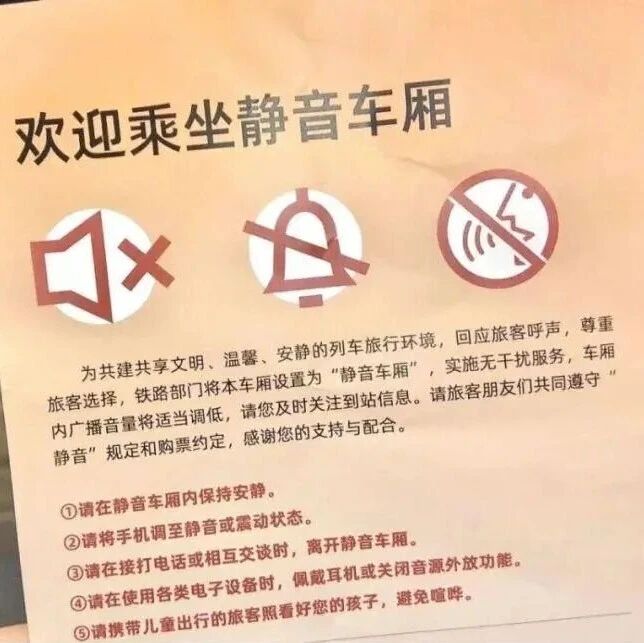
Core Viewpoint - The article discusses the newly introduced services for train passengers during the 2026 Spring Festival travel season, highlighting specific keywords that indicate various services available on certain train routes. Group 1: Snow Equipment Service - The "snow" keyword indicates train services that offer "snow equipment convenience" starting from January 15, allowing passengers to carry snow gear with a total dimension of 130 to 200 cm for a fee of 98 yuan per set [1][3]. Group 2: Pet Transportation Service - The "pet" keyword signifies trains that allow pet transportation, where passengers can transport up to two healthy domestic pets, each weighing no more than 15 kg and with a shoulder height not exceeding 40 cm [4][6]. Group 3: Points Redemption Service - The "redeem" keyword refers to trains that permit ticket redemption using accumulated points, where travelers can become members and earn points for each ticket purchased, with 10,000 points equating to the ability to redeem a ticket [7][8]. Group 4: Quiet Carriage Service - The "quiet" keyword denotes trains that feature "quiet carriages," designed to provide a quieter travel environment by managing sound levels and encouraging quiet behavior among passengers [11][12]. Group 5: Online Bed Selection Service - The "bed" keyword indicates trains that allow online bed selection, with priority given to passengers over 60 years old for lower berths [17][18].
京西门户三十载:一座车站如何成为“流动中国”的缩影?
Xin Lang Cai Jing· 2026-01-23 08:36
Core Insights - Beijing West Railway Station, known as the "gateway to the west of Beijing," celebrated its 30th anniversary, having served over 1.96 billion passengers and connecting to 32 provincial-level administrative regions and 211 cities across the country [1][2] Group 1: Historical Significance - The establishment of Beijing West Station is closely linked to the Jingjiu Railway, marking a significant milestone in China's railway hub development [1] - Initially, Beijing West Station played a crucial role in activating the north-south artery, supporting the return of Hong Kong, and stimulating the economy along the railway line, benefiting approximately 200 million people [1] Group 2: Transition to High-Speed Rail - With the full operation of the Jingguang High-Speed Railway, Beijing West Station has transitioned into the high-speed rail era, significantly reducing travel times from several hours to less than half a day [2] - The station has become a key node in a vast high-speed rail network, efficiently connecting major economic circles and urban clusters across the country [2] Group 3: Economic Impact - The explosive growth in passenger throughput at Beijing West Station reflects the robust development of the economy, with organized coordination during peak times ensuring a smooth travel experience [2] - The station's operations illustrate the trajectory of China's social and economic development, transitioning from a phase of catching up to one of leading [2] Group 4: Future Outlook - The next chapter for Beijing West Station will continue to uphold the expectations of "arrival and departure," contributing to the narrative of "flowing China" in the new era [2]
“一坐车就犯困”再引热议,12306回应高铁车厢二氧化碳浓度超标
Xin Lang Cai Jing· 2026-01-23 07:56
Core Viewpoint - A recent video showing carbon dioxide levels in high-speed train carriages has sparked discussions, revealing that CO2 levels can exceed 2000ppm during travel, potentially causing drowsiness among passengers [1][6]. Group 1: CO2 Levels and Health Implications - The video recorded CO2 levels fluctuating around 880ppm before rising above 2000ppm during the journey, with some passengers appearing to sleep [1][6]. - A medical professional indicated that elevated CO2 levels in enclosed spaces can lead to symptoms such as dizziness and drowsiness, with the current indoor air quality standard in China setting a limit of 1000ppm for CO2 [4][9]. - High CO2 concentrations can affect cognitive functions, leading to increased fatigue and difficulty concentrating [4][9]. Group 2: Air Quality Management in High-Speed Trains - Customer service representatives from 12306 stated that there are currently no air quality monitoring devices on high-speed trains, and passengers can report concerns to relevant authorities [2][7]. - Despite claims that the air conditioning system maintains air quality by circulating air, there are concerns about the accuracy of personal CO2 measurements taken by passengers [5][10]. - Some customer service representatives mentioned that the increase in CO2 levels could be attributed to higher passenger density during travel [10]. Group 3: Recommendations for Passengers - To alleviate symptoms caused by high CO2 levels, passengers are advised to avoid prolonged use of electronic devices, reduce head movement, and use neck pillows for support [4][9]. - Suggestions include wearing breathable masks and using portable spray bottles or cool towels to mitigate dizziness [4][9].
1月26日起正式运行,贵广间直达动车新增1.5对
Xin Lang Cai Jing· 2026-01-23 06:32
Group 1 - The core point of the article is the implementation of a new train operation schedule starting from January 26, 2026, which aims to enhance connectivity between Guizhou and Guangdong provinces through the addition of new direct train services [1] - The new schedule introduces 1.5 pairs of direct high-speed trains between Guiyang and Guangzhou, increasing the total number of direct services to 2 pairs within a travel time of 3.5 hours [1] - The adjustment includes three new train services: G3759 from Panzhou to Guangzhou South, G2942 from Shenzhen North to Chengdu East, and G2922 from Shenzhen North to Kunming South, with the fastest travel time being 3 hours and 26 minutes [1] Group 2 - This timetable adjustment signifies an enhancement in the transportation capacity of the Gui-Guang high-speed railway, further reducing the time-distance between Guizhou and the Guangdong-Hong Kong-Macau Greater Bay Area [1] - The new train services are expected to provide more efficient travel options for tourism, labor, and business passengers, thereby injecting strong transportation momentum into regional economic collaboration [1] - The railway department advises passengers to check train operation information and service updates through various channels, including the railway 12306 website, 95306, mobile apps, and social media, to plan their journeys and cargo transport accordingly [1]
受大风天气影响 新疆铁路部分旅客列车停运
Jing Ji Guan Cha Wang· 2026-01-23 05:19
Group 1 - The Xinjiang railway department has adjusted train operations from January 23 to 25 due to strong wind conditions, implementing suspension measures to avoid safety risks [1] - Specific trains suspended on January 23 include routes from Urumqi to Aksu, Kashgar, Hetian, and others, totaling multiple services [1] - On January 24, additional train services from Urumqi to Hetian, Kashgar, and Tumushuke were also suspended [1] - On January 25, one train service from Urumqi to Kashgar was suspended [1] Group 2 - A blue wind warning was issued by the Xinjiang Meteorological Observatory on January 23, predicting strong winds of around 8 levels and gusts of 10-11 levels in various regions [2] - The warning indicates potential for wind-blown snow or dust in localized areas, affecting regions including Urumqi, Kashgar, and Aksu [2]
寒潮持续影响!多地强化应对举措保障交通运输安全畅通
Xin Hua She· 2026-01-23 05:16
Group 1 - A significant cold wave is impacting southern regions, prompting transportation authorities to enhance road inspections and prepare for ice and snow removal [1][2] - The Anhui Transportation Bureau mobilized 9,884 personnel and 4,179 machines for snow removal operations, ensuring efficient cross-province vehicle passage [1] - The Nanning Railway Bureau established an emergency team to strengthen equipment inspections and ensure passenger safety during the cold wave [2] Group 2 - The Zhejiang Maritime Bureau implemented control measures in certain port areas due to strong winds, with 63 passenger routes suspended as of the evening of the 21st [2] - The Guizhou Transportation Group initiated monitoring and emergency plans in response to sudden temperature drops affecting bridge areas [2][3] - The Nanchang Railway Bureau increased information dissemination and passenger assistance at major stations to ensure safety during adverse weather conditions [3] Group 3 - The Changsha Huanghua International Airport deployed 18 de-icing vehicles to ensure timely de-icing of aircraft, managing to service 250 inbound and 248 outbound flights on the 21st [3][4] - The State Grid Liaoning Chaoyang Power Supply Company conducted inspections of charging stations to address efficiency issues caused by low temperatures [5] - An emergency transport team was formed to assist stranded passengers at Zhengzhou East Station due to train delays caused by heavy snow [5] Group 4 - The Shandong Maritime Bureau reported a reduction in sea wind risks and lifted yellow warnings, emphasizing proactive measures to mitigate the impact of extreme weather on maritime transport [6]