投资

Search documents
红杉公元:如何在AI下半场,定义“好问题”?丨WAVES新浪潮2025
3 6 Ke· 2025-06-20 07:00
Group 1 - The Chinese venture capital market is at a turning point, characterized by a structural transformation and a need to adapt to new policies and capital concentration [1] - The 36Kr WAVES New Wave 2025 conference focused on themes such as AI technology innovation, globalization, and value reassessment, bringing together top investors and entrepreneurs to discuss the future of the venture capital landscape in China [1] Group 2 - Sequoia China introduced xbench, the first benchmark testing tool for large models and AI agents, aiming to address the challenges faced in the AI sector [3][5] - The evolution of benchmark tests has shown a consistent trend where new datasets and testing standards lead to rapid advancements in model performance, creating a cycle of continuous improvement [5][6] - The need to differentiate between the intelligence of models and the quality of the tests is emphasized, raising questions about the relationship between model performance and economic utility [6][9] Group 3 - The third iteration of benchmark testing prompted a reevaluation of what constitutes a "good question" in AI, focusing on the balance between increasing model complexity and its practical economic value [8][9] - A dual-track evaluation system was proposed, separating the assessment of AI's cognitive abilities (AGI track) from its practical applications in the workforce (Professional-aligned track) [17][18] - The establishment of a long-term evaluation mechanism is crucial for understanding model performance over time, ensuring that improvements are accurately reflected in assessments [21][22] Group 4 - The concept of TMF (Task Market Fit) is introduced as a new standard for evaluating AI agents, focusing on their ability to perform tasks that are economically valuable and relevant in real-world applications [26][30] - The open-sourcing of xbench aims to foster community collaboration in developing standardized evaluation metrics for AI capabilities and economic utility [30]


李小加,最新动态!创办的“滴灌通”拟香港上市
券商中国· 2025-06-20 06:55
Core Viewpoint - Drip Irrigation Investment has submitted a listing application to the Hong Kong Stock Exchange, aiming to lead global capital into the "cash rights" investment market, which is distinct from traditional debt and equity investments [2][3]. Group 1: Company Overview - Drip Irrigation Investment, a subsidiary of Drip Irrigation Group founded by former HKEX CEO Li Xiaojia, has raised over 4 billion RMB through cash-sharing investments in the real economy [1][4]. - The company was registered in the Cayman Islands on May 23, 2025, and has not yet commenced operations [2]. Group 2: Investment Strategy - The investment strategy focuses on cash flow investments, aiming to create returns for shareholders through systematic, large-scale, and diversified investments [2][3]. - Unlike traditional VC/PE models, the cash-sharing approach provides liquidity solutions and generates immediate investment returns rather than relying on IPOs or equity transfers for exits [3][4]. Group 3: Market Positioning - Drip Irrigation Group positions itself as a financial technology platform connecting global capital with small and micro enterprises, facilitating long-term funding through innovative revenue-sharing models [3][4]. - The company’s business model involves overseas fundraising, investment in mainland China, and trading on the Macau Financial Assets Exchange [4].

中国银行原行长李礼辉:发展数字金融可采取“高中初小”原则,适当放宽对创新的风险容忍度
Mei Ri Jing Ji Xin Wen· 2025-06-20 05:08
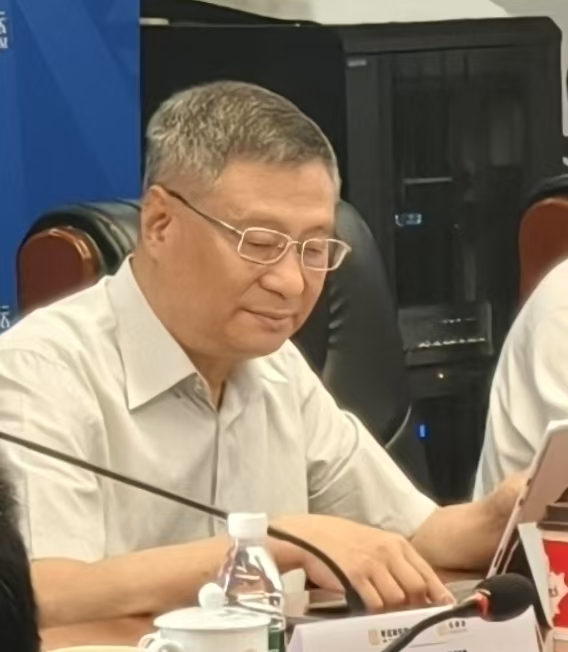
Core Viewpoint - The importance of safety and trustworthiness in digital financial innovation is emphasized, highlighting the need for regulatory clarity and market confidence [1][5][6]. Group 1: Digital Financial Innovation Principles - The "high, medium, initial, small" principle is proposed to balance innovation and risk tolerance, allowing for some flexibility in risk management [1][8]. - Financial models must prioritize safety, reliability, and explainability, with a focus on advanced security technologies to prevent malicious attacks [2][4]. Group 2: Key Considerations for Financial Models - Financial models should avoid pitfalls such as model hallucination, discrimination, algorithmic resonance, AI deception, and the coldness of machine interactions [4]. - The need for legal clarity regarding the status and responsibilities of financial AI is highlighted, ensuring that financial institutions have clear decision-making accountability [4][6]. Group 3: Economic Efficiency and Collaboration - Industry-level financial models should be developed through extensive data pre-training and customization to reduce development costs and expand application ranges [5]. - Collaboration between strong tech companies and financial institutions is encouraged to lead the development of industry-level financial models and applications [5]. Group 4: Regulatory Innovation - The necessity for a robust regulatory framework for digital finance is stressed, including the establishment of clear business norms and a comprehensive regulatory system [6][7]. - The balance between innovation and regulation is crucial, with a call for a flexible approach that does not stifle innovation while ensuring market stability [7][8].

首届海外基金投资合作论坛举办 国家级战略基金落地山东
Da Zhong Ri Bao· 2025-06-20 01:06
Group 1 - The overseas fund investment cooperation forum held in Qingdao focused on international investment collaboration, with over 200 financial leaders and investment experts from 19 countries discussing new trends in industrial investment [1] - The Vice President of China Export-Import Bank highlighted the unique value of overseas investment funds in promoting high-quality development in Shandong, emphasizing capital empowerment for industrial upgrades and market connectivity for global expansion [1] - Financial institutions, particularly commercial banks, have played a significant role in attracting foreign investment to Shandong, with nearly 90 billion yuan introduced in the first five months of this year, marking a 6.5% increase compared to the end of last year [1] Group 2 - The forum featured keynote speeches from six renowned domestic and international funds, discussing the integration of capital and industry, with a focus on global perspectives and timing in capital utilization [2] - The launch of the Central Asia Fund, aimed at supporting development cooperation in clean energy, infrastructure, and new-generation information technology among Central Asian countries, was announced [2] - A total of 200 key investment projects aligned with new productive forces were promoted to 98 domestic and foreign investment institutions, with six institutions already identifying 71 projects with a financing demand of 13.57 billion yuan [2]
滴灌投资拟上市,前港交所总裁李小加的万亿级市场野心
Sou Hu Cai Jing· 2025-06-19 14:17
Core Viewpoint - Drip Irrigation International Investment Company (referred to as "Drip Investment") has submitted a listing application to the Hong Kong Stock Exchange, driven by the demand from various industry investors to combine cash flow investment experience with industry expertise for collaborative investments [1][4]. Group 1: Company Overview - Drip Investment is a newly established professional investment company, distinct from Drip Irrigation Group's own listing, and plans to focus on cash flow investments [4]. - The company intends to employ a subsidiary of Drip Irrigation Group as its investment manager, utilizing a revenue-sharing product (RBOs) to connect international capital with micro-enterprises [4][10]. - The listing will follow the Hong Kong Stock Exchange's Chapter 21, which is designed for investment companies, providing a flexible regulatory framework compared to traditional public companies [4][6]. Group 2: Investment Strategy - Drip Investment will focus on three main types of cash flow assets: - Asset-Based Cash Flow: Providing liquidity to private equity (PE) and venture capital (VC) funds and their investors [8]. - Business-Based Cash Flow: Supporting diligent entrepreneurs in various sectors without diluting equity or imposing rigid repayment requirements [9]. - Corporate-Based Cash Flow: Offering essential survival capital to early-stage entrepreneurs and small tech companies [9]. - The cash flow investment model (CCO) is positioned as a "third type of asset" between equity and debt, allowing for flexible returns based on cash flow without strict repayment obligations [7][10]. Group 3: Market Potential - The target market for cash flow investments includes micro-stores, early-stage tech companies, and LPs of PE/VC funds, addressing significant financing gaps in traditional finance [11]. - The financing gap for micro-enterprises exceeds 20 trillion yuan, while early-stage tech companies face a 30% annual increase in financing needs [11]. - The potential market size for Drip Investment's strategy is estimated to be in the trillions, indicating a substantial opportunity for growth [10]. Group 4: Regulatory and Operational Framework - The Chapter 21 listing allows for a more lenient regulatory environment, exempting compliance with certain regulations and enhancing institutional credibility, particularly appealing to restricted investment institutions like Japanese pension funds [4][5]. - However, there are limitations such as shareholder thresholds, liquidity discounts, and compliance issues with new asset types [5][6]. Group 5: Challenges and Considerations - The cash flow investment model faces challenges including the effectiveness of risk control, the authenticity of cash flow data, and potential legal ambiguities regarding its non-equity, non-debt nature [13][14]. - The company aims to standardize financial tools to address the pricing of non-standard assets, which will be critical in determining the success of its listing and operations [14].
李小加“资本再创业”,能否解开21章上市困局?
Jin Rong Jie· 2025-06-19 11:09
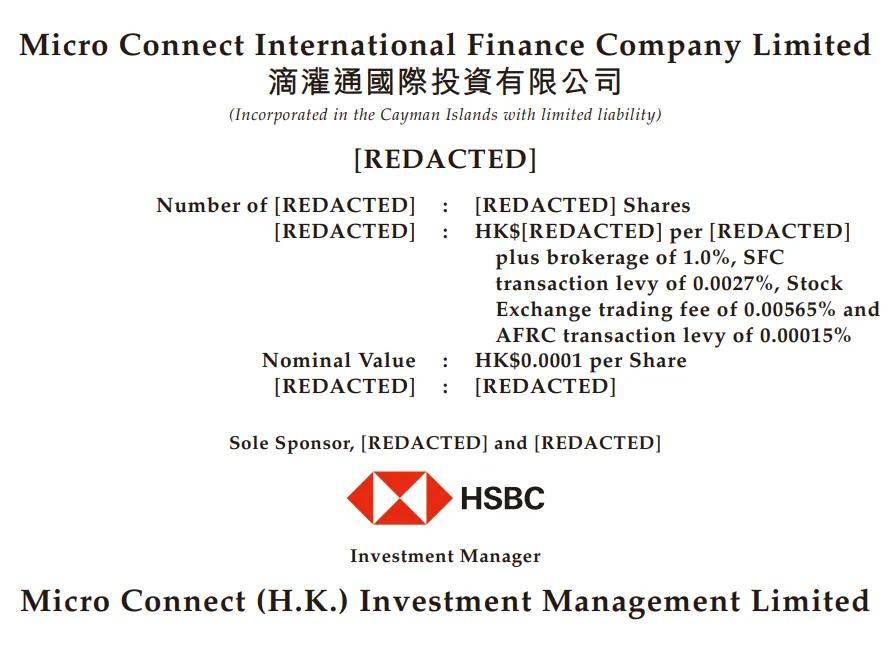
Group 1 - The core point of the article is the submission of a listing application by Drip Irrigation International Investment Co., founded by former HKEX CEO Li Xiaojia, to the Hong Kong Stock Exchange, with HSBC as the sole sponsor [1] - Drip Irrigation Investment aims to focus on cash flow investments, including bonds, equities, and a new investment category termed "cash rights" (CCO), which is based on specific cash flow rights [1][5] - The funds raised from the listing will be invested alongside other professional investors across various industries [1] Group 2 - Chapter 21 of the Hong Kong Stock Exchange listing rules allows companies that primarily focus on investment to list without the need for actual business operations, addressing the demand for standardized listing channels for professional investment institutions [2] - Companies under Chapter 21 must adhere to strict diversification principles, including limits on single investments and monthly disclosures of net asset values [2][3] - Currently, there are 21 Chapter 21 companies, but their liquidity is low, and they have faced regulatory scrutiny, leading to a significant decrease in new listings in recent years [3] Group 3 - Drip Irrigation Investment is distinct from Drip Irrigation, which was co-founded by Li Xiaojia and focuses on providing funding to small and micro enterprises through a revenue-sharing model [5][6] - The establishment of Drip Irrigation Investment as a limited liability company in the Cayman Islands with no current operations aims to raise funds for investments and general operational expenses [6] - Li Xiaojia's industry reputation may help attract institutional investors, but the historical liquidity issues of Chapter 21 companies could pose challenges for Drip Irrigation Investment's listing journey [7]


中东资金分层级涌向香港
36氪· 2025-06-19 09:10
Core Viewpoint - Hong Kong is projected to become the world's largest cross-border asset and wealth management center by 2027, driven by geopolitical dynamics, technological transformation, and green transition [4][8]. Group 1: Hong Kong's Role as a Capital Gateway - Hong Kong is increasingly recognized as a strategic capital gateway between the Middle East and Asia, particularly China, due to its close ties with mainland China [3][4]. - Middle Eastern capital is entering the Asian market through three levels: primary market cooperation, pre-IPO and private equity investments, and family office capital strategies [5][6]. Group 2: Financial Market Developments - The Hong Kong Stock Exchange (HKEX) has integrated with the Saudi Stock Exchange and other Middle Eastern markets, enhancing product and capital flows [6][7]. - In 2024, two ETFs tracking Hong Kong stocks will be listed on the Saudi Stock Exchange, indicating product innovation and deeper market connections [6][9]. Group 3: Growth of Family Offices - Over 2,700 family offices have established headquarters in Hong Kong, with half managing assets exceeding $50 million, reflecting the city's appeal for international family capital [8][10]. - Middle Eastern family offices are increasingly interested in investing in mainland China, with 18% planning to increase their investments there [10]. Group 4: Economic and Trade Relations - The number of Middle Eastern companies in Hong Kong increased by over 20% year-on-year in 2024, supported by strong trade relations and mutual economic benefits [7][9]. - Bilateral trade between Hong Kong and the Middle East has grown approximately 48% over the past five years, reaching about HKD 188.1 billion [9]. Group 5: Islamic Finance Opportunities - Hong Kong has been proactive in developing Islamic finance, issuing $3 billion in various Islamic bonds since 2007, and is looking to attract more Middle Eastern investments [12][13]. - The integration of Islamic finance principles with sustainable development goals is becoming a focus for Middle Eastern family offices, with about one-third practicing Islamic finance [11].

GP和国资都在抢上市公司
母基金研究中心· 2025-06-19 09:02
Core Viewpoint - The article discusses the increasing trend of private equity firms and state-owned enterprises acquiring publicly listed companies in China, highlighting significant transactions and regulatory support for such activities [1][3][12]. Group 1: Recent Mergers and Acquisitions - Qiming Venture Partners plans to establish a merger fund to acquire a 26.10% stake in Tianmai Technology for 4.52 billion yuan, becoming the controlling shareholder [1]. - Suzhou Qichen, the acquiring entity, is backed by notable investors including Yuanhe Holdings and state-owned Kunshan Chuangye Holdings Group [2]. - The acquisition of Tianmai Technology could mark the first case of a pure investment institution acquiring a listed company since the implementation of the "924 New Policy" by the CSRC [3]. Group 2: Involvement of State-Owned Enterprises - In March, Shankai Intelligent announced a transfer of 5% of its shares to Jiaxing Linchang Equity Investment Partnership, indicating state-owned capital's interest in enhancing the company's investment landscape [4]. - *ST Changyao signed a restructuring investment agreement with Sichuan Jiadaobowen Ecological Technology and other institutions, with Jiadaobowen investing 5.93 billion yuan for a significant stake [5]. - The restructuring process of *ST Kaiyuan also involved state-backed investment, showcasing the trend of state capital participating in corporate restructuring [5]. Group 3: Regulatory Support and Market Trends - The CSRC's new regulations encourage private equity funds to participate in mergers and acquisitions, aiming to facilitate industry consolidation [3][12]. - The recent issuance of the "Major Asset Restructuring Management Measures" has sparked a wave of merger discussions in the primary market, with private equity funds actively seeking acquisition opportunities [12]. - The establishment of numerous state-owned merger funds across various regions indicates a growing trend in merger and acquisition activities, with over ten regions releasing supportive policies [13]. Group 4: Market Dynamics and Future Outlook - The article notes that over 60% of listed companies on the main board have a market capitalization of less than 10 billion yuan, suggesting significant potential for merger and acquisition activities [13]. - The emergence of "merger招商" (merger investment attraction) as a new strategy for state-owned enterprises reflects a shift towards more certain investment opportunities [14]. - The establishment of dedicated merger departments within private equity firms indicates a strategic pivot towards mergers as a viable exit route for investments [16][17].

Rime创投日报:更大力度培育壮大耐心资本、长期资本,优化“募投管退”-20250619
Lai Mi Yan Jiu Yuan· 2025-06-19 08:25
Investment Rating - The report does not explicitly provide an investment rating for the industry Core Insights - The report highlights a total of 33 disclosed investment events in the domestic and international venture capital market, with 25 domestic companies and 8 foreign companies, raising a total of approximately 3.292 billion yuan [3] - The report emphasizes the establishment of various funds focusing on sectors such as biomedicine, new energy, intelligent manufacturing, and artificial intelligence, indicating a trend towards specialized investment in high-growth industries [5][6][12] Summary by Sections Fundraising Events - Mifang Health Fund has completed the fundraising for a new USD VC fund, focusing on early-stage pharmaceutical innovations and has already invested in several promising projects [4] - Zhengzhou Economic Development Zone has established its first industrial venture capital mother fund with a total scale of 5 billion yuan, targeting investments in new energy, intelligent connected vehicles, and biomedicine [5] - Beijing Mentougou District has launched the Jingxi Ruiling Fund with a target scale of 3 billion yuan, focusing on artificial intelligence and smart manufacturing [6] Major Financing - Pashini Perception Technology has completed a new round of A-series financing amounting to several hundred million yuan, aimed at advancing its core tactile perception technology and expanding production lines [7] - Ouyue Semiconductor has secured nearly 100 million yuan in B3 round financing to enhance collaboration in automotive AI computing and optical sensing [8][9] - Multiverse Computing has raised 215 million USD in B round financing to accelerate the adoption of its quantum software technology [10] Global IPO - Haitian Flavor Industry has officially listed on the Hong Kong Stock Exchange with an issue price of 36.3 HKD, being a leader in the Chinese condiment industry and among the top five globally [11] Policy Focus - The Chairman of the China Securities Regulatory Commission emphasized the need to cultivate patient and long-term capital, focusing on private equity fund operations [12][13] - The Central Financial Committee has issued opinions to support the construction of Shanghai as an international financial center, aiming for significant improvements in financial system adaptability and competitiveness over the next five to ten years [14]
酷特智能:退出青岛赤恒成达投资合伙企业
news flash· 2025-06-19 08:13
Core Viewpoint - The company, Cooltech Intelligent (300840), has announced its participation as a limited partner in a private equity investment fund, contributing 200 million yuan, which represents 95.24% of the total investment in the partnership [1] Group 1 - The company has partnered with Qingdao Kezhuanxin Venture Capital Co., Ltd. to establish the Qingdao Cooltech Private Equity Investment Fund Partnership (Limited Partnership) [1] - The investment of 200 million yuan is directed towards the Qingdao Chiheng Chengda Investment Partnership (Limited Partnership) [1] - The company has decided to exit the Chiheng Chengda partnership as all projects have been fully exited, and the necessary business registration changes have been completed [1] Group 2 - The exit from the Chiheng Chengda partnership is not expected to have a material impact on the company's operational business [1]