
天然气

Search documents
ST金鸿(000669.SZ):子公司神州界牌停产
Ge Long Hui A P P· 2025-09-26 12:40
Core Viewpoint - ST Jinhong (000669.SZ) announced that its subsidiary, Hunan Shenzhou Jiepai Ceramics Co., Ltd. (referred to as "Shenzhou Jiepai"), will temporarily suspend operations for a comprehensive technical upgrade of its mining system to enhance safety, environmental protection, and economic efficiency [1] Company Overview - The main business of ST Jinhong is natural gas comprehensive utilization, while Shenzhou Jiepai focuses on the mining and sales of non-metallic minerals, specifically feldspar and kaolin, which are ceramic raw materials [1] Financial Impact - For the fiscal year 2024, Shenzhou Jiepai's audited revenue and net profit accounted for 3.54% and -4.40% of the company's consolidated revenue and net profit, respectively [1] - In the first half of 2025, Shenzhou Jiepai's unaudited revenue and net profit represented 2.39% and 0.35% of the company's unaudited consolidated revenue and net profit, respectively [1] - The temporary suspension of operations is not expected to have a significant impact on the company [1]


匈牙利总理:没有俄罗斯能源 匈牙利经济将损失4%
Yang Shi Xin Wen· 2025-09-26 08:56
Core Viewpoint - Hungary's economy could face a 4% loss and hundreds of thousands of families may go bankrupt without Russian gas and oil, according to the International Monetary Fund [2] Energy Dependency - Hungary, as a landlocked country, relies solely on pipeline transportation for energy, lacking the ability to receive energy via shipping [2] Political Context - Hungarian Prime Minister Orban emphasized the sovereignty of both Hungary and the United States, indicating that there is no necessity for either country to accept the other's viewpoints [2] - Orban's comments come in the context of a previous statement by former President Trump, who suggested that Hungary should reduce its dependence on Russian energy during a meeting with Ukrainian President Zelensky [2]

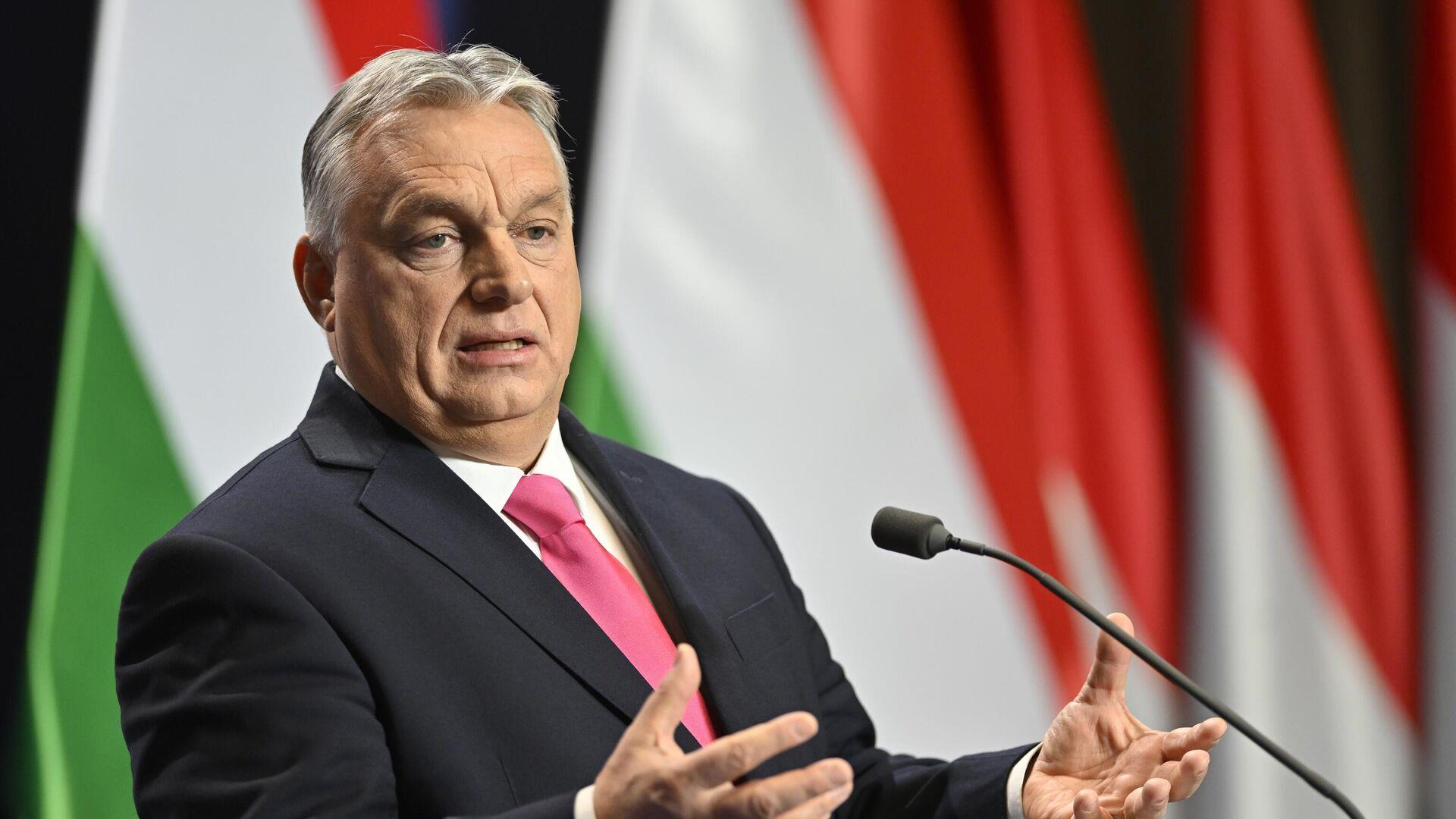
全部投运!硬核穿越秦岭 西气东输三线实现技术与生态双赢
Yang Shi Xin Wen Ke Hu Duan· 2025-09-26 06:47
Core Points - The official launch of the Zhongwei to Zhaoyang section of the West-to-East Gas Pipeline Phase III enhances natural gas supply capabilities in central and eastern China [1][3] - The pipeline, spanning 1,235 kilometers with a design pressure of 10 MPa and a diameter of 1,219 mm, has an annual gas transmission capacity of 25 billion cubic meters [3][5] - This section connects existing pipeline systems, expanding the gas supply to regions such as the Yangtze River Delta, Pearl River Delta, Bohai Rim, and Sichuan-Chongqing area [3][5] Industry Impact - The completion of this section is crucial for the national gas network, alleviating pressure on existing pipelines and enhancing the export capacity of western oil and gas fields [5][7] - The project is significant for optimizing energy transmission structures, ensuring regional energy supply, and promoting economic development in central and eastern China [7] - The West-to-East Gas Pipeline system is part of China's major resource allocation projects, contributing to a cleaner energy structure and benefiting nearly 500 million people [19][21] Technological Innovations - The construction faced challenges due to complex terrains, including the Qinling Mountains, where advanced ecological protection technologies were employed [8][10] - Innovative construction methods, such as the use of a specialized tunnel boring machine, reduced construction time significantly [10][12] - The project incorporates renewable energy solutions, with a total solar power installation capacity of 2,200 kW, leading to substantial reductions in carbon emissions [16][21] Environmental Considerations - The pipeline construction utilized new technologies and materials to minimize environmental impact, particularly in ecologically sensitive areas [14][16] - The project has implemented measures to monitor geological hazards and ensure safety during construction [12][14]
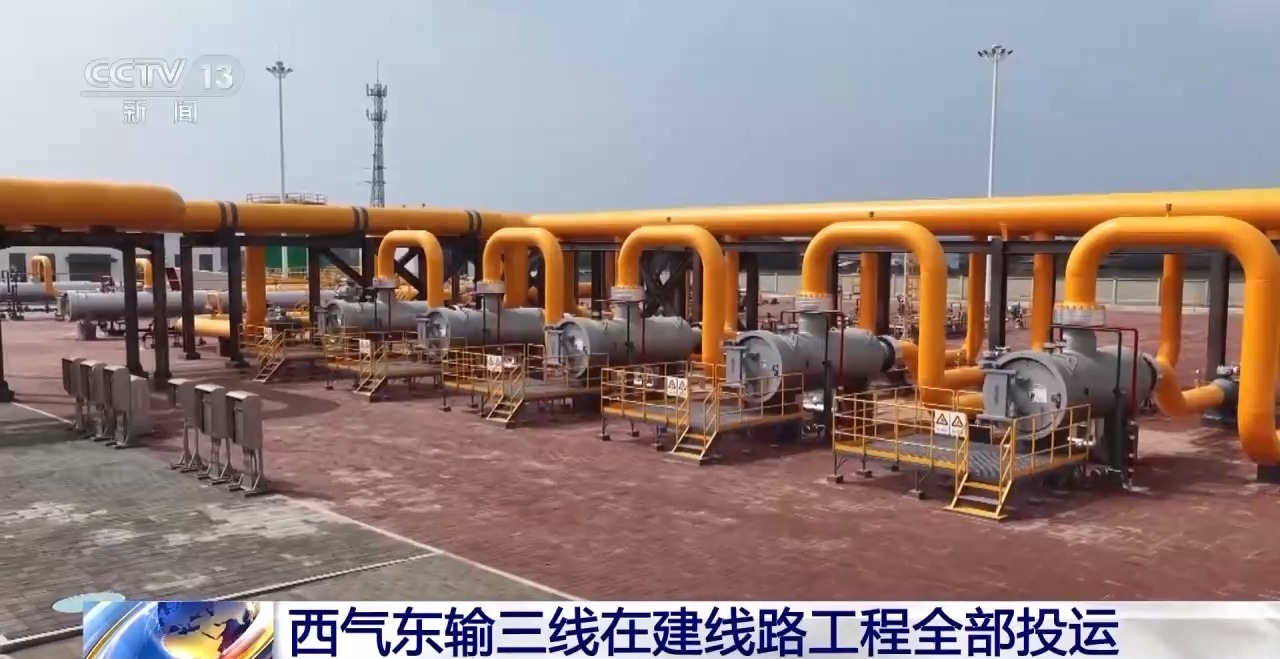
美国能源部部长宣称:俄罗斯仍将受制裁能源产品出口到中国,美方感到沮丧
Sou Hu Cai Jing· 2025-09-26 05:05
Core Viewpoint - The U.S. Department of Energy Secretary Chris Wright believes that reducing Russian natural gas sales to Europe is the most direct way to pressure Russia to end the Ukraine conflict [1][3]. Group 1: U.S. Strategy on Russian Energy - Wright stated that cutting off natural gas sales is easier than oil due to the complexity of gas transportation infrastructure, which includes pipelines and LNG terminals [1]. - He emphasized that if the five pipelines supplying gas to Europe are shut down, Russia would lose significant revenue [1]. - The U.S. is exploring creative ways to pressure Russia, particularly regarding the tracking of Russian oil sales to India and Turkey [3]. Group 2: European Energy Transition - Wright urged European countries to stop purchasing Russian oil and gas to enable the U.S. to impose stricter sanctions on Russia [4]. - He highlighted that European nations should instead buy U.S. LNG and other fossil fuels to fulfill trade agreements, which require the EU to purchase $750 billion worth of U.S. energy products by the end of 2028 [4]. - The EU is planning to phase out Russian LNG imports by early 2027, a year earlier than initially planned, and is negotiating to stop all imports of Russian fossil fuels by 2028 [5]. Group 3: Regulatory Concerns - Wright expressed concerns that EU climate regulations and the goal of achieving net-zero emissions by 2050 pose significant threats to U.S.-EU trade agreements [5]. - He warned that unless there are major adjustments, EU regulations on carbon border adjustments and methane emissions could create substantial legal risks for U.S. fossil fuel companies [5].
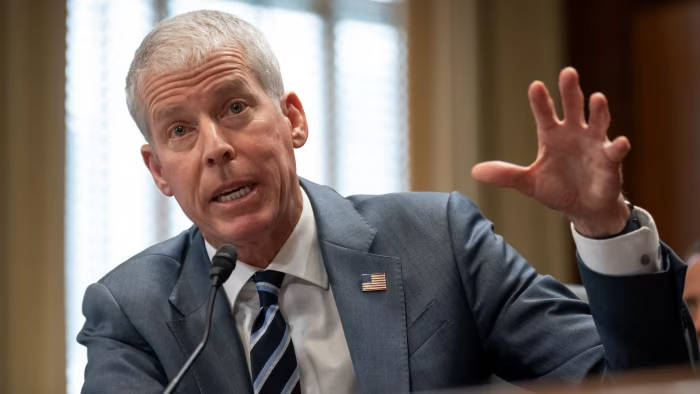
西气东输三线中段中卫至枣阳段贯通投产
Xin Hua Cai Jing· 2025-09-26 04:37
Core Points - The West-to-East Gas Pipeline Phase III Mid-section (Zhongwei to Zao Yang) has officially commenced operations, connecting to the national gas pipeline system and enhancing gas market reach to key regions such as the Yangtze River Delta, Pearl River Delta, Bohai Rim, and Sichuan-Chongqing area [1][2] - The pipeline spans 1,235 kilometers, traversing five provinces, with a designed annual gas transmission capacity of 25 billion cubic meters [1][2] - The project is part of China's "14th Five-Year" plan for oil and gas development, aimed at optimizing energy delivery structure and promoting regional economic growth [1][2] Environmental Considerations - The project emphasizes green development, optimizing route selection to minimize environmental impact, particularly in ecologically sensitive areas [2] - The pipeline features a solar power generation system with a total installed capacity of 2,200 kilowatts, saving 655 tons of standard coal annually and reducing carbon dioxide emissions by 1,631 tons [2] Technological Advancements - The project promotes technological innovation and domestic equipment manufacturing, with key components of the gas compression station being sourced from domestic suppliers, achieving performance levels comparable to international standards [2] - The pipeline is constructed in phases, with previous sections operational since 2014 and 2016, utilizing clean energy sources from Central Asia and western China [2]
雪佛龙以埃天然气管道启建
Zhong Guo Hua Gong Bao· 2025-09-26 03:13
Core Viewpoint - Chevron has signed an agreement with the Israeli state-owned pipeline operator, Israel Natural Gas Lines, to initiate the construction of the "Nitzana" gas pipeline, which will transport natural gas from Israel's Leviathan gas field to Egypt, costing $610 million and expected to be completed in three years [1] Group 1: Pipeline Project Details - The Nitzana pipeline will have a daily gas transport capacity of approximately 600 million cubic feet, increasing Israel's total gas export capacity to Egypt to over 2.2 billion cubic feet per day once operational [1] - The pipeline aims to alleviate Egypt's current energy crisis, as the country has been spending billions of dollars annually on liquefied natural gas (LNG) imports to meet surging domestic energy demands [1] Group 2: Background on Gas Fields - The Leviathan gas field, discovered in 2010, is located about 130 kilometers off the coast of Haifa and covers an area of 330 square kilometers, with an estimated recoverable gas reserve of approximately 229 trillion cubic feet, making it the largest gas reservoir in the Mediterranean region [2] - Chevron has been delaying the final investment decision on the expansion of the Leviathan gas field due to concerns over security situations and market demand not meeting expectations [2] Group 3: Egypt's Energy Situation - Egypt's natural gas production has significantly declined due to the natural depletion of mature gas fields like the Zohr field, coupled with a lack of major new gas field discoveries since 2015 and a surge in domestic electricity demand [1] - Since 2022, Egypt has become a net importer of natural gas, relying on LNG imports and pipeline gas from Israel to meet its energy needs [1]

阿曼液化天然气公司与OQ签订4年协议
Shang Wu Bu Wang Zhan· 2025-09-26 02:42
Core Viewpoint - Oman Liquefied Natural Gas Company has signed a new sales agreement with OQ Refineries to supply Natural Gas Liquids (NGL) starting in 2026 for a duration of four years [1] Group 1 - OQ will receive NGL from Oman Liquefied Natural Gas Company, which will continue to supply liquefied natural gas (LNG) from its facility in Sur to OQ's facility in Sohar [1] - The supplied liquids will serve as essential raw materials for fuel, chemicals, and plastic production [1]
能源早新闻丨我国液氢制取领域取得新突破!
中国能源报· 2025-09-25 23:46
News Focus - China's electrification rate has exceeded 28%, surpassing major developed economies in Europe and the US, with an expected rate of around 35% by 2030, exceeding the OECD average by 8 to 10 percentage points [2] Domestic News - The world's largest coal-fired carbon capture demonstration project has officially commenced operation, capable of capturing 150,000 tons of CO2 annually, marking a significant step towards achieving carbon reduction goals [3] - A breakthrough in the industrial application of liquid hydrogen production technology has been achieved, with a 5 tons/day liquid hydrogen production facility successfully operating for over 168 hours [3] - China's first national shale oil demonstration zone has surpassed a cumulative production of 5 million tons, indicating a shift from technical exploration to stable output in shale oil development [3] - The world's first 100 MWh digital energy storage power station has completed demonstration acceptance, marking a transition from research to large-scale engineering application in digital storage technology [4] - Chongqing plans to establish at least two municipal-level battery recycling and utilization industrial bases by 2027, supporting the development of a comprehensive battery recycling industry [4] - The first pumped storage power station in southwestern Zhejiang has been fully commissioned, with a total installed capacity of 1.8 million kW and an annual generation capacity of 180 million kWh [5] International News - Xcel Energy has agreed to pay approximately $640 million to settle lawsuits related to the Marshall fire in Colorado, highlighting the increasing wildfire risks faced by energy companies in the western US due to climate change [6] - Hungary's foreign minister criticized Western European countries for their double standards regarding energy purchases from Russia, revealing that only 2.2% of Russian oil exports go to Hungary [7] Corporate News - The largest single natural gas purification plant in China has been completed and put into operation in Sichuan, marking a breakthrough in the clean processing of complex natural gas resources [8]
特朗普又一次失算了,韩国算了一笔账,国内群喊“不谈了,不如硬抗关税”
Sou Hu Cai Jing· 2025-09-25 16:56
Core Points - The US-Korea trade negotiations have reached an impasse due to the stringent conditions imposed by the Trump administration, putting the South Korean government under significant pressure [1][4] - South Korean President Lee Jae-myung has expressed concerns about the potential political risks of compromising with Trump's demands, indicating a shift from a pro-US stance to a more confrontational approach [2][8] Group 1: Negotiation Stalemate - Since July 8, the US-Korea trade agreement negotiations have stalled, with both sides failing to reach consensus despite intensive discussions [4] - Trump's demands include a $350 billion investment from South Korea, a 15% increase in auto tariffs, and a commitment to purchase $100 billion in US natural gas over four years, which are seen as excessive by South Korea [4][11] - The request for the transfer of land ownership of US military bases in Korea to the US has particularly angered South Korean officials, reflecting Trump's aggressive negotiation style [4][10] Group 2: Domestic Reactions - The strong demands from the US have sparked significant backlash within South Korea, with rising anti-American sentiment among the public [6][11] - The detention of over 300 South Korean employees in the US on visa issues has further fueled public outrage, leading to large-scale protests in cities like Seoul and Busan [7] - President Lee Jae-myung is aware that further concessions could lead to political repercussions, including potential impeachment [2][8] Group 3: Strategic Responses - In response to Trump's demands, Lee has employed a humorous approach to deflect pressure while asserting South Korea's position, indicating a strategic shift in negotiations [8][9] - There is a growing sentiment among South Korean officials that accepting a 25% tariff on exports to the US may be more manageable than complying with Trump's $350 billion investment demand [11][13] - Lee's administration is also exploring diplomatic adjustments to balance relations between the US and China, including visa exemptions for Chinese tourists [14][16]
泰山燃气:以精准核查筑牢能源基石 以主动服务赋能市场发展
Qi Lu Wan Bao Wang· 2025-09-25 13:53
2025年8月中旬,盛夏的热浪尚未褪去,一场关乎天然气市场规范运行与能源政策落地的重要任务已在 泰山燃气集团调度营销部悄然启动。中石油天然气销售山东公司下发的年度用气结构核查通知,不仅是 对下游供气单位合规运营的"体检",更是对区域能源消费结构的一次深度校准。调度营销部营销科迅速 响应、周密部署,历时十余天,圆满完成集团本部及十家接气企业核查任务,以严谨的数据支撑政策落 实,用专业的担当守护能源供应。 面对8月底正式启动的核查工作,营销科深刻认识到用气结构核查绝非简单的资料梳理,而是打通"政 策-企业-市场"传导链路的核心节点。为此,科室第一时间构建"双向联动"工作机制,向上精准对接监管 要求,向下高效触达市场主体——一方面将核查通知及资料清单细化为"一企一档"的定制化指引,通过 专题会议、定向推送等方式确保下游十家企业"应知尽知、应备尽备";另一方面组建专业团队深挖历史 数据"富矿",对上年度用气合同、月度报表、客服记录等文件进行交叉核验,形成涵盖"基础信息-用量 趋势-结构占比"的分析报告,为核查工作提供"数据底座"。 核查的终点,恰是服务的起点。营销科以此次核查为契机,同步启动"市场需求深度调研"行动: ...