
旅游

Search documents
从“空城”到“满城烟火” 深圳新春的温暖转身
Chang Jiang Shang Bao· 2026-02-27 00:13
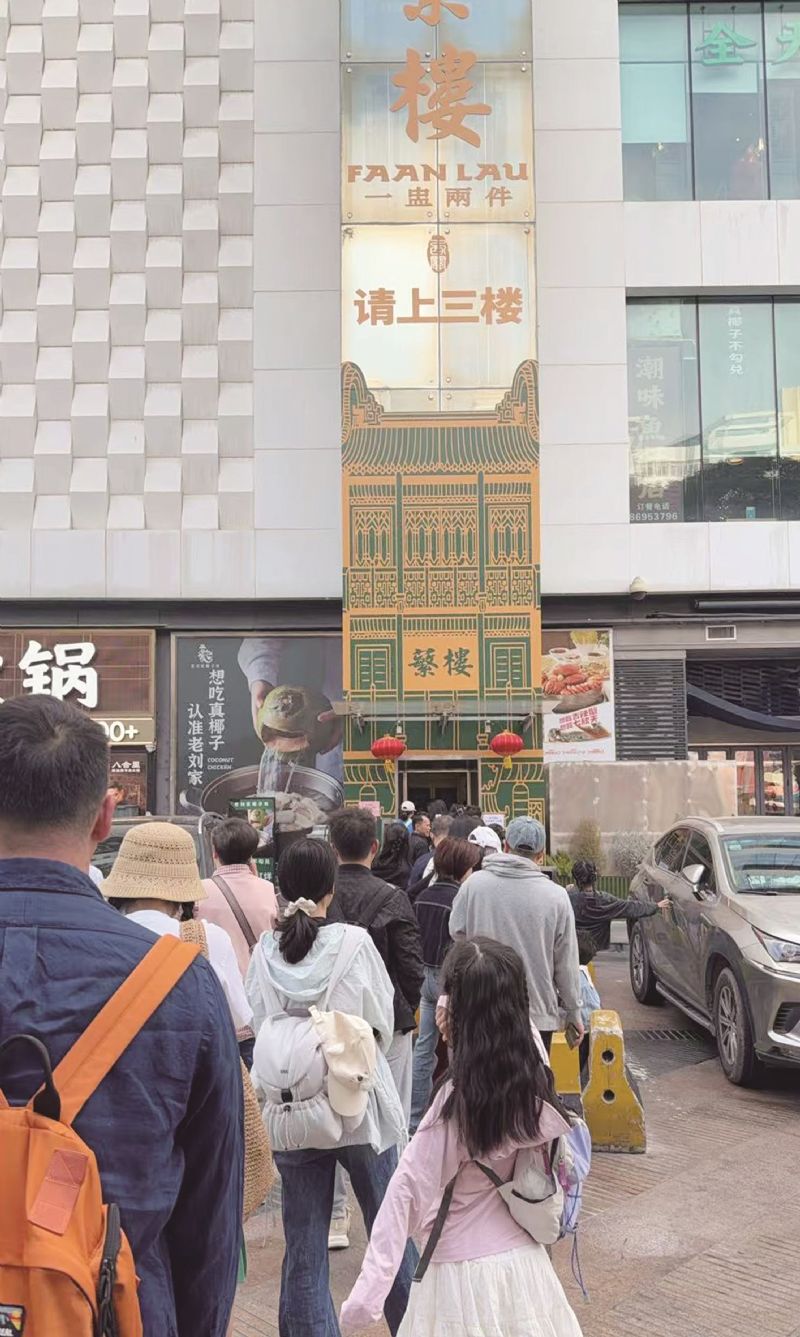
Core Viewpoint - Shenzhen has transformed from a "ghost city" during the Spring Festival to a vibrant and bustling metropolis, with increased human activity and festive atmosphere this year [3][6]. Group 1: City Atmosphere - The city is experiencing a revival in human activity, with many migrant workers choosing to celebrate the New Year locally, leading to a new trend of "reverse Spring Festival travel" [3]. - Streets are adorned with decorations, and popular areas like Shenzhen Bay are filled with families and tourists enjoying the festive environment [3]. - The overall atmosphere is characterized by warmth and celebration, contrasting sharply with previous years' quietness during the holiday [3][6]. Group 2: Tourism and Attractions - Shenzhen's tourism has seen a significant increase, with various attractions, including the Shenzhen Science Museum, becoming popular destinations for families [4][6]. - The Science Museum features interactive exhibits in fields like aerospace and artificial intelligence, drawing large crowds and providing educational experiences for children [4]. - The city is now recognized for its vibrant tourism, with family-oriented, science-focused, and coastal activities becoming mainstream during the holiday [6]. Group 3: Dining and Hospitality - The restaurant scene in Shenzhen has rebounded earlier than in previous years, with many well-known eateries opening their doors to welcome guests [5]. - Notable establishments like Fan Lou have seen long queues, indicating a strong demand for traditional Cantonese cuisine during the holiday [5]. - The city has implemented measures to enhance the dining experience, including extended operating hours and increased public transport services, ensuring a warm and welcoming environment for both locals and visitors [5][6].

路灯照亮振兴路 春光住进百姓家
Chang Jiang Shang Bao· 2026-02-27 00:12
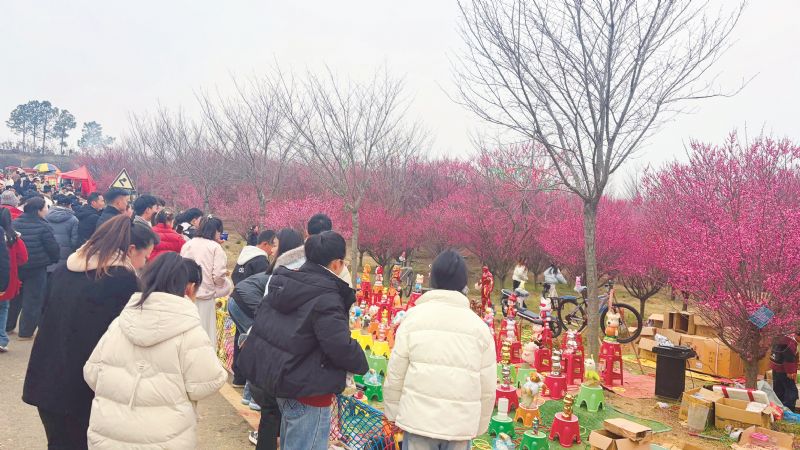
Core Viewpoint - The news highlights the positive developments in Xiaogan City, showcasing improvements in infrastructure, cultural activities, and overall quality of life for residents, driven by significant investments in public projects and community engagement [2][4][5]. Infrastructure Development - Xiaogan City has implemented a "Rural Lighting Project" that aims to install 86,000 solar streetlights by the end of 2025, covering 95% of administrative villages, enhancing safety and accessibility for residents [3][4]. - The construction of the Xiaogan Olympic Sports Center, with a total investment of 1.2 billion yuan, is a key project for the 2026 Hubei Provincial Games, completed in just two years and now open to the public [4][5]. Cultural and Community Engagement - A local Spring Festival event featured performances by residents, reflecting the cultural vitality and community spirit in Xiaogan, with a significant turnout and engagement from the public [3]. - The integration of cultural and tourism initiatives is evident, with improved infrastructure at tourist sites like Ni Ji Mountain, which has seen increased visitor numbers due to better facilities [5]. Economic and Social Impact - By 2025, Xiaogan's public spending on livelihood projects is projected to account for 78.3% of the general public budget, marking a 6.2% increase year-on-year, indicating a strong focus on enhancing residents' quality of life [4][5]. - The city has also made strides in education and housing, with the construction of 42 new or expanded schools and 5,600 affordable housing units, addressing the needs of 18,000 individuals [5].
“史上最长春节假期”收官 “广东过大年”数项指标创历史新高
Xin Lang Cai Jing· 2026-02-26 23:52
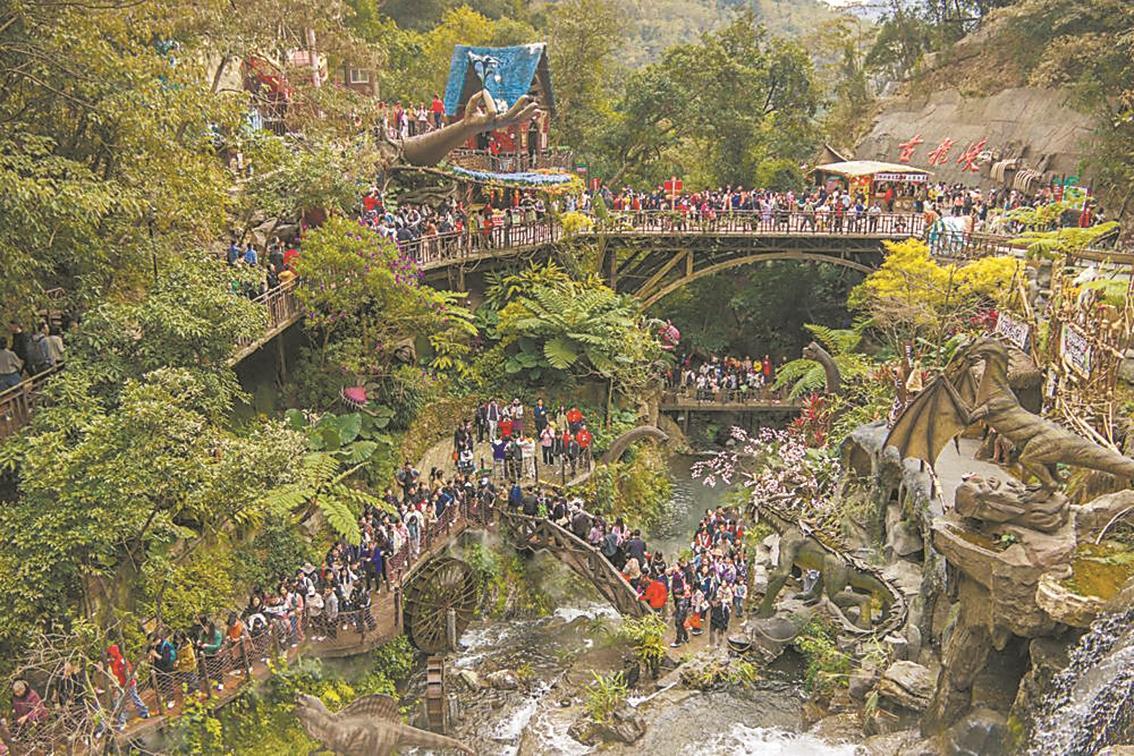
Core Insights - Guangdong's cultural and tourism consumption contributes over 70% to the overall industry, reflecting a significant increase in visitor numbers and spending during the Spring Festival holiday [8][9][10] Group 1: Visitor Statistics - During the Spring Festival holiday, Guangdong received 86.59 million tourists, a year-on-year increase of 8.1%, generating a tourism revenue of 84.89 billion yuan, up 13.9% [2][5] - Nationally, domestic travel reached 596 million trips, with total spending of 803.48 billion yuan, marking historical highs in both visitor numbers and expenditures [2][8] - The number of inbound tourists to Guangdong exceeded 20 million for the first time during the holiday, with a year-on-year growth of 18.7% [9] Group 2: Spending Patterns - The average spending per visitor in Guangdong was 980.4 yuan, reflecting a 5.4% increase [7][8] - Major spending categories included dining, transportation, and shopping, with shopping solidifying its position as a key expenditure area [8][10] - The hotel industry experienced a surge, with overnight visitor rates reaching 23.6%, an increase of 2.1 percentage points [8] Group 3: Cultural and Tourism Activities - The "Guangfu New Year" cultural experiences attracted both domestic and international tourists, with Shantou emerging as a top destination for unique cultural experiences [4][5] - Various cities in Guangdong showcased immersive cultural activities, including traditional performances and modern technological integrations, enhancing the overall tourist experience [5][11] - The integration of technology with cultural events, such as drone shows and interactive experiences, contributed to a vibrant tourism atmosphere [11][12] Group 4: Future Outlook - The success of the "Please Come to Guangdong for the New Year" campaign indicates a clear path for Guangdong to transition from a tourism province to a tourism powerhouse [10][11] - Continuous efforts to innovate and enhance the tourism experience are expected to sustain visitor interest and spending, contributing to long-term growth in the sector [11][12]
锦州春节文旅市场火爆 接待量同比增长超七成
Xin Lang Cai Jing· 2026-02-26 23:52
Core Viewpoint - The 2026 Spring Festival in Jinzhou will feature a cultural tourism event themed "Jinzhou Year · The Northeast Most," aiming for a comprehensive experience across various districts and key scenic spots, leading to a significant increase in tourism market activity [1] Group 1: Event Overview - Jinzhou's cultural tourism event will involve collaboration among various counties, districts, and key scenic areas [1] - The event promotes "full-area linkage, full-time experience, and all-age sharing" for the Spring Festival [1] Group 2: Market Performance - The tourism market in Jinzhou is experiencing a continuous rise in activity [1] - Key scenic spots reported a year-on-year increase in visitor numbers by 70.54% and revenue by 63.08% on a comparable basis [1] - The Spring Festival cultural tourism event achieved a successful start, referred to as "opening red" [1]
新春走基层·我在,我看,我记录丨在火神台,触摸“殷商之源”的根与魂
He Nan Ri Bao· 2026-02-26 23:14
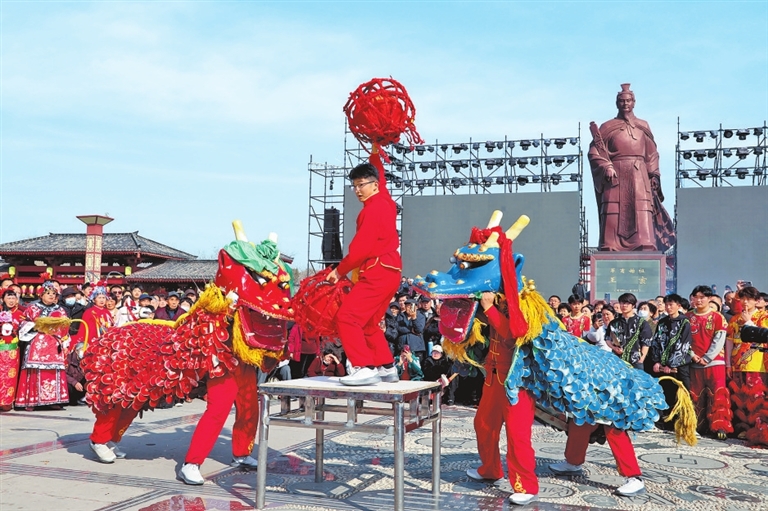
Core Viewpoint - The article highlights the cultural significance and evolution of the Huoshen Tai Temple Fair in Shangqiu, emphasizing its role as a platform for cultural exchange and innovation, blending traditional practices with modern elements [1][2][3] Group 1: Cultural Significance - The Huoshen Tai Temple Fair is rooted in the ancient fire civilization, recognized as the birthplace of Chinese fire culture, attracting millions from neighboring provinces for cultural and religious activities [2] - The event showcases a variety of folk arts and performances, including local operas, acrobatics, and traditional dances, reflecting the rich cultural heritage of the region [1][2] Group 2: Evolution and Modernization - The Temple Fair has transformed from a local gathering to a national cultural event, incorporating diverse cultural elements from across China and even international influences [2][3] - This year's fair features a comprehensive upgrade themed around "Yin Shang's Source and the City of Spring," utilizing technology to connect ancient wisdom with contemporary culture, particularly through the representation of the 24 solar terms [3]
主持旅游会议,整治行业乱象,李在明誓言对宰客“连根拔除”
Huan Qiu Shi Bao· 2026-02-26 22:59
Core Viewpoint - The South Korean government, led by President Lee Jae-myung, is prioritizing a comprehensive reform of the tourism industry to address issues such as overcharging and aggressive solicitation, aiming to enhance the quality of tourism and achieve the goal of attracting 30 million foreign visitors by 2030 [1][2][7]. Group 1: Government Initiatives - The meeting marked the first time since 2019 that a South Korean president personally chaired a national tourism strategy meeting, signaling the government's commitment to the tourism sector [1]. - A set of measures called "anti-overcharging strategies" was announced, which includes increasing penalties for violations related to price misrepresentation and implementing strict regulations that could lead to immediate business suspensions for offenders [2][4]. - The government plans to introduce a "self-regulation fee pre-declaration system" for the accommodation sector, requiring operators to declare price ceilings in advance, with penalties for non-compliance [4]. Group 2: Market Challenges - The tourism market has faced ongoing issues with pricing and service quality, highlighted by incidents such as accommodation prices skyrocketing during major events, which has led to public outcry [5]. - There is a growing sentiment among the public regarding the declining value for money in domestic tourism, with some suggesting that traveling abroad may offer better experiences for similar costs [5][6]. - Despite a record number of foreign visitors in 2022, there is a notable contradiction between increased visitor numbers and decreased per capita spending, indicating a need for quality improvement in the tourism experience [7][8]. Group 3: Future Directions - The South Korean government aims to shift the focus from quantity to quality in tourism, with an emphasis on attracting high-spending international tourists [8][9]. - The tourism sector is seen as being at a pivotal moment, with plans to accelerate the goal of attracting 30 million foreign tourists to 2029 [8]. - The consumption trends of Chinese tourists are identified as a significant variable in assessing the effectiveness of South Korea's tourism policies moving forward [9].
何以从“网红”到“长红”
Xin Lang Cai Jing· 2026-02-26 22:50
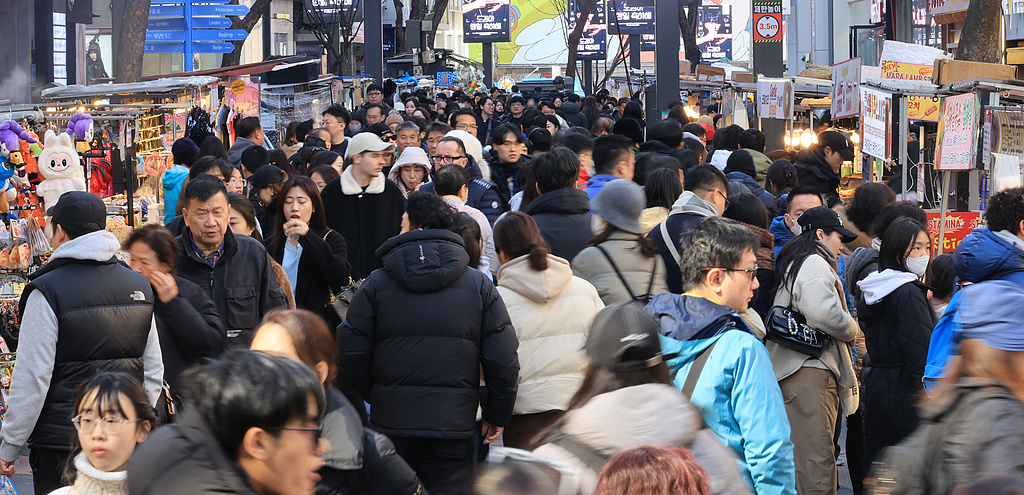
Core Insights - The tourism sector in Huzhou has shown remarkable growth during the Spring Festival, with a significant increase in visitor numbers and diverse offerings that cater to various interests [1][2][5] Group 1: Visitor Statistics - Zhejiang Province received 46.043 million tourists during the Spring Festival, marking a 24.7% year-on-year increase, with Huzhou leading the province in growth [1] - Huzhou's tourism attractions, such as the Changxing Taihu Dream and Huzhou Taihu Tourist Resort, ranked among the top three in daily visitor numbers [1] - The city recorded 8000 performances during the holiday, attracting over 380,000 attendees and generating ticket sales exceeding 37 million yuan [2] Group 2: Diverse Offerings - Huzhou's tourism strategy included a mix of cultural experiences, such as large-scale performances and winter activities, which enhanced visitor engagement [2][3] - The integration of ice and snow activities with cultural experiences has proven popular, with 10 ice tourism sites collectively welcoming 304,000 visitors during the holiday [3] - Cultural events, such as the "Nanzhu Night Banquet" and various traditional performances, contributed to the festive atmosphere and attracted significant crowds [4][5] Group 3: Marketing and Promotion - The city implemented a comprehensive marketing strategy, including themed promotions and social media campaigns, to attract visitors and convert them into overnight guests [6][7] - Huzhou's tourism system upgraded 91 A-level scenic spots and launched 152 cultural tourism products to enhance visitor experience [6] - The average occupancy rates for hotels and guesthouses during the holiday were 62.9% and 65.6%, respectively, with a notable increase in visitors from outside the province [7] Group 4: Future Directions - Huzhou aims to expand its mid-week tourism market, embrace pet-friendly tourism, and develop all-age educational travel, while optimizing services for inbound tourism [7]
古都新韵 城以文兴
Bei Jing Ri Bao Ke Hu Duan· 2026-02-26 22:46
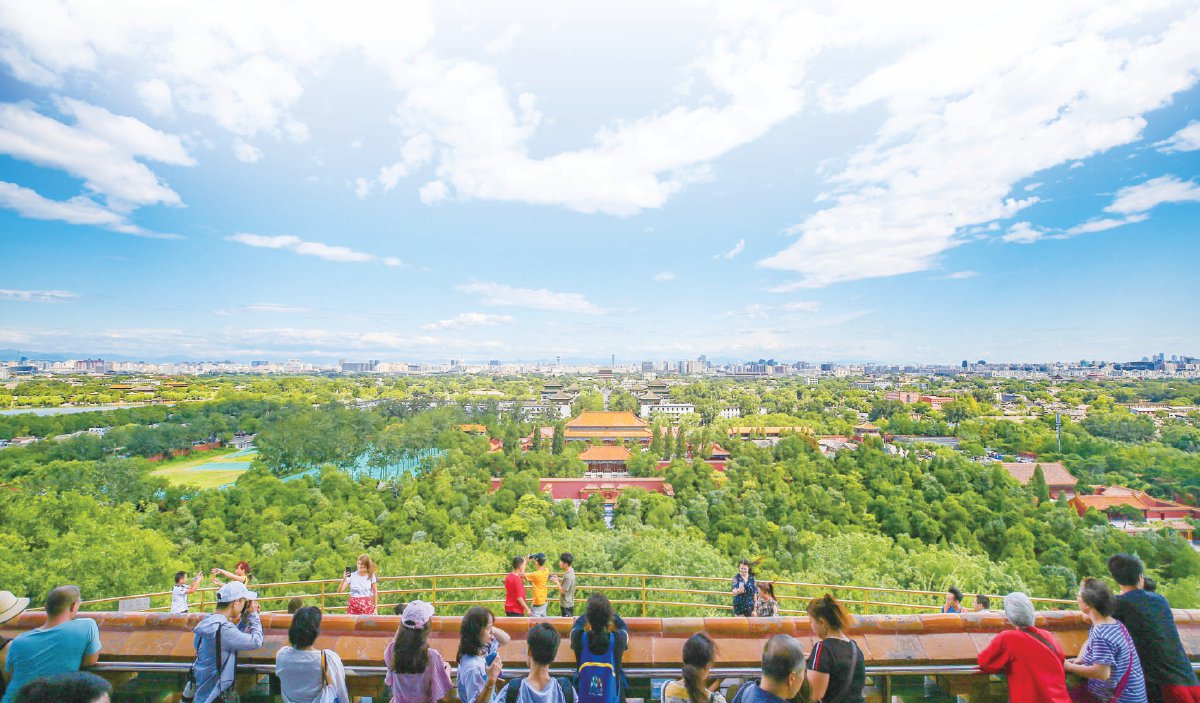
Group 1 - Beijing is integrating culture, commerce, tourism, sports, and exhibitions to enhance urban innovation and contribute to sustainable development, showcasing "Beijing practice" and "Chinese wisdom" [1][3] - The historical and cultural heritage of Beijing is being preserved and revitalized, with a focus on protection, activation, and coexistence [3][4] - The successful inclusion of the Beijing Central Axis in the World Heritage List has led to the restoration of historical sites, enhancing the city's cultural landscape [4][5] Group 2 - The "ticket economy" is being leveraged to stimulate consumption, with each 1 yuan spent on concert tickets generating at least 4.8 yuan in related spending on dining, transportation, and accommodation [9][10] - Major events like concerts and festivals are significantly boosting local economies, with the 25th anniversary concert of Mayday leading to a 240% increase in hotel bookings in the surrounding area [9][10] - The integration of "second scene" experiences is enhancing consumer engagement and driving economic growth in the city [11] Group 3 - Beijing is reconfiguring its consumption landscape through a "Cultural + Ecology + Heritage + Events + Commerce" strategy, creating new consumer spaces and enhancing the overall experience [12][14] - The city has opened over 5 million square meters of new commercial space since 2021, with significant foot traffic and sales reported in new commercial districts [13] - The "tourism +" initiative is transforming traditional tourism into a comprehensive experience, connecting various cultural and recreational activities across the city [14][15] Group 4 - Collaborative efforts among Beijing, Tianjin, and Hebei are enhancing cultural tourism, with new travel routes and events designed to attract visitors to the region [15] - The focus on cultural empowerment and innovation is driving high-quality development, ensuring that the city remains vibrant and sustainable for the future [15]
区域联动打造城市增长极——来自北京的调查
Jing Ji Ri Bao· 2026-02-26 22:01
Core Viewpoint - The "Two Parks and One River" strategy in Beijing's western region aims to revitalize the area through coordinated development, focusing on ecological restoration, cultural integration, and industrial upgrades, creating new economic advantages and vibrant urban spaces [1][2][18]. Group 1: Development Strategy - The "Two Parks and One River" initiative includes the Garden Expo Park, Shougang Park, and the Yongding River, covering a total area of 42.8 square kilometers along the river, with a focus on creating a vibrant urban area [1][2]. - The strategy involves collaboration among nine municipal departments and local governments to implement the development plan effectively [2]. Group 2: Economic Impact - The Yongding River market, which opened in September 2025, generated over 3 million yuan in sales within the first two months, attracting 187,000 visitors [3]. - The World Table Tennis Professional League event in October 2025 brought in 986,000 visitors and generated 154 million yuan in direct economic income, showcasing the area's potential for sports tourism [4]. Group 3: Cultural and Ecological Revitalization - The transformation of the Garden Expo Park from a landfill to a green space has achieved a 95% vegetation coverage rate, making it a popular destination for residents and tourists [8][9]. - The "Wanfeng City" project integrates historical and cultural resources, enhancing visitor experiences through events and activities that promote local heritage [6][7]. Group 4: Infrastructure and Connectivity - The development plan includes the construction of a 13-kilometer waterfront greenway along the Yongding River, enhancing connectivity between parks and urban areas [13]. - The integration of flood control measures with ecological enhancements aims to create a safe and enjoyable waterfront environment for residents and visitors [12][10]. Group 5: Future Prospects - By 2026, the "Two Parks and One River" initiative aims to achieve comprehensive development, focusing on interconnectivity, innovative management systems, and cultural tourism integration [18][19]. - The ongoing projects and collaborations with various enterprises in technology and innovation sectors are expected to support the region's industrial upgrade and economic growth [18][16].
区域联动打造城市增长极
Jing Ji Ri Bao· 2026-02-26 21:39
Core Viewpoint - The "Two Parks and One River" strategy in Beijing's western region aims to revitalize and upgrade the area, focusing on ecological restoration, cultural integration, and industrial transformation, creating new economic advantages and vibrant urban spaces [1][14]. Group 1: Development Strategy - The "Two Parks and One River" initiative includes the Garden Expo Park, Shougang Park, and the Yongding River, covering a total area of 42.8 square kilometers, with a focus on collaborative development and creating a vibrant urban area [1][2]. - The strategy involves nine municipal departments and local governments working together to implement the development plan effectively [2]. Group 2: Economic Impact - The Yongding River area has seen significant economic activity, with the Yongding River Market generating over 3 million yuan in sales within the first two months of operation, attracting 187,000 visitors [3]. - The World Table Tennis Professional League event in Shougang Park attracted 986,000 visitors and generated 154 million yuan in direct economic income, showcasing the area's potential for sports tourism [4]. Group 3: Cultural and Ecological Revitalization - The transformation of the Garden Expo Park from a landfill to a green space has resulted in a 95% vegetation coverage rate, making it a popular destination for residents and tourists [8][9]. - The integration of cultural resources, such as the Anti-Japanese War Memorial Museum and the Lugou Bridge, into the "Wampeng Museum City" project aims to enhance historical education and cultural experiences [6][7]. Group 4: Infrastructure and Connectivity - The Yongding River serves as a crucial flood control channel, with ongoing projects to enhance its flood management capabilities while also improving ecological conditions [10][12]. - Future plans include the construction of a waterway connecting various parks and cultural sites, promoting accessibility and recreational opportunities along the river [13][19]. Group 5: Future Prospects - By 2026, the "Two Parks and One River" initiative aims to achieve comprehensive development, focusing on interconnectivity, innovative management systems, and the integration of cultural and commercial activities [18][20]. - The ongoing collaboration among local governments and enterprises in sectors like AI, biomedicine, and digital technology is expected to support regional industrial upgrades and economic growth [18].