储能

Search documents
业界:促进分布式储能多元化和市场化发展
Huan Qiu Wang· 2025-12-18 10:20
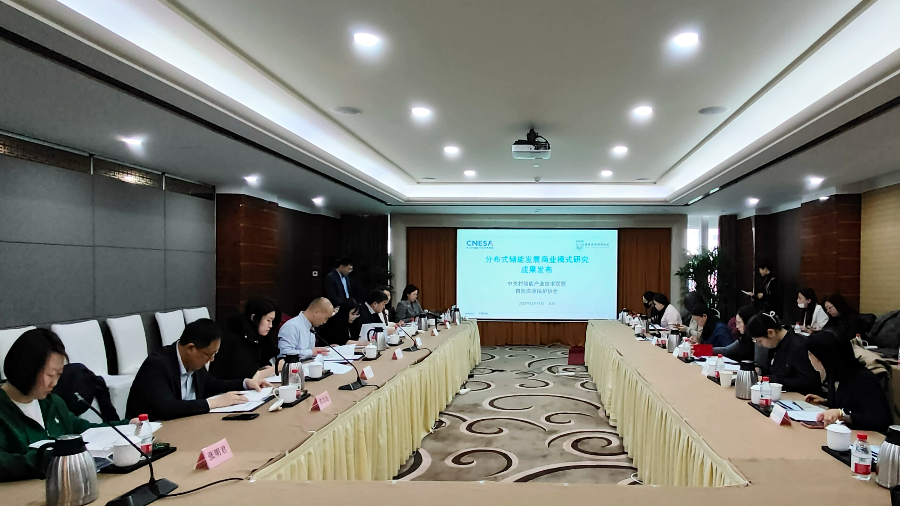
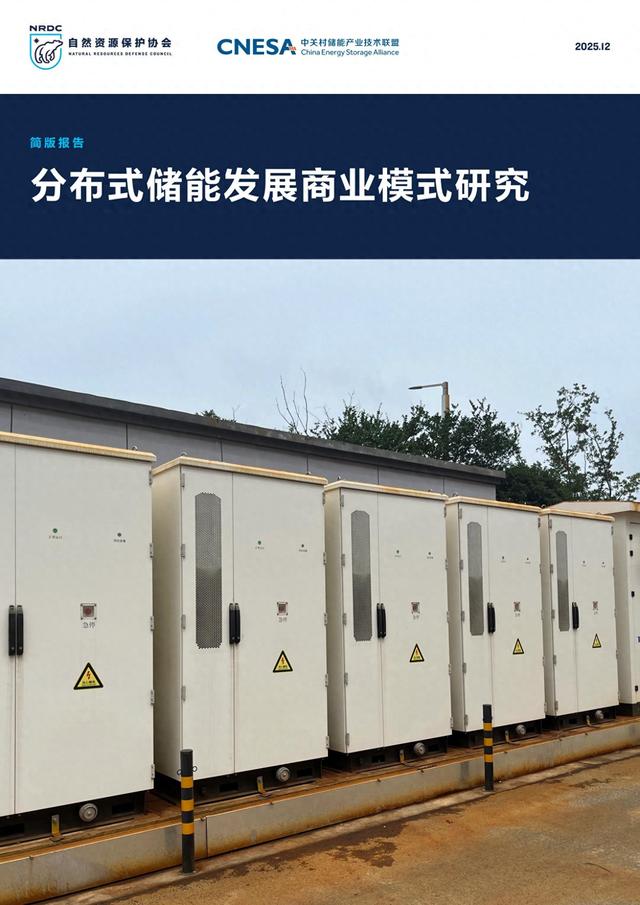
来源:环球网 【环球网报道 记者 齐琛冏】在"双碳"目标驱动下,分布式储能作为构建新型电力系统的关键环节,正 迎来快速发展。12月16日,自然资源保护协会与中关村储能产业技术联盟在京合办研讨会并发布《分布 式储能发展商业模式研究》。该研究分析了我国分布式储能的商业模式和主要挑战,并结合国际经验和 我国电力市场建设现状,初步探索了分布式储能商业模式的创新方向,提出了完善配套机制的建议。 六大应用场景拉动分布式储能快速发展 其中,工商业配储最为成熟,主要依赖分时电价套利,但其经济性受省份分时电价峰谷价差政策影响显 著;分布式光伏配储分源侧与荷侧两类,源侧为全额上网项目,以参与市场交易为主,荷侧主要用于提 升自发自用率和分时电价峰谷套利;绿电直连项目含并网型与离网型,并网型绿电直连项目中的储能可 发挥减少弃电和分时电价峰谷套利的双重作用,离网型绿电直连项目中的储能兼具减少弃电和保障供电 的功能;台区储能以动态增容为核心,多为电网主导的示范项目;虚拟电厂通过聚合储能提升调节能 力,参与需求响应、电能量市场和辅助服务市场;充换电站配储聚焦变压器扩容与峰谷套利。 自然资源保护协会能源转型项目高级主管黄辉分析,在具体场景应 ...

中国能建:固态锂离子电池科研课题已经完成预期科研目标
Zheng Quan Ri Bao Wang· 2025-12-18 09:43
Group 1 - The company, China Energy Engineering Corporation (601868), is increasing its R&D expenses in relevant areas [1] - The research project on solid-state lithium-ion batteries has achieved its expected research goals and is ready for conclusion [1] - The production of semi-solid energy storage cells is still under verification [1]

狂飙的智算中心,打开了长时储能新剧本
3 6 Ke· 2025-12-18 09:42
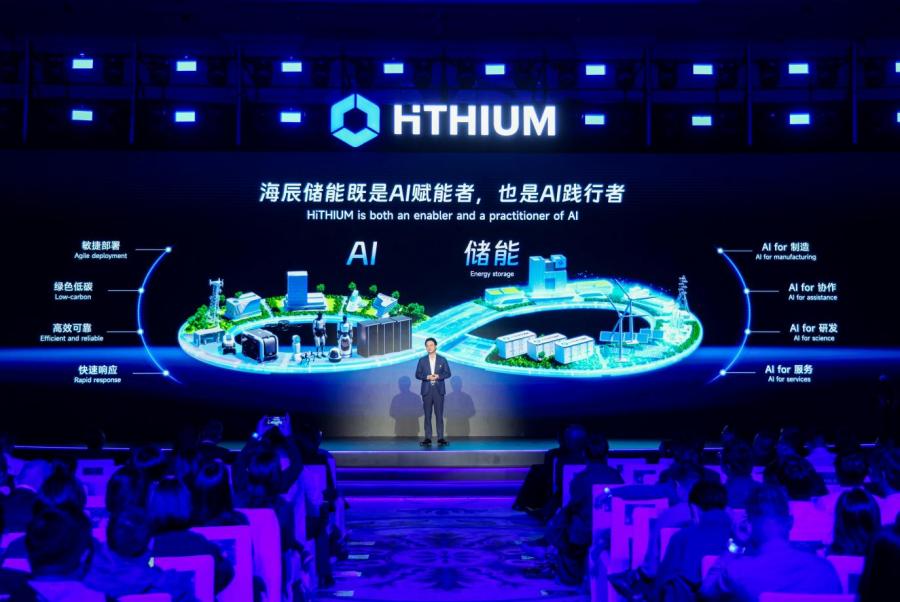
Core Insights - The article discusses the growing demand for long-duration energy storage (LDES) solutions driven by the rapid expansion of AI data centers (AIDC) and their significant electricity consumption, which is outpacing existing power grid capabilities [1][3][5]. Group 1: Power Supply Challenges - The high energy consumption of AI data centers has led to power outages and grid overloads in various regions of the U.S., highlighting a critical issue in power supply [2][3]. - Microsoft CEO Satya Nadella emphasized that the main challenge for the computing industry is not chip supply but the ability to provide sufficient power to data centers, indicating a bottleneck in infrastructure development [7][11]. Group 2: Long-Duration Energy Storage Solutions - Long-duration energy storage is identified as a necessary solution to stabilize power supply and support the expansion of AI data centers, transitioning from short-term to long-term storage solutions [5][13][14]. - The demand for LDES is expected to grow as renewable energy sources become more prevalent, with projections indicating that when renewable energy generation exceeds 20%, LDES will become essential [18][23]. Group 3: Industry Developments and Innovations - Companies like 海辰储能 (Haitian Energy Storage) are leading the way in LDES technology, having launched the world's first kilowatt-hour level long-duration energy storage battery and system [18][19]. - The company has also introduced innovative solutions such as the "sodium-lithium collaborative" energy storage system, which addresses the unique power demands of AIDC [21][30]. Group 4: Market Trends and Future Outlook - The market for long-duration energy storage is projected to grow significantly, with estimates suggesting that by 2050, LDES could account for 95% of total energy storage capacity [23]. - The advancements in large-capacity battery technology are crucial for the success of LDES, with companies focusing on improving energy density and reducing lifecycle costs [25][26][30].
九联科技(688609.SH):截至目前,公司持有惠州仲恺民营投资集团有限公司4%股权
Ge Long Hui· 2025-12-18 09:38
Group 1 - The core viewpoint of the article is that Jiulian Technology (688609.SH) has a 4% stake in Huizhou Zhongkai Private Investment Group Co., Ltd., which is primarily engaged in the development, investment, and construction of commercial photovoltaic and energy storage projects [1] Group 2 - Huizhou Zhongkai Private Investment Group Co., Ltd. focuses on the development and investment in commercial photovoltaic and energy storage sectors [1] - Jiulian Technology's investment in Huizhou Zhongkai Private Investment Group indicates a strategic interest in the renewable energy market [1]

九联科技:公司持有惠州仲恺民营投资集团有限公司4%股权
Mei Ri Jing Ji Xin Wen· 2025-12-18 09:35
Group 1 - The core business of Huizhou Zhongkai Private Investment Group Co., Ltd. is focused on the development, investment, and construction of commercial photovoltaic and energy storage projects [1] - The company holds a 4% equity stake in Huizhou Zhongkai Private Investment Group Co., Ltd. as of the latest update [1]
狂飙的智算中心,打开了长时储能新剧本
36氪· 2025-12-18 09:26
中美两国同步布局"星际之门",数字化时代的新基建正如火如荼展开。然而在AI算力爆炸式增长的背后,一场关于"电力"的焦虑正在蔓延。 过去一年,美国多地因AI数据中心的高负荷用电,出现了居民区停电、电网设备过载甚至火灾等事故,造成巨大损失。 仅仅在上个月,美国西雅图部分区域发生了大范围停电,这已是该地区当月的第三次停电。 AI数据中心就像一只只巨大的"电老虎",其能耗增长速度已超出电网基础设施的承载能力。除中国外,目前全球大部分地区电力供应都存在缺口。 让人意想不到的是,这场"算力"和"电力"的戏剧性冲突,却在一个能源的细分赛道引发巨浪。 2025年10月,英伟达在OCP(Open Compute Project Global Summit 2025)提出AIDC标配储能以平抑负荷波动,明确了AIDC配储的必要性以及下一代配 电方案。 该方案被认为具有风向标的意义:长时储能系统成为了下一代AIDC设计核心,也将成为储能行业的下一个超级增长引擎。 过去,储能的核心命题是应急兜底与电网调峰;如今,智算中心的高算力密度、高频功率波动、长时稳定供电等刚性需求,正倒逼储能技术从"短时响 应"向"长时支撑"跃迁,从"辅助配置 ...
独立储能爆火,内蒙之后下一个是谁?
3 6 Ke· 2025-12-18 09:24
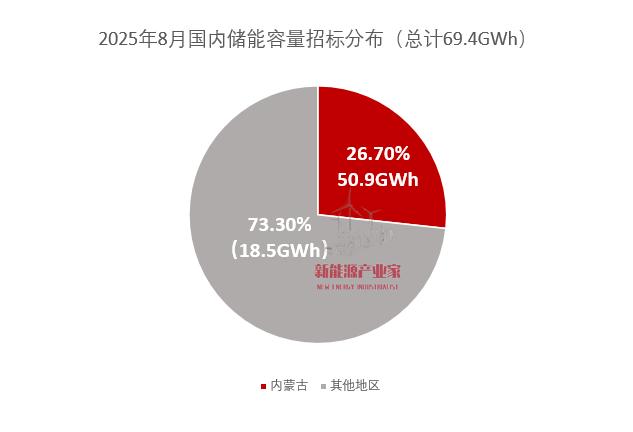
另一个西北大省浮出水面 "内蒙项目今年争夺非常惨烈,明年估计会更惨烈。"一位当地投资机构负责人感叹道。 今年随着国内"大干快上",尤其是GWh级项目频出,国内储能尤其是独立储能,迎来了一场井喷。 这其中内蒙引领全国,2025年度0.35元/kWh的补贴政策直接拉爆了项目的IRR,成为国内独立储能最为赚钱的区域,让各路开发方和投资方云集于 此。 就在近日,内蒙还发布2026年度给予0.28元/kWh的补贴政策,一句话: 接着奏乐接着舞! 内蒙的独立储能爆了,那下一个内蒙会是谁呢? 这个得先复盘内蒙这一轮爆发的根源,再来按图索骥的找到下一个潜力股。 01 内蒙为何爆发? 这有内外两方面的原因。 内部的原因,来自当地新能源产业的自生动力。 内蒙能源圈有句话:"头上有风光、脚下有煤炭、手中有电网"。 在我国新能源产业,内蒙是一个特殊的区域,风光资源全国第一,新能源装机全国第一,新能源发电量全国第一,新型储能装机全国第一,尤其是 外送电量连续两年居全国第一,在整个中国庞大的电力系统中,内蒙扮演找着极其重要的能源保障者角色。 业界人称中国第一"充电宝"。 因此,本质上,内蒙古储能市场的爆发,是为其完成整体国家能源转型战略 ...
中国能建:“百兆瓦级大容量半固态锂离子电池储能系统”首台(套)已有示范应用
Mei Ri Jing Ji Xin Wen· 2025-12-18 09:14
Core Viewpoint - The news confirms that China Energy Construction Corporation (中国能建) has developed a 100 MW large-capacity semi-solid lithium-ion battery energy storage system, which has been included in the fifth batch of major technological equipment in the energy sector by the National Energy Administration [1] Group 1: Company Developments - China Energy Construction Corporation's Guangdong Institute has successfully developed the first unit of the 100 MW large-capacity semi-solid lithium-ion battery energy storage system [1] - The company, along with its subsidiary Tianhui Energy Technology, is actively working on key technological challenges to enhance the safety and reliability of large-capacity energy storage systems [1] - The first unit of the energy storage system has been demonstrated in the new electrochemical energy storage power station project in Guangdong Huadian Shantou Overseas Chinese Management Area [1]
湖北年产2GWh电解液生产基地投产
鑫椤锂电· 2025-12-18 08:40
Core Insights - The article highlights the inauguration of the Zhaoyang Electrolyte Production Base by Zhaoyang Energy Storage Technology Co., Ltd. in Hubei, which is set to significantly contribute to the electrolyte market and vanadium product research [1] Group 1: Project Overview - The electrolyte production base covers an area of 153 acres and is designed to produce 2 GWh of electrolyte and 10,000 tons of crude vanadium purification annually [1] - The first phase of the project involves an investment of over 200 million yuan, featuring two automated production lines for electrolytes and three pilot lines along with an analysis and testing platform [1] - The projected output value of the vanadium electrolyte is approximately 1.5 billion yuan, with expected revenue exceeding 100 million yuan by 2025 [1] Group 2: Future Developments - The second phase aims to achieve 1 GWh of electrolyte production capacity by the end of 2026 [1] - The third phase, focusing on 10,000 tons of crude vanadium purification, is anticipated to be completed by the end of June 2027 [1]
分布式储能累计装机近6年增长超5倍,商业模式多元化破局
2 1 Shi Ji Jing Ji Bao Dao· 2025-12-18 08:18
Core Viewpoint - The development of distributed energy storage is accelerating due to decreasing construction and operational costs, extensive development of distributed energy, and supportive policies, with a focus on achieving market-oriented and diversified growth through policy improvement and market reform [1][2]. Group 1: Industry Overview - Distributed energy storage refers to small storage systems located on the user side (homes, factories, shopping malls) or at distribution network nodes, becoming crucial for addressing the challenges of local renewable energy consumption [2]. - From 2019 to the third quarter of 2025, China's cumulative installed capacity of distributed energy storage increased over fivefold, from 570 MW to 3,638 MW, with six major application scenarios identified [2]. - The most mature application is commercial energy storage, which relies on time-of-use electricity price arbitrage, significantly influenced by regional price difference policies [2]. Group 2: Challenges and Development Path - Despite impressive growth, the industry faces challenges such as insufficient policy continuity, single revenue sources, inadequate safety standards and operational systems, and a lack of cost guidance mechanisms [3]. - To enhance the utilization and economic viability of distributed energy storage, a phased development path is proposed: from 2025 to 2027, focus on widening time-of-use price differences and improving demand response mechanisms; from 2028 to 2030, deepen electricity market reforms and explore the potential of distributed energy storage in green electricity and carbon markets [3]. Group 3: Virtual Power Plants - Virtual power plants, as aggregators of distributed energy storage, are gaining attention, but their current participation rate remains low due to limited aggregated resources and challenges in independent metering [3]. - Experts recommend installing separate meters for distributed energy storage and utilizing AI technology for coordinated scheduling with the grid, while expanding auxiliary service scenarios such as frequency and voltage regulation [3]. Group 4: Capacity Market Exploration - The capacity market is under exploration, with Shanxi province investigating the aggregation of distributed energy storage through virtual power plants to participate in capacity market trading, providing long-term capacity support to the power system [5].