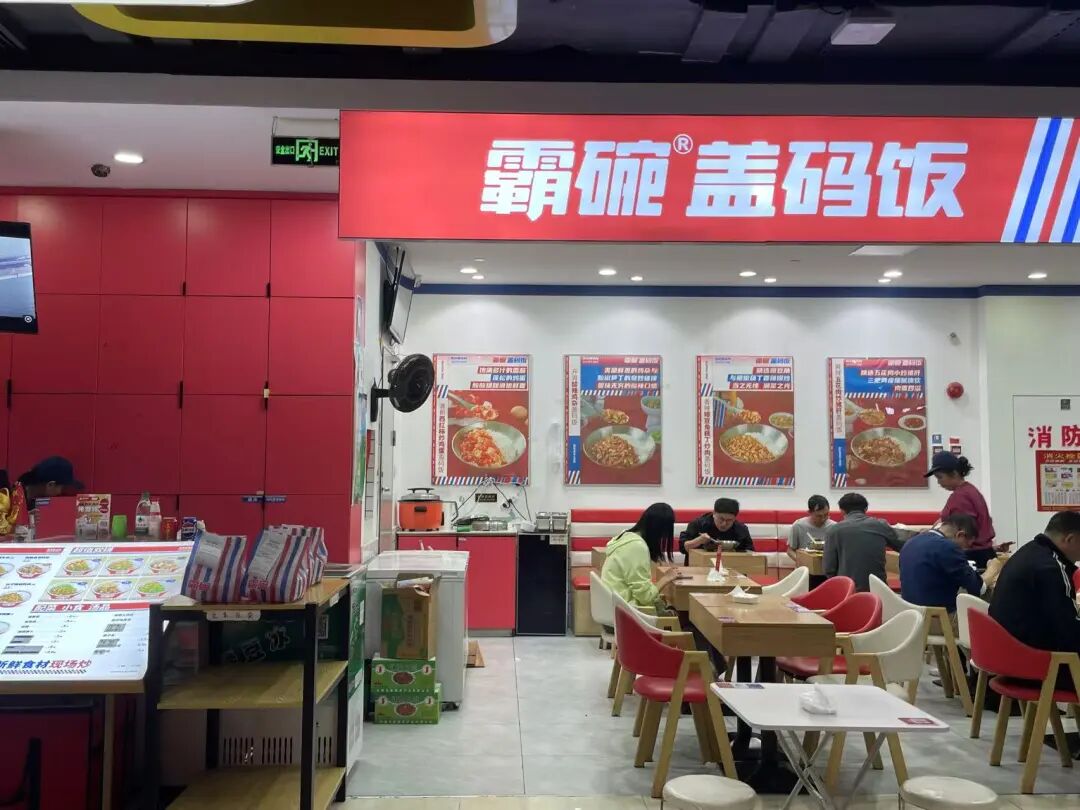
快餐

Search documents
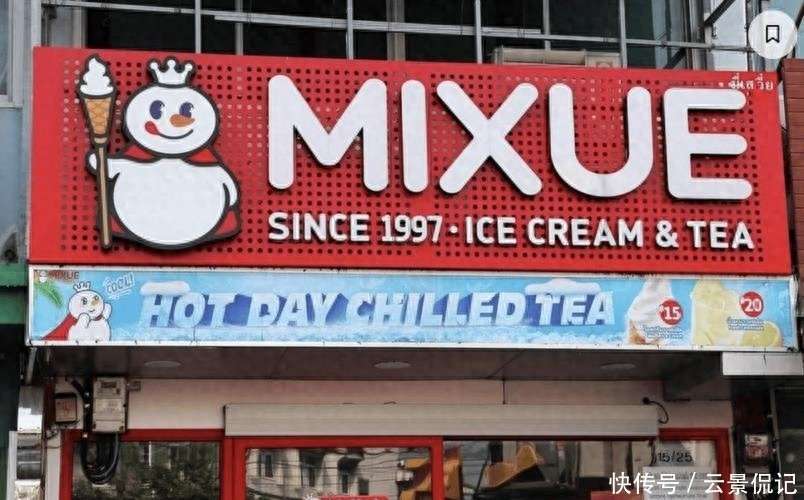
便宜到不像美国!蜜雪冰城价格暴击北美市场,星巴克慌了?
Sou Hu Cai Jing· 2026-01-02 11:52
Core Insights - The opening of the first store of Mixue Ice City in Hollywood, Los Angeles, marks a significant step in its global expansion strategy, responding to previous market entries by competitors like Luckin Coffee [3][5]. Group 1: Market Entry and Strategy - Mixue Ice City’s overseas expansion is a well-planned strategic move rather than a spontaneous decision, leveraging insights gained from intense domestic competition [5]. - The company has successfully replicated its business model in the U.S. market, utilizing competitive pricing and a robust supply chain to create a significant market impact [5][19]. - The pricing strategy in Los Angeles includes a combo package priced at $3.99, which is significantly lower than local competitors, thus reshaping consumer value perception [7][9]. Group 2: Consumer Preferences and Product Offering - Mixue Ice City has tailored its product offerings to meet local consumer preferences, introducing sugar levels of 120%, 150%, and even 200% to cater to American tastes for sweetness [12]. - The brand has transformed its image from a typical tea drink provider to a trendy lifestyle brand, attracting customers with unique product offerings and engaging marketing strategies [14]. Group 3: Supply Chain and Operational Efficiency - The company’s ability to offer low-priced products is supported by a strong global supply chain, which includes a significant agreement with Brazil for sourcing coffee beans worth no less than 4 billion RMB [21][22]. - This strategic supply chain development allows Mixue Ice City to maintain competitive pricing while ensuring product quality, positioning it favorably against competitors [19][24]. Group 4: Broader Implications for Chinese Brands - The success of Mixue Ice City signifies a structural shift in the global market position of Chinese brands, showcasing their ability to compete effectively against established international players [25][31]. - The evolution of Chinese brands in highly competitive domestic markets has led to faster product iterations and more refined marketing strategies, enabling them to outperform less organized overseas markets [31][32].


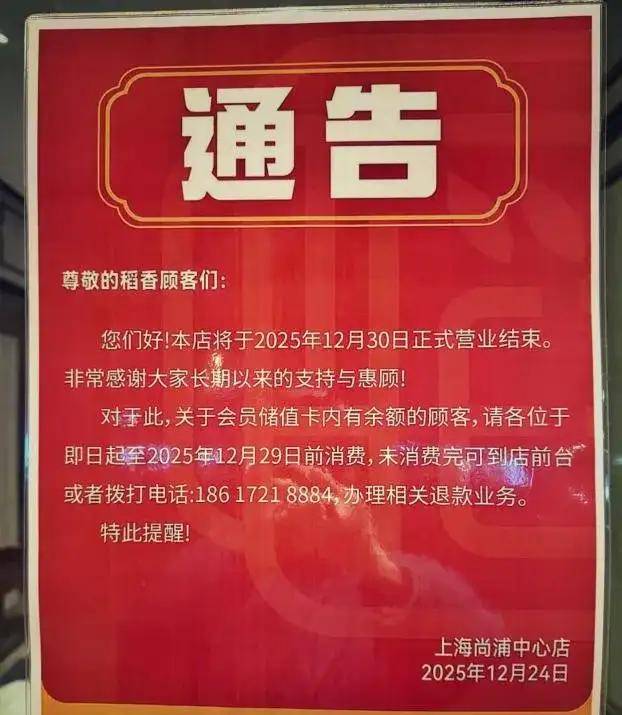
最后一壶港式早茶凉了:稻香退出上海,一线城市场景“清零”
Sou Hu Cai Jing· 2026-01-02 09:49
Core Insights - The departure of the last "Dai Xiang" sign in Shanghai marks the end of an era for Hong Kong-style tea houses in first-tier cities, indicating a significant shift in the dining landscape and consumer preferences [1][32] Group 1: Closure of Dai Xiang - Dai Xiang's closure is part of a prolonged survival crisis, with 11 stores shutting down in just one year across cities like Guangzhou, Huizhou, and Shanghai [3][4] - The closure of key locations in Shanghai, including Jing'an and Tie Shi Men, highlights the brand's retreat from the market [4] Group 2: Collective Retreat of Hong Kong Brands - The exit of Dai Xiang reflects a broader trend of Hong Kong dining brands facing challenges, with major players like "Da Jia Le" and "Tsui Wah" also closing multiple locations in mainland China [6] - "Da Jia Le" has shut down all 11 of its stores in East China, while "Tsui Wah" has closed four stores without opening new ones, indicating a significant contraction in their market presence [6] Group 3: Emergence of Local Brands - As traditional Hong Kong dining establishments withdraw, local brands are rapidly filling the void, with "Xing Hua Lou" expanding its national presence and "Xiao Bing Sheng" gaining popularity through innovative dining experiences [7] - New tea brands like "Luckin" and "Kudi" are also entering the market, offering high-value beverages that attract younger consumers [7] Group 4: Challenges Faced by Traditional Brands - Traditional Hong Kong tea houses are struggling with product quality, relying heavily on pre-made items that have received negative feedback from consumers [9] - Rising operational costs, particularly in rent and labor, are further straining these businesses, with many unable to sustain their operations in high-rent areas like Shanghai [13] - A lack of marketing innovation has led to an aging brand image, causing a disconnect with younger consumers who prefer dining experiences that emphasize social interaction and aesthetic appeal [14][15] Group 5: Underlying Industry Dynamics - Changing consumer demands are driving a shift away from traditional dining models, as younger generations prioritize authenticity, social experiences, and value for money [17][18] - The competitive landscape has evolved, with local brands innovating in product offerings and dining experiences, while traditional brands struggle to adapt [20] - The transition from outdated business models to new ecosystems is evident, with successful brands leveraging digital supply chains and experiential marketing to thrive [22] Group 6: Strategies for Brand Revival - Traditional brands can revitalize by maintaining core competencies while innovating their offerings, as seen with "Quanjude" and "Lian Xiang Lou" [25][27] - Cost control and efficient operations are crucial for improving profitability, with brands encouraged to optimize supply chain management and reduce reliance on pre-made dishes [27][29] - Targeted marketing strategies that resonate with specific consumer segments can help brands differentiate themselves and attract diverse customer bases [29]
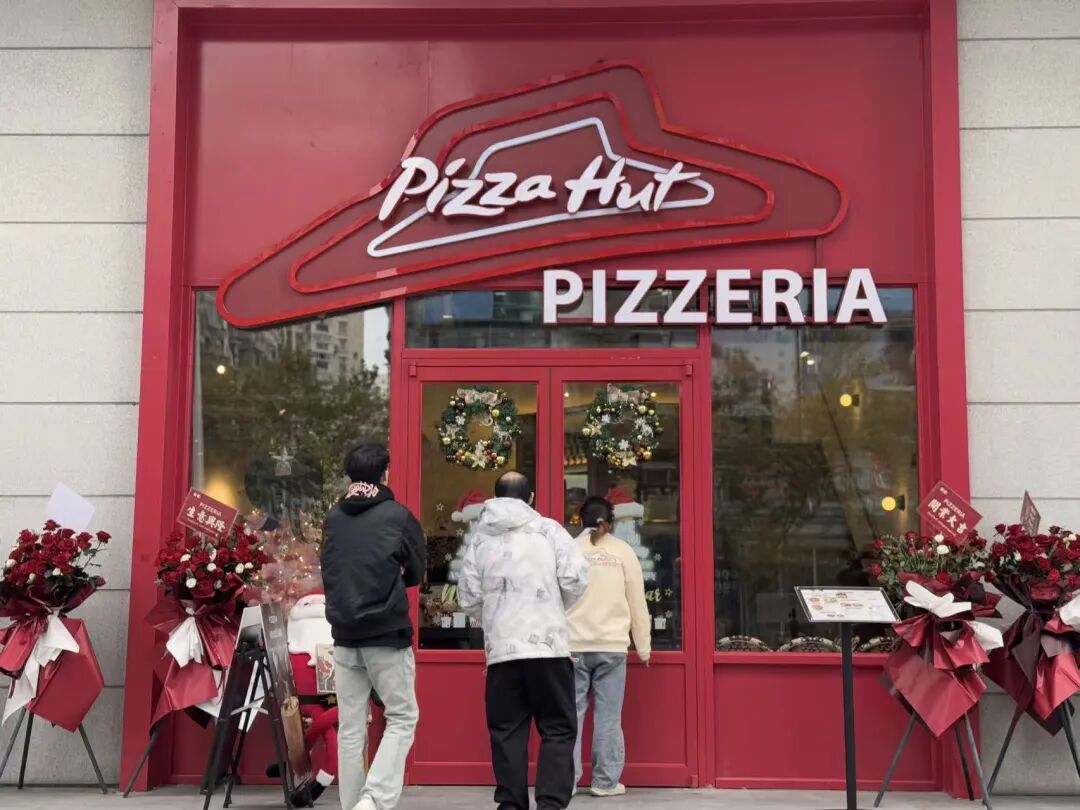
客单价40元,必胜客试水汉堡店
Guo Ji Jin Rong Bao· 2025-12-31 14:35
Core Insights - Pizza Hut is expanding its hamburger segment with the launch of "Pizza Hut Burger" in Shenzhen, marking a strategic move towards diversification in the fast-food market [1][3] Company Strategy - The introduction of "Pizza Hut Burger" aligns with the growing demand for single-serving meals, showcasing the brand's focus on innovation within the hamburger category [3] - The company plans to open over 600 new stores annually for the next three years, aiming to exceed 6,000 stores by 2028, with a goal to double operating profit by 2029 compared to 2024 [4] Market Position - The hamburger market is highly competitive, dominated by major players like McDonald's and KFC, while local brands such as Wallace and Tastin are also performing strongly [3] - The launch of "Pizza Hut Burger" indicates internal competition within Yum China, as both Pizza Hut and KFC operate under the same umbrella [3] Store Expansion - In the first nine months of 2025, Pizza Hut added 298 new stores, bringing the total to 4,022, with a significant increase in franchise stores expected to rise from 20%-30% to 40%-50% by 2028 [6] - The company is currently in a phase of "price for volume" adjustment, with a 4% year-on-year increase in system sales and a 1% increase in same-store sales for Q3 2025, despite a 13% decrease in average transaction value [6] Sales Performance - The reliance on delivery services is increasing, with a 27% year-on-year growth in delivery sales, accounting for 48% of total restaurant revenue, up from approximately 39% in 2024 [6]

百胜中国12月30日斥资626.8万港元回购1.69万股
Zhi Tong Cai Jing· 2025-12-31 11:26
百胜中国(09987)发布公告,于2025年12月30日,该公司斥资626.8万港元回购1.69万股。 ...
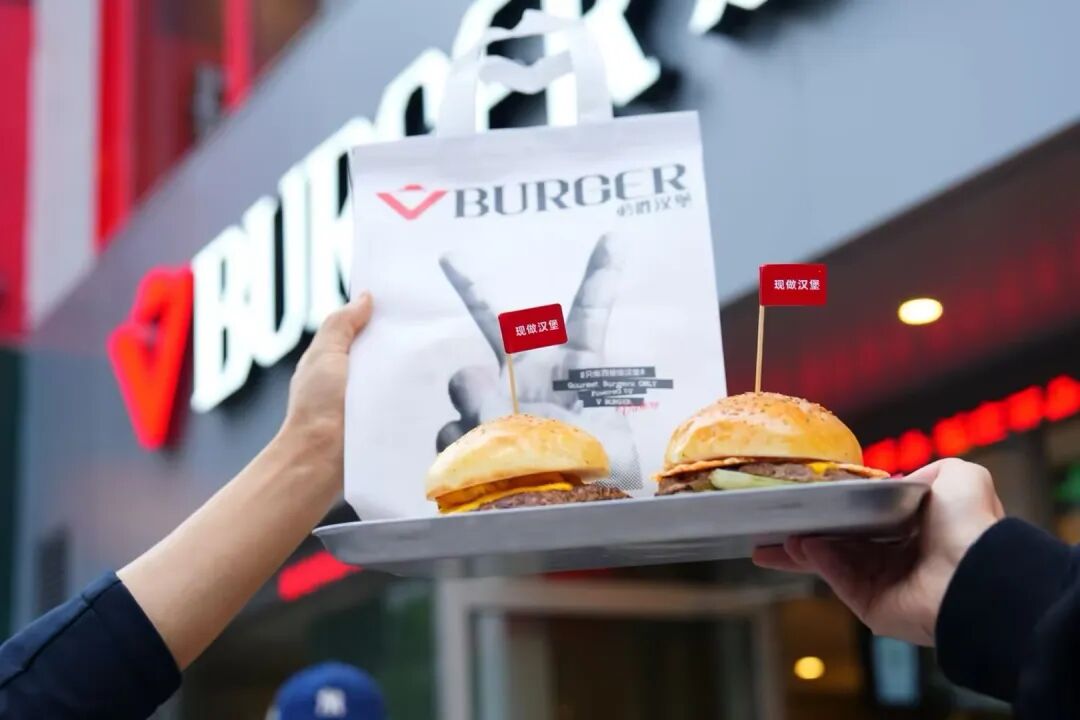
必胜客推出全新子品牌切入超2100亿市场,这回是专卖汉堡的新店开业,还主打“现点现做”和“一人食”
3 6 Ke· 2025-12-31 03:23
Core Insights - Yum China, which owns KFC and Pizza Hut, is expanding its brand portfolio with the launch of "Pizza Hut Burger," a new concept focusing on freshly made burgers priced around 40 yuan [1][5][7]. Brand Expansion - The new "Pizza Hut Burger" stores are located in Shenzhen, emphasizing a "made-to-order" approach with freshly baked pizza bread and large beef patties [3][5]. - The menu includes various burger options, with prices ranging from 23 to 35 yuan, and also offers sides like fried chicken and fries [3][5]. - This initiative follows Yum China's previous brand extensions, including KCOFFEE and KPRO, indicating a strategy to diversify its offerings [1][14]. Market Trends - The "one-person meal" market in China is rapidly growing, projected to reach 800 billion yuan by 2024, with burgers being a popular choice among consumers [7]. - The Western fast food market in China is expected to reach 297.5 billion yuan in 2024, with burgers holding the largest market share at 71% [9][11]. Competitive Landscape - The burger segment is highly competitive, with major players like KFC and McDonald's dominating the market, supported by strong supply chains and brand recognition [9][11]. - New entrants and local brands are also emerging, focusing on cost-effectiveness and unique offerings to capture market share [11][13]. Strategic Positioning - Yum China's strategy involves leveraging its existing supply chain and brand recognition to quickly establish "Pizza Hut Burger" in the market [13][16]. - The company aims to cover a broader range of consumer needs through a multi-brand approach, enhancing its market penetration and adaptability to consumer trends [16][18].
必胜客中国计划未来三年每年净新增门店超600家
Bei Ke Cai Jing· 2025-12-30 13:09
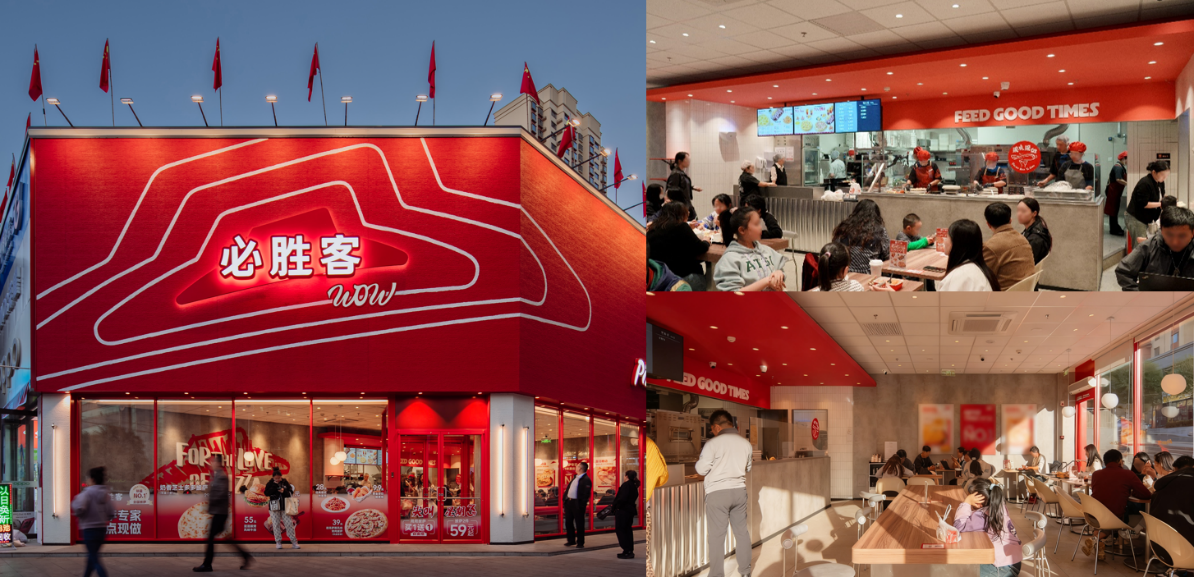
在产品和数字化方面,必胜客超级至尊比萨等经典产品与"尖叫星期三"促销活动稳固老客群,香菜猪耳比萨等话题性新品则助力品牌年轻化,覆盖不同年龄 段消费者需求。数字化与科技赋能成效显著,外送及外带销售占比超半数,数字化订单占比达75%,2亿会员构建私域"护城河"。AI智能店长"Q睿"试点落 地,结合自动化设备使库存管理误差率降低30%,人力成本优化15%。 快速发展的必胜客WOW门店已达250家。受访者供图 编辑 王琳 校对 翟永军 新京报讯(记者王萍)2025年,深耕中国市场35年的必胜客交出亮眼成绩单:截至三季度末,门店总数突破4000家,从3000家到4000家仅用时两年多,较前 33年的拓店速度实现跨越式提升。12月30日,新京报记者从必胜客中国方面了解到,品牌计划未来三年每年净新增超600家门店,目标2028年突破6000家, 2029年利润较2024年翻一番,实现"五年再造一个必胜客"。 这个曾以"庆祝餐厅"为标签的西餐品牌,正通过门店扩张、价值回归、产品创新与科技赋能,完成向消费者"每日之选"的转型。必胜客中国品牌总经理蒯俊 透露,品牌计划未来三年每年净新增超600家门店,目标2028年突破6000家 ...
麦当劳粉丝大会,年轻人有自己的抽象大舞台
后浪研究所· 2025-12-30 09:26
Core Viewpoint - The article highlights how McDonald's has evolved into a cultural symbol for Generation Z, serving as a platform for personal expression and community identity among young consumers [5][21][38]. Group 1: Cultural Significance - McDonald's has become an abstract cultural phenomenon for young people, with preferences for menu items serving as identity markers [5][21]. - The brand has fostered a unique fan culture, where fans actively engage in discussions and creative expressions related to McDonald's [20][39]. - The annual "McDonald's Fan Festival" showcases the deep emotional connections fans have with the brand, featuring creative costumes and fan-made merchandise [7][17][34]. Group 2: Community and Connection - McDonald's serves as a bridge connecting individuals through shared experiences and memories, often marking significant life events for fans [25][30]. - The brand emphasizes the importance of community by recognizing and rewarding fan contributions, such as creative interpretations of McDonald's culture [34][39]. - The festival also highlights the brand's commitment to its agricultural roots, showcasing the farmers who supply ingredients [30][32]. Group 3: Product Innovations - McDonald's is responsive to fan feedback, with plans to reintroduce popular items and customize menu options based on consumer preferences [34][36]. - New product offerings include the "Texas-style Triple Meat Burger" and the "Maple Flavored Thick Pancake Burger," reflecting the brand's adaptability to market trends [36][38]. - The introduction of the "Pickle Sharing Plan" allows customers to customize their orders further, demonstrating McDonald's focus on personalization [34].


拼好饭,一场定制餐品的新试验
2 1 Shi Ji Jing Ji Bao Dao· 2025-12-30 09:25
Core Insights - "拼好饭" has become a trending term among young people in 2025, reflecting a shift in consumer behavior towards value-for-money dining options amid intensified competition in the restaurant industry [1] - The service offers standardized meal packages at significantly reduced prices, ranging from 50% to 70% lower than regular orders, targeting the affordable takeaway market priced between 10-15 yuan [1][4] - The collaboration with well-known brands like KFC and Burger King has contributed to the positive reputation of "拼好饭," indicating a shift from initial consumer skepticism to acceptance [2][5] Business Model - "拼好饭" employs a C2M (Consumer to Manufacturer) model, optimizing the supply chain to enhance efficiency and predictability in demand, production, and costs [4] - The platform's approach allows for concentrated order fulfillment, enabling restaurants to focus on popular items and streamline production processes, thus improving overall efficiency [4] - The model's success is evident as it attracts more brands, ensuring that businesses remain profitable while offering lower prices to consumers [3][4] Market Trends - The demand for high-value meals is reshaping the restaurant industry, with brands increasingly focusing on structural cost advantages rather than engaging in price wars [6] - The "万家品牌" initiative has led to significant sales growth for participating brands, with some achieving over 200,000 orders in six months [6] - The rise of "拼好饭" has prompted other platforms, like Taobao, to adopt similar models, indicating a broader industry trend towards innovative dining solutions [5] Consumer Engagement - "拼好饭" has become a key channel for launching new products, with brands leveraging the platform to reach consumers effectively [7] - The initiative has also prioritized food safety by promoting transparency in food preparation through real-time updates and encouraging restaurants to adopt open kitchen practices [6]
宁夏青海终于有了麦当劳
3 6 Ke· 2025-12-30 01:58
Core Viewpoint - McDonald's has entered the markets of Ningxia and Qinghai, completing its presence in all provincial-level administrative regions in China after 35 years in the mainland market [1] Group 1: Market Entry - McDonald's opened three stores in Yinchuan, Ningxia, and its first drive-thru restaurant in Xining, Qinghai, attracting significant local interest and long queues on opening day [1] - The absence of McDonald's in Ningxia and Qinghai was primarily due to the lack of brand franchise rights in these regions, which has now been addressed [1][2] Group 2: Franchise and Local Government Support - The entry into Ningxia was facilitated by local government departments, which engaged with McDonald's to promote the establishment of its first store [3] - The franchise model was adopted for Ningxia, with Inner Mongolia's local franchisee managing the market [3] Group 3: Expansion Goals - McDonald's aims to reach 10,000 stores in China by 2028, with current store numbers exceeding 5,400 [4] - The company plans to open 925 and 917 new stores in 2023 and 2024, respectively, with over 7,500 stores expected by November 2025 [4] - Approximately 50% of McDonald's restaurants are now located in third to fifth-tier cities, indicating a strategic shift towards deeper market penetration [4] Group 4: Competitive Landscape - In comparison, KFC, which entered the Chinese market in 1987, has already surpassed 10,000 stores by 2023, highlighting McDonald's slower expansion pace [5] - The rapid growth of local competitors like Tasting, which has over 11,124 stores, further emphasizes the competitive pressure McDonald's faces in achieving its expansion targets [5]
南城香们疯狂加码,中小餐饮老板却在发愁:炒菜机真能救命?
3 6 Ke· 2025-12-29 13:40
Core Insights - The article discusses the transformative impact of AI and smart cooking robots in the restaurant industry, highlighting both opportunities and challenges faced by restaurant owners in adopting this technology [1][2]. Group 1: Industry Trends - The integration of technology, particularly AI, is reshaping the efficiency boundaries in the restaurant sector, with a focus on the emergence of cooking robots [1]. - The market for cooking robots is projected to grow significantly, with a forecasted penetration rate of 50% in the group meal and fast food sectors by 2028 [4]. - Notable fast-food chains like Ba Wan and Lao Xiang Ji are already utilizing cooking robots, showcasing a trend towards automation in food preparation [6]. Group 2: Economic Implications - For large chain restaurants, the use of cooking robots can lead to a reduction in labor costs by up to 70%, allowing for a more efficient operation with fewer staff [11]. - The introduction of cooking robots has reportedly shortened the profitability cycle for new stores, enabling them to achieve profitability faster [12]. - However, small restaurant owners face high initial costs for cooking robots, which can range from 14,000 to 25,800, making it challenging to achieve a return on investment [14]. Group 3: Operational Challenges - Many restaurant owners express concerns about the high costs and long payback periods associated with cooking robots, which can lead to financial strain [14]. - The successful implementation of cooking robots requires significant kitchen modifications, with renovation costs estimated between 200,000 to 300,000 [15]. - Resistance from existing kitchen staff, particularly older chefs, poses a challenge to the adoption of cooking robots, as they may be reluctant to change their traditional cooking methods [17][18]. Group 4: Future Outlook - The article suggests that the future of smart kitchens lies in the effective integration of cooking robots, which can enhance food quality and operational efficiency when used correctly [19]. - A pilot project is underway in which a restaurant is designed around the use of cooking robots, aiming to demonstrate the potential benefits and operational model for other establishments [20].