
休闲餐饮

Search documents
“披萨之王”必胜客在英国破产,却在中国开出4022家门店
Sou Hu Cai Jing· 2025-11-12 05:06
Core Insights - The article highlights the stark contrast in the performance of Pizza Hut in the UK and China, with the UK facing bankruptcy and closures while China experiences growth and innovation [1][3][14]. Group 1: UK Operations - Pizza Hut in the UK has entered bankruptcy management, resulting in the closure of 68 dine-in restaurants and 11 delivery points, putting over 1,200 jobs at risk [6][9]. - The UK franchisee, DC London Pie, faced financial difficulties, leading to a previous bankruptcy earlier in the year with debts of approximately £40 million [7][11]. - Despite intervention from Directional Capital, which took over 139 locations, the number of stores continued to decline, culminating in a formal liquidation request from HMRC [9][11]. - The fragmented franchise model in the UK has led to a lack of unified leadership and strategic support, contributing to the brand's struggles [11][13]. Group 2: China Operations - In contrast, Pizza Hut in China reported a revenue of $635 million for Q3 2025, a 3% increase from the previous year, with operating profit rising by 7% to $57 million [14][15]. - The total number of Pizza Hut locations in China reached 4,022, reflecting a 12% increase from the previous year [15]. - The brand has successfully localized its menu with innovative offerings such as Peking Duck Pizza and Spicy Lobster Pizza, enhancing its appeal to Chinese consumers [17][20]. - Pizza Hut China has repositioned itself as a modern casual dining restaurant, integrating into the social fabric of young Chinese consumers through themed collaborations and experiential marketing [20][22]. Group 3: Market Dynamics - The article discusses the broader challenges facing the UK casual dining sector, including rising costs and changing consumer behavior, which have made it difficult for established brands to thrive [13][22]. - The success of Pizza Hut in China is attributed to its deep localization strategy and responsiveness to local consumer preferences, contrasting sharply with its struggles in the UK [22][23].


卖了半个世纪“披萨”破产了
首席商业评论· 2025-11-11 03:52
Core Viewpoint - The article discusses the severe operational crisis faced by Pizza Hut's UK business, highlighting its recent bankruptcy proceedings and the challenges posed by market competition and changing consumer habits [4][6][10]. Group 1: Bankruptcy and Operational Challenges - Pizza Hut UK has entered bankruptcy management for the second time within a year, with the latest incident resulting in the closure of 68 dine-in restaurants and 11 delivery points, leading to the loss of 1,210 jobs [4][8]. - The brand's decline began around 2012, with significant competition from rivals like Domino's and Papa John's, which have capitalized on the growing preference for delivery services [13][16]. - The UK operations of Pizza Hut have seen a drastic reduction in store numbers, dropping from a peak of nearly 700 locations to just 132 after recent closures [10][12]. Group 2: Corporate Interventions and Future Outlook - Following the bankruptcy announcement, Yum Brands, the global parent company of Pizza Hut, intervened to rescue the remaining 64 restaurants, ensuring job security for 1,277 employees [11][6]. - Despite the intervention, analysts express skepticism about the long-term viability of Pizza Hut in the UK, citing deep-rooted structural issues and the inadequacy of temporary rescue agreements to address core problems [11][21]. - The overall UK restaurant industry is facing a crisis, with a 31.2% increase in businesses in financial distress, particularly affecting bars and restaurants [18][20]. Group 3: Broader Industry Context - The UK leisure and dining sector is experiencing significant challenges due to a combination of factors, including the pandemic, inflation, rising energy costs, and tax pressures, which have severely impacted profitability [20][21]. - The energy crisis has led to a 300% increase in energy bills for some establishments, further straining their financial health [20]. - The recent changes in national insurance contributions have disproportionately affected entry-level positions in the hospitality sector, exacerbating the industry's struggles [20][21].

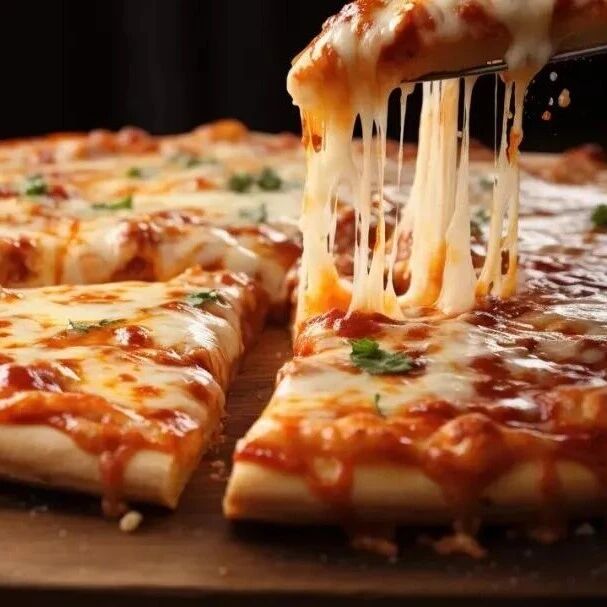
「留英」半个世纪的「披萨」破产了
36氪· 2025-11-10 10:23
Group 1: Core Issues of Pizza Hut UK - Pizza Hut UK is facing severe operational crises, with its franchisee DC London Pie entering bankruptcy management, resulting in the permanent closure of 68 dine-in restaurants and 11 delivery points, leading to the loss of 1,210 jobs [4][10] - This marks the second time within a year that Pizza Hut UK has entered bankruptcy management, with previous debts reaching approximately £40 million [9] - The global parent company, Yum Brands, intervened quickly to rescue the remaining 64 restaurants, ensuring job security for 1,277 employees [10] Group 2: Historical Context and Market Challenges - Pizza Hut's UK operations began in 1973, peaking with over 700 locations and employing 14,000 people by 1999, but has since struggled due to increased competition and changing consumer habits [5][12] - The brand's decline became evident around 2012, with significant losses attributed to competition from rivals like Domino's, which capitalized on the growing preference for delivery services [13] - The COVID-19 pandemic further exacerbated the situation, forcing the closure of 29 locations and severely impacting dine-in business [14] Group 3: Broader Industry Trends - The UK casual dining sector is experiencing a crisis, with a 13.1% year-on-year increase in businesses facing financial distress, and a staggering 31.2% increase in bars and restaurants in critical financial situations [17] - In the first half of the year, 209 pubs permanently closed, averaging 8 closures per week, highlighting the broader challenges faced by the industry [17] - Factors such as inflation, rising energy costs, and tax pressures are contributing to the struggles of the restaurant sector, with energy bills for some establishments increasing by up to 300% [18]
从安徽到金陵:看栖巢如何以“休闲餐饮+”赢得南京市场
Yang Zi Wan Bao Wang· 2025-09-17 08:32
Core Insights - The domestic leisure dining brand "Qichao" has officially entered Nanjing, marking a significant step in its national expansion strategy [1] - Qichao aims to provide a high-quality composite experience space that integrates dining, leisure, and social interaction for Nanjing residents [1] Group 1: Business Model and Strategy - Qichao's core proposition is "Business Leisure - Just Go to Qichao," breaking traditional dining boundaries by creating a composite business model that includes Western and Chinese cuisine, coffee, tea, and light office space [2] - The brand has evolved through three stages: 1.0 "Takeout Café," 2.0 "Café + Game Room," and 3.0 "New Dining + New Retail," expanding into cities like Wuhan and Nanchang [1] Group 2: Operational Support and Expansion - Qichao has established a standardized management system supported by four centers: New Store Development, Store Operations, Supply Chain Operations, and Comprehensive Service [3] - The supply chain center ensures product quality and safety through centralized procurement and standardized distribution, allowing for rapid expansion while adapting to local preferences [3] Group 3: Brand Recognition and Achievements - Qichao has received multiple industry awards since its establishment in 2006, including "Famous Trademark of Hefei" and "Top Ten Brands in Anhui Chain Dining" [4][5] - The brand's commitment to quality and service has led to a strong market reputation and recognition within the industry [4] Group 4: Market Penetration in Nanjing - Qichao plans to open a total of 15 stores in Nanjing by the end of the year, with 6 already established and 4 more in preparation [6] - The brand will introduce "member-exclusive benefits" and "lunch set meals" to cater to the needs of office workers in Nanjing [6] Group 5: Data-Driven Marketing and Future Outlook - Qichao leverages a membership system with millions of members to analyze consumer preferences, guiding product innovation and targeted marketing [7] - The brand aims to establish itself as a preferred "third space" for Nanjing residents and business people, contributing to the local dining culture and social life [8]
卤味没有以前好卖了,周黑鸭开卖椰子水
第一财经· 2025-09-13 14:31
Core Viewpoint - The "three giants" of the marinated food industry are facing revenue declines in the first half of 2025, prompting them to explore new business avenues to break through their current challenges [3]. Cost Reduction to Maintain Profit - The marinated food market showed signs of weakness in the first half of the year, with companies like Juewei Food experiencing a 15.57% decline in revenue to 2.82 billion yuan and a 40.71% drop in net profit to 175 million yuan due to decreased internal sales [6]. - Huangshanghuang reported a 7.19% revenue decline to 984 million yuan but achieved a 26.9% increase in net profit to approximately 76.92 million yuan, attributed to cost-cutting measures and a reduction in store numbers [5][6]. - Zhou Hei Ya's revenue fell by 2.9% to 1.22 billion yuan, while net profit surged by 228% to 108 million yuan, thanks to improved store efficiency and the closure of underperforming outlets [6][7]. Seeking a Second Growth Curve - The three giants are actively seeking new growth avenues as reliance on core business becomes unsustainable. Zhou Hei Ya launched a coconut water brand and partnered with Sichuan Shentang Food to develop compound seasonings and convenience food products [9][10]. - Huangshanghuang is entering the freeze-dried food sector, planning to invest 495 million yuan to acquire a 51% stake in Fujian Lixing Food Co., which complements its existing product offerings [9][10]. - Juewei Food opened a new "Juewei Plus" store in Changsha, venturing into the casual dining space with products like fried marinated food, desserts, and fruit wine [10]. Market Insights - Analysts suggest that the growth of the marinated food sector relies on demographic advantages and increased store numbers, but the overall pricing is perceived as high, leading to challenges in consumer willingness and confidence [7][8]. - Experts caution that while exploring new business areas is a common strategy during performance pressures, companies must ensure alignment with brand positioning and conduct thorough market assessments to avoid diluting their core business [11].



休闲餐饮、创意融合菜等黑马频出,杭州要摘掉“美食荒漠”标签!
3 6 Ke· 2025-07-29 02:24
Core Insights - The successful IPO of a green tea restaurant marks it as the first stock of "Chinese fusion cuisine," highlighting the resurgence of local dining brands in Hangzhou [1] - Hangzhou is increasingly recognized for its culinary scene, with a growing number of Michelin-listed establishments and affordable, high-quality baked goods [1] Casual Dining - Pull-Tab, a coffee brand founded in 2022, has rapidly expanded to over 500 stores nationwide within a year and a half, with plans for international expansion starting in 2025 [2] - The brand's unique pull-tab bottle design and interactive coffee experience have contributed to its popularity, with significant sales in its first overseas store in New York [2] - The brand engages in cross-industry collaborations to enhance visibility and brand recognition [4] Traditional and Fusion Cuisine - New brands like "Chunhua Nainai" focus on traditional Jiangnan snacks, emphasizing handmade preparation and fresh ingredients [13] - "You Today Are Beautiful" is a new-style Chinese tavern that creates a casual atmosphere for young people, featuring affordable drinks and interactive dining experiences [15] - "沸点计划" (Boiling Point Plan) aims to establish a unique "natural hot pot" dining experience, with plans to expand to over 50 locations by 2025 [15] International Cuisine - "糯·NOW THAIA" offers a modern take on Southeast Asian cuisine, combining traditional flavors with contemporary design [16] - "七条鱼" (Seven Fish) has grown from a small takeout to a popular chain known for its high-quality Japanese cuisine, with over 20 locations [16] - "囍桔·料理·寿司" creatively merges Japanese and Western culinary styles, quickly establishing a presence with seven locations in less than six months [17]

Shake Shack首添海鲜蛋白质新品,以“质价比”破局行业内卷
Xiao Fei Ri Bao Wang· 2025-07-14 09:55
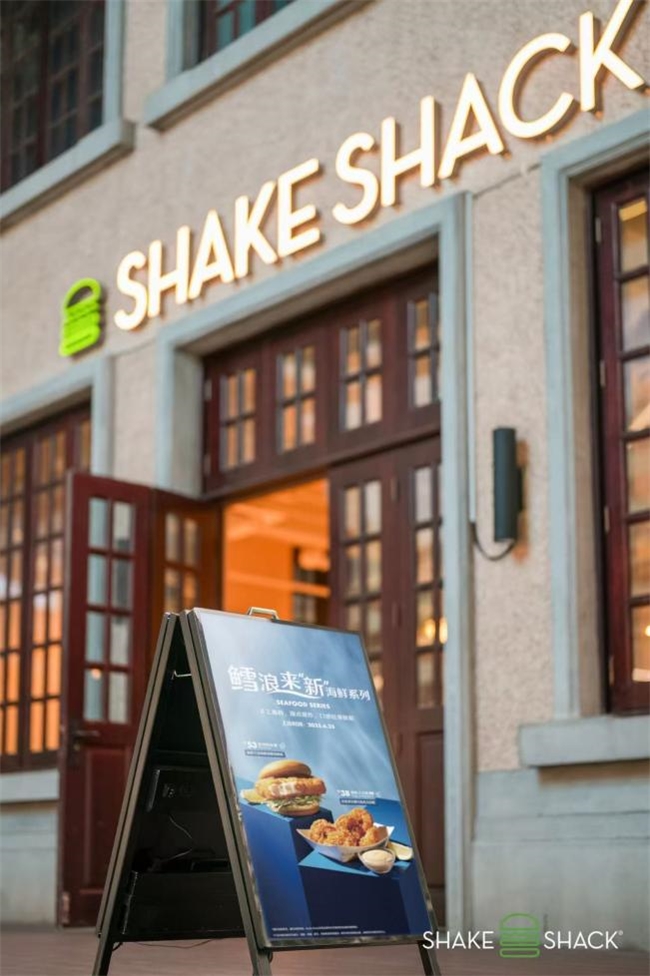
Core Insights - Shake Shack is launching its "Global Travel Plan" with a focus on seafood products in China, aiming to fill the existing gap in high-quality, freshly prepared seafood offerings in the casual dining market [1][4][10] - The introduction of the "Thick Cut Cod Fish Burger" and "Crispy Large White Shrimp" has shown strong initial sales performance, indicating a positive reception among young consumers in the Chinese market [4][10] - The company emphasizes a "quality-price ratio" strategy, appealing to consumers' increasing demand for healthy ingredients and unique flavors, despite the overall market trend of "consumption downgrade" [4][10] Company Strategy - Shake Shack's seafood offerings are built on three core strategies: ingredient traceability, innovative preparation methods, and enhanced consumer experience [6][10] - The seafood products are sourced from sustainable fisheries and feature a commitment to transparency in ingredient sourcing, which is a significant differentiator in the market [7][10] - The company employs a made-to-order cooking process, avoiding pre-prepared items, which enhances the freshness and quality of the food served [7][10] Market Context - The Chinese dining market is projected to exceed 5.6 trillion yuan in 2024, but growth rates are slowing to single digits, leading many brands to engage in price wars [4][10] - Shake Shack's strategy aims to capture the "high-value casual dining" segment, targeting young middle-class consumers who seek quality dining experiences within budget constraints [10][11] - The introduction of the seafood line is seen as a strategic move to position Shake Shack favorably amidst increasing competition from international brands entering the Chinese market [8][11] Industry Implications - The success of Shake Shack's new product line could inspire other international brands to enter the Chinese market, highlighting the potential for innovation in a challenging economic environment [11] - The focus on ingredient transparency and quality control may set new standards in the casual dining industry, pushing competitors to enhance their supply chain and product quality [10][11] - The ongoing battle between efficiency and craftsmanship in the industry will be tested through consumer feedback on Shake Shack's offerings, potentially reshaping the "quality-price ratio" equation in casual dining [11]
2025年美国休闲餐饮报告
YouGov· 2025-05-09 10:25
Investment Rating - The report does not explicitly provide an investment rating for the casual dining industry. Core Insights - The casual dining market in the U.S. remains highly competitive, with no single chain serving more than 20% of casual dining consumers in the past 90 days. Seven chains managed to serve at least 10% of consumers. Consumers prioritize cleanliness, quick service, and value options when choosing casual dining restaurants [9]. Summary by Sections 1. Industry Trends - The report highlights that 66% of Americans visit casual dining restaurants at least once a month. Among these, 51% spend over $100 monthly on dining out [20][24]. - The average monthly spending on casual dining varies, with 28% of consumers spending over $200 [25]. 2. Consumer Preferences - Key factors influencing consumer visits include cleanliness (65%), short wait times (55%), and value/discount menus (44%) [32]. - Different age groups prioritize various features, with cleanliness being the most important across all ages, especially for those aged 65 and above [35]. 3. Demographics - The report provides demographic insights, indicating that younger consumers (18-29) are less likely to spend over $50 per visit compared to previous years, dropping from 19% to 12% [28]. - The casual dining customer base is diverse, with significant representation across different age groups and income levels [19][22]. 4. Brand Rankings - Olive Garden is a leading brand among consumers aged 30 and above, while Chili's attracts a younger demographic (18-29) [57]. - The report ranks brands based on various attributes such as order accuracy, customization options, and service speed, with Olive Garden consistently performing well [67][69][72].