
加油站

Search documents
五年内或消失两万座,加油站多元化求生?
中国能源报· 2026-01-18 23:34
Core Viewpoint - The industry is undergoing a profound supply-side structural reform, leading to a more streamlined, efficient, and community-connected modern energy service network, rather than a decline [1][16]. Industry Restructuring and Location Differences - By the end of 2025, the number of gas stations in China is projected to decrease to approximately 110,000, a 7.5% drop from the peak in 2021, with a compound annual growth rate of -2.11% over the past five years [3][5]. - The reduction in gas stations is driven by stringent regulatory compliance and the rise of new energy sources, marking the end of an era focused on scale expansion [3][9]. - The gas station industry is dominated by two major players, China Petroleum and China National Petroleum, which control nearly 70% of fuel sales through strategic location placements [6]. Compliance Regulation and Electrification Trends - The reduction in gas stations is a result of dual pressures: tightening regulatory compliance and the energy consumption revolution, which is reshaping traditional business models [9][12]. - By 2025, over 15% of gas stations are expected to add charging facilities, reflecting the shift towards electric vehicles, which are projected to exceed a 50% market penetration rate [12][14]. Comprehensive Energy Services and Diversification - The ongoing reduction of gas stations is viewed as market optimization, with high-value stations entering the market while low-efficiency stations exit [14]. - The transformation of gas stations from mere fuel distributors to diversified energy and lifestyle service providers is underway, enhancing customer engagement and service offerings [14][15]. - Digital tools are increasingly utilized for precise marketing and inventory management, helping to bridge operational gaps between large groups and independent stations [15].


环球战略集团拟收购宜昌市巨人加油站有限公司不少于51%的股权
Zhi Tong Cai Jing· 2026-01-12 12:36
Core Viewpoint - The company, Global Strategic Group (08007), has entered into a non-binding memorandum of understanding with Jiangxi Qiatian Clean Energy Co., Ltd. to acquire at least 51% of the equity in Yichang Giant Gas Station Co., Ltd., which operates a gas station in a prime location in Yichang, Hubei Province [1] Group 1 - The target company operates a gas station located in the central area of Yichang, adjacent to major roads and transportation hubs [1] - The board believes that the potential acquisition could provide an opportunity for the company to expand its business into gas station operations, complementing its existing energy-related business [1] - The acquisition may contribute positively to the long-term business development of the company [1]
违法获利2000多万元,罚款才1300元!这种处罚能震慑谁?
Mei Ri Shang Bao· 2026-01-09 10:48
Core Viewpoint - The article highlights the rampant issue of fuel station fraud in Ordos City, where illegal practices such as "oil cheating and tax evasion" harm both consumers and national interests [1][3]. Group 1: Case Studies of Fraud - On August 19, 2025, the Ordos Market Supervision Administration imposed administrative penalties on the Hongli gas station, confiscating six defective fuel dispensers and 14 fuel nozzles, along with illegal gains of 20,679,001 yuan and a fine of 1,300 yuan [1]. - The same authority penalized three other gas stations under the same legal entity, confiscating a total of 16 fuel dispensers and 44 nozzles, with illegal gains ranging from over 2 million yuan to 460,000 yuan [1]. - The fines imposed, particularly the uniform amount of 1,300 yuan, raise concerns about their effectiveness in deterring such fraudulent activities [1]. Group 2: Regulatory Framework and Penalties - The local market supervision department justified the fines based on the Measurement Law, which allows for fines of up to 2,000 yuan for using unqualified measuring instruments or falsifying data [3]. - Other laws, such as the Consumer Rights Protection Law and the Administrative Penalty Law, could also apply in cases where consumer rights are violated, as demonstrated by a case in Nanjing where a seller was fined 32,000 yuan for overcharging based on incorrect weight [3]. - Tax evasion by gas stations is subject to severe penalties under the Tax Collection Administration Law, which can include fines of up to five times the unpaid tax amount and potential criminal charges for significant evasion [5]. Group 3: Public Sentiment and Recommendations - The public is increasingly frustrated with fuel station fraud, and the minimal fines, such as 1,300 yuan, are seen as insufficient to deter offenders [5]. - There is a call for stricter enforcement and harsher penalties to prevent fraud and protect consumer rights and national revenue [5].
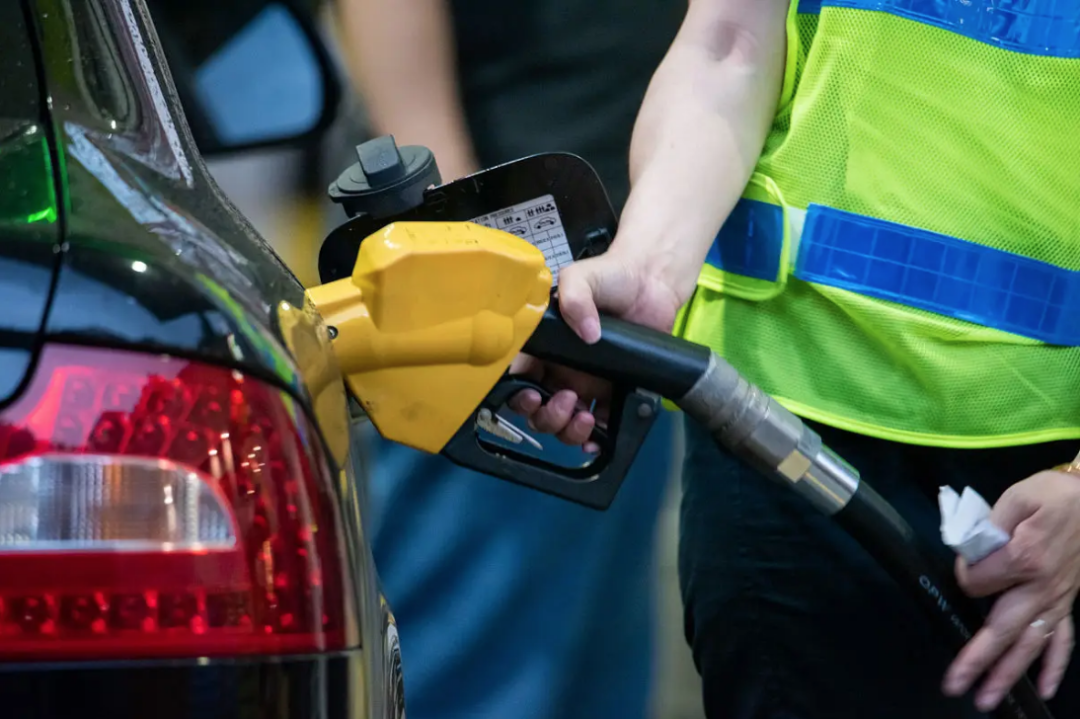
加油站,突然“跑路”
Sou Hu Cai Jing· 2026-01-08 08:21
Core Insights - The closure of the Xin Qi gas station in Shandong Jining on December 31, 2025, raised suspicions of it "running away," leaving consumers with unspent balances in their fuel cards, highlighting the increasing operational pressures faced by gas stations due to the rising penetration of electric vehicles [1][10]. Company Summary - Xin Qi gas station, opened in 2019, gained local trust through continuous promotional activities and was associated with the local Xin Qi Group, although the group denied any investment or ownership in the gas station [3][5]. - The gas station frequently offered promotions, such as locking in fuel prices for prepaid amounts, but shifted to cashback incentives in 2022, which escalated in 2025 with offers like "charge 3000 get 3000" [8][9]. Industry Summary - The trend of gas stations suddenly closing and causing disputes over prepaid fuel cards is not isolated, with similar cases reported in other regions, indicating a broader issue within the industry [12]. - As of the end of 2024, there were approximately 121,000 gas stations in China, with private stations accounting for over half, yet they only contributed to 25% of the total fuel consumption, indicating significant competitive pressure [12][13]. - The ongoing transition to electric vehicles is expected to exacerbate the challenges faced by gas stations, with predictions that up to 20,000 stations may be eliminated by 2030 due to declining fuel consumption [13].
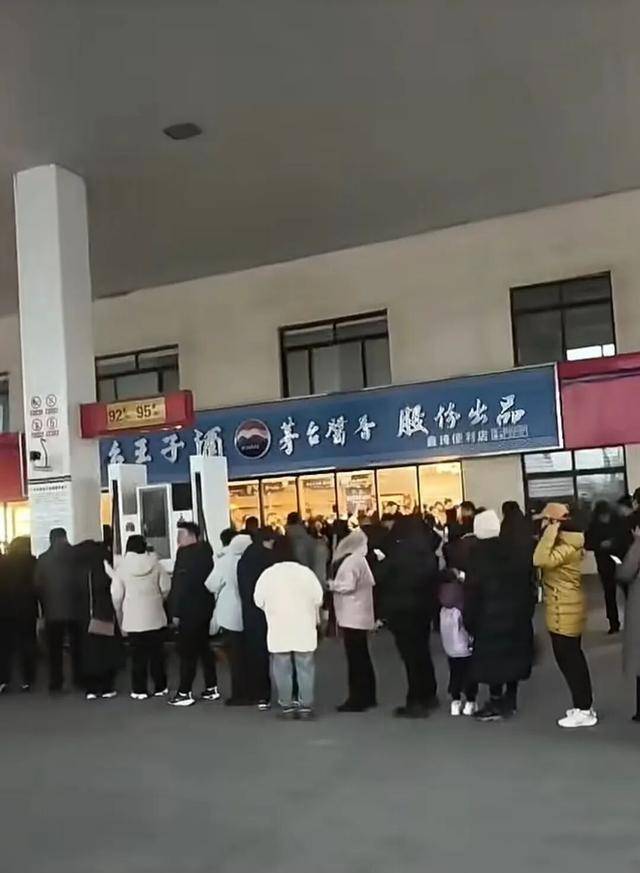
监管亮证的瞬间系统就恢复正常了
Xin Lang Cai Jing· 2026-01-08 00:25
Core Viewpoint - The recent surge in fuel station cheating has raised public concern, prompting investigations into how these illegal activities harm consumers and national interests, as well as the need for effective regulatory measures to ensure fair trading practices [1] Group 1: Cheating Methods and Cases - In Ordos City, Inner Mongolia, four fuel stations were severely punished for measurement fraud, with one station fined 1,300 yuan and having illegal gains of approximately 20.68 million yuan confiscated [2] - The fraudulent activities involved the use of a management system that allowed real-time data manipulation during fuel dispensing, leading to overcharging customers and tax evasion [2][3] - The cheating methods have evolved, with software enabling remote control of fuel dispensers, making it difficult for regulatory authorities to detect fraud without specialized equipment [4][5] Group 2: Regulatory Challenges and Responses - The market supervision department faces challenges in prosecuting these cases, as many are classified as administrative violations rather than criminal offenses, complicating enforcement [2][3] - A specialized technical team has been established to develop anti-cheating systems, successfully identifying 21 types of cheating software and 129 types of fraudulent computer motherboards used in fuel stations [6][7] - The introduction of an intelligent management platform aims to enhance real-time monitoring and evidence collection, significantly improving regulatory effectiveness [7] Group 3: Industry Dynamics and Future Outlook - The presence of "backpackers," who install cheating software, indicates a deeper issue involving collusion between fuel station operators and equipment manufacturers [8][9] - Continuous upgrades in both regulatory methods and cheating techniques suggest an ongoing battle between authorities and fraudsters, highlighting the need for persistent innovation in monitoring technologies [9][10] - Experts emphasize the importance of addressing maintenance loopholes and ensuring that repair personnel are properly vetted to prevent future cheating incidents [9][10]
多计数少给油少缴税:加油站作弊“黑幕”大起底
Xin Hua Wang· 2026-01-07 00:38
Core Viewpoint - The recent rise in fuel station cheating has garnered widespread attention, highlighting the methods used to "cheat fuel and evade taxes," the impact on consumers and national interests, and the need for effective regulatory measures to ensure fair trading practices [1]. Group 1: Cheating Methods and Consequences - In Ordos City, Inner Mongolia, four fuel stations were severely punished for measurement cheating, with penalties including the confiscation of 16 fuel dispensers and over 20 million yuan in illegal gains [3]. - The cheating involved the installation of a management system that allowed real-time data manipulation during fuel dispensing, resulting in inflated fuel quantities and reduced tax payments [3]. - The macroeconomic impact of such cheating is significant, with estimates suggesting that a medium-sized fuel station could cause around 10 million yuan in economic losses annually due to tax evasion and consumer fraud [9]. Group 2: Regulatory Challenges - Regulatory bodies face difficulties in prosecuting these cases due to the low amounts involved in tax evasion and the challenges in gathering sufficient evidence against numerous transactions [4][5]. - The cheating methods have evolved, with software-based solutions becoming more common, making it harder for regulators to detect fraud without specialized equipment [7][8]. - A specialized technical team has been established to combat these issues, developing a database of cheating software and implementing a comprehensive management platform for fuel stations [10][11]. Group 3: Industry Response and Future Measures - The introduction of a new management platform has shown effectiveness in real-time monitoring and evidence collection, leading to a significant increase in tax revenue in regions where it has been implemented [14]. - Experts suggest that to fully eradicate cheating, there must be a focus on dismantling the networks behind these practices, including manufacturers and installers of cheating software [15]. - Continuous innovation in regulatory technology is necessary to stay ahead of evolving cheating methods, with ongoing development of advanced monitoring systems [15].
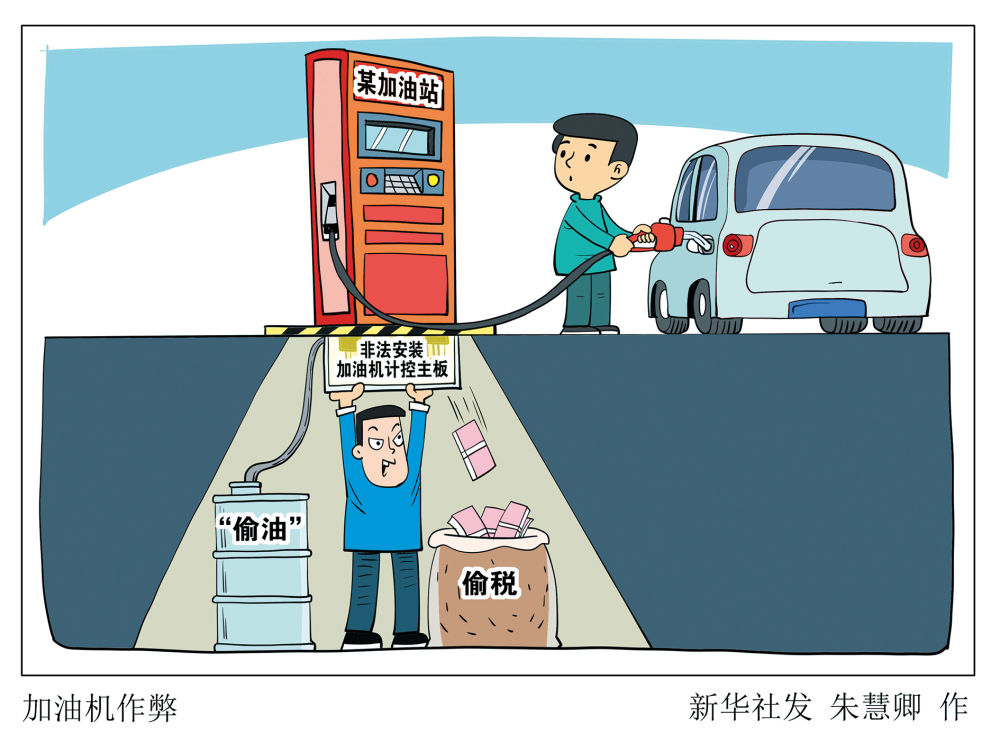
私挖水井免费洗车?严查+堵漏
Xin Lang Cai Jing· 2026-01-06 23:42
Core Viewpoint - The article highlights the illegal extraction of groundwater by gas stations in Honghu City, Hubei Province, and the subsequent legal actions taken to address this issue through public interest litigation and administrative oversight [2][3]. Group 1: Illegal Water Extraction - Some gas stations have been illegally extracting groundwater for profit, using private wells and deceptive advertising practices [2]. - The illegal extraction activities are often hidden, making them difficult to detect through conventional law enforcement methods [2]. Group 2: Legal and Administrative Actions - The Honghu City Procuratorate utilized a big data legal supervision model to identify two gas stations suspected of illegal groundwater extraction by analyzing various data points [2]. - Following the identification of illegal activities, the Procuratorate initiated public interest litigation and confirmed violations through on-site investigations and evidence collection [2]. Group 3: Regulatory Improvements - The Procuratorate issued recommendations to relevant administrative bodies responsible for groundwater regulation, urging them to enforce laws and establish long-term regulatory mechanisms to prevent similar issues [3]. - Administrative agencies responded by investigating the violations and issuing orders to cease illegal activities, along with administrative penalties [3]. Group 4: Future Initiatives - The Honghu City Procuratorate plans to enhance collaboration with administrative agencies to focus on water resource protection and promote legal compliance among businesses regarding water usage [3]. - The emphasis is on sustainable development and ecological safety, with a commitment to using legal measures to protect water resources in the Honghu area [3].

贵阳贵安又要发消费券啦!首轮时间就在→
Sou Hu Cai Jing· 2025-12-26 02:55
Group 1 - The core initiative is the "Work Benefits Gift Enjoy Consumption" activity, which will start on January 1, 2026, with a total investment of 7 million yuan to distribute 430,000 electronic consumption vouchers across five major holidays [1] - The vouchers will be issued in three tiers: "200 yuan off 30 yuan," "100 yuan off 20 yuan," and "50 yuan off 10 yuan," aiming to stimulate a total social consumption scale of approximately 40 million yuan [1] - Eligible participants are employees holding the Guizhou Bank Union Member Service Card, and vouchers can be claimed through various digital platforms [1] Group 2 - The initiative will involve nearly 200 approved merchants, including major brands like Walmart and Sinopec, that support payments via Cloud Flash Pay or Guizhou Bank APP [2] - The activity is part of a broader strategy to promote consumption, stabilize the economy, and improve living standards, aiming to boost market confidence and enhance the quality of life for workers [2]
加油站偷油偷税、检测公司出假报告……广西多家公司被列入严重违法失信名单
Xin Lang Cai Jing· 2025-12-20 14:59
Group 1 - A gas station in Baise was found using a cheating system to manipulate fuel measurement and tax data, leading to severe penalties and being listed as a serious violation [2] - A vehicle inspection company in Guangxi was discovered to have issued 254 false vehicle emission reports by tampering with the onboard diagnostic system, resulting in the cancellation of its inspection qualifications [3] - A gas company in Baise was penalized for using uninspected gas pressure pipelines, posing significant safety risks, and was also listed as a serious violation [4] Group 2 - A food company in Guilin was found to be using excessive food additives and obstructing regulatory investigations, leading to heavy fines and being listed as a serious violation [5] - A bun shop in Fangchenggang was found to have excessive sweetener levels in its products, refused to comply with administrative penalties, and was subsequently listed as a serious violation [6][7]
2025年美国零售与消费者物流满意度报告
Sou Hu Cai Jing· 2025-12-17 07:13
Core Insights - The overall customer satisfaction in the U.S. retail sector has slightly increased by 0.4% to an ACSI score of 78.3, driven by a focus on value and convenience [1][8] - Holiday sales for 2024 rose by 3.8% compared to 3.1% in 2023, with significant growth in online sales, particularly an 8.8% increase on Thanksgiving Day [1][8] - Consumer demands are centered around value for money and convenience, with a notable shift towards omnichannel shopping experiences [1][10] Retail Sector Performance - General merchandise retail satisfaction increased by 1% to 78, with Sam's Club leading the category at 85, up 5% due to technological advancements [2][19] - Specialty retailers maintained a steady score of 79, with notable performers like Pet Supplies Plus (up 2% to 84) and Ulta Beauty (up 4% to 83) benefiting from trends in pet ownership and wellness [2][34] - Online retail satisfaction decreased by 1% to 79, with Chewy maintaining the top score at 85, while Home Depot saw a 3% increase to 79 due to its partnership with Instacart [2][51] Supermarkets and Gas Stations - Supermarkets held steady at 79, with Trader Joe's and Publix leading at 84, while gas stations maintained a score of 75, benefiting from a 3.4% decrease in fuel prices [3][18] - Regional brands like Wegmans and H-E-B showed strong performance in their respective areas, indicating the importance of local market presence [2][3] Consumer Logistics - Consumer logistics satisfaction remained stable at 77, with Amazon Logistics leading at 81, while the U.S. Postal Service saw a significant drop to 71, down 4% [3][20] - Key trends indicate that technology and mobile app quality are critical for customer satisfaction, particularly among younger demographics [3][10] Key Trends and Challenges - The retail environment is characterized by a "steady overall, but mixed performance" across sectors, emphasizing the need for companies to enhance omnichannel efficiency and customer service [4][10] - The focus on mobile shopping capabilities is increasingly important, especially for the 18-25 age group, who have higher expectations for innovative features [10][48]
