
消费券

Search documents
南宁有奖发票第三批超3万张发票中奖
Xin Lang Cai Jing· 2026-02-27 20:31
Group 1 - The core activity "Lucky Nanning · Ticket Enjoyment" has seen a total of 31,984 winning invoices in its third draw, indicating strong public participation and engagement since its launch on February 19 [2][3] - The total number of uploaded invoices has exceeded 280,000, with a total face value surpassing 110 million yuan, and nearly 93,000 participants have won prizes [3][4] - The upcoming promotional activity "Lucky Nanning · Immediate Fortune" will run from March 3 to March 8, focusing on high-frequency consumer needs during the festive season [3][4] Group 2 - The promotional event will distribute various types of consumer vouchers, including discounts for supermarkets, department stores, fuel, and dining, with specific discount tiers outlined [4] - Consumers can access these vouchers through the Cloud Flash Payment App, enhancing the convenience of participation [4] - The initiative aims to stimulate consumer spending and create a unique shopping experience during the festive season, encouraging the habit of requesting invoices for participation in the lottery [3][4]

消费还能“增值”?揭平川云店如何用“让利内循环”重构实体商业
Sou Hu Cai Jing· 2026-02-27 07:52
Core Insights - The article discusses the innovative business model proposed by Pingchuan Cloud Store, which aims to transform consumer spending into asset accumulation, thereby creating a positive cycle in the commercial ecosystem [3][21]. Group 1: Business Model Overview - Pingchuan Cloud Store introduces a model that combines "consumption appreciation," "smart points," and "O2O internal circulation" to reconstruct the profit distribution chain among merchants, users, and the platform [1][22]. - The platform's core engine is the "green points" system, where users earn points equivalent to their order amount, with the value of these points dynamically increasing over time [5][6]. Group 2: Points System Mechanics - The value of points is calculated as the total amount in the bonus pool divided by the total number of points, leading to an upward trend in point value as more merchants participate and contribute to the bonus pool [6]. - Points are distributed with an 80% allocation for consumption vouchers and 20% for shopping points, encouraging user engagement and retention [7][10]. Group 3: Merchant Engagement Strategy - Merchants are not charged high entry fees; instead, they have the autonomy to set their own discount rates between 4% and 48% to drive customer traffic [10][12]. - The model has resulted in a 2.3 times increase in average customer traffic and an 85% repurchase rate for participating merchants, demonstrating the effectiveness of the incentive structure [13]. Group 4: Compliance and Safety Measures - The platform adheres to strict compliance regulations by limiting commission structures to two levels and ensuring that all earnings are based on genuine transactions [15]. - A robust risk control system is in place, including dedicated accounts for managing funds and an automatic mechanism to prevent potential financial risks [20]. Group 5: Profitability and Revenue Streams - The platform's profitability is derived from high-margin self-owned brands, advertising revenue from user engagement, and shared profits from supply chain integrations [17][18]. - The model emphasizes the importance of accumulating real consumer data and user profiles for future capital operations and targeted marketing [18]. Group 6: Strategic Insights for Practitioners - The model encourages a shift from "traffic thinking" to "retention thinking," focusing on long-term user value through point appreciation rather than one-time transactions [21]. - It highlights the necessity of designing transparent and compliant business models to ensure sustainability in a highly regulated environment [21][22].
春节国内出游5.96亿人次背后有哪些新变化
Xin Hua Wang· 2026-02-27 07:05
Core Insights - The 2026 Spring Festival holiday saw record highs in both domestic tourist numbers and spending, with 596 million domestic trips and total spending of 803.48 billion yuan, marking increases of 95 million trips and 126.48 billion yuan compared to the 2025 holiday [1] Group 1: Travel and Transportation - The demand for self-driving travel was fully released during the holiday, with an average of 270 million self-driving trips per day, a year-on-year increase of 8.3%, accounting for 86% of total travel [3] - The number of electric vehicle charging sessions on highways reached 6.021 million, with a total charging volume of 14,976.75 million kWh, averaging 1,664.08 million kWh per day, representing a 52.01% increase compared to the previous year [3] - The overall inter-regional mobility during the 9-day holiday exceeded 2.8 billion trips, with an average of 311 million trips per day, a year-on-year increase of 8.2% [6] Group 2: Cultural and Tourism Activities - Domestic travel orders during the Spring Festival reached new highs, with ticket orders increasing by over 80% and hotel night bookings rising by 75% year-on-year [7] - Various traditional cultural activities attracted tourists, with significant increases in hotel bookings in popular destinations like Shantou, which saw over 80% growth [9] - The nationwide cultural and tourism consumption month featured over 4,300 cultural and tourism events and 560 preferential policies in Fujian, along with numerous promotional activities in other provinces [9] Group 3: Payment and Consumption Trends - Payment transactions during the holiday period grew significantly, with a total of 39.302 billion transactions amounting to 13.12 trillion yuan, representing increases of 37.45% and 19.26% respectively compared to the previous year [11] - Duty-free shopping in Hainan reached 2.72 billion yuan, a 30.8% increase from last year, while the use of digital payment tools like Alipay and WeChat saw substantial growth [11] - The peak of online payment transactions reached 144,700 per second during the New Year's Eve to New Year's Day period, marking a 7.18% year-on-year increase [12]
春节假期上海受理消费投诉六千余件,奶茶免单卡用不了成新问题
Xin Jing Bao· 2026-02-26 12:00
Core Insights - During the extended Spring Festival holiday from February 15 to February 23, Shanghai's consumer protection committee received a total of 6,036 consumer complaints, with 1,214 disputes resolved through preliminary mediation [1] Group 1: Consumer Complaints - The complaints primarily involved issues related to hotel accommodations, transportation, and recreational activities, totaling 364 cases [1] - Common problems included refusal of refunds for itinerary changes, discrepancies between actual accommodations and advertisements, inability to check into booked hotels, and inadequate after-sales service [1] - An example highlighted a consumer who faced a 600 yuan fee deduction when attempting to refund a flight ticket due to a schedule change, which he contested [1] Group 2: Promotional Issues - Complaints regarding promotional activities and the use of coupons amounted to 487 cases, with issues such as unclear coupon rules and inability to use them at stores [1] - A specific case involved a consumer who could not utilize a free drink card due to a system error, leading to dissatisfaction and a demand for a full refund [1] Group 3: Online Shopping Complaints - Online shopping complaints remained high, with prevalent issues including defective product quality, significant discrepancies between received items and advertisements, and unresponsive customer service [2] - A notable instance involved a consumer who purchased a chocolate gift box for 109 yuan but received a different item worth only 66.9 yuan, leading to a refund request due to lack of response from the seller [2]
千万补贴撬动消费热潮眉山东坡新春促消实现“开门红”
Sou Hu Cai Jing· 2026-02-26 07:35
Group 1 - The core viewpoint of the news is that the Dongpo District has successfully implemented a series of consumer promotion activities during the Spring Festival, significantly boosting local economic activity through various initiatives [1][2][4] - The district's initiatives included the distribution of consumption vouchers, subsidies for bulk commodities, and special exhibitions, which collectively injected strong momentum into the economy for the first quarter [1] - Consumer engagement was high, with a reported direct impact of approximately 50 million yuan on related consumption during the Spring Festival holiday, indicating a successful activation of public spending [1] Group 2 - For the automotive sector, the Dongpo District launched a 1 million yuan subsidy for car purchases from February 1 to 15, encouraging consumers to trade in old vehicles for new ones, which resulted in over 50 million yuan in sales across related sectors [2] - Major retailers such as Hongyuan Shangcheng Supermarket and Walmart held 15 promotional events, leading to a 6% increase in foot traffic and an 8% rise in daily sales compared to the previous year [2] - The rural consumption market also thrived, with events like the Wansheng Town Spring Festival Shopping Festival expected to generate over 10 million yuan in consumer spending, showcasing the dual growth of cultural festivities and consumer enthusiasm [4]
上海春节假期线上线下消费逾600亿元,机器人“大闹”豫园
Hua Xia Shi Bao· 2026-02-26 00:22
Core Insights - Shanghai's total consumption from February 15 to 22 reached 60.35 billion yuan, a year-on-year increase of 12.8% [1] - Offline consumption accounted for 36.55 billion yuan, growing by 15.4%, while online consumption was 23.8 billion yuan, up by 8.9% [1] - The tourism sector saw 21.67 million visitors during the Spring Festival, with total tourism spending of 25.614 billion yuan, marking a 20.9% increase [1] Consumption Trends - Major shopping districts in Shanghai integrated resources to create a festive atmosphere, with 19 city-level shopping areas generating 4.78 billion yuan, a 12% increase [3] - Daily foot traffic averaged 3.19 million, up by 15.8% [3] - Specific shopping areas like Nanjing East Road and Huaihai Middle Road saw sales increases of 30% and 23.7% respectively [3] Dining and Retail Performance - Restaurant consumption during the Spring Festival increased by 15.2%, with many merchants reporting significant sales growth [4] - The "old for new" policy led to 299 million yuan in sales for home appliances and digital products [4] - Car purchase subsidies attracted 13,000 participants, with individual subsidies ranging from 3,000 to 20,000 yuan [4] Consumer Voucher Impact - Over 110 million yuan in consumer vouchers were issued, generating over 500 million yuan in retail and dining sales [5] - The redemption rate exceeded 80%, with some districts achieving even higher leverage ratios [5] Travel and Tourism Dynamics - The trend of "reverse Spring Festival" saw many families visiting Shanghai, contributing to a 5.4% increase in spending from outside visitors [7] - Shanghai's international appeal was highlighted by a 1.5-fold increase in tax refund sales for foreign tourists [7] - The city launched over 130 themed travel routes, attracting tourists from various countries [7] Technological Integration in Tourism - AI technology was incorporated into traditional customs, enhancing the experience at events like the Yuyuan Garden Lantern Festival [9] - Robots participated in interactive activities, providing a unique blend of tradition and technology for visitors [9]

新春购物热潮席卷南京江宁 各大商场销售客流双双攀升
Sou Hu Cai Jing· 2026-02-25 10:17
Core Insights - The Jiangning District of Nanjing has successfully stimulated consumer enthusiasm during the Spring Festival by distributing 3 million yuan worth of "Enjoy Jiangning New Spring Dining" consumption vouchers, leading to a vibrant shopping atmosphere [1][5] - From February 15 to February 23, the ten major commercial complexes in the area achieved a total sales revenue of 348 million yuan, indicating a strong performance in the festive retail market [3] Group 1: Consumer Engagement Strategies - The integration of various activities such as "New Year Goods + Park Activities" and "Intangible Cultural Heritage + Creative IP" has effectively attracted consumers, combining shopping with entertainment and cultural experiences [4][5] - Events like the New Year Goods Market and traditional performances have created unique festive scenes, enhancing the shopping experience for families and encouraging them to participate in various activities while purchasing goods [5] Group 2: Sales and Marketing Initiatives - The use of online platforms to distribute consumption vouchers has significantly increased consumer willingness to spend, with a seamless experience of online collection and offline redemption [5] - Retailers have adopted innovative marketing strategies, including live streaming sales and community engagement through social media, to broaden their sales channels and enhance the festive atmosphere in physical stores [5]
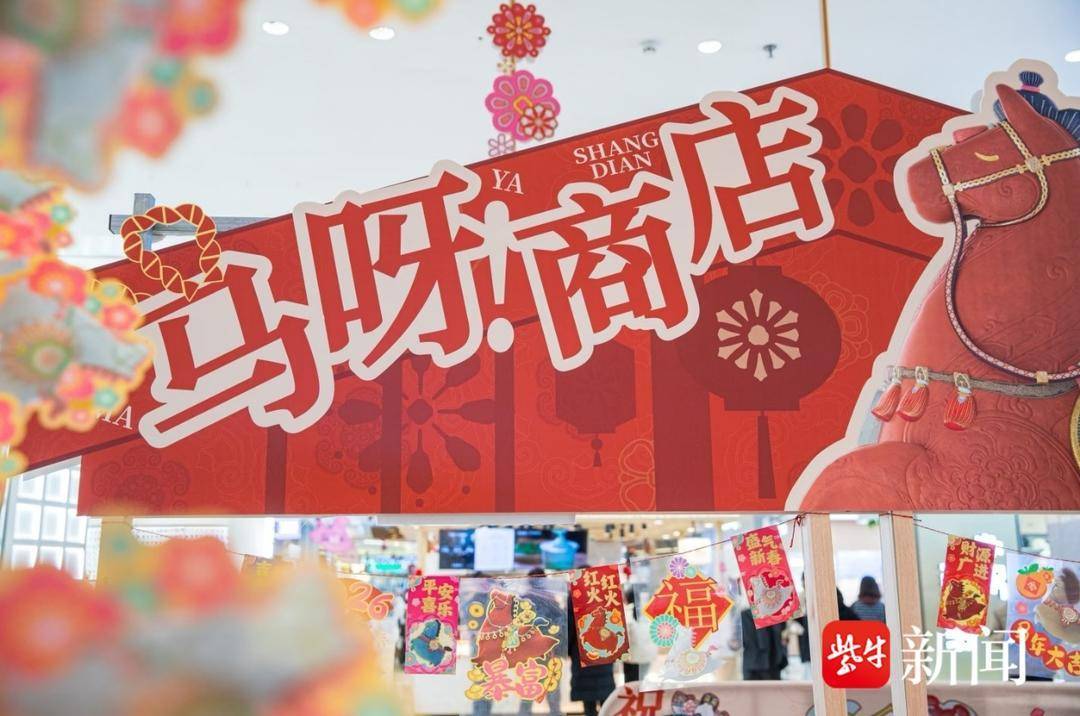
乐享消费!节日支付数据看热气腾腾中国年
Xin Hua She· 2026-02-24 22:44
Core Insights - The Chinese consumption market showed strong growth during the 2026 Spring Festival, with payment transactions reaching 39.302 billion and total amounts of 13.12 trillion yuan, marking increases of 37.45% and 19.26% respectively compared to the previous year [1] Group 1: Consumption Trends - Hainan's duty-free shopping reached 2.72 billion yuan, a 30.8% increase year-on-year [1] - WeChat Pay and Alipay saw significant growth in offline transaction volumes, with both categories exceeding 20% year-on-year growth [1] - The number of users for Alipay's "AI Pay" surpassed 100 million, and spending by inbound tourists using Alipay increased by over 80% compared to last year [1] Group 2: Policy Support - Multiple government departments implemented a "combination punch" of policies to boost consumption during the Spring Festival, including the "2026 'Happy Shopping Spring Festival' Special Activity Plan" [2] - The Ministry of Finance optimized interest subsidy policies for personal consumption loans and service industry loans, enhancing support for consumer spending [2] Group 3: Payment Environment Optimization - Various digital payment incentives were launched, such as 21,700 "100 yuan off 50 yuan" digital RMB red packets in Nanjing, which were quickly claimed [3] - Over 200 million yuan in consumption vouchers were distributed via the Cloud Flash Payment App in Heilongjiang, stimulating holiday spending [3] - Financial institutions introduced "Spring Festival consumption packages" to lower consumer costs, with initiatives from major banks like ICBC and Agricultural Bank of China [3] Group 4: Internet Platforms and Technology - Qianwen App announced a 3 billion yuan "Spring Festival Treat Plan," while Yuanbao App offered 1 billion yuan in cash red packets, leveraging AI to enhance consumer engagement [4] - During the peak of red packet distribution, online payment transactions reached a record high of 144,700 per second, a 7.18% increase year-on-year [4] - The number of payment transactions and amounts from foreign tourists increased by 78.10% and 44.33% respectively compared to the previous Spring Festival [4]
营造更好环境促成“消费大年”
Di Yi Cai Jing Zi Xun· 2026-02-24 02:40
Group 1 - The core viewpoint of the articles emphasizes the significant boost in consumer spending during the recent Spring Festival holiday, indicating a strong potential for consumption-driven economic growth in China [2][7] - Data from Fliggy shows that domestic travel orders reached a new high during the Spring Festival, with ticket orders increasing by over 80% year-on-year and hotel night bookings rising by 75% [2] - The average booking amount for domestic travel increased by approximately 10% compared to last year, with popular theme park and attraction package orders seeing a 140% year-on-year growth [2] Group 2 - The Ministry of Commerce, the People's Bank of China, and the Financial Regulatory Authority jointly issued a notification aimed at enhancing collaboration between commerce and finance to stimulate consumption through a combination of government subsidies, financial support, and merchant discounts [3] - Local governments allocated 2.05 billion yuan to stimulate consumer spending through vouchers and subsidies, effectively igniting market enthusiasm [3] - New consumption trends emerged during the holiday, including a surge in ice and snow sports and the integration of technology with traditional customs, reflecting a shift in consumer focus towards personalized and high-quality service products [5] Group 3 - The articles suggest that to truly establish a "year of consumption," it is essential to continue increasing policy support, create new consumption scenarios, and provide a solid financial and temporal foundation for consumers [7] - The "14th Five-Year Plan" proposes goals for high-quality employment, synchronized growth of resident income and economic growth, and improved public services, which are crucial for enhancing consumer spending [6] - Recommendations include reducing the burden of housing loans through interest subsidies to promote consumer growth, as well as encouraging more flexible holiday arrangements to enhance consumer experiences [6]

春节假期超290万人次打卡观前街—平江路商圈
Su Zhou Ri Bao· 2026-02-24 02:16
Core Insights - The cultural tourism market in Suzhou's Gusu District experienced strong demand and supply during the Spring Festival, with a total foot traffic exceeding 2.9 million in the Qianqian Street-Pingjiang Road business district [1][2] Group 1: Event Highlights - Multiple themed activities combining traditional customs and modern aesthetics were launched in the ancient city, enhancing the New Year experience for residents and tourists [1] - The "Horse Seeking Spring" event at Renheng Warehouse featured floral aesthetics and various themed booths, attracting young visitors [1] - The "Flowering Suzhou: Encountering Plum Blossoms" market showcased plum blossoms and integrated various cultural and culinary elements, recreating the festive atmosphere of Jiangnan [1] Group 2: Business Initiatives - The Qianqian Street hosted the "Interesting Places in Qianqian: Folk Customs Celebrating the New Year" market, featuring various merchants and activities that highlighted local culture and cuisine [2] - A special "Lucky Red Envelope" coupon initiative was launched to provide tangible shopping discounts, directly benefiting consumers and tourists [2] - Daily prize draws and trade-in subsidy policies were implemented by key local businesses to stimulate consumer enthusiasm [2]