
机械设备制造业

Search documents
7月份克罗地亚工业制成品库存比去年同期增加5.2%
Shang Wu Bu Wang Zhan· 2025-09-15 16:03
Core Insights - Croatia's industrial finished goods inventory increased by 1.7% month-on-month and 5.2% year-on-year as of the end of July 2025 [1] Inventory Breakdown - The largest monthly increase in inventory was seen in energy products, which rose by 19.8% [1] - Durable goods inventory grew by 5%, capital goods by 1.1%, and non-durable goods by 0.1%, while intermediate products saw a decrease of 0.6% [1] - Year-on-year, non-durable goods inventory increased by 10.9%, and intermediate goods by 5.9%, whereas capital goods inventory decreased by 23.9%, and both durable goods and energy inventories fell by 3.7% [1] Sector Analysis - Mining and quarrying inventory rose by 1.8% month-on-month and 1.5% year-on-year [1] - Manufacturing inventory increased by 1.6% month-on-month and 5.5% year-on-year [1] - The largest monthly inventory increase in manufacturing was in coke and refined petroleum products (+32.1%), followed by chemicals and chemical products (+13.7%), and metal products (excluding machinery and equipment) (+11.5%) [1] - The most significant monthly inventory decreases were in the manufacture of motor vehicles, trailers, and semi-trailers (-21.7%) and tobacco products (-13.5%) [1] - Year-on-year, the largest inventory increase in manufacturing was in the automotive sector, which saw a tenfold increase, while the largest decrease was in machinery manufacturing, which fell by 65.6% [1]
社保基金持有61只科创板股:新进13股,增持16股
Zheng Quan Shi Bao Wang· 2025-08-29 01:57
Group 1 - The core viewpoint of the article highlights the movements of social security funds in the stock market, particularly their investments in the Sci-Tech Innovation Board, where they appeared in the top ten circulating shareholders of 61 stocks, with a total holding of 279 million shares valued at 12.695 billion yuan [1][2] - In the second quarter, social security funds initiated positions in 13 new stocks and increased holdings in 16 stocks, while also reducing holdings in 16 stocks, with 16 stocks maintaining their holding levels [1][2] - The stocks with the highest holdings by social security funds include Transsion Holdings, with 38.264 million shares, followed by Western Superconducting and Zhuhai Guanyu, with 20.581 million shares and 18.046 million shares respectively [2][3] Group 2 - The sectors where social security funds are most concentrated include electronics, machinery equipment, and pharmaceutical biology, with 17, 8, and 8 stocks respectively [3] - The average increase in stock prices for the Sci-Tech Innovation Board stocks held by social security funds since July is 25.91%, with Ding Tong Technology showing the highest increase of 103.91% [3][4] - Among the stocks held, 41 companies reported a year-on-year increase in net profit, with Rongzhi Rixin achieving the highest growth rate of 2063.42% [2][3]


欧盟寻求快速推进立法提案,拟取消美工业品关税
Huan Qiu Shi Bao· 2025-08-28 22:41
Group 1 - The EU is seeking to quickly advance legislation to eliminate all tariffs on U.S. industrial goods to meet the U.S. government's condition for reducing auto export tariffs [1] - Currently, EU automotive and parts exports to the U.S. face a 27.5% tariff, while a trade agreement would reduce U.S. tariffs on nearly all European products to 15% [1][2] - The EU acknowledges that the trade agreement is more beneficial to the U.S., but it is crucial for ensuring stability and certainty for European businesses [1] Group 2 - The EU is under pressure to complete the reduction of auto tariffs, with a potential 15% tariff on European auto exports to the U.S. retroactive from August 1 if the proposal is made by the end of the month [2] - The automotive sector is a significant export for the EU, with Germany alone exporting $34.9 billion worth of new cars and parts to the U.S. in 2024 [2] - A survey indicated that 55% of respondents believe the tariff agreement imposes a heavy burden on the European economy, with 54% of companies with U.S. operations reporting a decrease in trade volume [3]
德国工业遭美关税冲击 相关组织要求欧盟与美重谈贸易协议
Yang Shi Xin Wen Ke Hu Duan· 2025-08-27 07:50
Group 1 - The German industrial sector, particularly the automotive industry, is facing significant challenges due to U.S. tariffs, high energy prices, and weak domestic demand [1][3] - In June, Germany's industrial output decreased by 1.9% month-on-month and 3.6% year-on-year, reaching its lowest level since May 2020 [3] - Exports to the U.S. have declined for three consecutive months, marking the lowest level since February 2022 [3] Group 2 - The German automotive industry is severely impacted, with major companies like BMW, Mercedes-Benz, and Volkswagen reporting significant profit declines in the first half of the year [5] - Despite a reduction in U.S. tariffs on EU car imports to 15%, German automakers still face billions in additional tariffs annually [5][7] - The automotive sector has seen a net job loss of approximately 51,500 positions over the past year, accounting for nearly 7% of total jobs in the industry [9] Group 3 - The German industrial sector has reduced its workforce by about 114,000 jobs, a 2.1% year-on-year decrease [9] - The industrial revenue has been under pressure, with a 2.1% year-on-year decline in the second quarter, marking the eighth consecutive quarter of decline [9] - The machinery manufacturing sector is calling for the EU to renegotiate trade agreements with the U.S. due to new tariffs that exceed previously agreed levels [11] Group 4 - A recent trade agreement between the EU and the U.S. includes a 15% tariff on most EU goods, while the EU has committed to eliminating tariffs on U.S. industrial products [12]
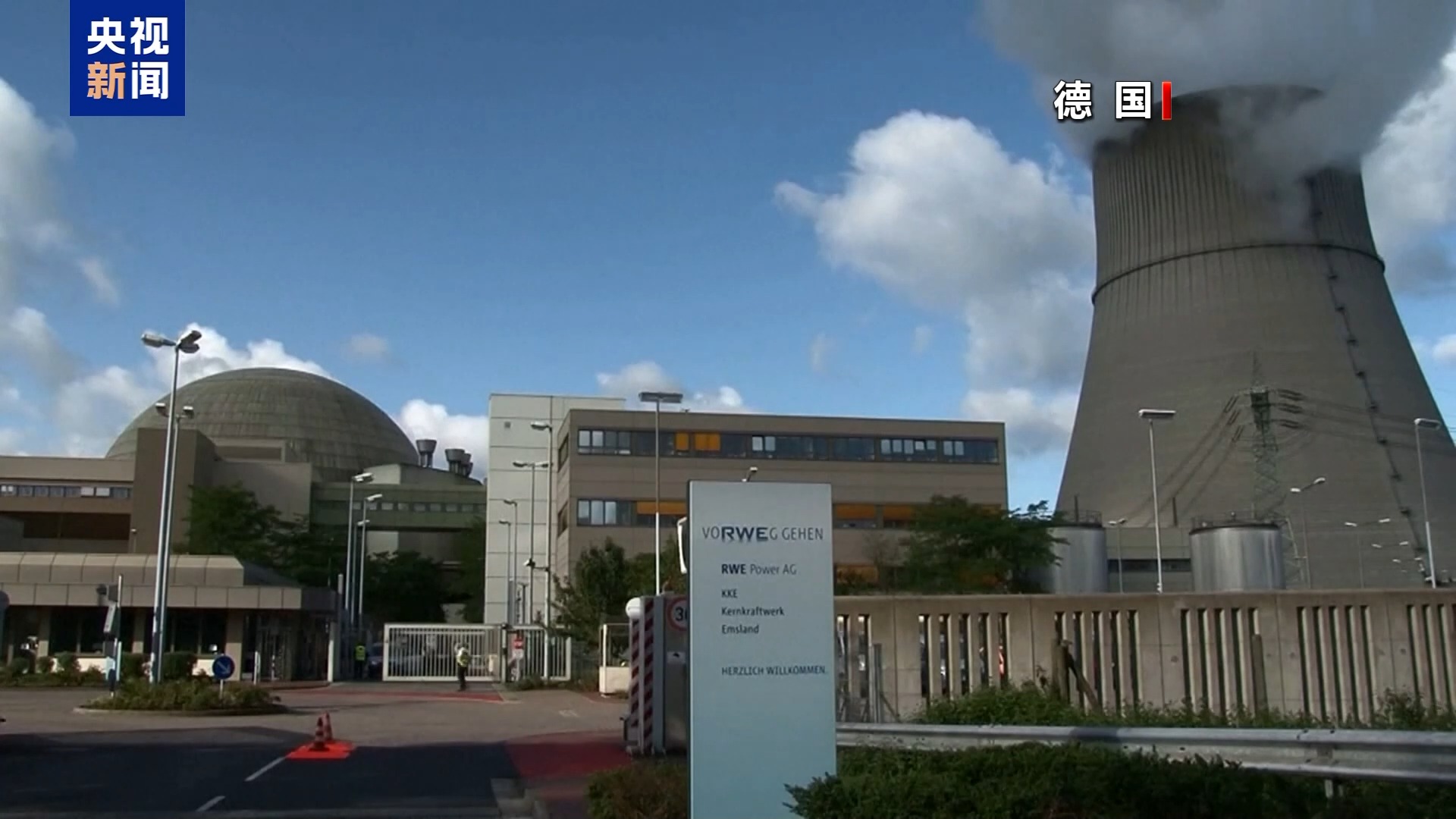
德国工业产出降至近五年来新低
Zhong Guo Xin Wen Wang· 2025-08-07 16:31
Core Insights - Germany's industrial output decreased by 1.9% month-on-month and 3.6% year-on-year in June 2025, reaching its lowest level since May 2020 [1] - The pharmaceutical sector significantly contributed to this decline, with an 11% month-on-month drop in output [1] - Other sectors such as machinery manufacturing and food production also performed poorly, with decreases of 5.3% and 6.3% respectively [1] - In contrast, the construction sector saw a month-on-month increase of 0.7%, and the energy sector grew by 3.1% [1] Industry Performance - The second quarter of 2025 recorded a 1.0% month-on-month decline in industrial output, attributed partly to a "pre-order effect" from businesses responding to earlier U.S. tariff announcements [1] - The negative impact of U.S. tariffs is expected to continue affecting the German industrial economy, hindering prospects for sustained recovery in the third quarter [1] - Additionally, June 2025 saw a month-on-month decline in new industrial orders in Germany, indicating ongoing challenges in the sector [1] - The German Federal Bank has warned that the high tariffs imposed by the U.S. will exert significant pressure on the German economy [1]
美关税等因素致德国工业产出创五年新低
Xin Hua She· 2025-08-07 14:00
Core Insights - Germany's industrial output in June decreased by 1.9% month-on-month and 3.6% year-on-year, reaching the lowest level since May 2020, primarily due to external pressures such as U.S. tariffs [1] - The construction sector saw a month-on-month increase of 0.7%, while the energy sector grew by 3.1%. However, excluding these sectors, industrial output fell by 2.8% [1] - The machinery, pharmaceuticals, and food industries experienced significant declines in output, with decreases of 5.3%, 11%, and 6.3% respectively [1] - In the second quarter, Germany's industrial output decreased by 1% quarter-on-quarter [1] - The German Federal Ministry of Economic Affairs noted that the initial recovery in the first quarter was influenced by preemptive purchasing due to tariff expectations, but this effect faded in the second quarter [1] - Analysts suggest that the latest industrial output data dampens expectations of a cyclical rebound in Germany's industrial sector, with U.S. tariffs expected to further hinder economic growth [1] Trade Insights - Germany's exports to the U.S. fell by 2.1% month-on-month in June, marking the third consecutive month of decline and the lowest level since February 2022 [2]
“赤道玫瑰”的跨洋之旅(中拉是天然合作伙伴)
Ren Min Ri Bao· 2025-05-15 21:51
Group 1 - Ecuador's rose industry benefits from ideal growing conditions, leading to high-quality roses that are popular in the Chinese market [1] - The Ecuadorian rose supply chain involves meticulous handling and rapid transportation, allowing roses to reach Chinese consumers within three days [1] - The China-Ecuador Free Trade Agreement has significantly reduced tariffs on Ecuadorian products, enhancing their competitiveness in the Chinese market [2] Group 2 - In the first quarter of this year, bilateral trade between China and Ecuador reached $3.915 billion, a 34.17% increase year-on-year, with Ecuador's exports to China growing significantly [3] - Ecuador's shrimp exports to China have seen a substantial increase, with January exports reaching $280 million, up 25% from the previous year [3] - The Free Trade Agreement is viewed as a strategic opportunity for Ecuador, allowing for zero-tariff exports of products like canned tuna to China [3]
德国一季度工业产出环比增1.4%,为2022年初以来单季最高环比增幅
news flash· 2025-05-08 13:32
Group 1 - Germany's industrial output increased by 3% month-on-month in March, marking the highest quarterly growth since early 2022 with a 1.4% increase in Q1 [1] - The construction sector saw a month-on-month increase of 2.1%, while the energy sector experienced a decline of 1.8% [1] - Excluding construction and energy, industrial output rose by 3.6% in March, with significant contributions from the automotive industry (8.1% growth), pharmaceuticals (19.6% growth), and machinery manufacturing (4.4% growth) [1] Group 2 - Year-on-year, Germany's industrial output decreased by 0.2% in March after adjusting for working days [2]