
绿色建材

Search documents
以“三新”思维引领未来人居 长沙经验助力绿色建材与“好房子”融合发展
Xin Lang Cai Jing· 2026-01-25 11:02
Core Viewpoint - The event held in Nanjing on January 23, 2026, focused on integrating green building materials with high-quality construction, highlighting Changsha's innovative practices in promoting green materials through a "three new" thinking approach [1] Group 1: Institutional New System - Changsha has implemented an innovative "BIM+M+EPC" model that facilitates collaboration across the entire design, production, and construction process, supported by digital design and intelligent manufacturing [2] - The model has received a national invention patent and incorporates a three-dimensional control system to include green material enterprises in the core collaboration circle, addressing industry chain collaboration issues [2] - A policy mandates that the application ratio of green materials in new green buildings must not be less than 60%, providing institutional support for green practices [2] Group 2: Application New Scenarios - Changsha has established a green building material application information platform that assigns "digital IDs" to key materials, enabling traceability throughout the process [3] - The city has developed a progressive smart construction scenario matrix from 1.0 to 5.0, based on "BIM+prefabrication," to achieve precise material matching, intelligent production, smart construction, and urban collaboration [3] - The Hunan Creative Design Headquarters Building serves as a 4.0 scenario example, demonstrating a 25% reduction in building energy consumption through the integration of green materials and digital technology, earning a three-star green building rating [3] Group 3: Industrial New Ecology - In response to market demands for green materials transitioning from "basic functions" to "integrated empowerment," Changsha is focusing on ten integrated directions, including structural insulation and soundproofing [4] - The city has fostered a new type of component industry cluster by forming industry-academia-research alliances, publishing product technology lists, and enhancing policy support, resulting in over 100 certified green material enterprises [4] - A dual-level "online + offline" collaborative system has been established for regulatory oversight, ensuring closed-loop management through various verification methods, supported by technical guidelines for calculating green material application ratios [4] - The integration of the new system, new scenarios, and new industries is essential for synchronizing the development of green materials with high-quality housing construction [4]
广西全力打造制造业十大支柱产业
Guang Xi Ri Bao· 2026-01-22 02:59
Group 1 - The core focus of Guangxi's industrial strategy for 2026 is to develop ten modern pillar industries, including non-ferrous metals, advanced steel materials, modern green chemicals, artificial intelligence, new generation information technology, high-end equipment manufacturing, new energy vehicles and batteries, food processing, forest products and paper industry, and biomedicine and health [1] - Guangxi plans to implement a robust "Five Ones" work promotion mechanism to ensure effective development of these industries, which includes appointing a responsible leader, establishing a working team, formulating an action plan, empowering with an industrial fund, and driving with leading enterprises [1] - The region aims to enhance investment and transformation in traditional industries through actions such as manufacturing technology upgrades, developing industry-specific implementation plans, and providing enterprise diagnostic services [1] Group 2 - Guangxi will deepen the implementation of industrial project construction actions by establishing a comprehensive project lifecycle management mechanism and creating quarterly key project lists [2] - The region will enhance the construction of advanced manufacturing industry clusters through actions aimed at strengthening and extending supply chains, as well as cultivating new advanced manufacturing clusters in areas like new energy and environmental protection [2] - The establishment of a key metal national advanced manufacturing cluster is part of the strategy to accelerate the high-quality development of critical metals in Nandan [2]
陕西:锻强产业“筋骨” 挺起工业“脊梁”
Shan Xi Ri Bao· 2026-01-22 00:24
Group 1: Industrial Development and Innovation - Shaanxi is focusing on high-quality industrial development, aiming for 34 industrial chains to reach a scale of 2.47 trillion yuan by the end of 2025, accounting for over 80% of the industrial output [1] - The province is leveraging the "chain leader system" to enhance key industrial chains and accelerate the construction of a modern industrial system [1] - The integration of technology and industry is leading to significant advancements, such as the production of ultra-thin solar cells and rapid manufacturing processes for LCD TVs [1] Group 2: Digital Transformation in Energy Sector - Shaanxi ranks third in coal production in China, with over 60% of coal transported for supply [2] - The "Qinling Cloud Business" platform has streamlined coal transportation, serving 702 suppliers and 3,123 buyers, thus expanding the industrial chain [2] - The integration of digital technology in traditional industries is enhancing quality, efficiency, and driving transformation [2] Group 3: Green and Intelligent Manufacturing - Shaanxi is promoting green and intelligent manufacturing, with 143 advanced intelligent factories and 198 national-level green factories established [4] - The "商砼之家" platform has attracted over 1,000 enterprises, serving more than 750 construction projects and achieving a transaction volume exceeding 9 billion yuan [3] - The province is focusing on high-end, intelligent, and green development to rejuvenate traditional industries [4] Group 4: Photon Industry and Innovation - The photon industry in Shaanxi has grown from 15 billion yuan to 36.5 billion yuan, with the "Chasing Light Plan" enhancing the development ecosystem [5] - Companies like Xi'an Zhongke Micro Precision Photon Technology are leading in high-end precision manufacturing equipment, significantly contributing to the local economy [5] - The automotive industry in Shaanxi has become a pillar industry, with a total output value exceeding 440 billion yuan [6] Group 5: New Display Technology - Xi'an Qingsong Optoelectronics Technology has dominated the LED integrated machine market for six consecutive years, showcasing significant innovation in product design [7][8] - The company has established itself as a leader in the new display industry, with products exported to 140 countries [8] - The supportive policy environment in Shaanxi has facilitated the growth of companies in the new display sector, fostering collaboration and innovation [9]
以实干开新局 用落实谱新篇——访辽阳市委书记白英
Xin Lang Cai Jing· 2026-01-21 23:41
Group 1 - The core viewpoint emphasizes that optimizing the business environment is crucial for Liao Yang's development and will serve as a breakthrough point for economic growth [1] - Liao Yang aims to address various challenges through six key initiatives, including resolving historical issues, clearing enterprise debts, and implementing measures that benefit businesses and the public [1] - The city plans to enhance domestic demand by expanding investment, promoting consumption, and boosting cultural tourism through over 300 unique events [1] Group 2 - Liao Yang is focused on industrial transformation and upgrading, with an emphasis on digital empowerment and technological innovation to address financing challenges for tech companies [2] - The city aims to elevate five key industrial clusters, including fine chemicals and intelligent equipment, while also developing a low-altitude economy and advanced energy storage [2] - Liao Yang is committed to improving the quality of life for its residents by investing in housing, community development, and public safety initiatives [2] Group 3 - The leadership in Liao Yang emphasizes the importance of comprehensive party leadership and the role of officials in achieving effective governance and results [3]
肇庆“十四五”期间打造2个千亿级产业集群 新能源汽车产业加快崛起
Nan Fang Ri Bao Wang Luo Ban· 2026-01-15 10:08
Group 1: Economic Development and Industry Growth - During the "14th Five-Year Plan" period, Zhaoqing has developed two trillion-level industries in new energy vehicles and metal processing, along with four five-hundred billion-level industry clusters in new energy storage, electronic information, green building materials, and new materials, leading to a strategic reshaping of its industrial landscape [1] - Zhaoqing has ranked among the top 100 advanced manufacturing cities in China for two consecutive years and has been recognized as an excellent investment destination in the province for three years [1] - The new energy vehicle industry is rapidly growing, with XPeng Motors producing over 500,000 vehicles in Zhaoqing, equating to one vehicle rolling off the production line every six minutes, supported by over 100 large-scale auto parts companies integrated into the national supply chain [1] Group 2: Traditional Industry Transformation - Zhaoqing's metal processing enterprises have shifted towards high-end equipment manufacturing, achieving an annual output value exceeding 120 billion [2] - The building materials industry is advancing in cluster development and green transformation, with an annual output value surpassing 50 billion [2] - The food and beverage industry in Zhaoqing has reached an annual output value of over 20 billion, with notable companies such as Jian Tian Bai Sui Shan and China Resources Beverage establishing operations in the region [2] Group 3: Infrastructure Investment - Zhaoqing has invested approximately 65 billion in transportation during the "14th Five-Year Plan," a 31% increase compared to the previous five-year period, with major projects like the Guang-Zhan high-speed rail and the new Guangzhou airport underway [2] - The port's annual handling capacity has doubled to 176 million tons, facilitating a one-hour access to Guangzhou, Shenzhen, Hong Kong, and Macau [2] Group 4: Agricultural Development - Zhaoqing's agricultural sector has reached a scale of 80 billion, ranking third in the province, with six agricultural clusters each exceeding 10 billion [3] - The region boasts 68 nationally recognized special agricultural products and has achieved the highest number of geographical indication products and certification trademarks in the province, totaling 50 [3] Group 5: Environmental and Social Initiatives - Zhaoqing has implemented a "three-long linkage" mechanism to protect its environment, maintaining air quality in the top 20 nationwide and stabilizing water quality in major rivers [3] - Over the past five years, Zhaoqing has created more than 210,000 urban jobs and facilitated the transfer of over 150,000 rural laborers, with a per capita disposable income growth exceeding 5% [3] - The city has invested over 6 billion in building and renovating 134 public schools and kindergartens, adding 113,000 public school places, and has allocated 19.1 billion for 51 healthcare projects, increasing hospital beds by over 3,000 [3]
潍坊临朐蒋峪镇三大产业冲刺“开门红”,绿色建材订单排至五月
Qi Lu Wan Bao· 2026-01-15 04:50
Group 1: Green Building Materials - The green building materials industry is leading the charge for economic development, with companies ramping up production to meet high demand [2][5] - 吉祥全控股集团 has increased its production capacity by 10% compared to the same period last year, with orders extending to the end of May [5] - The company is focused on high-end quality and green advantages, positioning itself as a key player in achieving a strong start for the first quarter [5] Group 2: High-End Food - 春冠食品 is a leading player in the high-end food sector, specializing in the processing of goose liver, and holds over 50% of the domestic market share [6][8] - The company has experienced explosive growth in orders since the beginning of the year, with significant demand from both domestic and regional markets [8] - Production lines are operating at full capacity, and the company aims to enhance product value and expand its market presence [8] Group 3: Pet Food Industry - 首宠生物科技有限公司 is witnessing a surge in online orders, with daily order volumes exceeding 10,000 since the New Year [10][12] - The company is optimizing production processes and reallocating resources to meet the high market demand for pet food products [12] - Leveraging e-commerce platforms, the company is effectively connecting with market needs and expanding its brand presence across multiple provinces [12] Group 4: Government Support - The local government is actively supporting businesses by addressing urgent needs related to labor, logistics, and policy assistance [14] - A special task force has been established to resolve operational challenges faced by companies, ensuring a conducive business environment [14] - The government emphasizes the importance of industrial development and aims to enhance service quality to stimulate innovation and production scale [14]

民生支出占七成,幸福城市拿两回!云浮经济民生“双开花”
Nan Fang Du Shi Bao· 2026-01-14 14:49
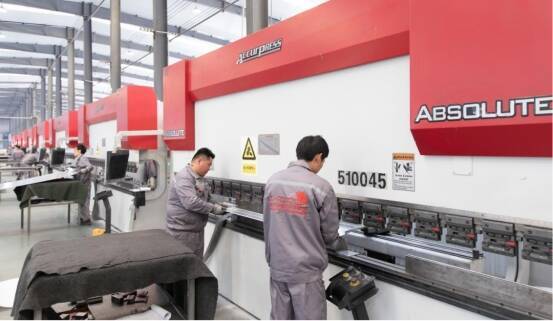
Economic Growth and Industrial Structure - During the "14th Five-Year Plan" period, Yunfu's economic growth has significantly accelerated, with the GDP surpassing three hundred billion levels, and per capita GDP rising from 18th to 16th in the province from 2021 to 2024 [4] - The city has added approximately 30% to its economic volume, 30% more industrial enterprises, 50% increase in industrial output value, 70% increase in business entities, and 80% increase in total electricity consumption [4] - The industrial structure is continuously optimizing, focusing on the real economy and manufacturing, with three major trillion-yuan industrial clusters being developed: metal manufacturing, green building materials, and modern agriculture [4] Industrial Upgrading and Innovation - Yunfu is promoting high-end, intelligent, and green transformation of industries, with significant developments in metal manufacturing, green building materials, and emerging strategic industries such as biomedicine and electronic information [7] - Over 60% of industrial enterprises have completed digital transformation, showcasing projects like the first fully automated production line for stainless steel products [7] - The city has established a green manufacturing system, creating several national and provincial-level green factories, maintaining high levels of industrial water reuse and solid waste utilization [7] Open Economy and Infrastructure Development - Yunfu is enhancing its high-level openness by implementing strategies to connect with the Greater Bay Area and RCEP, with major transportation projects completed [8] - The city has signed 177 new projects with a total investment of nearly 50 billion, actively attracting industries from the Pearl River Delta [8] - The establishment of a cross-border e-commerce clearance center marks a breakthrough in cross-border e-commerce [8] Urban-Rural Coordination and Ecological Development - The city is advancing urban-rural coordination through the "Hundred Million Project," achieving full coverage of provincial industrial parks in counties [9] - The forest coverage rate has increased to 68.78%, and the water quality of the Xijiang River remains excellent, reflecting the city's commitment to ecological development [9] - Yunfu has made significant progress in converting ecological resources into economic value, including innovative green finance initiatives [9] Social Welfare and Quality of Life - During the "14th Five-Year Plan," Yunfu's social welfare spending exceeded 100 billion, accounting for over 70% of fiscal expenditure [10] - The city has introduced quality educational resources, expanded healthcare coverage, and created 95,000 new urban jobs, with per capita disposable income growing at an annual rate of 6.48% [10] - These efforts have contributed to Yunfu being recognized as one of the "most livable cities," reflecting a people-centered development approach [10]
许晓雄:肇庆连续四年制造业引资超千亿 构建现代产业体系
Nan Fang Du Shi Bao· 2026-01-14 13:04
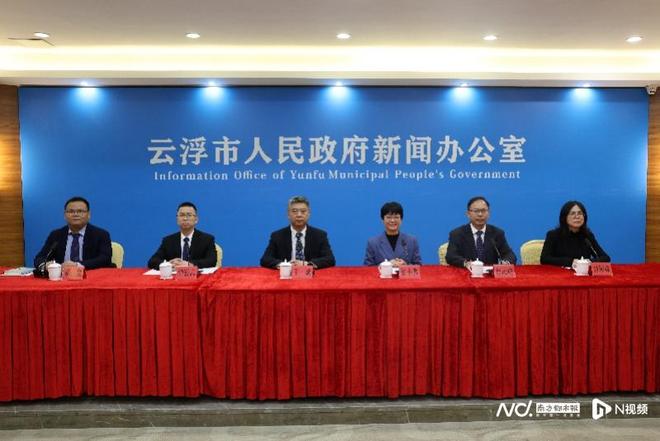
Core Viewpoint - Zhaoqing is focusing on building a modern industrial system centered on the real economy and manufacturing, with significant investments in emerging industries such as new energy vehicles, new energy storage, new materials, and electronic information [1][2] Group 1: Investment and Economic Development - Zhaoqing has introduced manufacturing projects with planned investments exceeding 100 billion yuan for four consecutive years [1] - The "Three New and One Electric" projects account for one-third of the total investment, with over 100 large-scale component enterprises in the new energy vehicle sector [1] - A total of nearly 50 billion yuan has been allocated to an industrial fund to enhance the quality of investment attraction [1] Group 2: Industrial Park Development - Zhaoqing has established a new development pattern with 13 provincial industrial parks and special parks, led by Zhaoqing High-tech Zone and Zhaoqing New District [1] - The large industrial cluster area has over 40,000 acres of land available for development, with more than 300 projects introduced and a total planned investment exceeding 90 billion yuan [1] - Nearly 30% of the projects have already been put into production, indicating the initial formation of a "ten-thousand-acre, hundred-billion" platform [1] Group 3: Business Environment and Growth - Zhaoqing adheres to the "enterprise first" philosophy, continuously optimizing the "All Zhaoqing Office" service system for enterprises, maintaining a top position in the provincial business environment evaluation for five consecutive years [2] - The number of business entities in the city has surpassed 400,000, representing a 1.5 times increase compared to the end of the 13th Five-Year Plan [2] - Zhaoqing is becoming an important advanced manufacturing base in the Guangdong-Hong Kong-Macao Greater Bay Area, injecting strong momentum into high-quality development [2]
肇庆“十四五”县域经济抱团成势 12镇跻身全国千强
Nan Fang Du Shi Bao· 2026-01-14 12:10
Core Insights - The "14th Five-Year Plan" has led to significant achievements in Zhaoqing, with the city transitioning from individual exploration to collective development in its county economy [1][3] - Zhaoqing has ranked among the top 100 advanced manufacturing cities in China for two consecutive years, with several districts and towns also making it to national rankings [1][3] Group 1 - Zhaoqing is implementing a differentiated layout to avoid homogeneous competition, focusing on "one county, one main industry" strategy [3] - The eastern region is developing two trillion-yuan clusters in new energy vehicles and metal processing, while the western region is leveraging unique resources to develop billion-yuan clusters in green building materials, wind turbines, and bamboo industries [3] - The city is integrating resources at the municipal level, directing land and funding towards leading industries and core parks, and establishing a mechanism for industrial chain collaboration [3] Group 2 - Zhaoqing has formed an industrial collaboration model characterized by "Guangzhou-Shenzhen R&D + Bay Area transformation + Zhaoqing implementation" [3] - The pattern of mutual support and collective development among county-level characteristic industrial clusters is essentially established [3]
国家绿色产品认证新规出台 河南获认证证书数量跻身全国前十
He Nan Ri Bao· 2026-01-06 23:30
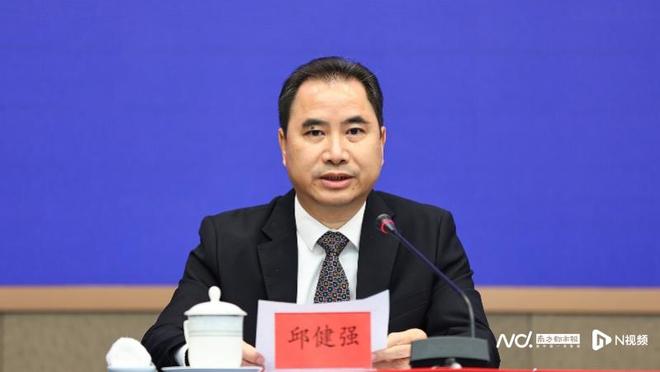
Group 1 - The core viewpoint of the news is the revision and release of the new "Green Product Certification and Labeling Management Measures" by the State Administration for Market Regulation, marking a shift from single-label management to comprehensive regulatory oversight of the entire certification chain for green products [1] - The new management measures are based on the principles of "unified product catalog, unified evaluation standards, unified certification rules, and unified product labeling," which standardize green product certification activities and the use of green product labels [1] - The previous market faced issues of inconsistent certification standards and chaotic labeling, which hindered consumer decision-making and reduced companies' enthusiasm for obtaining green product certifications. The new regulations are expected to alleviate consumer concerns and invigorate the green consumption market [1] Group 2 - As of now, the green product certification catalog in China covers 122 types of products closely related to consumers, including electronics, furniture, building materials, express packaging, and textiles [2] - The province has obtained 352 green product certification certificates, ranking among the top ten in the country. Local market regulation departments have actively promoted green product certification, providing tailored services to pilot enterprises [2] - Promoting green product certification can increase the supply of green products, enhance product quality, and drive high-quality development of enterprises and industries. For instance, the green building materials industry in the province faces challenges such as a high proportion of traditional materials and high resource consumption, necessitating the development of energy-saving and environmentally friendly green building materials [2]