
进出口贸易

Search documents
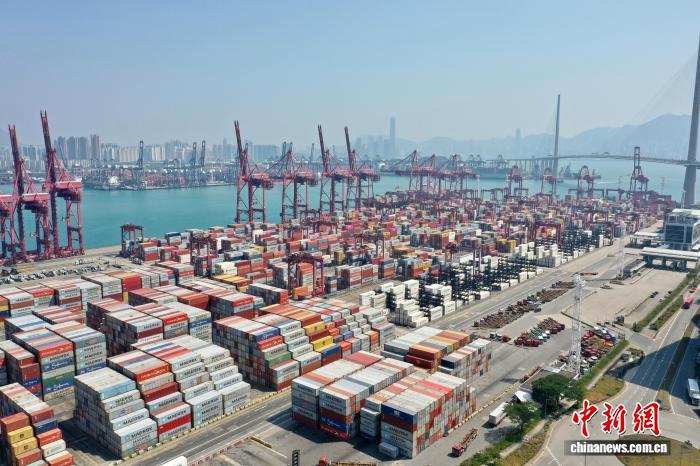
香港1月商品整体出口货值同比升33.8%
Zhong Guo Xin Wen Wang· 2026-02-27 13:43
Core Viewpoint - Hong Kong's overall merchandise export value in January 2026 increased by 33.8% year-on-year, reaching 520.6 billion HKD, indicating a robust growth trend in exports [1][3]. Group 1: Export Performance - The overall export value to Asia rose by 37.3% [1]. - Significant increases were noted in exports to Switzerland (up 105.1%), the Netherlands (up 39.5%), and the United States (up 23.3%) [1]. - Major product categories saw substantial export value increases, particularly "electrical machinery, instruments, and parts," which rose by 71.6 billion HKD (39.4%), and "communication, recording, and sound equipment and instruments," which increased by 24.2 billion HKD (51.9%) [1]. Group 2: Import Performance - In January 2026, Hong Kong's merchandise import value was 534.7 billion HKD, reflecting a 38.1% increase compared to the same month last year [3]. - The trade deficit recorded was 14.1 billion HKD, equivalent to 2.6% of the merchandise import value [3]. Group 3: Future Outlook - The Hong Kong government anticipates that the performance of merchandise trade will benefit from the ongoing moderate expansion of the global economy and strong demand for AI-related electronic products [1]. - Analysts suggest that the demand for artificial intelligence and electronic products, along with emerging markets, will continue to support Hong Kong's import and export activities in the long term [3].

税务部门曝光4起骗取出口退税违法案件 最高涉案金额超2亿元
Xin Hua Wang· 2026-02-27 09:51
Group 1 - The core issue highlighted is the exposure of multiple cases of export tax refund fraud, with the highest individual case involving over 2 billion yuan [1] - The fraudulent activities involved complex relationships and hidden methods, including signing false sales contracts and using fake invoices to claim tax refunds [1] - The tax authorities have taken significant actions, including recovering 201 million yuan from three companies involved in the fraud and prosecuting six individuals for their roles in the crime [1] Group 2 - Export tax fraud is characterized by its involvement across various sectors such as production, trade, customs, logistics, and foreign exchange, making it difficult to detect and prosecute [2] - The State Taxation Administration reported that by 2025, over 76,000 companies suspected of tax fraud will be inspected, recovering over 10 billion yuan in export tax losses [2] - The application of tax big data and cross-border regulatory information sharing has improved the efficiency of joint efforts to combat tax fraud, allowing for precise targeting of organized fraud networks [2]
2026年1月份香港整体出口和进口货值同比分别上升33.8%和38.1%
智通财经网· 2026-02-27 09:46
Core Viewpoint - Hong Kong's overall export and import values recorded significant year-on-year increases in January 2026, with exports rising by 33.8% and imports by 38.1% [1][5]. Trade Performance - In January 2026, the total export value reached HKD 520.6 billion, while the import value was HKD 534.7 billion, resulting in a trade deficit of HKD 14.1 billion, equivalent to 2.6% of import value [1]. - Seasonally adjusted figures indicated a 9.4% increase in total export value and a 10.9% increase in import value for the three months ending January 2026 compared to the previous three months [1]. Regional Analysis - Exports to Asia increased by 37.3%, with notable rises to Taiwan (88.8%), Malaysia (81.1%), and mainland China (40.6%) [2]. - Imports from major suppliers also saw significant increases, particularly from Vietnam (129.8%), India (125.1%), and South Korea (75.0%) [2][3]. Product Category Analysis - Major product categories showed substantial export growth, especially in "electrical machinery, instruments, and parts" (up HKD 71.6 billion, 39.4%) and "communication, recording, and sound equipment" (up HKD 24.2 billion, 51.9%) [4]. - Import values for these categories also rose significantly, with "electrical machinery, instruments, and parts" increasing by HKD 76.2 billion (44.8%) and "communication, recording, and sound equipment" by HKD 34.2 billion (80.0%) [4]. Future Outlook - The growth in Hong Kong's trade performance is expected to benefit from moderate global economic expansion and strong demand for AI-related electronic products [5].
周日见!宁波276家企业组团参加新春“外贸第一展”
Sou Hu Cai Jing· 2026-02-27 09:44
Group 1 - The 34th China East China Import and Export Commodity Fair (HuaJiaoHui) will be held from March 1 to 4 at the Shanghai Pudong New International Expo Center, featuring 276 participating companies and 390 exhibition booths from the Ningbo trading group, surpassing last year's figures [2][4] - The exhibition will cover a total area of 115,000 square meters across 10 pavilions, with a total of 5,291 booths and participation from 3,325 domestic and international companies [6] - Major product categories with significant booth numbers include daily consumer goods (169 booths), kitchen and bathroom products (49 booths), home appliances (37 booths), and home decoration and gifts (34 booths) [3][6] Group 2 - The Ningbo trading group includes prominent companies such as Zhongji Ningbo, New Scene Import and Export, Kaiyue International Trade, Huafu Import and Export, and others, indicating a strong representation of larger firms [4] - The exhibition serves as a "barometer" for many foreign trade companies in Ningbo, providing insights into market trends and customer purchasing intentions, which is crucial for planning the upcoming year's business strategies [4][6] - Companies are adapting their products for specific markets, such as Double Deer Battery adjusting packaging for the Japanese market, showcasing the importance of market-specific strategies in international trade [6]
商务部公告2026年第13号 公布调整对加拿大反歧视措施
Yang Shi Wang· 2026-02-27 08:51
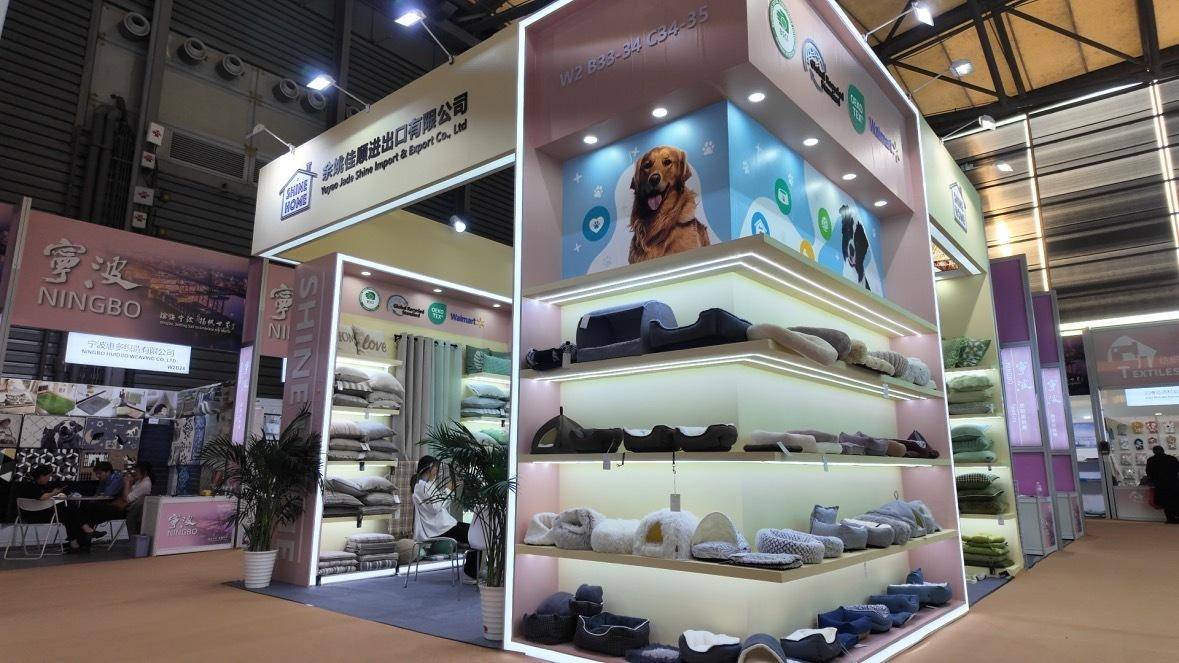
Group 1 - The core viewpoint of the articles is that the Chinese Ministry of Commerce has announced adjustments to anti-discrimination measures against Canada due to changes in the trade environment, specifically regarding tariffs on electric vehicles and steel and aluminum products imported from China [1][2]. Group 2 - The anti-discrimination investigation was initiated on September 26, 2024, in response to Canada's imposition of tariffs on imports of related electric vehicles and steel and aluminum products from China [1]. - The adjustments to the anti-discrimination measures are based on the recognition that Canada has made changes to its tariff policies, which aligns with the conditions for adjustment outlined by the Ministry of Commerce [2]. - The announcement regarding the validity of these measures is set from March 1, 2026, to December 31, 2026 [3].
2026 广州出口退税全解析:流程、退税率及常见误区指南
Sou Hu Cai Jing· 2026-02-27 08:51
Core Insights - Export tax rebates are crucial for reducing costs and increasing profits for businesses engaged in export activities in Guangzhou [1][4] - Many exporters face challenges due to complex processes, extensive documentation, and a lack of understanding of policies [1][4] Group 1: Understanding Export Tax Rebates - Export tax rebate is a government subsidy that refunds previously paid VAT and consumption tax on goods exported from Guangzhou, enhancing competitiveness in international markets [4] - Not all exported goods qualify for rebates; eligibility depends on whether the goods fall within the rebate scope and if the procedures are compliant [4][5] Group 2: Key Questions on Export Tax Rebates - Eligible businesses for tax rebates include those with import and export rights and proper tax registration, with common eligible goods being clothing, electronics, and household items [5] - The rebate amount varies based on the "rebate rate," which ranges from 0% to 13%, with clothing typically having a rebate rate of 13% [6] - The rebate process can be simplified into four main steps: registration, documentation collection, online application, and tax review [8] Group 3: Common Pitfalls in the Rebate Process - Many businesses face rejection due to incomplete documentation or errors in filling out forms, such as discrepancies between customs declarations and invoices [10] - Missing the application deadline, which is usually within 90 days of export, can lead to ineligibility for rebates [10] - Confusion between tax exemption and rebate policies can result in incorrect applications, affecting tax credit [10] - Staying updated on policy changes for 2026 is essential, as adjustments may affect rebate rates and application processes [10] Group 4: Recommendations for New Exporters - New exporters should focus on ensuring complete documentation and compliance with processes while staying informed about the latest policies to avoid missing out on legitimate rebates [11]
新春第一展|华交会规模影响力再升级
Jie Fang Ri Bao· 2026-02-27 07:21
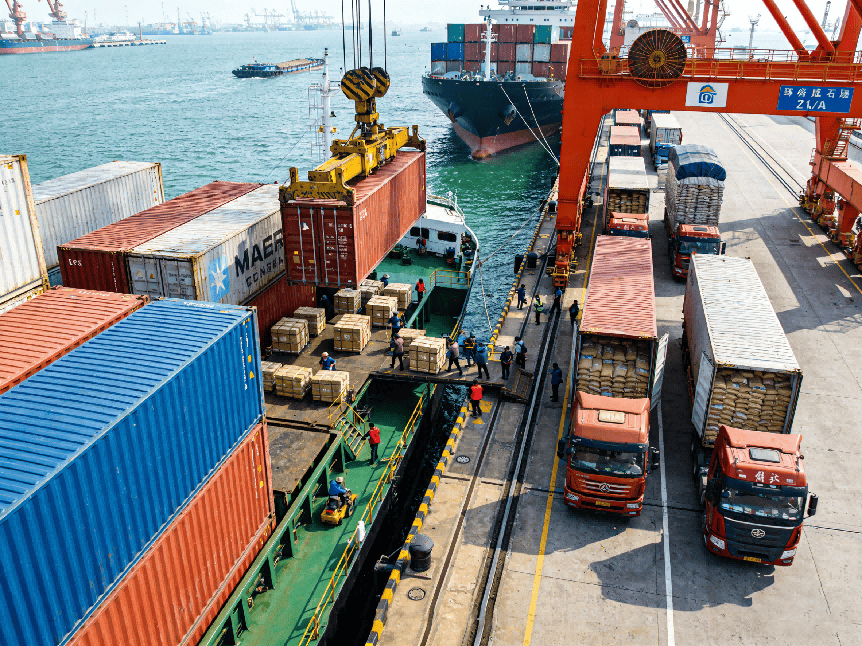
Group 1 - The 34th East China Import and Export Commodity Fair (HuaJiaoHui) will be held from March 1 to March 4, 2026, at the Shanghai New International Expo Center, covering a total exhibition area of 115,000 square meters across 10 exhibition halls [1] - This year's fair features a total of 5,291 exhibition booths, attracting 3,325 domestic and international enterprises, including 375 foreign exhibitors from 14 countries and regions, marking increases of 2.88%, 2.31%, and 3.02% respectively compared to the previous edition [1] - The event is expected to welcome over 46,000 professional buyers from both domestic and international markets, indicating a significant growth in scale and industry influence [1] Group 2 - The fair showcases a diverse range of innovative enterprises, including 20% brand enterprises, 19.5% patent-holding enterprises, and 8.6% enterprises utilizing new materials and processes, with 59 specialized and innovative enterprises participating [2] - A total of 46 enterprises will receive the "HuaJiaoHui Product Innovation Award" for their high-tech, market-capable, and innovative service models, with award-winning products spanning smart home, cultural and creative products, 3D printing, functional clothing, and pet supplies [2] - A new pet supplies section has been introduced in the W1 household goods exhibition area, featuring 51 exhibitors and 67 booths, showcasing innovative products in pet furniture, clothing, toys, care products, and travel gear [2] Group 3 - The fair serves as an important platform for the dual circulation strategy, with a focus on integrating domestic and international trade, and has added a "Receiving Domestic Buyers" label for 577 enterprises, a 4.53% increase from the last edition [3] - The event aims to facilitate connections between domestic buyers and international enterprises, promoting the import of quality products to meet domestic consumption upgrade demands [3] - A themed seminar titled "Oriental Hub Energy Gathering, Digital Trade Chain Leading" will be held to address the integration of domestic and international trade through digital trade chains [3]
预计超4.6万名境内外采购商参会
Xin Lang Cai Jing· 2026-02-27 07:06
Core Insights - The 34th East China Import and Export Commodity Fair (HuaJiaoHui) is being held from March 1 to 4 in Shanghai, showcasing a total exhibition area of 115,000 square meters and attracting over 46,000 domestic and international professional buyers [1] Group 1: Exhibition Scale and Participation - The fair features 5,291 exhibition booths with participation from 3,325 domestic and international enterprises, including 375 foreign exhibitors from 14 countries and regions, marking increases of 2.88%, 2.31%, and 3.02% respectively compared to the previous edition [1] - The event has seen a rapid growth in professional buyers, with expectations of over 46,000 attendees, indicating a significant enhancement in both scale and industry influence [1] Group 2: Innovation and Quality of Exhibitors - The fair has optimized the structure of participating enterprises, featuring a significant number of high-tech enterprises, specialized "little giant" companies, and leading firms in niche markets, with 20% of exhibitors being brand enterprises and 19.5% holding patents [2] - 8.6% of the participating companies are utilizing new materials and processes, and there are 59 specialized and innovative enterprises present [2] Group 3: New Market Opportunities - A dedicated pet supplies section has been established within the household goods exhibition area, featuring 51 exhibitors across 67 booths, covering various pet-related products and services [3] - Innovative products showcased include multifunctional cat houses and eco-friendly pet baskets, catering to the diverse and high-quality demands of the pet consumer market [3] Group 4: Integration of Domestic and Foreign Trade - The fair emphasizes the integration of domestic and foreign trade, with proactive efforts to organize overseas promotional events in countries like Austria, Poland, and Spain, enhancing market access for participating enterprises [4] - A procurement matching area will be set up during the fair, hosting seven specialized matching sessions across various industries, with a notable increase of 57.14% in Southeast Asian buyers compared to the previous year [4] - The fair continues to support enterprises looking to expand domestic sales channels, with 577 companies marked for engaging with domestic buyers, reflecting a growth of 4.53% from the last event [4]
美国贸易代表通告全世界:部分国家加税15%,但中国免了
Sou Hu Cai Jing· 2026-02-27 04:21
Group 1 - The anticipated escalation of the US-China tariff war did not occur, as China successfully deterred Trump from further actions with a single statement and action [1] - The US Trade Representative, Lighthizer, announced that the new tariff policy would maintain existing tariffs, with only countries adhering to agreements with the US enjoying previous tariff benefits [3][5] - The EU faces significant losses due to the new 10% tariffs, with exports suffering a loss of €4.2 billion, highlighting the disparity in treatment between China and the EU [5][8] Group 2 - The US has temporarily refrained from increasing tariffs on China due to Trump's upcoming visit, while the EU lacks similar diplomatic leverage [10][12] - China has previously warned the US against military sales to Taiwan, which influenced Trump's decisions, demonstrating China's effective use of deterrence [12][13] - The differing strategies of the US towards China and the EU stem from China's strong countermeasures and the EU's initial compliance, making the EU a target for increased tariffs [15][18]
联合国贸发会议报告指出:贸易政策深刻影响全球出口格局
Jing Ji Ri Bao· 2026-02-27 02:22
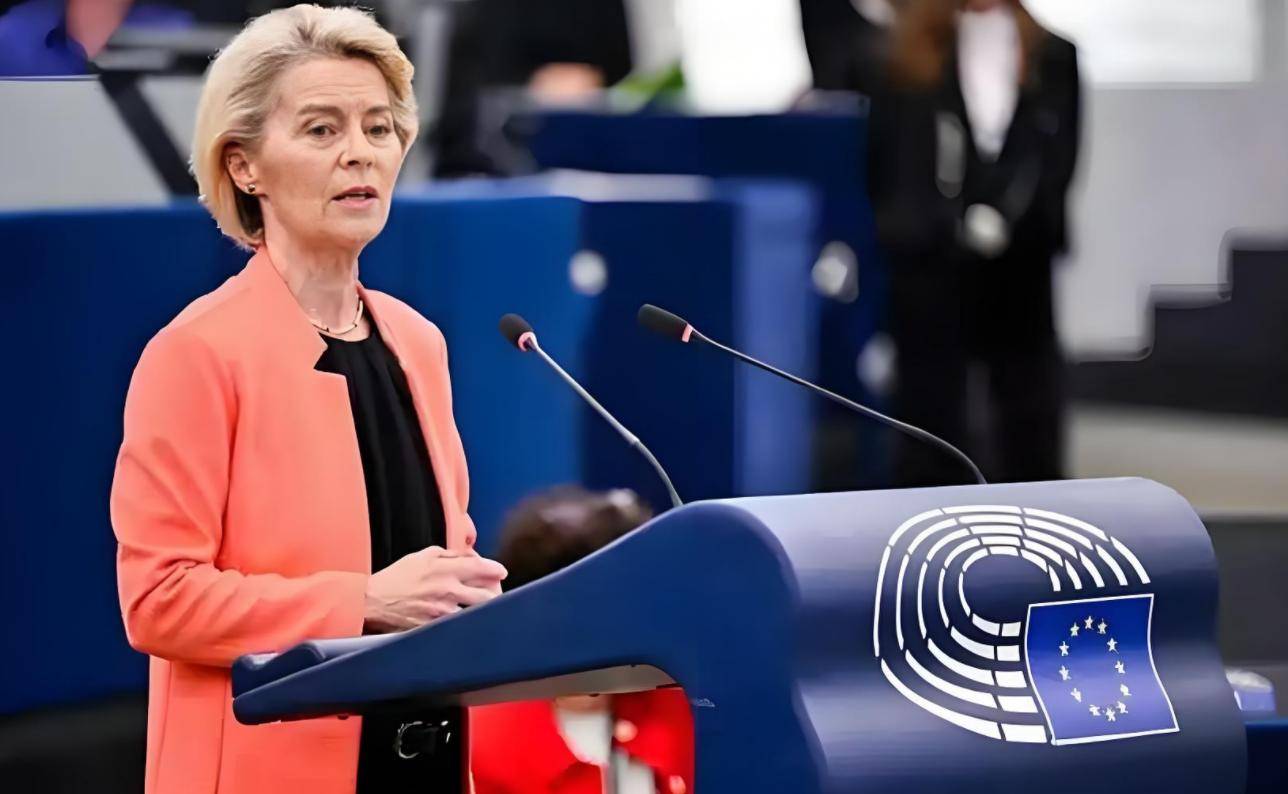
Core Insights - The UNCTAD report highlights that changes in trade policies are reshaping the global export competition landscape, particularly due to recent tariff changes in the US, which have made market access stricter and uneven [1][2] Trade Policy Changes - Tariff adjustments, regional trade agreements, and preferential programs are altering demand conditions and relative prices in domestic and international markets, significantly impacting the competitive position of countries and companies [1][2] - The report notes that the average applicable tariff in the US has increased by nearly 15 percentage points, leading to a significant expansion of tariff differences among suppliers [2][3] Impact on Export Competitiveness - Increased tariffs directly raise the cost of imported goods, leading to higher domestic prices and reduced competitiveness; for instance, US tariffs on South African wine have increased its price by approximately 17 percentage points compared to other wine-exporting countries [1][2] - Preferential programs, such as the African Growth and Opportunity Act (AGOA), provide special tariff treatment for eligible sub-Saharan African countries, enhancing their competitiveness in the US market for certain products like textiles and apparel [2][3] Geopolitical Factors - The report indicates that the escalation of global trade tensions and the rise of protectionism underscore the growing importance of geopolitical factors in future trade patterns, suggesting that trade measures may increasingly serve political objectives rather than purely economic ones [3] Opportunities in Export Trade - Changes in the trade environment are creating new export opportunities, with differentiated tariff structures leading to niche market opportunities; some developing countries may become alternative export hubs due to tariff advantages [4][5] - The restructuring of global value chains is driving regional optimization, with increased nearshoring and friend-shoring, particularly in intermediate goods trade between China and regions like ASEAN and Latin America [4][5]