
纺织业

Search documents
江苏盐城智造,何以点亮全球“灯塔”?
Xin Lang Cai Jing· 2026-01-18 14:16
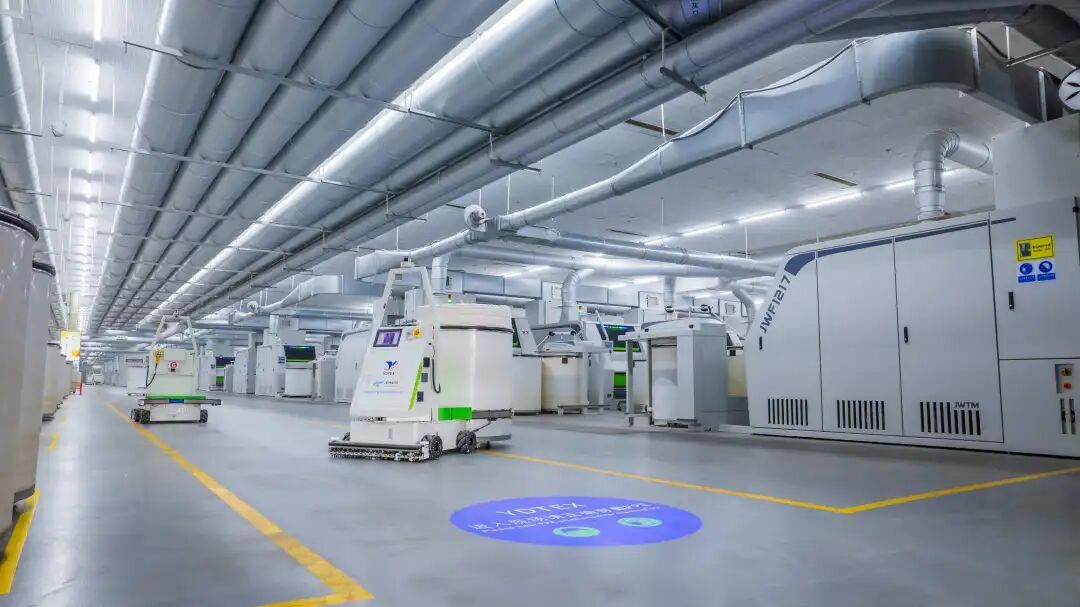
Core Insights - Yancheng has achieved a significant milestone by having two companies, Faurecia (Yancheng) Automotive Parts Systems Co., Ltd. and Jiangsu Yueda Textile Group Co., Ltd., recognized as "Lighthouse Factories" by the World Economic Forum, marking a breakthrough in China's smart manufacturing [1][4][28] - The concept of "Lighthouse Factory" originates from Germany's Industry 4.0 strategy, representing the highest level of smart manufacturing globally, with only 224 factories certified worldwide, of which 101 are in China [1][4] Group 1: Company Achievements - Jiangsu Yueda Textile, established in 2003, invested 440 million yuan to build a green smart factory, integrating the entire process from spinning to weaving and dyeing into an industrial internet platform [6][8] - Faurecia's Yancheng factory, established in 2011, has become Asia's largest automotive slide rail production base, with a daily output of 100,000 units and a market share of 32% in China [9][11] - Both companies have successfully transformed from traditional industries to leaders in smart manufacturing, demonstrating that traditional sectors can achieve significant advancements through innovation [4][11][37] Group 2: Industry Transformation - The transformation of traditional industries is challenging due to high costs and management changes, but Yancheng's approach has shown that with the right strategies, these challenges can be overcome [2][4] - Yancheng's industrial ecosystem has been strengthened through a comprehensive plan for smart transformation and digitalization, aiming to enhance the competitiveness of the entire region [16][18][21] - The local government has implemented a three-year action plan to promote smart manufacturing, focusing on both large and small enterprises, which has led to the establishment of numerous intelligent factories and industrial internet platforms [24][26][28] Group 3: Broader Implications - The recognition of Yancheng's factories as "Lighthouse Factories" is expected to boost confidence in regional smart manufacturing and encourage other companies to pursue similar transformations [33][35] - The success of these factories serves as a proof of concept for the application of artificial intelligence in manufacturing, demonstrating that innovation is not limited to developed regions [37][39] - The development of smart manufacturing is crucial for national economic strength, and the achievements of Yancheng's companies contribute to the broader goal of building a strong manufacturing nation [29][31]

“县”场周周看|两会锚定新目标,拼劲十足抓项目
Sou Hu Cai Jing· 2026-01-18 13:49
Core Viewpoint - The article emphasizes the importance of county-level economies in driving China's modernization, highlighting various counties' economic achievements and future goals in Jiangsu province [1]. Group 1: Economic Performance and Goals - Kunshan has ranked first among China's top 100 counties for 21 consecutive years, with a projected GDP of approximately 560 billion yuan by 2025, outpacing both Suzhou and the provincial average [3]. - Jiangyin aims for a GDP growth of around 5% this year, with a target of 730 billion yuan in fixed asset investment and a 4% increase in retail sales [4]. - Rugao's GDP is expected to reach nearly 170 billion yuan by 2025, with a budget revenue of 8.303 billion yuan, reflecting a growth of 3.8% [6]. - Danyang targets a GDP of over 160 billion yuan by 2025, with a growth rate exceeding the provincial average and a budget revenue of 8.418 billion yuan [6][7]. - Shuyang aims for a GDP increase of over 6% this year, with a budget revenue target of 7.4 billion yuan [9]. Group 2: Development Strategies and Initiatives - Jiangyin's government report outlines a strategy to build a regional center city focused on industrial innovation and ecological living [4]. - Rugao plans to break free from traditional county thinking and embrace competitive strategies to enhance its economic standing [6]. - Danyang's report emphasizes optimizing advantages and showcasing unique characteristics to achieve its development goals [7]. - Shuyang's strategy includes a focus on comprehensive development, aiming for a high-quality living environment and economic prosperity [9]. Group 3: Project Developments and Collaborations - Nanjing's Jiangbei New Area is set to enhance its innovation ecosystem through collaborations in smart laboratory development and digital transformation [11]. - Zhangjiagang has seen significant project advancements, including a $150 million semiconductor equipment project aimed at upgrading the local industry [11]. - New projects in Jiangyan include technological upgrades in textile manufacturing and advancements in low-altitude economy sectors [12].

福恩股份主板IPO注册生效
Bei Jing Shang Bao· 2026-01-18 02:28
Core Viewpoint - The main point of the article is that Hangzhou Fu'en Co., Ltd. has successfully registered its IPO on the Shenzhen Stock Exchange, marking a significant step in its growth as a global supplier of sustainable eco-friendly fabrics [1] Company Overview - Hangzhou Fu'en Co., Ltd. focuses on sustainable development and specializes in the research, production, and sales of eco-friendly fabrics [1] IPO Details - The IPO registration was accepted on June 24, 2025, and was approved on December 26, 2025, with the registration submitted on December 29, 2025 [1] - The company aims to raise approximately 1.25 billion yuan through this IPO [1] Fund Utilization - The funds raised will be allocated to the following projects: - Integrated project for recycled eco-friendly wool-type colored spinning fabric [1] - High-end eco-friendly recycled materials research institute [1] - Green intelligent manufacturing project [1]
印媒称印度难以复制中国专精特新小巨人企业成功模式
Xin Lang Cai Jing· 2026-01-17 07:26
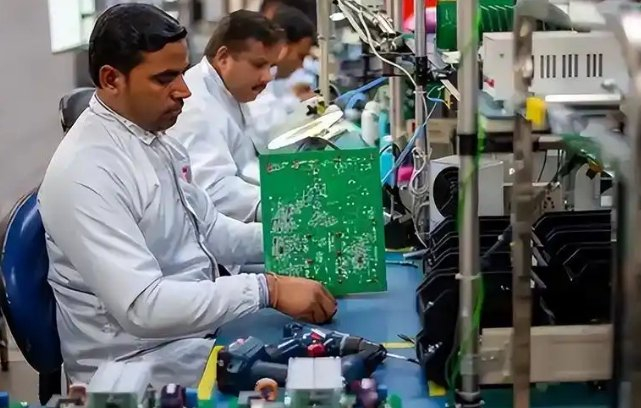
Group 1 - The core conclusion drawn by Indian media is that it is nearly impossible for Indian small and medium enterprises (SMEs) to replicate the success of Chinese "specialized and innovative small giant" companies [1] - As of 2025, China is expected to have approximately 14,600 national-level "specialized and innovative small giant" enterprises, which, despite their small size, have deep expertise in specific technical fields and possess independent patents, exporting products to dozens or even hundreds of countries [1] - In contrast, India has over 63 million MSMEs, which account for nearly 40% of the employment population, but most of these enterprises generate annual revenues of less than $100,000 and have an average lifespan of less than 7 years, with over 90% remaining in local markets [1] Group 2 - The disparity in industrial organization logic is a fundamental reason for the differences between China and India, with China implementing a "cluster-based" strategy since the 2000s, characterized by local government leadership, industrial parks, and supportive financial and technological policies [2] - China's approach involves concentrating resources in a specific area to develop a product, with government support in infrastructure, standards, and collective marketing, demonstrating strong continuity and execution over two decades [2] - Conversely, India's policies are frequently changing, with numerous fragmented MSME support programs that are complex and inefficient, leading to a lack of true industrial clusters and high logistics costs, which hampers competitiveness [2]
柬埔寨向特朗普喊话:正在减少对中国的依赖,欢迎美国派军舰访问
Sou Hu Cai Jing· 2026-01-17 06:21
Group 1 - Cambodia's Deputy Prime Minister Son Chhay stated that the country does not rely on any single nation, indicating a diplomatic balancing act between the US and China [1][9] - Cambodia's exports to the US reached $11 billion last year, accounting for one-third of its total foreign trade, while China has significantly invested in infrastructure projects [1][10] - The US military's presence in Cambodia is seen as a strategic move, with the country inviting US naval ships while also hosting vessels from Japan and Vietnam to showcase its neutrality [5][9] Group 2 - The legacy of tariffs from the Trump administration still affects Cambodia, with concerns over US customs checks prompting local garment factory owners to be cautious [3][7] - Cambodia's textile industry is heavily reliant on Chinese supply chains, with about 70% of fabric sourced from China, complicating efforts to diversify suppliers [10] - The Cambodian government aims to attract investments from the EU, Japan, and South Korea to mitigate risks, but faces challenges due to differing standards and higher costs associated with these markets [10]
众望布艺股份有限公司关于通过高新技术企业重新认定的公告
Shang Hai Zheng Quan Bao· 2026-01-16 19:47
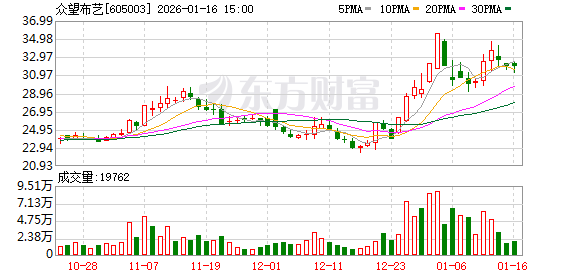
Core Viewpoint - The company, Zhongwang Fabric Co., Ltd., has been re-certified as a high-tech enterprise, allowing it to continue benefiting from tax incentives for the next three years [1] Group 1: High-Tech Enterprise Certification - Zhongwang Fabric Co., Ltd. has been included in the list of high-tech enterprises recognized by the Zhejiang Provincial Certification Authority for 2025 [1] - The re-certification certificate number is GR202533007964, issued on December 19, 2025, and is valid for three years [1] - The company will enjoy a reduced corporate income tax rate of 15% from 2025 to 2027 due to this re-certification [1] Group 2: Impact on Business Operations - The re-certification as a high-tech enterprise is not expected to have a significant impact on the company's current operating performance [1]

众望布艺:关于通过高新技术企业重新认定的公告
Zheng Quan Ri Bao· 2026-01-16 15:15
Group 1 - The company, Zhongwang Fabric, has been recognized by the Zhejiang provincial authority and included in the 2025 filing list for high-tech enterprises re-certification [2] - The company is expected to continue paying a corporate income tax at a rate of 15% from 2025 to 2027 [2]
华纺股份:公司一直致力于国际国内各市场不断开拓
Zheng Quan Ri Bao Wang· 2026-01-16 15:14
Core Viewpoint - The company is actively expanding its market presence both domestically and internationally, with a focus on the European Union, where it currently generates approximately 15% of its total revenue [1]. Group 1 - The company's business in the EU accounts for about 15% of overall revenue [1]. - The company is continuously developing its operations in various markets [1]. - Sales methods include direct sales and transactions through third-party traders, with flexibility in mutually agreed terms [1].

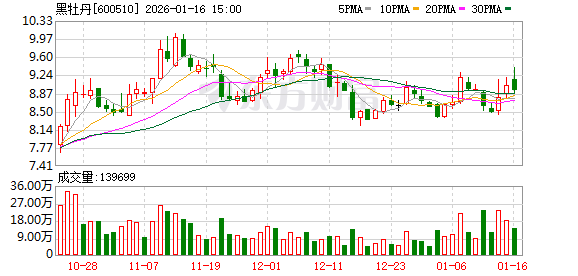
黑牡丹:直接向欧盟成员国出售产品形成的收入占比极低
Zheng Quan Ri Bao· 2026-01-16 12:15
Group 1 - The company, Heibodian, indicated that its revenue from selling products directly to EU member states is very low, based on the disclosed "2025 Semi-Annual Report" [2] - The company's textile business primarily serves denim fabric manufacturers [2]

中国新增16个“灯塔工厂”,其中7家企业来自长三角
Xin Hua Cai Jing· 2026-01-16 12:14
Core Insights - The latest selection of "Lighthouse Factories" by the World Economic Forum highlights the strong capabilities of China's manufacturing sector in digital and intelligent transformation, with 16 out of 23 selected companies being from China, representing over 60% of the total [1] Group 1: Lighthouse Factory Selection - The "Lighthouse Factory" initiative, launched by the World Economic Forum and McKinsey in 2018, recognizes top smart manufacturing capabilities [2] - From September 2025, the evaluation will include five new categories: customer-centricity, production efficiency, supply chain resilience, sustainability, and talent [2] - The 16 Chinese companies span all five categories, with the largest group being "Production Efficiency Lighthouse Factories," which includes nine companies such as EVE Energy and Michelin [2] Group 2: Regional Performance - The Yangtze River Delta region stands out with seven selected companies, including Faurecia and Midea, marking significant achievements in the textile and automotive seating sectors [3] - Jiangsu Yueda Textile became the first "Lighthouse Factory" in the global cotton spinning industry, while Faurecia achieved the same in the automotive seating sector [3] Group 3: Industry Trends - The selected companies have made significant advancements in enhancing supply chain and operational resilience, integrating AI into core production operations, and expanding digital transformation across their networks [4] - The shift from exploring technological possibilities to institutionalizing successful practices indicates a growing emphasis on resilience and sustainability in industry operations [3][4]