
风电

Search documents
万里春潮千帆竞
Xin Lang Cai Jing· 2026-02-16 02:31
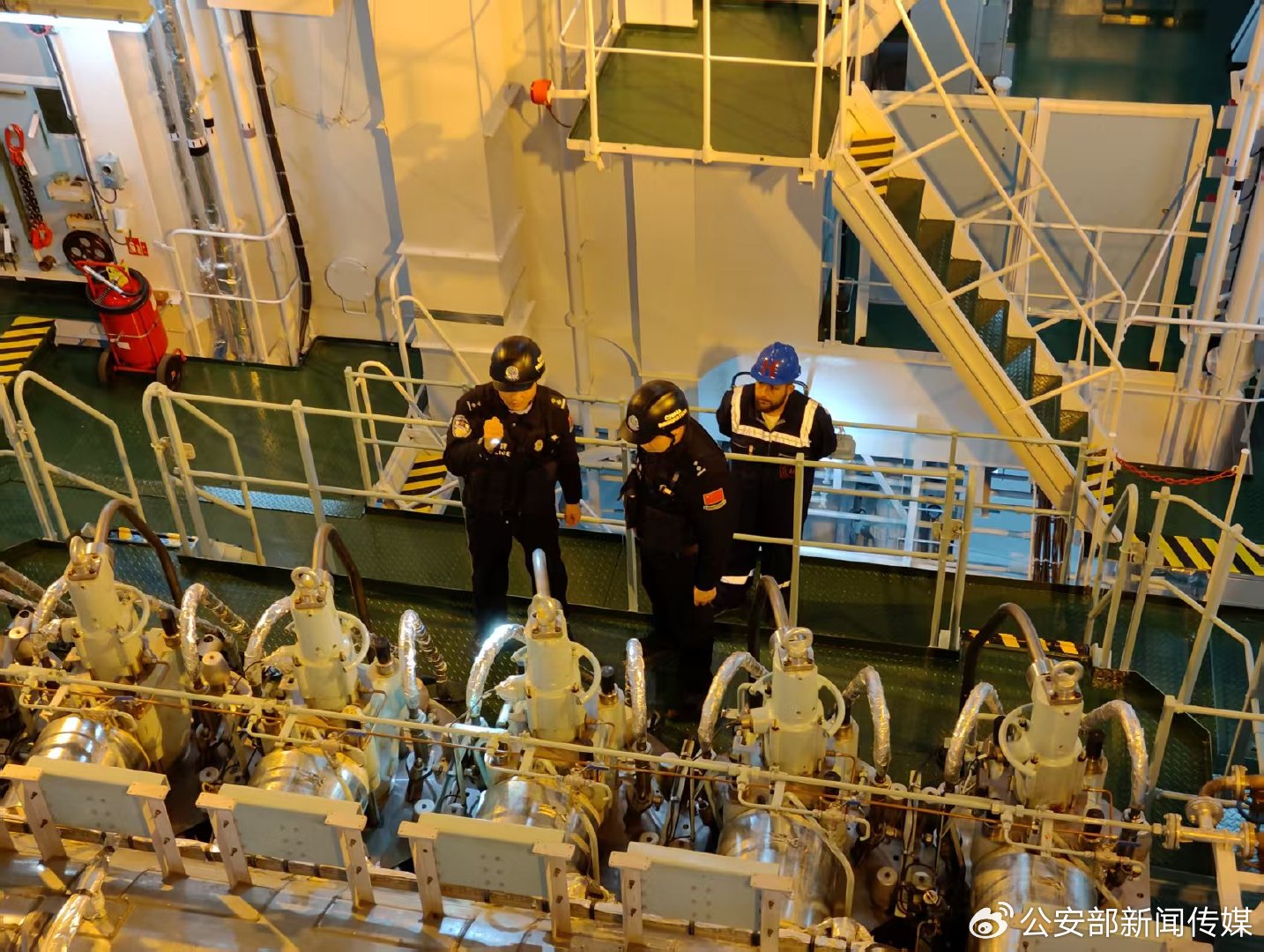
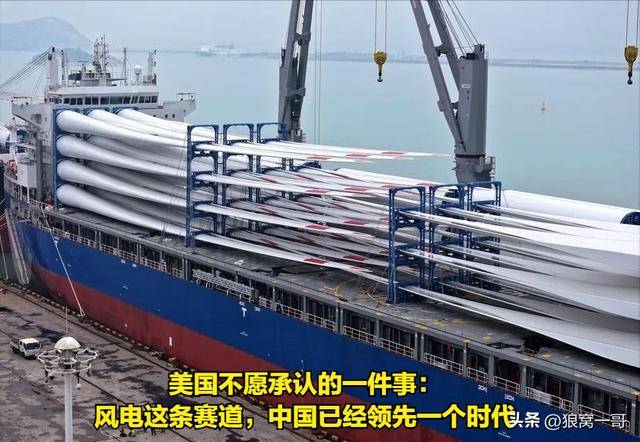
Core Viewpoint - The article highlights the busy operations at the Nantong Port, emphasizing the significant increase in the export of wind power blades, which is crucial for green energy development, and the proactive measures taken by border inspection authorities to facilitate this growth [1][4]. Group 1: Port Operations - On February 13, the Nantong Port experienced a surge in activity, with ships arriving and departing, including the Antigua and Barbuda-flagged "Lier" vessel, which was set to load 30 wind power blades for export [1]. - In the past year, the Nantong border inspection station checked 79 vessels carrying wind power blades, totaling 1,509 blades with a volume of approximately 201 million cubic meters and a value exceeding $6.37 billion, marking a year-on-year increase of 34.25% [1]. Group 2: Border Inspection Measures - The Nantong border inspection station has implemented a "one ship, one policy" approach and established a "green channel" to ensure smooth operations for vessels, thereby enhancing efficiency in the export process [4]. - During a meeting on February 10, the border inspection station committed to supporting the integration and development of the Yangtze River Delta and the Yangtze River Economic Belt, aiming to contribute to higher quality development in the region [4]. Group 3: Daily Operations and Community Engagement - Daily operations at the port include routine inspections, with officers actively engaging with foreign crew members and providing safety reminders as the Lunar New Year approaches [6]. - The Nantong border inspection station conducts thorough checks in designated areas and maintains a 24/7 service commitment to ensure safety and efficiency in port operations [6].

002531,火了!迎近240家机构调研!
证券时报· 2026-02-15 03:17
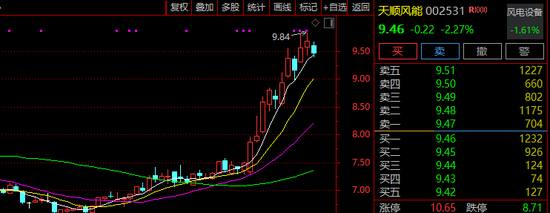
Group 1 - The article highlights that during the last week before the holiday (February 9-13), 65 A-share listed companies were surveyed by institutions, with over 60% of the surveyed stocks achieving positive returns, led by Chongde Technology with a weekly increase of 28.62% [3] - TianShun Wind Power was particularly favored by institutions, receiving attention from 237 institutional investors, focusing on its offshore wind power shipment expectations for 2026, domestic and international capacity layout, and zero-carbon business planning [5][7] - NanKun Group was cautious in its mining resource investments, participating in various precious metal mining projects while adhering to strict investment principles, emphasizing a stable production capacity and ongoing upgrades to processing equipment [9][10] Group 2 - GuoNeng RiXin received inquiries from 39 institutions regarding its strategic layout and investment in the electricity trading sector, highlighting its focus on increasing personnel and developing AI-driven trading capabilities [10][12] - DuoLi Technology engaged with 35 institutions, discussing its acquisition of a 70% stake in HanMeng Transmission to enhance its core components business for robots, aiming to leverage synergies in production and product development [13][14]


002531,火了!迎近240家机构调研!
Xin Lang Cai Jing· 2026-02-15 00:23
Group 1: Market Performance and Institutional Research - In the last week before the holiday (February 9-13), 65 A-share listed companies were surveyed by institutions, with over 60% of the surveyed stocks achieving positive returns [1][7] - Chongde Technology topped the weekly gain with a 28.62% increase, followed by Guangli Technology at 26.24%, Baichuan Co. at 24.33%, and Aidi Te at 24.12% [1][7] Group 2: TianShun Wind Power - TianShun Wind Power (002531) was highly favored by institutions, with 237 institutional investors participating in its research, focusing on the company's offshore wind power shipment expectations for 2026, domestic and international capacity layout, and zero-carbon business planning [1][3] - The company stated that due to the correlation between offshore wind power shipment volume and industry construction progress, it refrains from making shipment volume predictions [3][9] - TianShun has multiple offshore wind power production bases planned in China, including Yancheng, Jiangsu, and Guangdong, with an overseas base in Germany progressing steadily, designed for a capacity of 500,000 tons of monopiles [3][10] - The zero-carbon business is a core focus, with plans to expand scale, aiming for a grid-connected project capacity of 1.8GW by the end of 2025, and considering partial sales or REITs to enhance yield and capital turnover efficiency [3][10] Group 3: Nanmin Group - Nanmin Group was surveyed by 49 institutions, discussing its cautious approach to participating in mining resources, emphasizing a strategy of not investing in high-risk greenfield mines or projects with uncertain returns [4][11] - The company has no significant capacity bottlenecks and has invested in capacity construction, including a new factory and upgrades to processing equipment [4][11] Group 4: Guoneng Rixin - Guoneng Rixin received attention from 39 institutions regarding its strategic layout and investment in the electricity trading sector, focusing on increasing personnel in research, trading, and product development [5][12] - The company has developed an AI-driven trading model to enhance efficiency and strategy in electricity trading, aiming to create a closed-loop capability from forecasting to optimization [5][12] Group 5: Doli Technology - Doli Technology was surveyed by 35 institutions, primarily due to its acquisition of a 70% stake in Hanmeng Transmission, focusing on the core components of robotics [6][13] - The company aims to leverage synergies in manufacturing, product development, and supply chain channels to accelerate its strategic advancement in the robotics sector [6][13] - Doli Technology plans to optimize its industrial layout and expand its market coverage while being responsive to customer demand changes [6][13]
【吉刻早报】新增试点!东北环线“雪具便利行”覆盖25站
Xin Lang Cai Jing· 2026-02-15 00:04
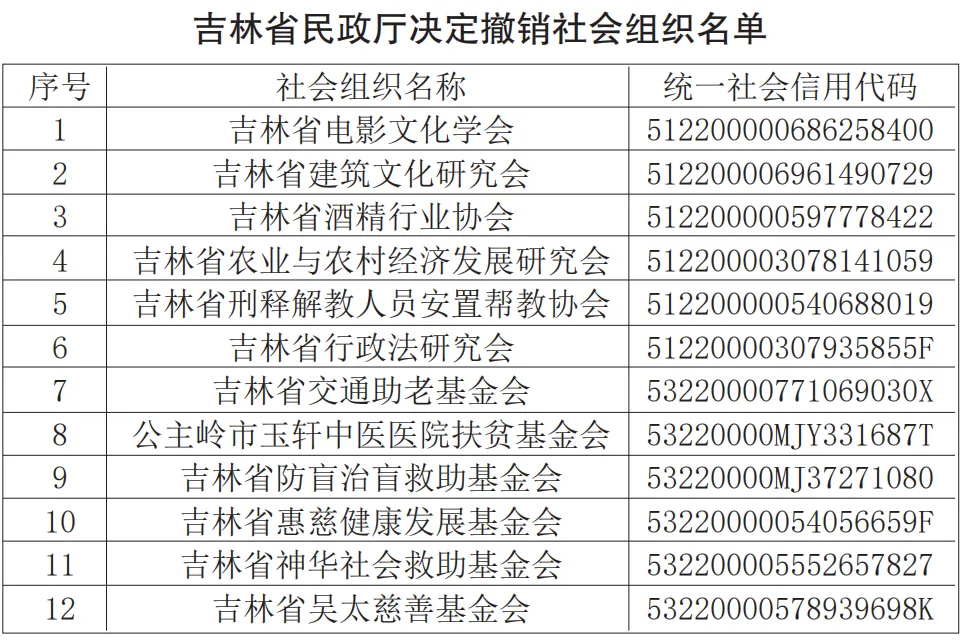
Weather - The weather forecast indicates rain mixed with snow or light snow in some areas, while other regions will be mostly sunny with occasional clouds. The highest temperatures in the eastern part will range from 3 to 5°C, while other areas will see temperatures between -4 to -2°C. The lowest temperature recorded will be -18°C in Baishan, with most areas experiencing temperatures between -15 to -10°C [1]. Announcements - On February 14, the Jilin Provincial Civil Affairs Department announced the administrative penalties for 12 social organizations, including the Jilin Film Culture Association, resulting in the revocation of their registrations [1][3]. Recruitment - Changchun University of Tourism is publicly recruiting 51 staff members, with applications accepted via email at hr@tccu.edu.cn. The recruitment is ongoing, and inquiries can be made at 0431-89811025 [3]. Events - The second National Urban Cross-Country Skiing Challenge (Changchun Station) commenced on February 14, attracting over 300 skiing enthusiasts from across the country [6]. - The "Love Theme Train" for the "Love Changchun, Cherish Changbai" ice and snow cultural experience journey was launched on February 13, with 14 pairs of newlyweds participating [5]. - The 2025 China Middle School Snowboarding Championship and the 2025 China Elementary School Snowboarding Winter Camp concluded successfully at Songhua Lake Ski Resort, with participation from nearly 1,000 students from 258 schools [7]. Financial Support - The Ministry of Finance, in collaboration with the Ministry of Agriculture and Rural Affairs, allocated 1.25 billion yuan to support 11 major winter wheat-producing provinces in promoting agricultural resilience [13].
卡位“元年”,这座一线城市“出手”了
Mei Ri Jing Ji Xin Wen· 2026-02-14 23:43
Core Insights - The establishment of the Shenzhen Leading Edge Intelligent Open Research Institute marks a significant step for Shenzhen in seizing opportunities in the edge AI industry, aligning with its goal to become an "AI Intelligent City" [1] - The Shenzhen government aims to accelerate the construction of a global AI pioneer city, targeting a growth of over 10% in the AI industry cluster's added value by 2026 [2] - The integration of edge AI technology is expected to address key challenges such as data privacy and bandwidth costs, enhancing the efficiency and security of AI applications [2][3] Group 1: Edge AI Development - The Shenzhen Leading Edge Intelligent Open Research Institute will serve as a core hub for technological breakthroughs, industrial upgrades, and ecosystem development in edge AI [1] - Shenzhen's strong manufacturing base, complete industrial chain, and robust ICT and software industry provide a competitive advantage for the development of edge AI [1][3] - By 2026, Shenzhen's AI terminal production is expected to exceed 150 million units, covering various devices such as smartphones and robots, creating substantial application scenarios for edge AI [3] Group 2: Policy and Strategic Goals - The Chinese government has set a target for AI applications to achieve over 70% penetration in six key sectors by 2027, emphasizing the importance of deep integration of AI across industries [2] - The establishment of high-standard innovation platforms, including the Leading Edge Intelligent Open Research Institute, is part of Shenzhen's "14th Five-Year Plan" to foster innovation [2] - The focus on 12 core technology directions by the new research institute aims to drive collaborative breakthroughs in key technologies related to edge AI [2]
美国不愿承认的一件事:风电这条赛道,中国已经领先一个时代
Sou Hu Cai Jing· 2026-02-14 22:46
Group 1 - The core argument is that China has significantly advanced in wind energy, surpassing many countries and establishing a robust energy infrastructure that supports its growth in renewable energy [4][6][55] - In 2024 alone, China is expected to add 76 GW of new wind power capacity, which exceeds the total capacity of many countries over decades [6] - By the end of 2025, China's cumulative wind power capacity is projected to reach approximately 640 GW, more than three times that of the United States and accounting for nearly half of the global total [8] Group 2 - China's wind energy development is characterized as a national-level project rather than isolated initiatives, with significant concentration in the "Three North" regions [13][14] - Inner Mongolia alone has a technical potential for wind power exceeding 380 GW, indicating that wind energy is a primary power source rather than a supplementary one [14] - The integration of offshore wind, solar power, and energy storage is forming a new generation of renewable energy bases along the eastern coast [14] Group 3 - China's advantages in wind energy lie not in natural conditions but in its manufacturing capabilities, deployment, and sustained expansion [21][22] - China is the global leader in wind turbine manufacturing, allowing for simultaneous installation, cost reduction, and scale expansion [23][24] - The ability to mobilize infrastructure is a decisive factor, with China excelling in large-scale construction and system integration [25][27] Group 4 - Despite its advancements, China faces challenges in wind energy utilization, particularly issues related to grid construction and energy demand not keeping pace with installation rates [33][34] - The phenomenon of "curtailment" occurs in some northern and northwestern regions, where excess power generation cannot be transmitted due to infrastructure limitations [33][34] - The energy structure includes entrenched interests that can hinder the prioritization of renewable energy sources [37] Group 5 - China's long-term energy strategy is focused on restructuring its energy base, with wind power as a critical component [42][43] - The country aims to significantly increase the share of non-fossil energy sources by 2030 and achieve carbon neutrality by 2060 [44] - The differences in institutional conditions between China and Western countries lead to underestimations of China's renewable energy capabilities [43][56]
仅凭一个西藏,便能满足中国现在与未来,所有的能源需求!
Sou Hu Cai Jing· 2026-02-14 10:06
Core Insights - The article discusses China's significant investment in the Tibet region, particularly focusing on the construction of the Yarlung Tsangpo River hydropower project, which is expected to generate substantial clean energy and transform the region's economic landscape [1][3]. Group 1: Investment and Infrastructure - The total investment for the Yarlung Tsangpo hydropower project is estimated at 1.2 trillion yuan, which translates to approximately 170 billion USD, equating to about 850 yuan per person for China's 1.4 billion population [1][3]. - The project involves constructing a series of hydropower stations with a total installed capacity of 70-80 million kilowatts, expected to generate around 300 billion kilowatt-hours of electricity annually, equivalent to the output of three Three Gorges projects [3][5]. Group 2: Resource Potential - Tibet possesses the highest technical potential for hydropower resources in China, with over 370 rivers having a hydropower capacity exceeding 10,000 kilowatts, and the Yarlung Tsangpo River's hydropower density being three times that of the Yangtze River [7][9]. - Tibet also has the richest solar energy resources in China, with annual sunshine exceeding 3,000 hours, and the highest geothermal energy potential, exemplified by the Yangbajing geothermal field [9][11]. Group 3: Energy Transmission - Since 2011, four major "power highways" have been constructed to transmit electricity from Tibet to other regions, with the upcoming ±800 kV ultra-high voltage direct current project expected to facilitate the transfer of nearly 40 billion kilowatt-hours of clean energy annually to central China [17][20]. - Future plans include the construction of over ten ultra-high voltage transmission lines by the middle of this century, aiming to export more than 500 billion kilowatt-hours of electricity annually, significantly increasing the current export capacity [21][27]. Group 4: Economic Transformation - The development of low-cost hydropower in Tibet is expected to attract high-energy industries, such as aluminum processing and data centers, to the region, creating a complete industrial chain from raw materials to end products [24][26]. - The National Energy Administration has designated Tibet as a "clean energy transmission base," aligning with China's goals for carbon neutrality and sustainable energy development [27][28].

乘势启程,奔腾不息!理财周刊-财事汇马年新春献词
Xin Lang Cai Jing· 2026-02-14 09:15
Core Insights - The article highlights the resilience and growth of China's economy in 2025, marking a significant year as it concludes the "14th Five-Year Plan" and begins the "15th Five-Year Plan" [1][2] Economic Performance - China's GDP is expected to exceed 140 trillion yuan, showcasing improvements in economic strength, technological capabilities, and overall national power [1] - The macroeconomic environment in 2025 is characterized by stability, progress, innovation, and resilience, with effective policies supporting growth, employment, and price stability [2] Consumer and Investment Trends - The consumer market is recovering, driven by strong domestic demand, with cultural and tourism sectors thriving and "Guochao" consumption becoming a key growth driver [2] - Investment structures are optimizing, with rapid growth in new infrastructure and high-end manufacturing, supported by major projects like the Tianwen-1 mission and the commissioning of advanced naval vessels [2] Technological Innovation - There is a deep integration of technological innovation and industry, with significant advancements in AI, chip development, and new business models such as humanoid robots and drones [2][4] - Emerging industries like AI, semiconductor chips, and renewable energy are gaining attention and investment, benefiting from policy support and technological breakthroughs [4][5] Capital Market Dynamics - The capital market in 2025 experienced fluctuations but also opportunities, with active trading in A-shares and significant daily transaction volumes [3][4] - Structural trends in the market show strong performance in sectors like technology, high-end manufacturing, and renewable energy, despite some short-term adjustments [4] Future Outlook - The year 2026 is anticipated to bring more opportunities and challenges, with a focus on high-quality development and long-term investment strategies [5] - Key sectors expected to thrive include technology innovation, green industries, and consumer sectors, driven by rising household wealth and consumption demand [5]
去年国内风电新增吊装容量创历史新高,海外出口表现亮眼
第一财经· 2026-02-14 06:34
Core Viewpoint - The domestic wind power market in China continues to thrive in 2025, with significant growth in installed capacity and a clear differentiation between onshore and offshore wind development [3][4]. Group 1: Installed Capacity Growth - In 2025, China added 18,272 wind turbines, resulting in a new installed capacity of 130 million kilowatts, marking a historical high with a year-on-year growth of 49.9%, significantly surpassing the 9.6% growth in 2024 [3]. - Onshore wind power remains the dominant force, contributing 125 million kilowatts, which accounts for 95.8% of the total new installations, an increase of 2.3 percentage points from 2024 [3]. - Offshore wind power saw a decline in new installations, with a capacity of 5.56 million kilowatts, down 2.3% year-on-year, representing only 4.2% of the total new capacity [3]. Group 2: Technological Advancements - The average capacity of newly installed wind turbines in 2025 reached 7,160 kilowatts, reflecting an 18.3% increase year-on-year, driven by cost control and efficiency improvements post-grid parity [4]. - Onshore wind turbines had an average capacity of 7,069 kilowatts, up 20.1%, while offshore turbines saw a slight increase to 10,054 kilowatts, entering the mature stage of 10 MW+ models [5]. Group 3: Market Concentration - The number of wind turbine manufacturers with new installations decreased from 13 to 10, with the top seven companies accounting for 91.8% of the market share, indicating a strengthening of oligopoly effects in the industry [5]. - Goldwind Technology led the market with 25.9 million kilowatts, representing 19.8% of the total, followed by other major players like Envision Energy and Mingyang Smart Energy, forming a stable first tier with a combined share of 73.4% [5]. Group 4: Export Growth - In 2025, China exported 1,175 wind turbines with a total capacity of 7.734 million kilowatts, achieving a year-on-year growth of 48.9%, setting a new historical record [6]. - By the end of 2025, the cumulative export capacity reached 28.522 million kilowatts, with significant markets in developing countries such as Vietnam and Saudi Arabia [6]. - The export market is also dominated by leading companies, with Goldwind Technology accounting for 386.2 million kilowatts, representing nearly half of the total exports [6]. Group 5: Global Market Opportunities - The global wind power market is expected to see profound changes, with a forecast of 1.06 billion kilowatts of new installations by 2030, while many regions lack the local industry capabilities to meet this demand [7]. - Chinese wind power manufacturers are becoming key suppliers in emerging markets due to their competitive advantages in cost, delivery speed, and engineering capabilities [7]. - The strategy of Chinese wind power companies is shifting from mere product exports to establishing localized production and service bases in over 20 countries, including India and Germany [7][8].




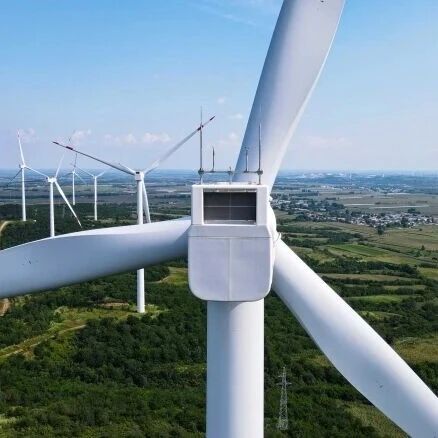
去年国内风电新增吊装容量创历史新高
Jin Rong Jie· 2026-02-14 06:00
Core Insights - The report from the China Renewable Energy Society's Wind Power Professional Committee indicates that China's wind power installation capacity reached a record high in the previous year, with 18,272 new units and an added capacity of 130 million kilowatts, representing a year-on-year growth of 49.9% [1] Summary by Category Installation Capacity - In the last year, the total new wind power installations amounted to 18,272 units, with a total added capacity of 130 million kilowatts, marking a historical peak [1] - The year-on-year growth rate of 49.9% significantly exceeds the projected 9.6% growth for 2024 [1] Onshore vs Offshore Wind Power - Onshore wind power remains the dominant force in China's wind energy growth, with an expected 125 million kilowatts of new installations in 2025, accounting for 95.8% of total new installations, an increase of 2.3 percentage points compared to 2024 [1] - Offshore wind power faced multiple barriers, resulting in a decline in new installation capacity to 5.56 million kilowatts, a year-on-year decrease of 2.3%, and its share of total new installations dropped to 4.2% [1]