家政

Search documents
商务部:下个月将出台扩大服务消费若干政策措施
Sou Hu Cai Jing· 2025-08-27 06:08
Group 1 - The 2025 Service Trade Fair will be held in Beijing from September 10 to 14, with preparations nearly complete [1] - The Ministry of Commerce plans to implement a consumption stimulus action plan, focusing on policy promotion and coordination to enhance service consumption [1] - New policies will be introduced next month to optimize service supply capabilities and stimulate new service consumption growth [1] Group 2 - The main issue in China's service consumption is the insufficient supply of high-quality services, which will be addressed through increased openness and innovation [2] - The government aims to expand service supply in key areas such as health, elderly care, and domestic services to better meet consumer demand [2] - Innovative consumption scenarios will be supported to enhance service consumption quality and variety, including new business models and seasonal promotional activities [2]
优化提升服务供给,商务部9月将出台扩大服务消费若干政策措施
Sou Hu Cai Jing· 2025-08-27 04:21
Group 1 - The core viewpoint of the articles emphasizes the Chinese government's commitment to enhancing service consumption through policy measures and initiatives aimed at stimulating demand and improving service supply capabilities [1][4]. - The Ministry of Commerce plans to introduce several policy measures next month to expand service consumption, utilizing fiscal and financial tools to optimize service supply and stimulate new consumption growth [1]. - There is a focus on increasing the supply of high-quality services by promoting openness in various sectors such as telecommunications, healthcare, and education, and including more service consumption areas in the "Encouraging Foreign Investment Industry Directory" [1][2]. Group 2 - The articles highlight the rapid growth of service consumption in China, with per capita service consumption expenditure increasing at an annual rate of 9.6% from 2020 to 2024, and projected to account for 46.1% of total per capita consumption expenditure in 2024 [4]. - The government aims to release domestic demand potential by implementing special actions to boost consumption, focusing on both goods and service consumption growth points [4]. - The inclusion of sectors like housekeeping, cultural tourism, and education training into subsidy systems is expected to alleviate consumer cost pressures and stimulate service consumption demand, thereby enhancing the service industry's supply and expanding the market [5].

如何在三四线城市赚大钱?教你10个复制策略,缺什么就复制什么
Sou Hu Cai Jing· 2025-08-25 10:40
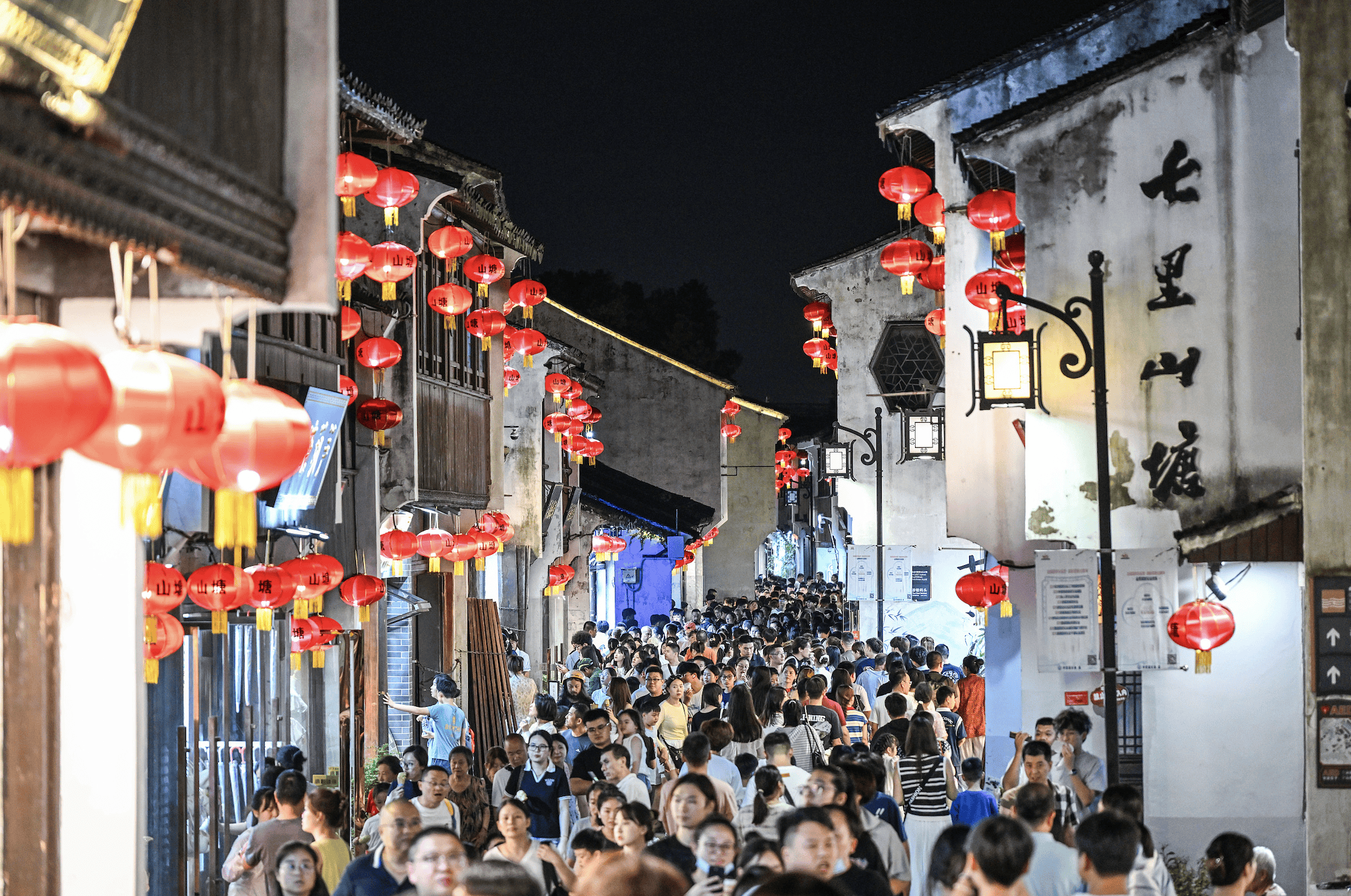
Core Insights - The article argues that third and fourth-tier cities present significant wealth opportunities that are often overlooked due to perceptions of lower consumer power compared to first and second-tier cities [1][47][50] Group 1: Investment Opportunities - Many successful business models from first and second-tier cities can be replicated in third and fourth-tier cities, where competition is lower and investment costs are reduced [5][50] - The consumer behavior in third and fourth-tier cities shows a strong tendency for "follow-the-trend" consumption, making it easier to introduce new concepts [5][50] Group 2: Replication Strategies - **Food and Beverage**: Replicating popular dining concepts from first and second-tier cities can attract young consumers in third and fourth-tier cities [8][9] - **Health and Fitness**: Establishing well-equipped gyms can fill a gap in the market, as health consciousness is rising among younger demographics [12][13] - **Retail Innovations**: Introducing modern retail formats like convenience stores and fresh supermarkets can significantly improve the shopping experience [15][16] - **Education and Training**: There is a demand for educational services, including tutoring and skill training, which remains underdeveloped in smaller cities [20][21][24] - **Entertainment and Leisure**: Creating social venues and entertainment options can cater to the lack of recreational activities in these areas [25][27] - **Marriage and Social Services**: There is a notable absence of marriage and social platforms, presenting an opportunity to introduce these services [27][28] - **Home Services**: The demand for reliable home services is high, and replicating successful models from larger cities can quickly build a customer base [32][33] - **Local Internet Business**: Leveraging e-commerce and social media marketing can help local businesses thrive in third and fourth-tier cities [35][37] - **Elderly Care**: The aging population in these cities creates a market for elder care services, which are currently lacking [39][40] - **Platform Thinking**: Transitioning from small businesses to platform-based models can yield greater financial returns [44][45] Group 3: Conclusion - The article concludes that third and fourth-tier cities are often underestimated as wealth generation areas, and the key to success lies in replicating proven business models rather than creating unique concepts [47][48][50]
老有所依|每年有2000万退休老人,银发族再就业可以做哪些行业
Di Yi Cai Jing· 2025-08-24 08:55
Group 1: Industry Trends - The retirement wave in China will see 20 million people retiring annually from 2022 to 2031, creating significant opportunities for industries to hire older workers [1][14] - Industries such as healthcare, home services, and food service are increasingly open to hiring retirees, with specific roles available for those with relevant skills [1][6][15] - The demand for home services is high, with 42% of consumers frequently hiring domestic help, indicating a robust market for elderly workers in this sector [5] Group 2: Employment Opportunities - Many retirees are finding jobs in the home service industry, with earnings around 3,000 yuan per month for part-time work, and some can earn over 10,000 yuan by working multiple jobs [3][4] - Specialized retirees, such as those with medical or cultural expertise, are being re-employed in their fields, contributing to sectors like healthcare and cultural consultancy [8][9][10] - Companies like McDonald's and Xiao Yang Sheng Jian are actively recruiting retirees, demonstrating a shift in employment practices to include older workers [6][7] Group 3: Policy and Support - The Chinese government is encouraging the creation of diverse job opportunities for older adults through initiatives aimed at supporting their social participation and employment [13][15] - The aging population is expected to lead to a more normalized elderly employment market, with projections indicating a significant increase in job opportunities for retirees in the next 10-20 years [14][15]

中经评论:加速释放服务消费潜力
Jing Ji Ri Bao· 2025-08-22 00:11
Core Insights - The summer box office in China has surpassed 10 billion yuan, with approximately 39,000 cultural and tourism consumption activities held nationwide, and the national railway expected to send 953 million passengers, indicating a booming summer cultural and tourism market [1][4] - There is a shift in consumer demand from basic needs to higher quality and diversified services, with per capita service consumption expected to account for 46.1% of total consumption in 2024, contributing 63% to the growth of consumer spending [1][4] - Retail sales related to cultural and spiritual needs have shown rapid growth, with double-digit increases in tourism consulting, transportation services, and cultural and recreational services from January to July this year [1] Industry Challenges - The development of service consumption faces structural bottlenecks, including the need for improved quality and efficiency in supply, with a lack of high-quality, reliable elderly care services and a shortage of quality housekeeping services [2] - The service sector's reliance on human interaction and experiential value makes it challenging for consumers to assess service quality and build trust, with high price barriers limiting the exploration of consumption potential [2] Recommendations for Growth - Enhancing supply quality is fundamental, focusing on the professionalization, standardization, and branding of services, encouraging innovation in service models, and utilizing digital tools to improve operational efficiency and user experience [3] - Breaking down market barriers is crucial, with ongoing reforms needed to eliminate restrictions on new service models and consumption scenarios, particularly in high-public-interest sectors like elderly care, healthcare, and education [3] - Optimizing the consumption environment is essential, with strengthened market regulation and consumer rights protection, establishing a service standard system, and improving the credit system to reward quality service providers while penalizing those who breach trust [3] Policy Focus - Recent meetings by the Central Political Bureau and the State Council have emphasized the importance of cultivating new growth points in service consumption alongside expanding goods consumption, indicating a policy focus on service consumption in the near future [4]
加速释放服务消费潜力
Jing Ji Ri Bao· 2025-08-21 22:08
Core Viewpoint - The service consumption market in China is experiencing significant growth, driven by rising income levels and a shift in consumer demand from basic needs to high-quality, diversified services [1][4]. Group 1: Market Dynamics - The summer tourism and cultural market has seen a surge, with box office revenues exceeding 10 billion yuan and approximately 39,000 cultural and tourism events held nationwide [1]. - From January to July, retail sales in sectors related to mental and cultural needs, such as travel consulting and transportation services, have maintained double-digit growth [1]. Group 2: Structural Challenges - Service consumption faces structural bottlenecks, including the need for improved quality and efficiency in supply, as well as a lack of depth in experiential products in culture, sports, and tourism [2]. - Issues such as low standardization, a shortage of professional talent, and low brand trust hinder consumer willingness to spend [2]. Group 3: Policy and Development Strategies - Enhancing supply quality is fundamental, with a focus on professionalization, standardization, and brand development in the service industry [3]. - Recent government policies, including loan interest subsidies for service industry operators, aim to support innovation in service consumption models and expand quality service supply [3]. - Breaking down market barriers through regulatory reforms is crucial for fostering new service models and consumption scenarios [3]. - Optimizing the consumption environment by strengthening market regulation and consumer rights protection is essential for boosting consumer confidence [3]. Group 4: Future Outlook - The recent emphasis from central government meetings on cultivating new growth points in service consumption indicates a policy focus on this sector moving forward [4]. - The dual approach of supply and demand, along with policy upgrades, is expected to accelerate the release of service consumption potential [4].
对八类消费服务领域实施贷款贴息|营商环境周报
2 1 Shi Ji Jing Ji Bao Dao· 2025-08-19 08:36
Group 1: Loan Subsidy Policy - The Ministry of Finance announced a loan interest subsidy policy targeting eight categories of consumer service sectors to reduce credit costs for businesses [1][2] - The subsidy applies to bank loans issued to service industry entities in sectors such as catering, health, elderly care, childcare, housekeeping, cultural entertainment, tourism, and sports, with a subsidy rate of 1 percentage point for up to one year [1][2] - Eligible businesses can receive a maximum loan amount of 1 million yuan, with a maximum subsidy of 10,000 yuan per entity [1][2] Group 2: Food Safety Management - The State Administration for Market Regulation is drafting regulations to enhance food safety management responsibilities for platform enterprises and online food sales companies [3] - The regulations require platform companies to ensure compliance with food safety management responsibilities across their branches and partners, including appointing qualified food safety personnel [3] - A dynamic management mechanism based on food safety risk prevention will be established, with regular inspections and oversight by market regulation authorities [3] Group 3: Employment Initiatives in Beijing - Beijing's municipal government has introduced measures to promote high-quality employment, including a job creation and unemployment risk assessment mechanism [4][5] - The plan emphasizes the optimization of academic disciplines and vocational education to align with employment needs, while also developing job opportunities in digital, green, and emerging economies [5] - A three-year action plan to stimulate entrepreneurship and support platform economies is also part of the initiative [5] Group 4: Foreign Investment in Sichuan - Sichuan Province has launched an action plan to stabilize foreign investment, focusing on expanding pilot programs in telecommunications, healthcare, and education [6] - The plan includes innovative overseas investment promotion strategies and support for foreign enterprises to reinvest in the region [6] - Enhanced service guarantees for foreign investors will be implemented, ensuring fair competition and tailored financial services [6] Group 5: Power Supply Services in Shanghai - State Grid Shanghai Electric Power has introduced a new service brand "FREE8.0" to improve the electricity connection process for businesses [7][8] - The service includes a contract-based approach to expedite electricity access and enhance the overall service experience throughout the business lifecycle [7][8] - Customized service packages are available to meet specific customer needs, with a dedicated team of experts providing tailored support for integrated circuit companies [8][9]
财政金融齐发力 消费贷“国补”精准促消费
Zhong Guo Qing Nian Bao· 2025-08-19 07:37
Core Viewpoint - The newly introduced interest subsidy policies aim to stimulate consumer loans and promote consumption in various sectors, particularly in services like healthcare, education, and tourism, thereby enhancing economic growth and employment opportunities [1][3]. Group 1: Policy Overview - The interest subsidy policies are the first of their kind at the central government level, targeting personal consumption loans and loans for service industry operators [1]. - The subsidy rate is set at 1 percentage point, with a maximum loan amount of 1 million yuan per entity, allowing for a maximum subsidy of 10,000 yuan [2]. - Starting from September, consumers can receive subsidies on loans used for various services, with a maximum subsidy of 500 yuan per transaction, and multiple transactions can accumulate benefits [2]. Group 2: Economic Impact - The policies are expected to significantly benefit terminal consumption and promote consumption upgrades, particularly in sectors previously underrepresented in consumption incentive policies [1][3]. - Service consumption is projected to grow rapidly, with per capita service consumption expenditure expected to reach 46.1% of total consumption by 2024, contributing 63% to the growth of overall consumer spending [3]. - The policies are designed to create a positive cycle of consumption, investment, and employment, enhancing cash flow for businesses and potentially leading to job creation [1][3]. Group 3: Financial Coordination - The policies represent a coordinated effort between fiscal and financial measures, aiming to leverage public funds to stimulate more financial resources into the consumption sector [6]. - The potential leverage effect is highlighted, where 1 yuan of subsidy could mobilize 100 yuan in loans for consumer spending [6]. - The collaboration between fiscal and financial policies is seen as a way to optimize resource allocation and enhance the effectiveness of economic strategies [6]. Group 4: Sectoral Focus - The subsidy policies specifically target eight key service sectors, including dining, health, elderly care, childcare, domestic services, cultural entertainment, tourism, and sports [2][3]. - The service sector is noted for its high employment absorption capacity, with nearly 48.8% of total employment in China being in services, indicating a strong potential for job creation through these policies [4]. Group 5: Banking Sector Implications - Commercial banks are expected to integrate these subsidy policies into their consumer finance offerings, enhancing their stability and resilience against economic cycles [8]. - The implementation of these policies will require banks to refine their risk management models, particularly for small businesses and individuals with no credit history [8].
数读中国 一组数据看服务消费潜力加速释放
Ren Min Wang· 2025-08-19 05:47
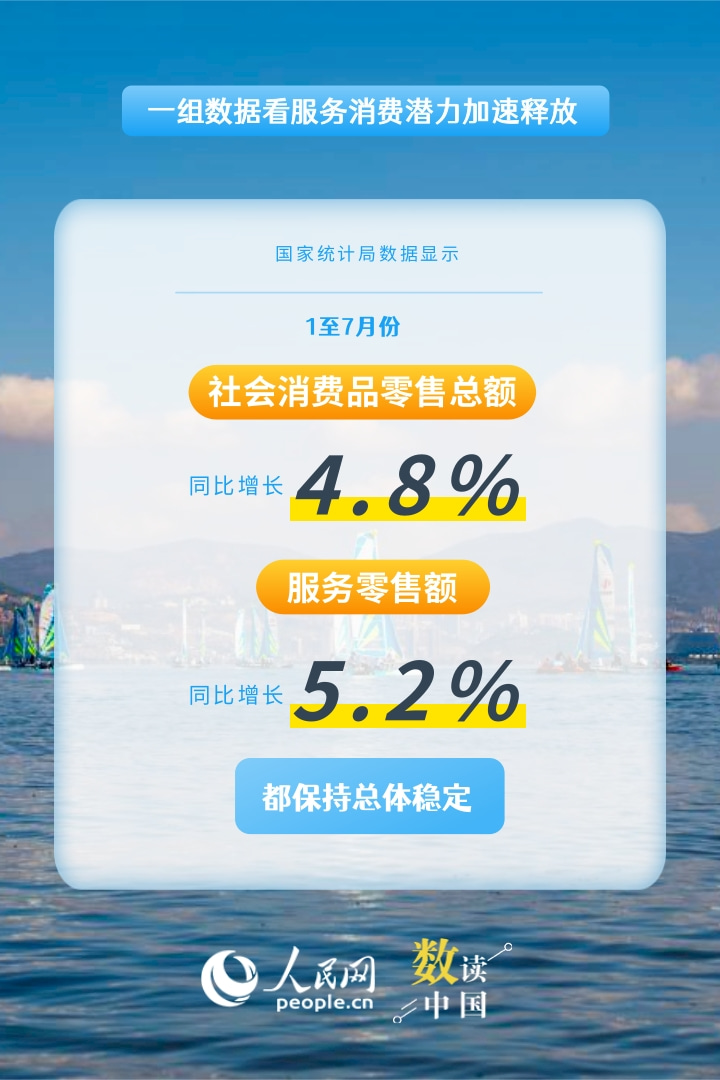
Core Viewpoint - The expansion of service consumption is crucial for both the economy and people's livelihoods, with significant potential for growth as household spending on services surpasses that on goods [1] Group 1: Service Consumption Growth - In the first seven months of the year, retail sales in tourism consulting, transportation services, and cultural and recreational services maintained double-digit growth [3][4] - Retail sales in communication and information services grew by over 10%, with an acceleration of 0.2 percentage points compared to the first half of the year [5] - From 2020 to 2024, China's service consumption has shown rapid growth, with per capita service consumption expenditure increasing by 9.46% annually [6] Group 2: Contribution to Overall Consumption - By 2024, per capita service consumption expenditure is expected to account for 46.1% of total per capita consumption expenditure [8] - The contribution rate of service consumption to the growth of household consumption expenditure is significant [9] Group 3: Employment Impact - In 2024, the service industry is projected to play a unique role in job creation, with service sector employment accounting for 3,896 million of the total workforce [11] - Employment in sectors such as resident services, catering, accommodation, and cultural entertainment has shown notable growth compared to the previous year [11] Group 4: Financial Support for Service Consumption - The People's Bank of China has established a 500 billion yuan loan for service consumption and elderly care, encouraging financial institutions to increase credit supply in the consumption sector [13] - The balance of household consumption loans, excluding personal housing loans, reached 2.2 trillion yuan [14] - The loan balance for key service consumption sectors, including accommodation, catering, cultural entertainment, education, and resident services, stands at 8 trillion yuan [15]
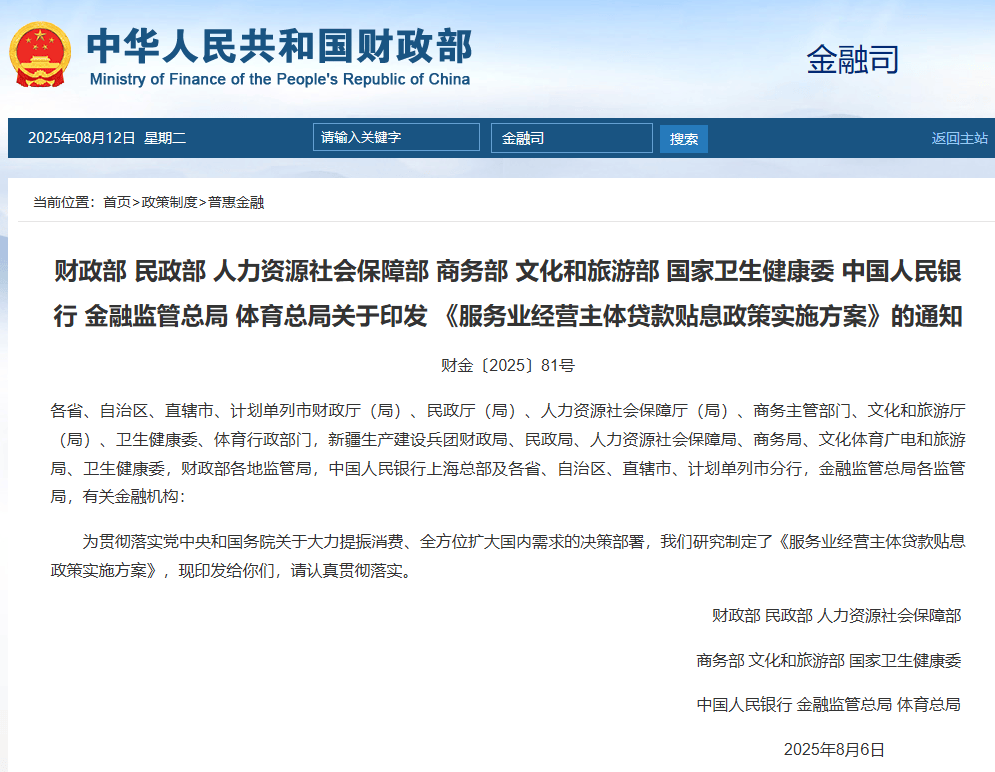
刚刚!财政部、央行等九部门,最新发布!
Zheng Quan Shi Bao Wang· 2025-08-16 10:16
Core Viewpoint - The Ministry of Finance and nine other departments have issued a policy implementation plan for interest subsidies on loans to service industry operators, aimed at boosting consumption and expanding domestic demand by reducing financing costs for service providers [4][5]. Policy Content - **Support Scope**: The policy applies to loans issued by banks to operators in eight service sectors: catering and accommodation, health, elderly care, childcare, housekeeping, cultural entertainment, tourism, and sports. Loans must be signed between March 16, 2025, and December 31, 2025, and used for improving consumption infrastructure and enhancing service supply capabilities [5]. - **Interest Subsidy Standard**: The subsidy is set at 1% per annum for a maximum of one year, with a cap of 1 million yuan per loan. The central and provincial finances will cover 90% and 10% of the subsidy, respectively [6]. - **Loan Processing Banks**: The loans will be processed by 21 national banks, including major institutions like the Industrial and Commercial Bank of China and the Agricultural Bank of China [7]. Loan Application and Approval - **Loan Application**: Eligible service operators can apply for loans at designated banks, providing necessary documentation [8]. - **Approval and Disbursement**: Banks will approve loans based on market principles and must sign contracts with operators detailing subsidy conditions and fund usage [8]. - **Regular Review**: Provincial branches of national banks will report monthly on loan issuance to relevant industry management departments for review [8]. Subsidy Process - **Subsidy Fund Application**: After the policy period, banks will apply for subsidy funds based on the loans issued [9]. - **Fund Settlement**: The Ministry of Finance will settle subsidy funds with provincial finance departments based on their applications [9]. - **Fund Distribution**: Provincial finance departments will distribute the funds to banks, which must then return the subsidy to the operators [9]. Supervision and Management - **Responsibility Assignment**: Local governments will oversee the implementation, with banks responsible for loan approvals and management [11]. - **Fund Flow Control**: Operators must ensure loan funds are used for compliant activities, and banks must adhere to strict guidelines to prevent misuse [11]. - **Accountability**: Violations of the policy will lead to penalties, and responsible parties will be held accountable [12].