
金融投资

Search documents
铂金年内飙涨113%,三大因素曝光
21世纪经济报道· 2025-12-17 14:34
Core Viewpoint - Precious metals have experienced a significant rally towards the end of the year, with platinum now joining the surge following substantial increases in gold and silver prices [1][4]. Price Performance Summary - As of December 17, silver leads the precious metals sector with a 128% increase year-to-date, followed by platinum with a 113% rise [4]. - On December 17, domestic platinum futures reached a new high, with prices hitting 527.55 yuan per gram, marking the second instance of a price limit increase since its listing [4]. - NYMEX platinum futures prices surpassed $1933 per ounce, with a year-to-date increase of 113%, second only to silver's 127% [6]. Factors Driving Platinum Price Increase - The recent surge in platinum prices is attributed to three main factors: tightening supply, awakening investment demand, and long-term growth expectations [7]. - The first phase of platinum's price increase occurred from May to July due to extreme weather, aging mines, and power restrictions in South Africa, leading to a 13% year-on-year decline in platinum group metal production [6]. - The second phase, from late August to mid-October, was driven by the Federal Reserve's interest rate cuts and geopolitical tensions, which heightened market risk aversion and boosted platinum's appeal as a safe-haven asset [6]. Future Market Outlook - The global platinum market is expected to face a shortage of 26.4 tons by 2025, despite a projected 4% decline in total demand to 244.8 tons [9]. - Factors contributing to this shortage include structural supply constraints and increased demand from the Chinese market for physical platinum [9]. - The introduction of platinum futures and options in China is expected to bolster demand, alongside European regulatory changes that may support automotive demand for platinum [10]. Analyst Perspectives - Analysts from TD Securities predict that while there may be concerns about reduced demand for automotive catalysts, strong growth in North American automotive demand could lead to significant fluctuations in platinum and palladium demand [11]. - The potential for tariffs on platinum group metals in the U.S. is considered higher than for silver, which could lead to market dynamics similar to the recent silver squeeze [11]. - In contrast, Heraeus Group expresses caution, suggesting that after significant price increases, precious metals may need to undergo a period of consolidation, with industrial demand and recession risks posing downward pressure on platinum prices [12].


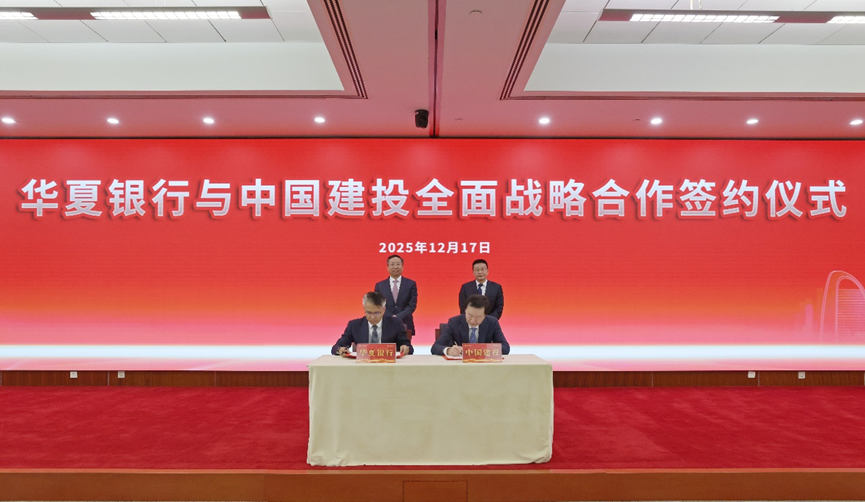
中国建投与华夏银行签署战略合作协议
Xin Lang Cai Jing· 2025-12-17 14:23
Core Viewpoint - China Jianyin Investment (China Jianyin) and Huaxia Bank signed a strategic cooperation agreement on December 17, 2023, in Beijing, aiming to deepen collaboration in various financial services and support national strategies for economic modernization [1][3][5]. Group 1: Strategic Cooperation Agreement - The strategic cooperation agreement was signed by Liu Zhihong, Chairman of China Jianyin, and Yang Shujian, Chairman of Huaxia Bank, with key executives from both organizations present [1][5]. - This agreement builds on previous collaborations in financial product investment, securities services, trust, fund distribution, and loan credit, establishing a solid foundation for future cooperation [3][7]. Group 2: Areas of Focus - The cooperation will focus on enhancing collaboration in public fund investment, service trusts, special asset disposal, investment-loan linkage, and cultural services [3][7]. - A regular communication mechanism will be established to promote the integration of cooperation from a business level to a strategic level [3][7]. Group 3: Significance and Goals - The signing of this strategic cooperation agreement is seen as a pivotal moment, aiming to expand the depth and breadth of collaboration [3][7]. - The partnership is intended to contribute to national strategies, support the real economy, build a strong financial nation, and assist in the modernization process of China [3][7].

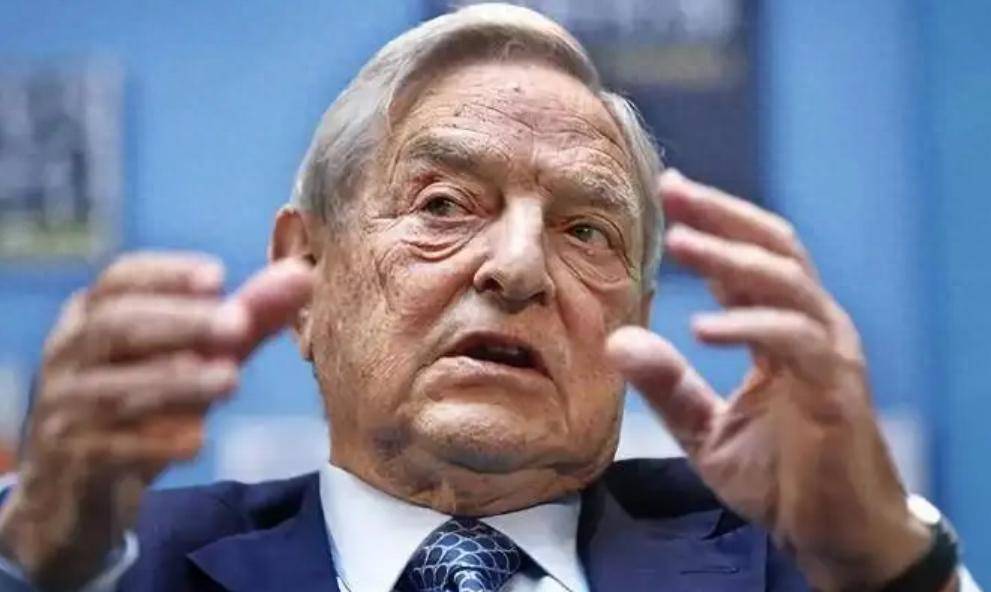
97年中美在香港的巅峰对决:国际炒家做空香港,中央绝招力挽狂澜
Sou Hu Cai Jing· 2025-12-17 09:25
Group 1 - The article discusses the financial crisis in Hong Kong during the late 1990s, highlighting the significant impact of hedge funds and speculators like George Soros on the market [1][3][5] - The crisis was triggered by the speculative actions of hedge funds, particularly Soros's Quantum Fund, which led to the devaluation of currencies in Southeast Asia and ultimately targeted Hong Kong [5][6][9] - Hong Kong's financial system, heavily reliant on foreign investment and a fixed exchange rate, faced severe challenges as the Hang Seng Index peaked at 16,497 points before the crisis unfolded [6][7] Group 2 - The Hong Kong Monetary Authority's response included emergency measures such as purchasing large amounts of Hong Kong dollars and tightening monetary policy, but these actions initially failed to stabilize the market [7][9] - With support from the central government, Hong Kong shifted from a non-interventionist policy to actively intervening in the market, successfully pushing the futures index above 7,500 points to counteract speculators [9][10] - The resolution of the crisis not only preserved Hong Kong's financial stability but also had broader implications for the Asian economic landscape, showcasing China's growing influence and ability to manage financial crises [10]
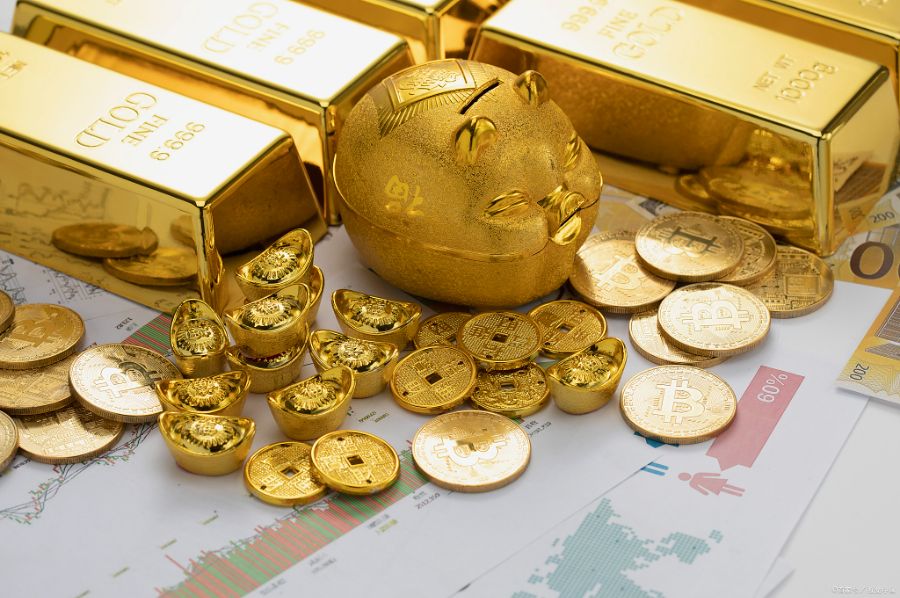
当金价冲破历史之巅:“黄金+”如何成为个人投资的“理性之锚”
2 1 Shi Ji Jing Ji Bao Dao· 2025-12-17 03:43
Core Viewpoint - The gold market in 2025 is characterized by unprecedented investor enthusiasm, with soaring international gold prices and a surge in investment gold bar sales, leading to a strategic shift towards the "Gold+" investment strategy for long-term asset allocation [1][5]. Group 1: Understanding "Gold+" - The "Gold+" strategy represents an evolution from single asset trading to diversified strategic allocation, incorporating gold-related assets as a strategic asset class to hedge risks and smooth returns [3]. - This strategy includes a mix of fixed-income assets and a certain proportion of gold ETFs, aiming to provide a comprehensive asset allocation solution rather than relying solely on gold price fluctuations [3][4]. - The World Gold Council introduced this concept in 2022 to encourage investment institutions to recognize gold's long-term strategic value, which has been rapidly adopted by mainstream financial institutions in China [3][4]. Group 2: Market Acceptance and Product Availability - As of mid-2025, approximately 45% of domestic FOF products include gold, indicating a trend among institutional investors to utilize gold as a key portfolio tool [4]. - Bank wealth management products are the primary drivers of the "Gold+" strategy's popularity, with many products having a minimum investment threshold of just 1 yuan, making it accessible for ordinary investors [4]. - The number of bank wealth management products containing "gold" in their names reached 47 by December 8, 2025, compared to only a few two years prior [4]. Group 3: Benefits of "Gold+" Strategy - The "Gold+" strategy effectively diversifies investment risks while systematically capturing medium- to long-term opportunities for gold price appreciation, aiming for more stable long-term returns [5]. - The strategy addresses common investor challenges, such as understanding gold, making timely decisions, and maintaining long-term holdings, by institutionalizing product design to mitigate behavioral pitfalls [6]. - Historical data shows that gold has achieved an annualized return of over 10% in the past 20 years, with expectations of over 5% annual returns from 2025 to 2040, providing a solid foundation for the "Gold+" strategy [6]. Group 4: Investor Guidance for "Gold+" - Ordinary investors can adopt the "Gold+" philosophy through existing products for automatic allocation, allowing them to delegate complex decision-making to professional institutions [8]. - For those with some investment knowledge, constructing a personal asset portfolio based on the "Gold+" concept is recommended, with a suggested allocation of no more than 20% of investable assets to gold and related products [8]. - Investors are advised to focus on long-term strategies rather than short-term price fluctuations, with periodic reviews of their investments to avoid anxiety-driven decisions [8].
华新精科(603370.SH)拟使用不超10亿元闲置自有资金进行委托理财
Ge Long Hui· 2025-12-16 10:29
格隆汇12月16日丨华新精科(603370.SH)公布,公司拟使用不超过人民币10.00亿元闲置自有资金进行委 托理财,投资品种为安全性高、流动性好的中低风险理财产品,资金来源为自有资金。 财经频道更多独家策划、专家专栏,免费查阅>> 责任编辑:安东 ...
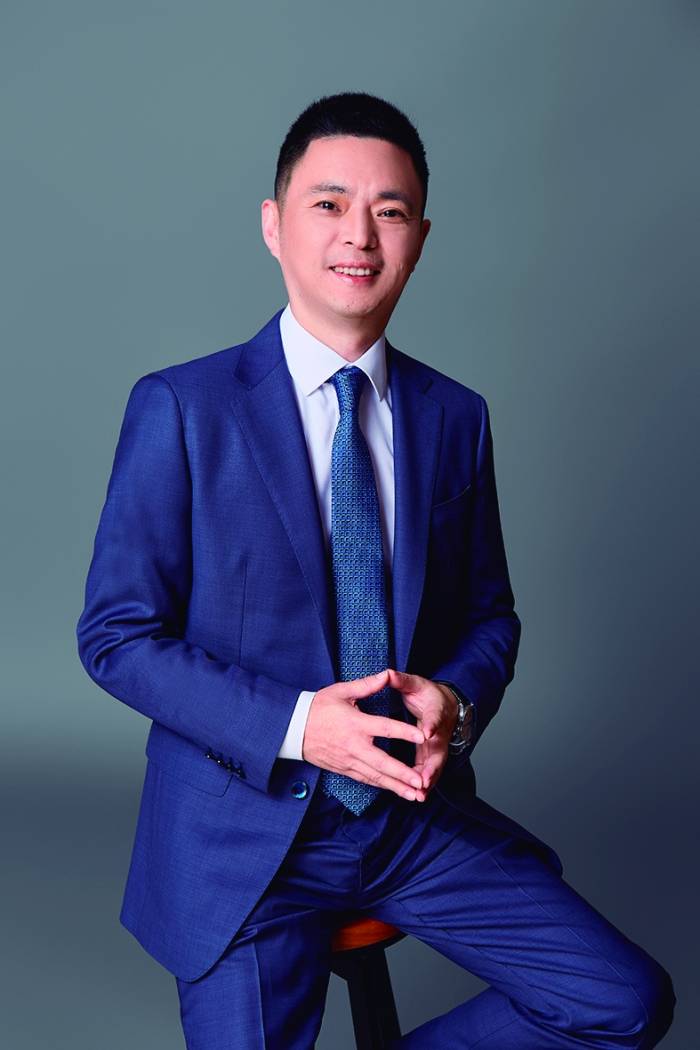
董事长专访 | 辽宁成大徐飚:减“弱”加“强”,乃以“成大”
Sou Hu Cai Jing· 2025-12-16 00:17
Core Viewpoint - Liaoning Chengda is focusing on clearing development obstacles to unleash its innovative potential, as stated by Chairman Xu Biao in a recent interview [3][4]. Financial Performance - In the first three quarters of this year, the net profit attributable to shareholders after deducting non-recurring gains and losses increased by 92.20% year-on-year, total assets grew by 2.79% compared to the beginning of the year, and the debt-to-asset ratio decreased by 1.98 percentage points [3]. - As of the end of September, the proportion of long-term loans in total liabilities increased to 14.91%, up by 7.87 percentage points from the beginning of the year, while the proportion of short-term loans decreased to 32.32%, down by 5.19 percentage points [4]. Governance and Shareholder Support - The board restructuring at the beginning of the year was not merely a change in controlling shareholders but a consensus among various shareholders, with Guangdong Min Investment holding approximately 16% of the shares [4]. - The new board and management team include professionals with risk control and investment banking backgrounds, providing solid support for the company's sustainable development [4]. Strategic Focus and Business Optimization - The company has decided to long-term suspend operations at its subsidiary Baoming Mining and will not make significant cash investments in it, focusing instead on attracting strategic investors [6]. - The company aims to improve profitability by reducing weaker business segments while continuing to invest in core industries, particularly in biopharmaceuticals [7]. Investment in Core Industries - Chengda Biopharmaceutical, a core subsidiary, is a focus area for resource integration to enhance research and market positioning [7]. - The company plans to leverage its financial strength to cultivate a second growth curve in innovative vaccines and therapeutic drugs [7][8]. Future Development Plans - Liaoning Chengda has defined its positioning as a "technology industry group based on stable financial investments," while also planning to develop new-generation information technology [9]. - A strategic investment team has been established to explore high-value technology sectors, with plans for mergers and acquisitions to strengthen industry foundations when market conditions are favorable [9].


辽宁成大徐飚:减“弱”加“强”,乃以“成大”
Shang Hai Zheng Quan Bao· 2025-12-15 19:19
Core Insights - The company reported a 92.20% year-on-year increase in net profit attributable to shareholders after deducting non-recurring items for the first three quarters of the year, alongside a 2.79% growth in total assets and a 1.98 percentage point decrease in the debt-to-asset ratio [2][3] Governance and Shareholder Support - The board restructuring at the beginning of the year was not merely a change in controlling shareholders but a consolidation of consensus among various shareholders, with Guangdong Min Investment holding approximately 16% of the company [3] - The new board and management team, appointed by Guangdong Min Investment, includes professionals with backgrounds in risk control and investment banking, providing solid support for sustainable development [3] Financial Strategy and Debt Management - The company is committed to reducing leverage, with long-term borrowings now accounting for 14.91% of total liabilities, an increase of 7.87 percentage points since the beginning of the year, while short-term borrowings have decreased to 32.32%, down 5.19 percentage points [3][4] - In November, the company issued its first exchangeable corporate bonds worth 1.8 billion, with a three-year term and a coupon rate of 0.01% [4] Strategic Focus and Operational Efficiency - The decision to suspend operations at its subsidiary Baoming Mining is part of a strategy to focus on core business areas and improve operational efficiency [5] - The company aims to enhance profitability by reducing weaker business segments while continuing to invest in core industries, particularly in biopharmaceuticals [6] Core Business Development - Chengda Biopharmaceuticals, a key subsidiary, is a focus area for resource integration and innovation, with plans to expand into innovative vaccines and therapeutic drugs [7] - The company is leveraging its financial strength to support Chengda Biopharmaceuticals in developing a second growth curve [7] Future Growth and Investment Strategy - The company has positioned itself as a technology industry group based on stable financial investments, with plans to explore new generation information technology as a second growth curve [8] - A strategic investment team has been established to focus on high-value technology sectors, with plans for gradual market entry and resource accumulation [8] Confidence in Performance Recovery - The company expresses strong confidence in its future performance recovery, anticipating that initial investments and strategies will translate into improved operational results over time [9]
收藏版干货:“企业融资”基础知识点超级汇总!
Sou Hu Cai Jing· 2025-12-13 23:35
Core Viewpoint - The potential halt of refinancing and mergers and acquisitions for entertainment companies by the China Securities Regulatory Commission (CSRC) could have a significant impact on the industry [3]. Group 1: Financing Knowledge - Equity financing involves bringing in new shareholders through capital increase, resulting in an increase in total share capital, with funds going to the company rather than existing shareholders [3]. - Project financing is specific to individual projects, such as a film or a variety show, and is settled upon project completion [3]. - Selling old shares refers to existing shareholders selling their stakes to investors, with funds going to the original shareholders rather than the company [3]. Group 2: Investment Rounds - The term "A round" and "B round" refers to the stages of external financing, with A round being the first and B round the second [4]. - Angel round investments occur at a very early stage, often when the company is just an idea or not yet registered [5]. - A round investments are made when a product prototype exists but the company is still relatively weak and may not yet be profitable [6]. - B round investments are for companies that have a clearer business model and require more funds for replication, often involving private equity (PE) funds [6][7]. Group 3: Investor Profitability - Investors aim to profit through equity appreciation driven by company growth, with institutional investors typically raising funds externally [9]. - Main revenue sources for funds include management fees (around 2% annually) and carry (typically 20% of profits upon exit) [9]. - Exit channels for investors include IPOs, mergers and acquisitions, selling shares to other investment institutions, and strategic investments [10][11]. Group 4: Investment Considerations - Investors prioritize the industry sector (or "track") as the primary determinant of investment decisions, emphasizing the importance of market conditions over individual founder qualities [12]. - The team behind a company is crucial, with a focus on the founder's sincerity and ability to communicate effectively with investors [13][14]. - The product and business model are also critical, with a preference for platform and technology companies over purely content-driven firms [16][17]. Group 5: Valuation Methods - Valuation for mature companies often uses price-to-earnings (PE) ratios, calculated as net profit multiplied by the PE multiple [19]. - In the entertainment industry, investors may prefer to pay higher prices for leading companies rather than lower prices for mid-tier firms due to the unpredictability of smaller companies' success [21]. - Valuation methods often involve benchmarking against peers to derive a final valuation based on various factors [21]. Group 6: New Third Board - The entertainment industry requires capitalization to mitigate concentrated risks, making the New Third Board a viable option if IPOs and mergers are restricted [22]. - The New Third Board is a national public market that offers transparency and regulation, beneficial for entertainment companies [22]. - It is recommended to approach the New Third Board with caution regarding market-making [22]. Group 7: Selecting Investors - Beyond capital, the brand of the investor can provide added value and resource interaction [24]. - The specific individual behind the investment is critical, with a focus on their understanding of the industry and compatibility with the company [24]. - Resources available through the investor should be clearly understood, as expectations should be realistic regarding the level of support provided [24]. Group 8: Timing and Strategy - Understanding when and how much funding to seek is essential for effective capital management [25]. - Companies should prioritize business operations over excessive focus on capital, maintaining a balance between the two [25].

聚焦新股市场:睿势(仕)国际资本2026年的金融商业战略
Sou Hu Cai Jing· 2025-12-13 17:12
Core Viewpoint - Ruishi International Capital is strategically positioning itself for growth in the global financial market, particularly focusing on the Chinese IPO market by leveraging its robust risk management system and investment expertise [1][3][5]. Group 1: Company Overview - Ruishi International Capital was established in 2005 in the British Virgin Islands and has become a benchmark for financial stability in Asia over nearly two decades [1]. - The company adheres to a development philosophy of "compliance as the foundation, technology as the enabler" [1]. Group 2: Market Challenges and Responses - The global economy faces challenges such as geopolitical tensions, trade frictions, and the ongoing impact of the COVID-19 pandemic, leading to increased market volatility and a heightened demand for risk management [3]. - Ruishi International Capital has successfully navigated market uncertainties, maintaining superior asset quality through its comprehensive risk control system and professional investment management team [3]. Group 3: Strategic Developments - On December 25, 2024, Ruishi International Capital received approval from the China Securities Regulatory Commission to become a qualified foreign institutional investor and subsequently established a subsidiary in Hong Kong, marking its entry into the Chinese IPO market [5]. - The company aims to deepen its global strategy, particularly in expanding its presence in the Chinese IPO market, capitalizing on the further opening of China's capital markets [7]. Group 4: Investment and Wealth Management Services - Ruishi International Capital focuses on identifying high-return potential assets with sustainable capital appreciation in both emerging and mature markets, supported by its professional management team [7]. - The company offers tailored wealth management services to clients, ensuring asset safety and growth, and provides diverse financing solutions to support corporate development [7].
【环球财经】伦敦股市12日下跌
Xin Hua Cai Jing· 2025-12-13 01:41
Core Viewpoint - The London stock market experienced a decline on December 12, with the FTSE 100 index closing at 9649.03 points, down 54.13 points or 0.56% from the previous trading day [1] Group 1: Stock Performance - The top five gainers in the London stock market included Burberry Group, which rose by 4.47%, Ashtead Group, which increased by 2.55%, BT Group, which went up by 2.09%, InterContinental Hotels Group, which gained 1.84%, and Fresnillo, which saw a rise of 1.61% [1] - The top five losers in the London stock market were Metrelan Energy and Metals, which fell by 4.16%, St. James's Place, which dropped by 3.59%, British American Tobacco, which decreased by 3.33%, Anglo American, which declined by 2.76%, and Weir Group, which saw a decrease of 2.72% [1] Group 2: European Market Indices - The CAC40 index in Paris closed at 8068.62 points, down 17.14 points or 0.21% from the previous trading day [1] - The DAX index in Frankfurt closed at 24186.49 points, down 108.12 points or 0.45% from the previous trading day [1]