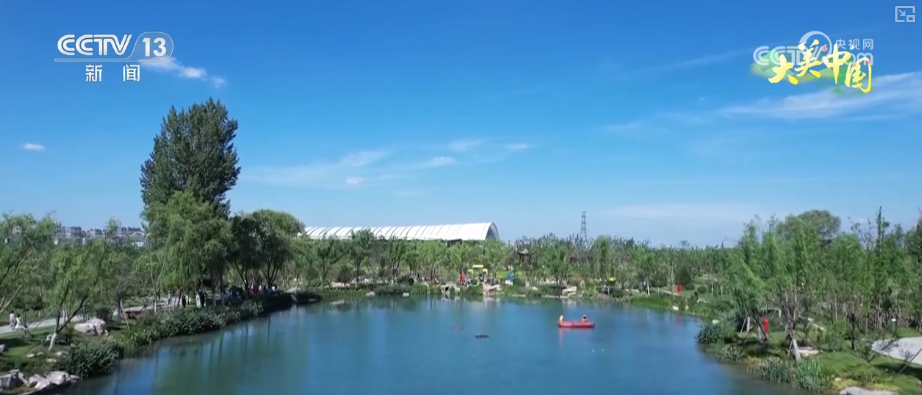
生态修复

Search documents
广东红树林面积1.14万公顷 居全国首位 近95%的红树林被纳入生态保护红线
Nan Fang Ri Bao Wang Luo Ban· 2025-07-28 08:42
Core Viewpoint - Guangdong province is recognized for its significant increase in mangrove area, now totaling 11,400 hectares, through effective ecological protection and economic development strategies [1][3]. Group 1: Ecological Protection and Restoration Efforts - Guangdong has implemented a systematic approach to protect and restore mangroves, including the establishment of local regulations and a four-tier protection system [1]. - In Zhanjiang, the first local regulation for mangrove wetland protection has been enacted, leading to the restoration of over 9,900 hectares of mangrove area [1]. - Huizhou has initiated multiple projects, resulting in the creation of 8,857 acres and the restoration of 1,965 acres of mangroves, contributing to a contiguous "marine forest" area [1]. Group 2: Conservation Areas and Legal Framework - Approximately 60% of the province's mangroves are now included in natural protected areas, with nearly 95% under ecological protection lines [2]. - The province has established three internationally important wetlands and one nationally important wetland focused on mangrove conservation [2]. Group 3: Economic Development and Community Benefits - The expansion of mangrove areas has led to the growth of eco-tourism and aquaculture industries, providing economic benefits to coastal residents [2]. - A new demonstration area in Jiangmen Taishan combines mangrove conservation with eco-tourism and aquaculture, creating a multifunctional ecological zone [2]. Group 4: Future Plans and Initiatives - The provincial forestry bureau plans to continue enhancing mangrove protection and restoration efforts, leveraging platforms like the International Mangrove Center [3].
唐山逐绿
Jing Ji Ri Bao· 2025-07-24 22:27
Group 1 - Tangshan is a resource-based city known as "Steel City" and "Coal Capital," actively promoting green development and improving construction management levels [1] - The city has implemented effective methods for mine restoration, transforming abandoned mines from "barren mountains" to "green mountains," with a total carbon storage of 15 million tons, growing at a rate of 150,000 tons per year [1] - The comprehensive water management project has led to the implementation of 80 river management projects, cleaning 79 rivers over 817 kilometers, and removing 1.32 million cubic meters of river waste, resulting in an annual economic benefit of 845 million yuan [1] Group 2 - Systematic marine ecological protection and restoration projects have improved the marine environment, with 100% of seawater quality rated as good for five consecutive years [2] - The area of restored islands and beaches has reached over 4 million square meters, with the Tangshan Bay International Tourism Island recognized as a model for beautiful bays [2] - The industrial city of Tangshan is increasingly showcasing its ecological charm through comprehensive environmental improvements [2]
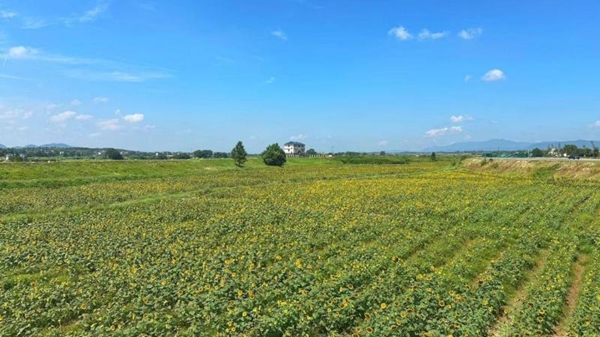
江西永丰:花海铺展十里画卷 “花经济”绽放“好钱景”
Yang Shi Wang· 2025-07-21 07:44
Core Viewpoint - The transformation of the previously neglected wetland area into a vibrant sunflower sea has not only enhanced the local ecology but also stimulated economic growth through tourism and agriculture [1][3][4]. Group 1: Ecological Transformation - The area along the Enjiang River in Yongfeng County has been transformed from a weed-infested wetland into a flourishing wetland park, attracting tourists and enhancing local biodiversity [3][4]. - The local government has focused on ecological restoration, initiating the construction of the Enjiang South Wetland Park in July 2023, emphasizing ecological protection and landscape continuity [3][4]. Group 2: Economic Impact - The sunflower variety "Salt Sun 2" has been chosen for planting due to its drought resistance and low maintenance costs, with an expected yield of approximately 200 pounds of sunflower seeds per acre, potentially generating an additional income of around 100,000 yuan for the village collective [3][4]. - The park has led to increased tourism, with local businesses reporting a doubling of revenue compared to the previous year, significantly benefiting from the influx of visitors drawn by the sunflower bloom [4]. Group 3: Tourism Development - Yongfeng County is developing a year-round tourism model centered around the "Ten-Mile Enjiang Scroll," incorporating seasonal activities such as flower viewing in spring, summer retreats, autumn fruit picking, and winter wellness [4]. - By mid-2025, the Enjiang Riverside Comprehensive Tourism Leisure Area is projected to receive approximately 7.8 million visitors, generating around 13.2 million yuan in sales [4].

甘肃张掖如何抓好祁连山生态环境整治修复?| 筑牢西部生态安全屏障来稿选登
Zhong Guo Huan Jing Bao· 2025-07-21 03:06
Core Viewpoint - Zhangye City is committed to ecological protection and restoration in the Qilian Mountains, achieving significant improvements in environmental quality through systematic measures and strong governance [1][2][4]. Group 1: Ecological Restoration Efforts - Zhangye City has completed the remediation of all 179 prominent ecological issues in the Qilian Mountain National Nature Reserve, passing provincial inspections [2]. - The city has shut down 117 mining projects and restored the ecological environment, while also regulating 36 water and hydropower projects and closing 8 hydropower stations [2]. - During the 14th Five-Year Plan period, Zhangye has completed afforestation of 2.2471 million acres, restored 9.929 million acres of degraded grassland, and achieved a forest coverage rate of 25% and a grassland vegetation coverage of 50.98% [2]. Group 2: Long-term Protection Strategies - A comprehensive ecological monitoring network has been established, enabling detailed oversight of environmental conditions through various technological means [3]. - The city is exploring new pathways for ecological value transformation, including the establishment of a carbon trading platform and a closed-loop mechanism for ecological product value conversion [3]. - Zhangye aims to enhance its ecological protection responsibilities and implement strict accountability measures for environmental damage [3]. Group 3: Green Development Initiatives - The city is focused on developing a modern seed industry, a significant energy base, and an internationally recognized tourism destination, with plans to create five billion-dollar industry clusters [3]. - Efforts are being made to develop renewable energy industries, including wind, solar, and pumped storage, with major projects already underway [3]. - Zhangye is actively promoting tourism by applying for UNESCO World Heritage status for the colorful Danxia landform and enhancing the brand influence of "Rainbow Zhangye" [3]. Group 4: Future Ecological Security - Zhangye City plans to strengthen its ecological security measures by enhancing regulatory frameworks and ensuring the sustainability of ecological restoration achievements [4]. - The city will implement comprehensive governance strategies focusing on key areas such as grassland restoration and soil conservation [4]. - A collaborative mechanism for managing the Qilian Mountain National Park will be established, promoting community involvement in ecological protection [4][5].
从“修复工程”到“生态画卷”,艺术设计如何让生态修复华丽变身?
Zhong Guo Huan Jing Bao· 2025-07-21 01:48
Core Viewpoint - The ecological restoration of plains is essential for improving local environmental quality and fulfilling people's aspirations for a better life, with aesthetic value playing a crucial role in this process [1] Group 1: Ecological and Aesthetic Integration - The integration of art and design in ecological restoration can enhance both ecological vitality and human warmth, achieving a harmonious coexistence between humans and nature [1] - The restoration of water systems in plains should address connectivity and water quality while also reconstructing spatial relationships through artistic design, transforming water systems into linear landscapes that carry ecological functions and cultural memories [2] Group 2: Water System Design - Emphasis on ecological aesthetics in waterfront spaces can be achieved through tiered and gentle sloping ecological banks, incorporating native aquatic plants to create rich and layered waterfront landscapes [2] - Seasonal water level fluctuations in plain water systems can be transformed into unique landscape experiences through flexible space design, such as creating variable water level areas in wetland restoration [3] Group 3: Agricultural Ecological Restoration - The ecological restoration of farmland should balance production functionality, ecological benefits, and aesthetic value, creating a sustainable agricultural system that integrates production, ecology, and landscape [4] - Aesthetic reconstruction of farmland patterns can be achieved by planting crops with varying colors and heights, creating visually appealing "landscape patterns" [4] Group 4: Artistic Transformation of Agricultural Facilities - Agricultural facilities such as irrigation systems can be transformed into landscape elements through artistic design, enhancing both efficiency and aesthetic appeal [5] Group 5: Lake and Village Integration - The ecological restoration of lakes should break administrative boundaries and achieve systematic integration of ecological elements through artistic design, creating harmonious overall landscapes [6] - The design of lakefront buffer zones should unify functionality and aesthetics, employing multi-layered vegetation to create a natural transition from land to water [6] Group 6: Pollution Control and Community Aesthetics - The design of river mouths entering lakes is critical for controlling pollution, utilizing tiered artificial wetlands for multi-level water purification while creating visually appealing landscapes [7] - The preservation of local village characteristics around lakes is essential, avoiding excessive commercialization and ensuring ecological functionality through careful restoration of local waterways [7]
河北 让绿水青山有颜值更有价值
Ren Min Ri Bao· 2025-07-20 21:39
Group 1 - The core idea of the article emphasizes the 20th anniversary of the "Green Mountains and Clear Water are Gold and Silver Mountains" concept, highlighting Hebei Province's efforts in integrated ecological protection and governance to enhance ecosystem diversity and sustainability [1] Group 2 - Hebei has made significant progress in ecological restoration, completing the remediation of 13,572 hectares of mining sites during the 14th Five-Year Plan, including 4,436 hectares of abandoned mines and 9,136 hectares of historical legacy mines [2] - The province is enhancing the quality of certified mining site restoration, with companies like Tangshan Jidong Cement Co., Ltd. implementing innovative ecological restoration techniques [2] - The Nandagang Wetland in Cangzhou has been restored to a natural wetland structure, improving habitat for 272 bird species, including 17 nationally protected species, thereby increasing ecosystem stability and biodiversity [2] Group 3 - Hebei is developing an "ecological protection and restoration + industry" model to expand funding channels for ecological restoration and release ecological value into agriculture, tourism, and commerce [3] - The Xiong'an New Area's Qianian Xiulin project is the first of its kind in China to explore large-scale afforestation in plain areas, generating over 40 million yuan in revenue from the sale of 156,000 seedlings [3] - Xingtai City is implementing integrated governance strategies to develop an ecological cultural and sports industry chain, attracting 54.82 million tourists in 2024, a 20.76% increase year-on-year [3] Group 4 - Hebei is enhancing the effectiveness of ecological restoration projects to promote green development and achieve carbon neutrality goals [4] - The coastal area of Caofeidian in Tangshan has restored 938 hectares of seagrass beds, significantly boosting marine biodiversity and fishery resources [4] - Chengde City is actively exploring carbon product transformation paths and has successfully completed the first cross-regional carbon trading project in the country [4] - Hebei aims to transform its natural resource advantages into green industry advantages, pursuing a sustainable development path that benefits both the environment and the economy [4]
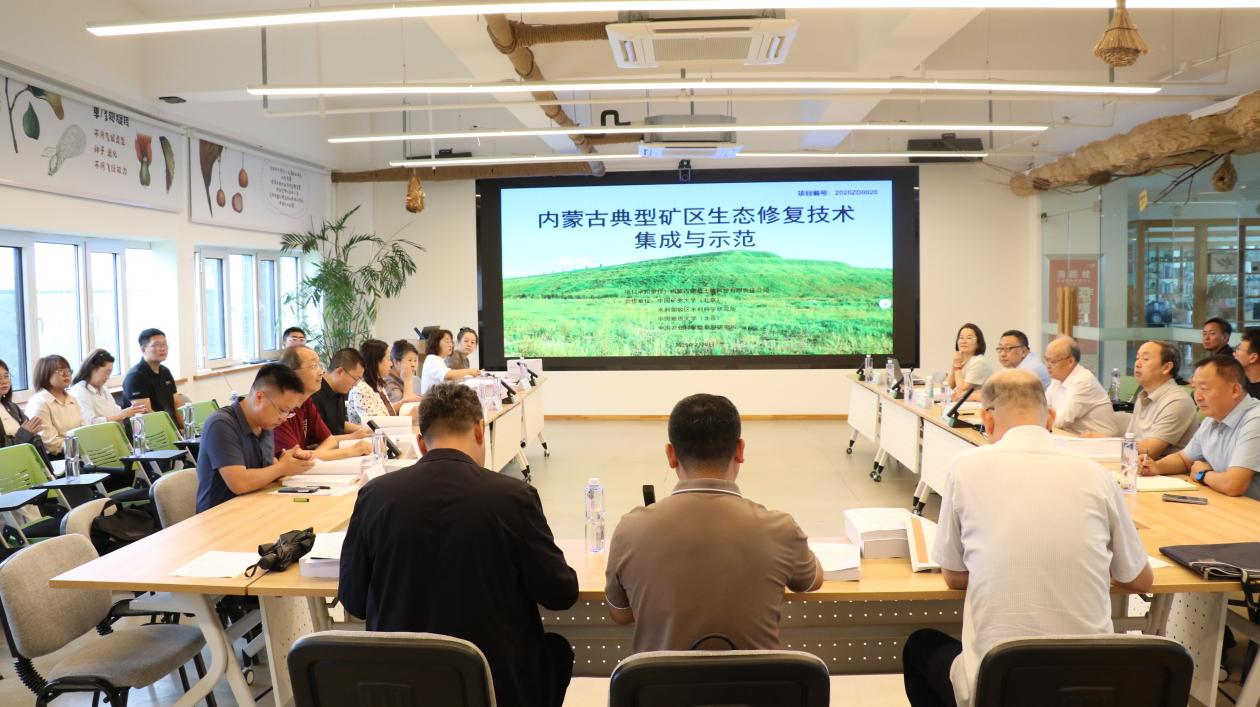
蒙草土壤科技牵头内蒙古重大科技专项通过验收,助力矿山修复提质增效
Quan Jing Wang· 2025-07-18 12:41
Core Insights - The project led by Mongolian Grass Soil Technology Company focuses on ecological restoration technology integration and demonstration in typical mining areas of Inner Mongolia, achieving successful project acceptance [1][3] Group 1: Project Overview - The project involves collaboration with several institutions, including China University of Geosciences (Beijing) and the Ministry of Water Resources, aiming to address ecological challenges in Inner Mongolia's grassland mining areas [1][3] - A comprehensive ecological big data system for grassland mining areas has been developed, providing automated, intelligent, and precise ecological restoration solutions [3] Group 2: Technical Achievements - The project has produced 12 replicable mining restoration technology models and developed 3 intelligent monitoring, simulation, and early warning technology systems [4] - It has established 4 national standards, 3 local standards, and 1 group standard, along with 10 authorized invention patents and 42 published papers [4] Group 3: Practical Applications - The technology has been widely applied in various ecological restoration projects, including Hesige Ula open-pit mine and Ulan Had open-pit mine, covering an area of 75,000 acres [4] - The ecological restoration at Hesige Ula open-pit mine has significantly improved water resource utilization and restored wildlife, creating a stable ecological community [7] Group 4: Future Directions - The company aims to enhance its focus on "local seed source assurance" and "ecological big data navigation" to contribute to the ecological security of northern regions [9]
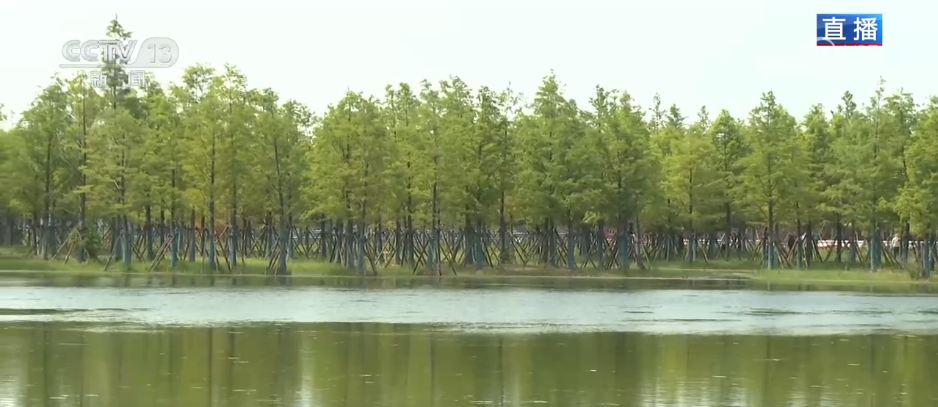
从“工业伤疤”到“城市绿肾” 这些生态“蜕变”背后藏着美丽中国的发展密码
Yang Shi Wang· 2025-07-18 08:03
Core Viewpoint - The article highlights the transformation of the former coal mining area in Huainan City, Anhui Province, into an ecological park named Chunshen Lake, showcasing efforts in urban transformation and ecological restoration [1][6]. Group 1: Ecological Restoration - Chunshen Lake Park covers over 10,000 acres and was previously a subsided area with water pollution due to coal mining activities [4]. - The park features over 40,000 trees, including bald cypress and zelkova, along with 135,000 square meters of lawn, contributing to its lush greenery [4]. - The park's design incorporates a multi-layered terraced purification system to enhance water quality and clarity, effectively filtering pollutants [11]. Group 2: Historical Context - Huainan's coal resources significantly contributed to the Yangtze River Delta and the national energy supply, with one out of every six kilowatt-hours supplied to Shanghai originating from Huainan [6]. - The area experienced severe land subsidence, with the deepest part of Chunshen Lake reaching 19 meters, indicating the extent of the subsidence [6]. Group 3: Visitor Experience - The park is designed with six distinct zones to cater to visitors of all ages, including ecological lakes, leisure fields, and urban green corridors [13]. - Features such as aerial walkways, pedestrian paths, and waterway tours allow visitors to fully appreciate the park's beauty [13]. - Interactive experiences, such as feeding deer and fruit picking, enhance visitor engagement and promote a harmonious relationship between people and nature [13].
蒙草生态(300355) - 300355蒙草生态投资者关系管理信息20250714
2025-07-14 10:16
Group 1: Company Strategies and Innovations - The company focuses on technological innovation in grass seed industry, aiming to enhance domestic production of quality forage and ecological restoration technologies [2][6] - In 2024, the company developed over 1,270 pieces of machinery for desertification prevention, enhancing efficiency in ecological restoration projects [2][4] - The establishment of 21 grass seed breeding bases and 280,000 acres of quality forage breeding bases aims to address the issue of insufficient seed supply for ecological restoration [5][6] Group 2: Financial Performance and Management - The company achieved operating cash flows of 1.699 billion CNY and 1.578 billion CNY in 2023 and 2024 respectively, marking historical highs [2][4] - In 2024, the company reported a revenue of 2.146 billion CNY, a year-on-year increase of 13.27% [15] - The net profit for 2024 is projected to be between 27 million and 40.5 million CNY, reflecting a significant decline of 83.74% to 89.16% compared to the previous year [22] Group 3: Research and Development Achievements - The company has applied for a total of 990 patents, ranking fourth among global grass seed innovation entities [12][10] - In 2024, the company invested 717 million CNY in R&D, with cumulative investments reaching 1.265 billion CNY [25] - The company has developed innovative products such as seed packs and planting cups, which are designed to improve survival rates and efficiency in ecological restoration [19] Group 4: Market Position and Competitive Advantages - The company is recognized as the first national grass industry intellectual property operation center, enhancing its competitive edge in the market [4][6] - It has established a comprehensive "protection-breeding-promotion" industry system, ensuring a stable supply of quality seeds for ecological restoration [5][6] - The company has received multiple awards for its ecological restoration projects, enhancing its brand reputation and market presence [18] Group 5: Government Policies and Industry Opportunities - The company is positioned to benefit from national strategies such as the "Three-North" project, which focuses on ecological restoration in arid and semi-arid regions [14][19] - The establishment of carbon trading mechanisms and the development of grassland carbon sinks present significant growth opportunities for the company [12][14] - The company actively engages with local governments to improve debt recovery and manage receivables effectively [16][19]

历史文化从典籍走入寻常生活 唤醒“名泉”赴一场跨越千年的生态文化之约
Yang Shi Wang· 2025-07-11 06:59
Core Viewpoint - The restoration of the Baquan Spring Group in Jinan aims to revive the unique geological landscape known as "Spring Gushing White Sand" by 2025, making it accessible for free to citizens and tourists [1][19]. Group 1: Ecological Restoration - The Baquan Spring Group has undergone systematic ecological restoration to revive its historical landscape and provide habitats for aquatic life [7][21]. - The restoration process involved high-precision geological radar to detect underground springs and accurately locate historical springs for targeted rehabilitation [19][21]. - The project includes soil remediation, the creation of shallow wetlands, and the preservation of native trees, contributing to a seasonal landscape that enhances the area's natural beauty [21]. Group 2: Cultural Integration - The Baquan Spring Group has integrated historical culture with ecological features, creating unique living scenes for the citizens of Jinan [15][23]. - The park features a children's playground, water platforms, and picnic areas, catering to various recreational needs and enhancing community engagement with the natural environment [15][21]. - The introduction of an ecological cycle agricultural system, such as rice cultivation alongside the springs, promotes sustainable practices and provides educational opportunities [12][21]. Group 3: Tourism and Community Engagement - The revitalization of the Baquan Spring Group is expected to attract tourists and enhance the quality of life for local residents, fostering a sense of community around the natural springs [1][23]. - The park's design encourages interaction with the natural landscape, allowing visitors to experience the beauty of the springs and the surrounding environment [15][23]. - The initiative aims to create a vibrant cultural and ecological hub that reflects the historical significance of the springs while promoting environmental awareness [12][19].