
数码

Search documents
商务部:家电产品每件补贴不超过1500元,数码和智能产品每件补贴不超过500元
Xin Lang Cai Jing· 2025-12-31 04:31
格隆汇12月31日|商务部公告,2026年1月1日起,按照全国统一的品类和标准,对个人消费者购买1级 能效或水效标准的冰箱、洗衣机、电视、空调、热水器、电脑6类家电产品,以及单件销售价格不超过 6000元的手机、平板、智能手表(手环)、智能眼镜4类数码和智能产品给予补贴。补贴标准为上述产 品扣除各环节优惠后最终销售价格的15%,每人每类可补贴1件,其中,家电产品每件补贴不超过1500 元,数码和智能产品每件补贴不超过500元。 ...
商务部等5部门:各地要科学制定补贴资金使用及兑付计划 减轻政策参与经营主体垫资压力
Xin Lang Cai Jing· 2025-12-31 04:29
Group 1 - The Ministry of Commerce and four other departments issued a notice regarding the implementation of subsidies for the replacement of home appliances and the purchase of digital and smart products in 2026 [1] - Local authorities are required to develop a scientific plan for the use and disbursement of subsidy funds, ensuring balanced monthly usage and smooth transitions between weeks and quarters [1] - At the provincial level, there will be a focus on coordination, with clear requirements for application materials, methods, processes, and review procedures for businesses participating in the subsidy program [1] Group 2 - The notice emphasizes risk prevention while allowing local adaptations, such as pre-allocating partial funds and rolling disbursements to simplify the funding review process [1] - The goal is to accelerate the disbursement process and reduce the financial burden on businesses participating in the subsidy program, ensuring timely completion of fund disbursement for eligible subsidies [1]
五部门发文:做好2026年家电以旧换新、数码和智能产品购新补贴工作
Xin Lang Cai Jing· 2025-12-31 04:29
商务部等5部门办公厅(室)关于做好2026年家电以旧换新、数码和智能产品购新补贴工作的通知 各省、自治区、直辖市及新疆生产建设兵团商务、发展改革、财政、市场监管、邮政主管部门: 为深入贯彻落实党中央、国务院决策部署,更好发挥消费品以旧换新政策在惠民生与促消费方面的积极 作用,把发展经济的着力点放在实体经济上,按照《国家发展改革委 财政部关于2026年实施大规模设 备更新和消费品以旧换新政策的通知》(发改环资〔2025〕1745号)要求,现就做好2026年家电以旧换 新、数码和智能产品购新补贴有关事项通知如下: 一、明确享受补贴品类、范围和标准 三、保障农村居民享受补贴政策 各地要通过增加农村地区线下经营主体、引导线上渠道向农村地区倾斜等方式,保障好农村地区居民特 别是偏远地区农村居民参与补贴政策,提高农村地区消费便利度。通过线上渠道参与补贴的平台主体, 须切实保障农村地区居民线上补贴消费需求。支持县城综合商贸服务中心、乡镇商贸中心等县域商业多 元主体参与补贴政策。鼓励大型商超、品牌专卖店、专业店等下沉农村市场的经营主体,采取流动"大 篷车"下乡、农村市集、现场展销等方式将服务网络延伸至农村偏远地区。 四、优化 ...
五部门:引导家电、手机等品牌企业健全合理的价格体系,防止出现“内卷式”竞争
Xin Lang Cai Jing· 2025-12-31 04:29
Core Viewpoint - The Ministry of Commerce and four other departments have issued a notice regarding the implementation of the 2026 appliance trade-in and digital product purchase subsidy program, emphasizing the need for enhanced departmental collaboration and supervision [1] Group 1: Subsidy Program Implementation - Local authorities are required to strengthen inter-departmental cooperation to form a supervisory force and establish a monitoring mechanism for the use and verification of subsidy funds [1] - Regions that do not comply with the relevant requirements will face measures such as written reminders and face-to-face discussions to ensure corrective actions are taken [1] Group 2: Compliance and Enforcement - Entities involved in the subsidy program that violate management safety risks, exceed policy categories and standards, or fail to upload data as required will be promptly interviewed, have their participation suspended, and may face disqualification and public notification if they do not rectify issues within a specified timeframe [1] - There will be strict legal actions against any violations related to the subsidy policy, with a focus on both administrative enforcement and criminal justice coordination [1] Group 3: Quality Control and Market Health - The notice emphasizes the need for integrated online and offline supervision, enhancing product quality inspections, and cracking down on counterfeit and substandard products [1] - The program aims to guide appliance and mobile phone brands to establish a reasonable pricing system to prevent "involution" competition and foster a healthy and sustainable industry ecosystem [1]
2026年家电以旧换新、数码和智能产品购新补贴最新安排来了
Di Yi Cai Jing· 2025-12-31 04:22
Core Viewpoint - The Ministry of Commerce and four other departments have announced a subsidy program for the replacement of old home appliances and the purchase of new digital and smart products starting January 1, 2026, aimed at boosting consumer spending and supporting the economy [1][2]. Group 1: Subsidy Details - The subsidy will apply to six categories of home appliances (refrigerators, washing machines, televisions, air conditioners, water heaters, and computers) that meet the first-level energy or water efficiency standards, as well as four categories of digital and smart products (mobile phones, tablets, smartwatches, and smart glasses) with a single sales price not exceeding 6,000 yuan [2]. - The subsidy standard will be 15% of the final sales price after discounts, with a maximum subsidy of 1,500 yuan for home appliances and 500 yuan for digital and smart products per person per category [1][2]. Group 2: Support for Retail Development - Local authorities are encouraged to implement the subsidy program effectively, leveraging both online and offline sales channels to enhance consumer experience and support physical retail development [3]. Group 3: Rural Consumer Access - Measures will be taken to ensure that rural residents, especially those in remote areas, can access the subsidy program, including increasing offline retail presence and guiding online channels to serve rural areas [4]. Group 4: Policy Implementation Optimization - Local governments are required to publish and adjust the list of participating businesses dynamically, ensuring compliance with legal standards and maintaining consumer rights [5]. - The program will support various payment methods and allow consumers to change their subsidy usage channels if necessary [5]. Group 5: Sales Regulation of Subsidized Products - Participating businesses must adhere to fair pricing practices, maintain transparency in pricing, and avoid practices such as price inflation before applying subsidies [7]. Group 6: Fund Management and Disbursement - Local authorities should develop a balanced plan for subsidy fund usage and ensure timely disbursement to alleviate financial pressure on participating businesses [8]. Group 7: Digital Monitoring and Risk Prevention - Enhanced digital monitoring systems will be established to track subsidy product information and prevent fraudulent activities, ensuring transaction integrity [9]. Group 8: Logistics and Delivery Management - Delivery companies are tasked with managing the distribution of subsidized products to prevent fraud and ensure accurate delivery information [11]. Group 9: Waste Appliance Recycling System - The program encourages the establishment of a recycling system for old appliances, promoting a one-stop service for consumers who purchase new products while returning old ones [12]. Group 10: Supervision and Compliance - A robust supervisory framework will be established to monitor compliance with subsidy regulations, with penalties for violations including disqualification from the program [13][14].
商务部消费促进司负责人解读《关于提质增效实施2026年消费品以旧换新政策的通知》
Yang Shi Wang· 2025-12-31 04:22
Group 1 - The core viewpoint of the article is the implementation of the 2026 consumer goods trade-in policy aimed at enhancing consumption, promoting high-quality supply growth, and supporting economic and social green transformation [1] Group 2 - The notification includes five parts with 13 specific measures, focusing on optimizing subsidy policies and funding support mechanisms across four key areas: automotive, home appliances, and digital products [2] - Local governments are given more autonomy to support the development of new technologies and products within the framework of the trade-in policy, encouraging the use of local matching funds [2][3] - The notification emphasizes the need for effective management and compliance to prevent fraudulent activities related to subsidies, ensuring that funds are used effectively [3] Group 3 - The policy combines benefits for the public with consumption promotion, continuing to allocate special government bond funds to support the trade-in policy, thereby stimulating market vitality [4] - The policy maintains stability while optimizing adjustments, extending subsidies to emerging fields like smart terminals while continuing support for traditional sectors [4][5] - A balance between centralized management and local flexibility is established, allowing local governments to tailor subsidy policies to their specific conditions while ensuring national standards [5]
商务部等5部门:引导家电、手机等品牌企业健全合理的价格体系 防止出现“内卷式”竞争
Ge Long Hui· 2025-12-31 04:22
格隆汇12月31日|商务部等5部门办公厅(室)印发关于做好2026年家电以旧换新、数码和智能产品购 新补贴工作的通知。通知要求,各地要加强部门协同,形成监督合力,建立补贴资金使用核销监测调度 机制。对于不符合相关要求的地区,商务部将会同有关部门采取发函提醒、当面约谈等措施,督促做好 整改落实。对存在补贴资金管理安全风险、突破补贴政策品类及标准规定、违反补贴数据上传要求或存 在其他违规行为的政策参与经营主体,各地应第一时间进行约谈,暂停政策参与资格,责令限期整改, 逾期未整改的取消政策参与资格并公开通报,追缴已发放补贴资金。依法依规严肃处理涉及补贴政策的 违法违规行为,发现一起、查处一起、曝光一起。加强行政执法与刑事司法衔接,加大对补贴政策实施 过程中涉嫌刑事犯罪的侦查打击力度,及时将相关案件线索移交司法机关追究法律责任。强化线上线下 一体化监管,加强产品质量监督抽查,严厉打击假冒伪劣等行为。引导家电、手机等品牌企业健全合理 的价格体系,防止出现"内卷式"竞争,构建健康可持续的产业生态。 ...
五部门:2026年家电产品每件补贴不超过1500元,数码和智能产品每件补贴不超过500元
财联社· 2025-12-31 04:21
商务部等5部门办公厅(室)印发关于做好2026年家电以旧换新、数码和智能产品购新补贴工作的通知。 2026年1月1日起,按照全国统一的品类和标准,对个人消费者购买1级能效或水效标准的冰箱、洗衣机、电视、空调、热水器、电脑6类家电产品, 以及单件销售价格不超过6000元的手机、平板、智能手表(手环)、智能眼镜4类数码和智能产品给予补贴。 补贴标准为上述产品扣除各环节优惠后最终销售价格的15%,每人每类可补贴1件, 其中,家电产品每件补贴不超过1500元,数码和智能 产品每件补贴不超过500元。 ...

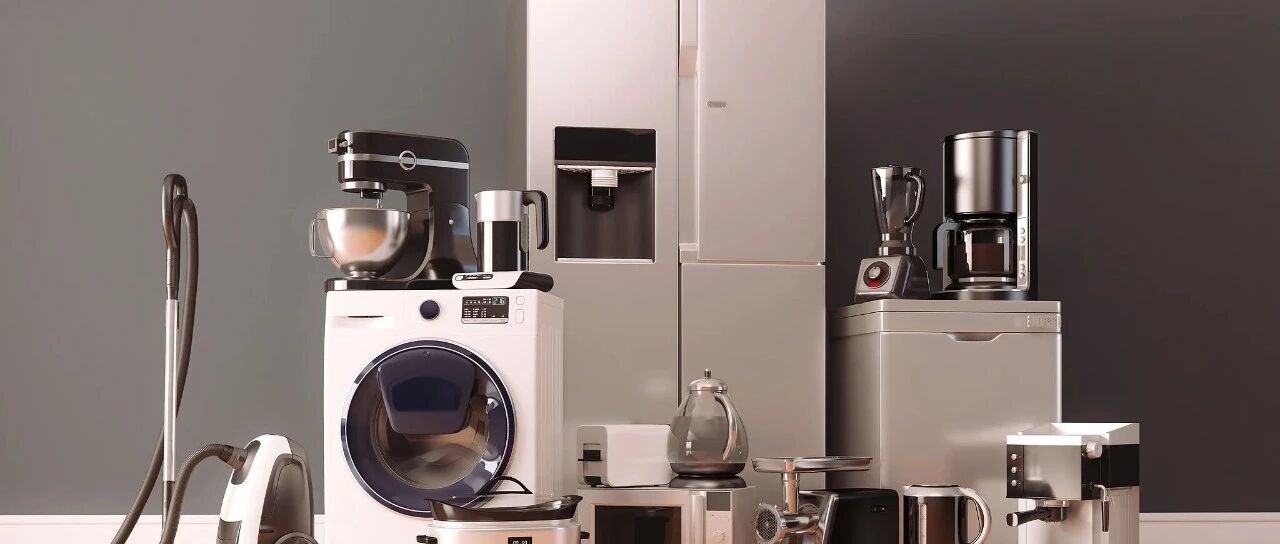
2026年家电数码产品消费补贴额公布:家电每件补贴不超过1500元
Shang Wu Bu Wang Zhan· 2025-12-31 04:19
商务部等5部门办公厅(室)关于做好2026年家电以旧换新、数码和智能产品购新补贴工作的通知 各省、自治区、直辖市及新疆生产建设兵团商务、发展改革、财政、市场监管、邮政主管部门: 为深入贯彻落实党中央、国务院决策部署,更好发挥消费品以旧换新政策在惠民生与促消费方面的积极 作用,把发展经济的着力点放在实体经济上,按照《国家发展改革委 财政部关于2026年实施大规模设 备更新和消费品以旧换新政策的通知》(发改环资〔2025〕1745号)要求,现就做好2026年家电以旧换 新、数码和智能产品购新补贴有关事项通知如下: 一、明确享受补贴品类、范围和标准 2026年1月1日起,按照全国统一的品类和标准,对个人消费者购买1级能效或水效标准的冰箱、洗衣 机、电视、空调、热水器、电脑6类家电产品,以及单件销售价格不超过6000元的手机、平板、智能手 表(手环)、智能眼镜4类数码和智能产品给予补贴。补贴标准为上述产品扣除各环节优惠后最终销售 价格的15%,每人每类可补贴1件,其中,家电产品每件补贴不超过1500元,数码和智能产品每件补贴 不超过500元。 二、支持实体零售发展 各地要做好家电以旧换新、数码和智能产品购新补贴工作组 ...
2026年家电以旧换新兼顾售新与收旧
Xin Hua Wang· 2025-12-31 04:18
通知明确,2026年1月1日起,按照全国统一的品类和标准,对个人消费者购买1级能效或水效标准的冰 箱、洗衣机、电视、空调、热水器、电脑6类家电产品,以及单件销售价格不超过6000元的手机、平 板、智能手表(手环)、智能眼镜4类数码和智能产品给予补贴。补贴标准为上述产品扣除各环节优惠 后最终销售价格的15%,每人每类可补贴1件,其中,家电产品每件补贴不超过1500元,数码和智能产 品每件补贴不超过500元。 通知提出,完善废旧家电回收体系。政策参与经营主体须具备废旧家电回收能力,兼顾家电产品售新与 收旧,主动提供送新收旧一站式服务。鼓励家电销售企业联合生产、回收企业开展以旧换新促销活动, 对消费者购新并交旧给予适当优惠。 通知还提出,保障好农村地区居民特别是偏远地区农村居民参与补贴政策,提高农村地区消费便利度。 通过线上渠道参与补贴的平台主体,须切实保障农村地区居民线上补贴消费需求。支持县城综合商贸服 务中心、乡镇商贸中心等县域商业多元主体参与补贴政策。鼓励大型商超、品牌专卖店、专业店等下沉 农村市场的经营主体,采取流动"大篷车"下乡、农村市集、现场展销等方式将服务网络延伸至农村偏远 地区。 新华社北京12月3 ...