
疫苗

Search documents
百克生物:以科技创新筑牢疫苗防线
Zheng Quan Shi Bao Wang· 2025-10-30 09:21
Core Insights - The company, Baike Biotech (688276), focuses on innovative product research and development as its primary growth driver, leveraging over 20 years of technical expertise to establish a well-structured and diverse R&D pipeline [1] - Since 2025, Baike Biotech has reported significant progress in key projects, driven by a high proportion of R&D investment, contributing to the advancement of China's vaccine industry [1] R&D Strategy - Baike Biotech has established a tiered R&D strategy centered on "upgrading, filling gaps, and breakthroughs," aiming to create a product matrix that meets the health needs of the entire population [2] - The company focuses on optimizing mature products through process innovations to enhance safety and applicability, such as the acellular DTP vaccine, which reduces adverse reaction risks compared to traditional vaccines [2] - Baike Biotech targets unmet clinical needs in China with self-developed vaccines, like the "Ganwei" varicella-zoster virus vaccine, breaking the import monopoly and aiming to increase vaccination rates [2] - The company is also pursuing cutting-edge technologies with products like HSV-2 mRNA vaccine and Alzheimer's therapeutic vaccine, aligning with the national "Healthy China" strategy [2] Development Model - To ensure steady progress in its R&D strategy, Baike Biotech has implemented a "production, R&D, and reserve" model, covering the entire chain from mature product production to cutting-edge technology reserves [3] - Core products like varicella vaccine and nasal spray flu vaccine support the company's growth, while products in clinical stages include acellular DTP vaccine and adjuvanted flu vaccines [3] - The company has built a dual innovation system of "independent R&D + collaborative win-win," enhancing its technical strength through partnerships with universities and research institutions [3] Diverse Pipeline - Baike Biotech has established a diverse R&D pipeline with 13 vaccine projects and 3 monoclonal antibodies for infectious disease prevention, supported by five core technology platforms [4] - The company has achieved breakthroughs in traditional live attenuated vaccines and is advancing in mRNA vaccines and adjuvant technologies, with its self-developed adjuvant already applied in several vaccines [4] Key Projects - The company has developed a matrix of flu vaccines, including the nasal spray flu vaccine, which is the first and only one of its kind in China, offering significant advantages over traditional injected vaccines [5][6] - The "Ganwu" nasal spray flu vaccine has been approved for production and is undergoing clinical trials to expand its application to a broader age group [6] - Baike Biotech has also developed adjuvanted flu vaccines for elderly populations, enhancing immune response and safety [6] Innovative Vaccines - The HSV-2 mRNA vaccine aims to address the public health issue of genital herpes, currently in Phase I clinical trials, with no similar products available globally [7] - The DTP-Hib combined vaccine offers a "one shot, multiple protections" advantage, reducing the number of injections required for infants while ensuring high purity and consistency [8] - The Alzheimer's therapeutic vaccine is in preclinical research, showing promising safety and immunogenicity, with potential applications for early-stage patients [9]

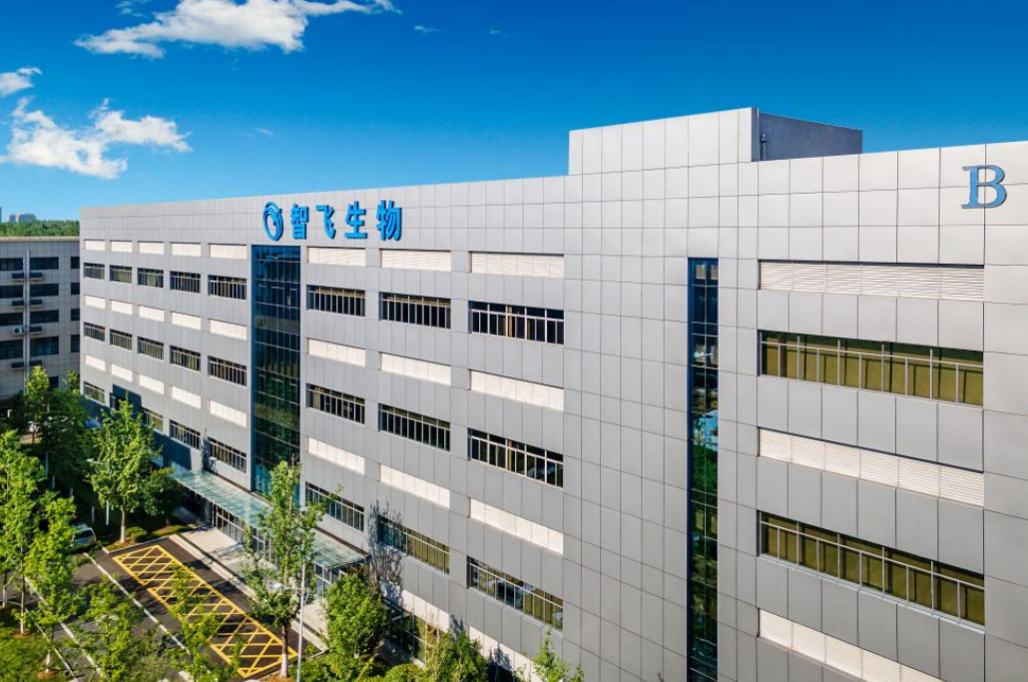
智飞生物2025年三季度营收环比增长 自研产品加速转化
Zheng Quan Shi Bao Wang· 2025-10-29 13:57
Core Viewpoint - Zhifei Biological's Q3 2025 report shows a continuous recovery in operating income, indicating a positive trend in the company's financial health and operational performance [1][3]. Financial Performance - In Q3 2025, Zhifei Biological achieved operating income of 2.705 billion yuan, a 6.29% increase from Q2, marking two consecutive quarters of positive growth [3]. - The net cash flow from operating activities reached 2.985 billion yuan, a year-on-year increase of 201.18%, maintaining positive cash flow for three consecutive reporting periods [3]. - Accounts receivable and inventory decreased by 5.21% and 9.85% year-on-year, respectively, reflecting improved operational efficiency [3]. Product Development and Market Expansion - The company is expanding its product portfolio with multiple self-developed products and has received approvals for new indications for its exclusive agency products, including the four-valent and nine-valent HPV vaccines for males [3][4]. - The restructured shingles vaccine has also been approved for new target groups, significantly increasing its market potential, especially given the high burden of shingles in China [4]. - Zhifei Biological has 34 self-developed projects, with 21 in various stages of clinical trials and regulatory submissions, indicating a robust pipeline for future growth [4][5]. Strategic Initiatives - The company is optimizing its marketing strategies and inventory turnover, contributing to a stabilization in revenue [3]. - Zhifei Biological is enhancing its integrated "prevention & treatment" approach through its subsidiary, aiming to leverage advancements in GLP-1 class drugs for weight loss and diabetes management [5]. - The company is actively pursuing global market opportunities, focusing on high-quality innovative products to expand its international presence [5][6].


康泰生物前三季度净利润同比下滑86%,能否靠治疗性疫苗成功转型?
Mei Ri Jing Ji Xin Wen· 2025-10-29 13:11
Core Viewpoint - 康泰生物's financial performance shows a slight revenue increase but a significant decline in net profit, indicating underlying challenges in the business and industry [1][2]. Financial Performance - In the first three quarters of 2025, 康泰生物 reported a revenue increase of 2.24% to 2.063 billion yuan, while net profit dropped by 86% to 49.16 million yuan [1][2]. - The third quarter alone saw a net profit of only 11.62 million yuan, a year-on-year decrease of 93.74% [2]. - The company's operating costs increased by 61.74%, amounting to an additional 206 million yuan, which contributed to the profit decline [3]. R&D and Cost Pressures - R&D expenses rose to 420 million yuan, a 34.74% increase year-on-year, accounting for 20.36% of total revenue [3]. - The company attributed the rise in R&D costs to several projects entering phase III clinical trials [3]. Asset Impairment - 康泰生物 made a total provision for credit and asset impairment of 163 million yuan, which significantly impacted net profit [3]. - The largest portion of the impairment was related to inventory write-downs, totaling 122 million yuan [3]. Strategic Decisions - 康泰生物 terminated its five-year collaboration with AstraZeneca on a COVID-19 vaccine, citing changes in the virus strains and market conditions [4][5]. - The company plans to focus on developing innovative vaccines, including multi-valent and therapeutic vaccines, as part of its strategic shift [5]. Cash Flow and International Expansion - Despite profit declines, 康泰生物's cash flow from operating activities increased by 53.45% to 362 million yuan, primarily due to improved sales collections [4]. - The company reported a significant increase in overseas revenue, which reached 41.90 million yuan, a 324.27% year-on-year growth [5]. Industry Context - The domestic vaccine market is experiencing overall demand weakness and inventory buildup, affecting major players like 智飞生物 and 万泰生物 [4]. - 康泰生物's strategic focus on innovation and international expansion aims to enhance its competitive edge in a challenging market environment [5].

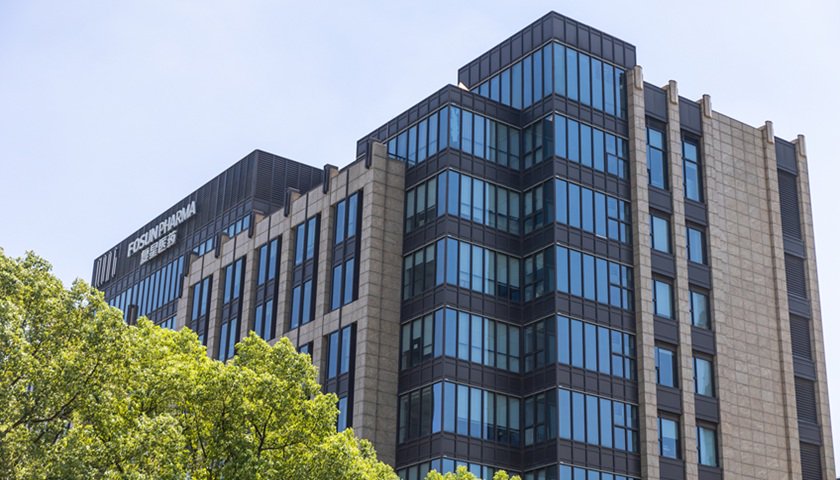
复星医药拟分拆旗下疫苗企业复星安特金赴港上市
Bei Ke Cai Jing· 2025-10-29 11:52
Core Viewpoint - Domestic biopharmaceutical companies are increasingly pursuing listings in Hong Kong, with Fosun Pharma planning to spin off its vaccine business, Fosun Antigen, for a Hong Kong listing, while maintaining control over it [1][2]. Company Summary - Fosun Antigen, established in July 2012, focuses on the research, production, and sales of human vaccines, having developed both bacterial and viral vaccine technology platforms [1]. - Fosun Pharma holds approximately 70.08% of Fosun Antigen's shares through its subsidiary, Shanghai Fosun Pharma Industry Development Co., Ltd. [1]. - Fosun Antigen has received approval for several vaccines in China, including rabies vaccines and influenza vaccines, while its 13-valent pneumococcal conjugate vaccine is in Phase III clinical trials [1]. Financial Performance - Fosun Antigen reported a revenue of 153 million yuan and a net loss of 58.45 million yuan in the first half of the year [2]. Strategic Implications - The spin-off is expected to enhance Fosun Antigen's financing channels and market competitiveness, while also allowing Fosun Pharma to deepen its presence in the vaccine sector [2]. - The trend of A-share listed pharmaceutical companies pursuing dual listings in Hong Kong is gaining momentum, driven by the need to expand overseas and attract international investors [3]. Market Context - Hong Kong's market offers diverse international investors and improved liquidity, making it an attractive option for companies like Fosun Pharma to list their subsidiaries [3]. - The successful listings of companies such as Hengrui Medicine and others have created a demonstrative effect, encouraging more firms to consider Hong Kong as a viable listing destination [3].
四次登顶中国首富,钟睒睒凭什么?
创业家· 2025-10-29 10:16
Core Insights - The article highlights the remarkable rise of Zhong Shanshan, founder of Nongfu Spring, who has become the richest person in China for the fourth time, with a wealth increase of 190 billion RMB, totaling 530 billion RMB [5][6]. Group 1: Wealth Growth and Market Position - In 2025, Nongfu Spring's high-end water series saw a year-on-year sales growth of 38%, and its tea beverage market share surpassed 25%, contributing significantly to Zhong's wealth increase [7]. - Zhong Shanshan's wealth growth is attributed to his long-term investments in the health and technology sectors, particularly through Nongfu Spring and Wantai Biological Pharmacy, which leads in the HPV vaccine market [29][30]. Group 2: Business Strategy and Marketing - Nongfu Spring differentiated itself in a competitive market by avoiding traditional celebrity endorsements and instead using emotional storytelling in its marketing campaigns, such as the famous slogan "Nongfu Spring is a bit sweet" [18][29]. - The company successfully positioned itself against major competitors like Wahaha by promoting natural water over purified water, which garnered significant media attention and public interest [20][21]. Group 3: Challenges and Resilience - In 2024, Zhong faced a public relations crisis following the death of Wahaha's founder, which led to negative media coverage and a significant drop in Nongfu Spring's stock price, resulting in a 23.4% decline for the year [23][24][25]. - Despite these challenges, Zhong's wealth rebounded in 2025, aided by a legal battle involving Wahaha that shifted public perception back in his favor [27][28]. Group 4: Long-term Vision and Innovation - Zhong's success is attributed to consistent research and development investments and a focus on essential consumer needs, establishing a strong market presence in the health sector [30][31]. - The article emphasizes that true wealth growth comes from long-term commitment to core industries and innovative breakthroughs, contrasting with the volatility seen in sectors like real estate and internet [29][31].
从“十五五”规划看医药行业未来发展机会:支持创新药和医疗器械发展,加快健康中国建设
Bank of China Securities· 2025-10-29 10:13
Investment Rating - The industry investment rating is "Outperform the Market" [1] Core Viewpoints - The report highlights significant development opportunities for the pharmaceutical industry, particularly in innovative drugs and medical devices, as outlined in the "14th Five-Year Plan" [1][3] - The government has introduced various supportive policies for innovative drugs, including expedited approval processes and inclusion in medical insurance, which are expected to enhance the growth of the sector [3][5] - The report emphasizes the importance of improving the medical insurance system and the potential for commercial insurance to supplement coverage for innovative drugs, which could create a positive feedback loop for drug payments [3][5] Summary by Relevant Sections Investment Suggestions - The report recommends focusing on opportunities related to innovative drugs and medical devices, specifically mentioning companies such as Heng Rui Medicine, Innovent Biologics, BeiGene, Mindray Medical, and United Imaging Healthcare [3] - In the vaccine sector, it suggests paying attention to Zhifei Biological Products, Kangtai Biological Products, and CanSino Biologics [3] - For medical services, it highlights potential investments in Aier Eye Hospital and Tongce Medical [3] Policy Support and Market Trends - The report notes that the government is committed to supporting the development of innovative drugs and medical devices, which are crucial for public health and the independence of the biopharmaceutical industry [5] - It mentions that the time from drug approval to inclusion in the medical insurance directory has significantly decreased, with approximately 80% of innovative drugs being included within two years of market launch [5] - The report also discusses the optimization of fertility support policies and the response to aging populations, indicating that these factors could benefit related industries, including vaccines and long-term care services [5]
复星医药想在“疫苗降价潮”中分拆疫苗子公司上市
Xin Lang Cai Jing· 2025-10-29 10:12
Core Viewpoint - Fosun Pharma plans to spin off its subsidiary Fosun Antigen for a listing on the Hong Kong Stock Exchange, aiming to enhance its financing channels and market competitiveness in the vaccine sector [1] Group 1: Company Overview - Fosun Antigen is a vaccine business platform under Fosun Pharma, currently holding a limited product line including human rabies vaccine and influenza virus split vaccine [6][7] - As of October 29, 2023, Fosun Pharma's A-share closed at 28.91 CNY per share, with a total market capitalization of 77.202 billion CNY [1] Group 2: Market Context - The vaccine industry has faced challenges, with a general trend of price reductions observed over the past two years, impacting profitability [3][4] - The procurement price for the bivalent HPV vaccine is set at 27.5 CNY per dose, which is relatively high compared to government procurement prices for other vaccines [3] Group 3: Financial Performance - Fosun Antigen's projected revenue and net profit for 2024 are 97.42 million CNY and -123 million CNY, respectively, indicating ongoing losses despite some improvement in operations [5][6] - Other vaccine companies have reported significant declines in net profits, with companies like Kangtai Biologics and Watson Bio experiencing over 90% and 60% declines, respectively [4] Group 4: Competitive Landscape - Fosun Antigen lacks a strong competitive edge in the four-valent influenza vaccine market, where other companies have established advantages [6][7] - The company’s market share in the human rabies vaccine sector is limited, ranking third with an 8.86% market share [7] Group 5: Future Prospects - The approval of the freeze-dried human rabies vaccine in March 2024 may help Fosun Antigen expand its market presence [7] - The spin-off is seen as a strategy to achieve faster operational decisions and potentially attract innovation premiums in the Hong Kong market [8]
5300亿:钟睒睒的身家是如何计算的?
3 6 Ke· 2025-10-29 08:17
Core Insights - The Hu Run Rich List was released on October 28, highlighting the wealth of various entrepreneurs, with Zhong Shanshan topping the list for the fourth consecutive time with a net worth of 530 billion RMB, marking a 56% increase [2][3]. Wealth Composition - Zhong Shanshan's wealth primarily comes from two companies: Nongfu Spring (84% ownership) and Wantai Biological Pharmacy (73.5% ownership) [4][6]. - The market capitalization of Nongfu Spring is approximately 537.8 billion RMB, while Wantai Biological is valued at around 71.138 billion RMB, contributing to Zhong's total wealth of about 504.038 billion RMB [6]. Business Model and Growth Drivers - Zhong's wealth growth is attributed to a unique business model combining high-margin beverage sales from Nongfu Spring and a strong market position in health products from Wantai Biological [10][12]. - Nongfu Spring's revenue grew by 16% in the first half of the year, while Wantai Biological's HPV vaccine segment is expected to see significant growth with the upcoming launch of a nine-valent vaccine [12][16]. Strategic Advantages - Nongfu Spring maintains high profit margins by leveraging premium water sources and a strong distribution network, keeping transportation costs below 6% of revenue [15]. - Wantai Biological benefits from a near-monopoly in the HPV vaccine market, with government procurement providing stable cash flow [16]. Second Growth Curve - The tea beverage segment, particularly the "Dongfang Shuye" brand, has seen rapid growth, with revenue reaching 5.286 billion RMB in the first half of 2023, a 59.8% increase [19][21]. - The brand has captured over 50% of the sugar-free tea market in China, showcasing its successful market positioning [21]. Long-term Vision and Challenges - Zhong's business philosophy focuses on essential consumer needs, targeting high-frequency consumption markets such as bottled water and HPV vaccines [25]. - Despite current success, challenges include market saturation in bottled water and competition in the HPV vaccine sector, necessitating continued innovation and expansion [27].

5300亿:钟睒睒的身家是如何计算的?
首席商业评论· 2025-10-29 04:07
Core Viewpoint - Zhong Shanshan's wealth, primarily derived from his beverage and vaccine businesses, demonstrates a resilient business model that effectively combines high-margin products with essential health services, allowing him to maintain a leading position in the Hurun Rich List despite market fluctuations [2][9][10]. Group 1: Wealth Composition - Zhong Shanshan's wealth is mainly sourced from two companies: Nongfu Spring (港股:9633.HK) with approximately 84% ownership and Wantai Biological Pharmacy (A股:603392.SH) with about 73.5% ownership [4][6]. - As of October 28, 2025, Nongfu Spring's market value is approximately 537.8 billion RMB, while Wantai Biological's market value is around 71.138 billion RMB, leading to a total wealth estimation of 504.038 billion RMB for Zhong [6]. Group 2: Business Model and Market Position - The combination of Nongfu Spring's high-margin beverage business and Wantai Biological's HPV vaccine market dominance creates a robust financial structure, showcasing a unique business model that is less susceptible to economic cycles [9][10]. - Nongfu Spring's revenue growth of 16% in the first half of the year, coupled with the potential of Wantai Biological's vaccine segment, forms a strong defensive and offensive wealth structure [10]. Group 3: Strategic Insights - The commercial value of "natural water" is significantly underestimated; Zhong Shanshan maintains high profit margins for bottled water by leveraging premium water sources and consumer willingness to pay for perceived quality [11][24]. - Wantai Biological's HPV vaccine, with a near-monopoly market position and high government procurement rates, ensures superior cash flow quality compared to competitors [15][18]. Group 4: Growth Potential - Wantai Biological is preparing for the launch of its nine-valent HPV vaccine, which could open a market worth hundreds of billions, further enhancing its growth prospects despite current losses [15][18]. - The tea beverage segment, particularly the "Dongfang Shuye" brand, has shown rapid growth, with a revenue increase of approximately 59.8% year-on-year in the first half of 2023, indicating a successful diversification strategy [20][22]. Group 5: Business Philosophy - Zhong Shanshan's business strategy focuses on essential consumer needs, targeting high-frequency consumption markets such as bottled water and HPV vaccines, which are characterized by strong demand [26]. - The combination of stable cash flow from Nongfu Spring and growth potential from Wantai Biological creates a balanced wealth model, allowing for strategic decision-making without external investor constraints [26].

二价HPV疫苗国家免疫规划采购来了,单支限价不超过27.5元
第一财经· 2025-10-29 02:00
Group 1 - The core viewpoint of the article highlights the inclusion of the HPV vaccine in China's national immunization program, indicating a significant step in public health policy [1] - The announcement of the centralized procurement project for the bivalent human papillomavirus vaccine has a budget of approximately 425 million yuan, with a total quantity of 15.4465 million doses [1] - The maximum price per dose is set at no more than 27.5 yuan, which reflects the government's effort to make the vaccine more accessible [1]
