科技创新

Search documents
杨浦 百家企业赴复兴岛考察
Jie Fang Ri Bao· 2025-11-09 02:33
Core Insights - The eighth China International Import Expo featured a promotional event for the Fuxing Island Innovation and Entrepreneurship Cluster, marking a significant transition from "strategic blank" to "innovation highland" [1] - Nearly 20 domestic and foreign companies signed strategic cooperation agreements with Yangpu District, covering key areas such as financial empowerment, scientific research and development, professional services, international cooperation, and urban development [1] - The event attracted various innovation and entrepreneurship incubators, emerging incubation institutions, and leading enterprises, indicating a strong interest in the development of the "International Innovation and Entrepreneurship Island" [1] Group 1 - The Fuxing Island is set to officially launch its construction as an "International Innovation and Entrepreneurship Island" [1] - During the expo, nearly 100 domestic and foreign companies conducted research, inspections, and exchanges on the island [1] - The strategic cooperation agreements signed encompass critical sectors that are essential for fostering innovation and collaboration [1]
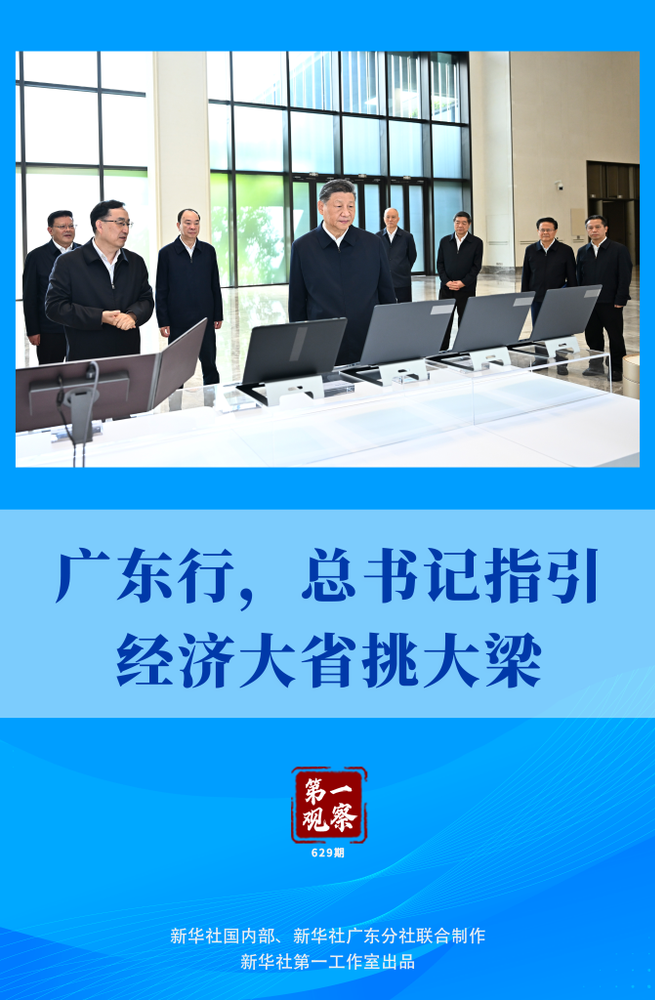
第一观察 | 广东行,总书记指引经济大省挑大梁
Xin Hua She· 2025-11-08 15:30
Core Viewpoint - The visit of General Secretary Xi Jinping to Guangdong emphasizes the province's role as a leader in reform and opening up, highlighting the need for high-quality development and the importance of deepening reforms to address challenges in the upcoming "14th Five-Year Plan" period [4][5]. Group 1: High-Quality Development and Reform - Guangdong has historically been at the forefront of China's reform and opening up, and the emphasis on high-quality development is reiterated by Xi Jinping, who calls for a spirit of reform and innovation to drive this progress [5]. - The key to addressing deep-seated issues in high-quality development lies in deepening reforms, as highlighted by Xi's remarks on using reform methods to solve development challenges [5]. Group 2: Guangdong-Hong Kong-Macao Greater Bay Area - The upcoming 15th National Games will showcase the integration of Guangdong, Hong Kong, and Macao, reflecting the achievements of the Greater Bay Area's development [6]. - Xi Jinping stresses that building the Greater Bay Area is both a significant responsibility and a rare opportunity for Guangdong, which contributes to 1/9 of the national economic output despite only occupying 0.6% of the land area and 6% of the population [6]. Group 3: Rural Revitalization and Income Growth - The visit to Meizhou highlights the importance of developing rural specialty industries as a foundation for comprehensive rural revitalization, with a focus on technology application and the integration of agriculture, culture, and tourism [7]. - Xi Jinping emphasizes the need for coordinated regional development and urban-rural integration to enhance income growth for farmers [7]. Group 4: Technological and Industrial Innovation - Guangdong is urged to take the lead in integrating technological and industrial innovation, which is crucial for maintaining its status as a leading economic province [8]. - The focus is on building a modern industrial system with international competitiveness, which requires a commitment to innovation-driven development strategies [9].

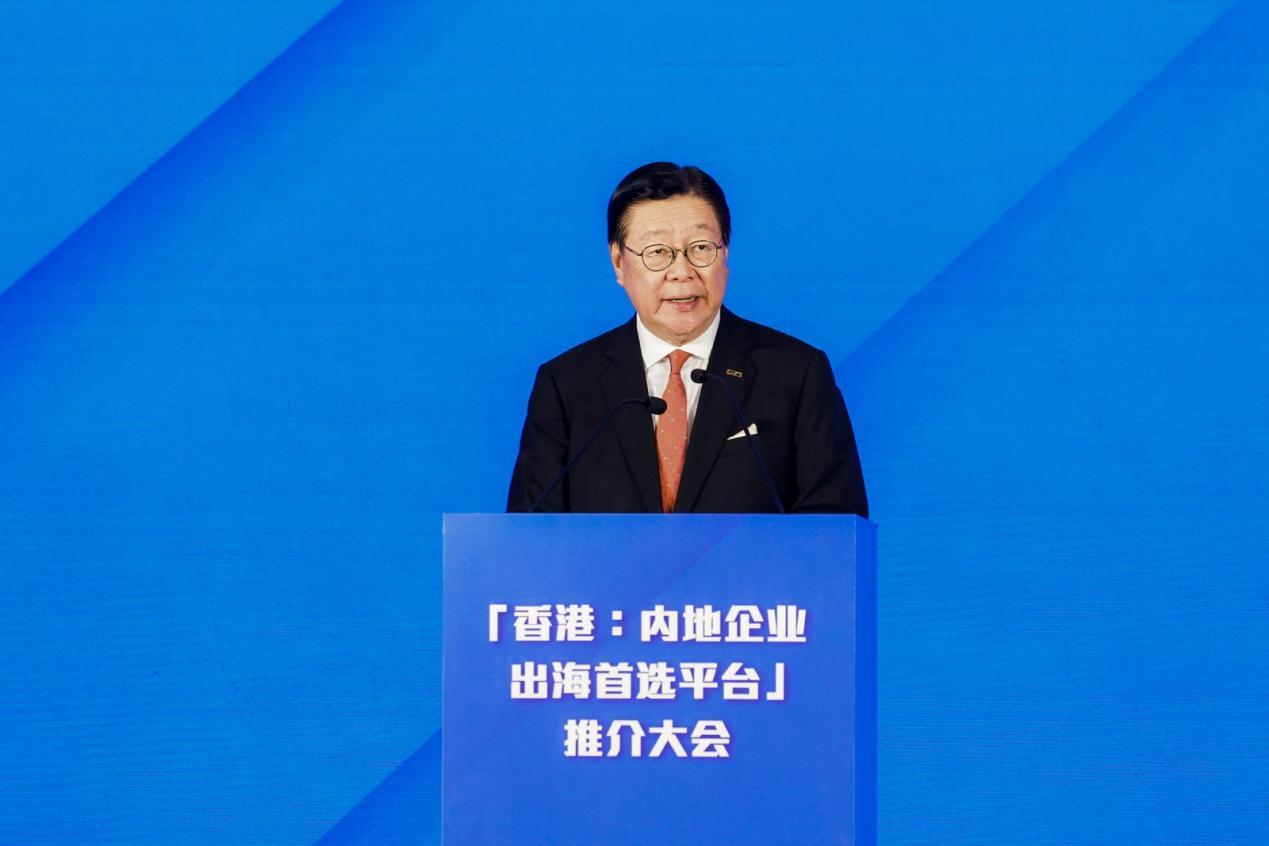
马时亨:内地企业可充分利用香港的创科生态及专业服务,进一步开拓国际市场
Feng Huang Wang Cai Jing· 2025-11-07 01:55
Core Insights - The 8th China International Import Expo (CIIE) opened on November 5 in Shanghai, highlighting Hong Kong's role as a "super connector" and "super value creator" for mainland enterprises looking to expand internationally [1][3] - The Hong Kong Trade Development Council (HKTDC) and the Hong Kong SAR government hosted a promotional event titled "Hong Kong: The Preferred Platform for Mainland Enterprises Going Global," emphasizing collaboration between Hong Kong and Shanghai [1][3] Group 1 - The CIIE has been held for eight years, demonstrating China's commitment to globalization and cooperative development, contributing to an open world economy [3] - Hong Kong maintains its position as the third global financial center and first in the Asia-Pacific region, showcasing its competitive edge in international finance [3] - The northern metropolitan area is identified as a key development engine for Hong Kong, focusing on innovation and high-end professional services, which will unlock significant growth potential [3][4] Group 2 - The event featured representatives from Hong Kong and Shanghai enterprises sharing successful international expansion experiences, aiming to explore cooperation opportunities in finance, innovation, and professional services [4] - The HKTDC set up the "Hong Kong Food Pavilion" and "Hong Kong Services Pavilion" at the expo, featuring over 50 Hong Kong companies to showcase quality products and services, encouraging collaboration with mainland enterprises [4]
四中全会精神在基层丨“科漂”逐梦
Xin Hua Wang· 2025-11-07 01:03
Group 1 - The term "Ke Piao" originates from Hefei, where young entrepreneurs with technological dreams gather at Keda Silicon Valley, receiving detailed and efficient services to help them root their aspirations [1] - "Ke Piao" represents not just drifting but actively building, with a focus on the deep integration of technological innovation and industrial innovation [3] - The 20th Central Committee's fourth plenary session approved the proposal for the 15th Five-Year Plan, emphasizing the creation of a globally competitive open innovation ecosystem and supporting young scientific and technological talent in innovation and entrepreneurship [5] Group 2 - Keda Silicon Valley is implementing these requirements by creating precise policies and an inclusive environment, allowing young talents to focus on tackling challenges and promoting the transformation of achievements, thereby injecting youthful energy into the development of new productive forces [5]

中金:展望2026年,机械行业中科技创新板块仍具备较大投资机会
Sou Hu Cai Jing· 2025-11-07 00:40
Core Viewpoint - The report from CICC indicates that the machinery industry, particularly the technology innovation sector, presents significant investment opportunities looking towards 2026 [1] Group 1: Investment Opportunities - The technology innovation segment within the machinery industry is expected to have substantial investment potential [1] - Despite uncertainties in the export sector, the report suggests that structural opportunities exist due to the advancement of internationalization and the anticipated interest rate cuts by the Federal Reserve [1] Group 2: Domestic Demand and Market Dynamics - In the domestic market, there is unlikely to be widespread capacity expansion in the short term; however, as capacity is cleared and general enterprises transition towards growth sectors, stock prices are expected to rebound [1]
中金:展望2026年 机械行业中科技创新板块仍具备较大投资机会
Xin Lang Cai Jing· 2025-11-07 00:33
Core Viewpoint - The report from CICC indicates that the machinery industry, particularly the technology innovation sector, presents significant investment opportunities looking towards 2026 [1] Group 1: Investment Opportunities - The technology innovation segment within the machinery industry is expected to have substantial investment potential [1] - Despite uncertainties in the export sector, the ongoing internationalization process and the anticipated interest rate cuts by the Federal Reserve are believed to create structural opportunities in external demand [1] Group 2: Domestic Demand Outlook - In the short term, there is unlikely to be widespread capacity expansion in downstream sectors [1] - However, as capacity is cleared and general enterprises transition towards growth industries, stock prices are expected to rebound [1]
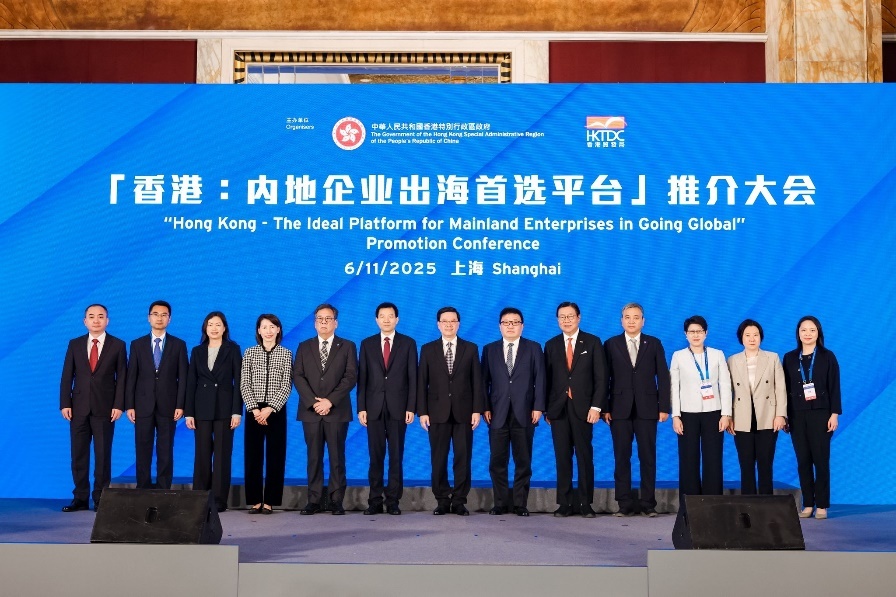
“香港:内地企业出海首选平台”推介大会深化沪港合作 与进博会同期举行,吸引500名企业代表聚焦香港平台优势
Feng Huang Wang Cai Jing· 2025-11-06 10:28
Core Points - The 8th China International Import Expo is currently being held, with a focus on promoting Hong Kong as a key platform for mainland enterprises to expand internationally [1][2] - The event attracted 500 business representatives, indicating strong interest and engagement from the business community [1][26] Group 1: Event Overview - The event is organized by the Ministry of Commerce and the Shanghai Municipal Government, highlighting Hong Kong's role as a "super connector" and "super value creator" [1] - The theme of the promotional conference is "Hong Kong: The Preferred Platform for Mainland Enterprises Going Global" [1] - Key officials, including Hong Kong's Chief Executive and representatives from various government offices, attended and delivered speeches [2][6] Group 2: Government and Institutional Support - Hong Kong's Chief Executive emphasized the importance of aligning with national strategies to enhance cooperation and investment opportunities [2] - The Deputy Director of the Central Government's Hong Kong and Macao Affairs Office highlighted the significance of the event in aiding mainland enterprises to explore overseas markets [2] - The Shanghai Vice Mayor expressed commitment to leveraging Hong Kong's advantages to support Shanghai enterprises in global expansion [2] Group 3: Business Insights and Opportunities - Dr. Feng Guojing from Feng's Investment shared insights on the necessity of having strong partners for successful international expansion, positioning Hong Kong as the ideal platform [3][21] - The event included discussions on how Hong Kong and mainland enterprises can complement each other's strengths in innovation, finance, and professional services [3][23] - Attendees expressed optimism about Hong Kong's role in connecting with emerging markets in Southeast Asia and the Middle East [4] Group 4: Future Initiatives - The Hong Kong government plans to continue promotional activities across various provinces in mainland China to assist enterprises in utilizing Hong Kong as a launchpad for international markets [2][4] - The Ministry of Commerce introduced a comprehensive overseas service system to enhance support for enterprises venturing abroad [2]
“十四五”前四年广东GDP年均增长4.7%
Zhong Guo Xin Wen Wang· 2025-11-06 09:37
Core Insights - Guangdong's GDP has achieved an average annual growth of 4.7% during the first four years of the "14th Five-Year Plan" [1][2] - The province's economic strength has continuously improved, with the total economic output surpassing 12 trillion, 13 trillion, and 14 trillion yuan in consecutive years [1] - Guangdong has maintained its position as the top economic province in China for 36 consecutive years [1] Economic Development - The construction of the Guangdong-Hong Kong-Macao Greater Bay Area has shown significant progress, with the "Shenzhen-Hong Kong-Guangzhou" innovation cluster ranking first globally in innovation index [1] - Infrastructure connectivity has accelerated, forming a basic framework for the "railway-based Greater Bay Area" and initial development of cross-river and cross-sea passageways [1] - The "Bay Area Pass" project has been implemented, enhancing cross-border recognition of professional qualifications, talent mobility, capital flow, vehicle passage, and data circulation [1] Technological Innovation - Guangdong has accelerated high-level technological self-reliance, ranking first in regional innovation capabilities for eight consecutive years [2] - The province leads the nation in R&D funding, high-value invention patents, and the number of high-tech enterprises [2] - Over one-third of provincial technology innovation funds are directed towards basic research, with breakthroughs in key technologies such as high-end chips and surgical robots [2] Trade and Investment - In 2024, Guangdong's total import and export volume is expected to exceed 9 trillion yuan, maintaining its position as the top province in China for 39 years [2] - The province has seen a rapid increase in major foreign investment projects, with actual foreign investment reaching 626.26 billion yuan in the first four years of the "14th Five-Year Plan" [2] - Guangdong's foreign investment cooperation has developed new opportunities, with actual overseas investment totaling 83.939 billion USD in the same period [2]
内蒙古交上“十四五”收官亮丽答卷
Zhong Guo Jing Ji Wang· 2025-11-06 08:16
Core Viewpoint - Inner Mongolia has achieved significant progress in high-quality development during the "14th Five-Year Plan" period, focusing on strategic positioning and implementing a series of policies that have led to decisive results in economic strength, technological innovation, and ecological protection [1][4]. Economic Strength - Inner Mongolia's economic output surpassed 2 trillion yuan in 2021 and is projected to exceed 2.6 trillion yuan in 2024, marking a return to the national mid-range after five years [1] - The average GDP growth rate during the first four years of the "14th Five-Year Plan" was 6.1%, 0.6 percentage points higher than the national average [1] - Per capita GDP is expected to exceed 110,000 yuan in 2024, 1.15 times the national average [1] - Investment growth has remained in double digits for three consecutive years from 2022 to 2024, with a significant improvement in ranking from the bottom third to the second highest in the nation [1] Technological Innovation - Inner Mongolia's comprehensive level of technological innovation entered the national medium innovation region in 2022, with key indicators such as technology input and output ranking in the top 10 nationwide [2] - Notable innovations include the world's largest capacity grid-type energy storage prototype and the first "zero carbon emission" heavy-duty mining truck in China [2] Industrial Structure Optimization - The region has shifted from a coal-dominated economy, maintaining an annual coal production of over 1 billion tons and ensuring over 60% is exported [3] - Renewable energy development has accelerated, with total installed capacity expected to reach 135 million kilowatts by the end of 2024, surpassing thermal power [3] - Inner Mongolia has established a modern industrial system with 10 major industrial clusters and 21 industrial chains, focusing on intelligent and green transformation of traditional industries [3] Ecological Development - Inner Mongolia has prioritized ecological protection, achieving significant improvements in forest coverage and reducing desertification [4] - Energy consumption intensity decreased by 16.8% over the first four years of the "14th Five-Year Plan," supporting GDP growth [4] Social Development - The region has seen a notable increase in urbanization, with the urbanization rate rising from 67.48% in 2020 to 70.73% in 2024 [10] - Employment policies have led to the creation of 1.038 million new urban jobs, and the income gap between urban and rural residents has narrowed [6][10] Infrastructure Development - The comprehensive transportation network has reached 84.3% completion, with significant improvements in electricity export capacity [7] - New infrastructure initiatives have enhanced connectivity and information access for rural populations [7] Reform and Opening Up - The establishment of the Inner Mongolia Private Economy Development Service Bureau has led to the private sector contributing 56% to the regional GDP [8] - The region has actively participated in the Belt and Road Initiative, with foreign trade volume nearly doubling since 2020 [9]
浙江交出“十四五”时期科技创新“答卷”
Mei Ri Shang Bao· 2025-11-05 03:52
Core Viewpoint - Zhejiang has made significant advancements in innovation capabilities, maintaining its position as the fourth in the nation for four consecutive years, with substantial increases in R&D investment and outputs [1][2][3] Group 1: R&D Investment and Outputs - R&D intensity in Zhejiang increased from 2.77% in 2020 to 3.22% in 2024, reaching a new high [1] - Total social R&D investment grew from 185.99 billion in 2020 to 290.14 billion in 2024, marking a 56% increase [1] Group 2: Technological Breakthroughs and Industry Support - Key core technology breakthroughs have supported the development of new productive forces, with the establishment of a regional innovation development fund, the largest in the country [2] - Major technological projects have been launched, resulting in significant achievements such as the world's first brain-like complementary visual chip and advancements in AI technologies [2] Group 3: Innovation Capacity of Enterprises - The number of national high-tech enterprises reached 47,400, and specialized "little giant" enterprises numbered 2,167, both ranking third nationally [2] - A significant portion of R&D activities is concentrated in enterprises, with 80%-90% of R&D investment, personnel, and projects coming from these entities [2] Group 4: Talent Development and Ecosystem - Zhejiang has focused on both material and human investment, enhancing the appeal of the region for talent, with R&D personnel constituting 2.7% of the workforce, ranking third in the country [3] - The province has implemented various talent mobility reforms and established mechanisms for collaboration between academia and industry [3] Group 5: Systemic Reforms and International Collaboration - Systemic reforms in the technology sector have been deepened, creating a new open innovation ecosystem [3] - Zhejiang has established three major international technology cooperation platforms and has seen nine cities ranked among the top 100 for innovation capability nationally [3]