
免税零售

Search documents
海南封关运作后 三亚免税消费连续三日破亿元
Cai Jing Wang· 2025-12-22 04:05
Core Viewpoint - The duty-free shopping policy in Hainan Free Trade Port is continuously releasing benefits, driving a new wave of consumption in the market [1] Group 1: Sales Performance - On December 18, the first day of the closure, Sanya's total duty-free sales reached 118 million yuan [1] - On December 19, Sanya's duty-free stores achieved a single-day sales of 105 million yuan, representing a year-on-year increase of 45.8% [1] - On December 20, the total sales in duty-free stores reached 108 million yuan, with a year-on-year growth of 47% [1] - Sanya's duty-free consumption has exceeded 100 million yuan for three consecutive days [1]
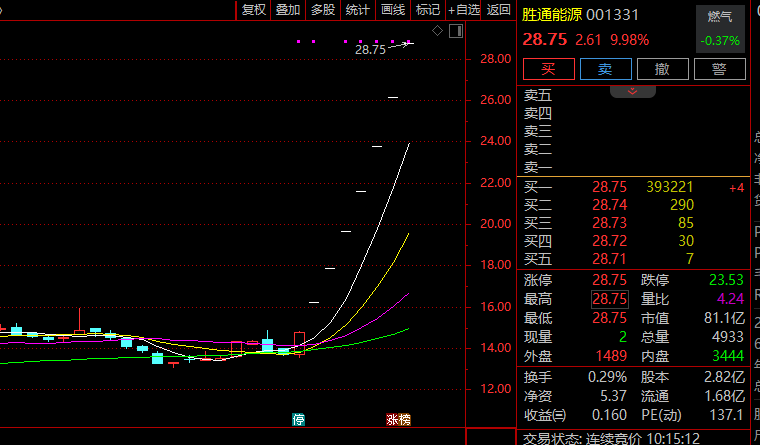
彻底火了,001331直接7连涨停
Zheng Quan Shi Bao· 2025-12-22 03:13
Group 1 - The A-share market saw all three major indices open higher, with the ChiNext Index rising over 2% and the Sci-Tech 50 Index increasing nearly 2% [1] - The Hainan Free Trade Zone concept remains strong, with Hainan Development achieving two consecutive trading days of gains and Haikou Group hitting the daily limit [8] - The commercial aerospace sector is experiencing a resurgence, with Shenjian Co. achieving three consecutive trading days of gains and Beidou Xingtong hitting the daily limit [9] Group 2 - Victory Energy (001331) has achieved a seven-day consecutive limit-up, with a cumulative increase of 77.22% since December 12, significantly deviating from market trends [4][6] - The company announced that its main business remains the procurement, transportation, and sales of liquefied natural gas, with no significant changes [6] - The stock transfer agreement signed by the controlling shareholder indicates a change in control to Qiteng Robotics, with no plans for asset restructuring in the next 12 months [6] Group 3 - The new consumption concept stocks in the Hong Kong market are performing well, with Mixue Group rising over 5% and Pop Mart increasing nearly 4% [12] - Institutional research reports suggest that the consumption sector will continue to see structural growth opportunities driven by technological advancements and policy support through 2026 [12] Group 4 - The Hainan Free Trade Port officially commenced operations on December 18, with Sanya reporting a duty-free sales figure of 1.18 billion yuan on the first day, reflecting a year-on-year increase of 85% [8] - The demand for space computing and the maturation of reusable rocket technology are expected to drive rapid growth in China's commercial aerospace sector [11] - The intelligent driving sector is also active, with Zhejiang Shibao achieving five consecutive trading days of gains following the announcement of the first L3-level autonomous driving license plate in Chongqing [11]

“海南封关120多万元卡宴只要60万元”?最新解读
Sou Hu Cai Jing· 2025-12-22 02:56
Group 1 - The "zero tariff" import policy for vehicles in Hainan is only applicable to enterprises engaged in transportation and tourism, not individual consumers [2][3] - The policy allows eligible imported vehicles to be exempt from customs duties, value-added tax, and consumption tax, significantly reducing vehicle prices; for example, a Toyota Hiace valued at 227,000 yuan had tax exemptions of approximately 84,000 yuan, resulting in a nearly 40% price reduction [2] - Enterprises must meet specific criteria to qualify for the policy, including having at least 15 operational vehicles for over three years or importing a minimum of 15 zero-tariff vehicles at once [3] Group 2 - The vehicles purchased under the "zero tariff" policy are subject to strict regulations, including being registered for operational use only, with a mandatory scrapping period of 15 years [3] - Any transfer of the zero-tariff vehicles requires approval from customs, and if transferred to non-eligible entities, taxes must be repaid [3] - On December 18, Sanya reported impressive duty-free sales, with total sales reaching 118 million yuan, reflecting a 60% increase in customer traffic and an 85% increase in sales year-on-year, showcasing the positive impact of the closure policy on the consumer market [4]

三亚免税销售额连续3日破亿元
Hai Nan Ri Bao· 2025-12-22 02:25
Group 1 - The duty-free consumption market in Sanya has seen explosive growth since the launch of the Hainan Free Trade Port's full island closure operation, with daily sales exceeding 100 million yuan for three consecutive days [1][2] - On December 18, the first day of the closure, Sanya's total duty-free sales reached 118 million yuan; on December 19, sales were 105 million yuan, a year-on-year increase of 45.8%; and on December 20, sales were 108 million yuan, a year-on-year increase of 47% [1] - Cumulatively, Sanya's duty-free sales have surpassed 20 billion yuan this year [1] Group 2 - China Duty Free Group launched a "Twelve Gifts" campaign covering all stores on the island, offering multiple benefits such as price reductions, payment discounts, and membership points [2] - On the first day of the full closure operation, Sanya International Duty-Free City saw over 36,000 visitors, a year-on-year increase of over 60%, with sales increasing by 85%, highlighting the strong impact of the closure policy on the consumption market [2] - The Haikou Customs Port Regulatory Office plans to continue upgrading regulatory services to ensure the effective release of policy dividends and enhance the quality and efficiency of the offshore duty-free industry [2]
海口:免税购物持续火热
Hai Nan Ri Bao· 2025-12-22 02:18
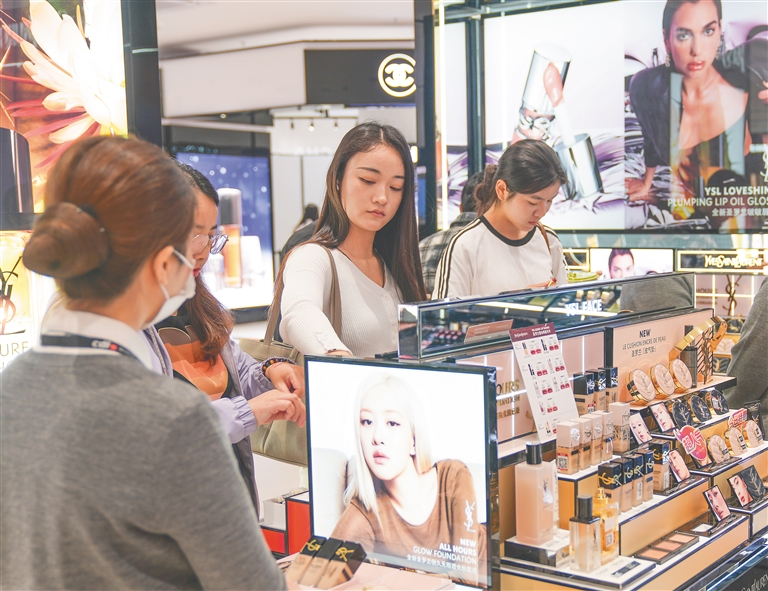
海南日报全媒体记者 李天平 摄 中免集团近期推出"十二重礼"福利,并投入1.218亿元礼券于全岛发放。在这些促销举措的助推下,海南离 岛免税的消费活力得到进一步释放。图为12月21日,消费者在cdf海口日月广场免税店选购免税品。 ...

成为拉动城市旅游的“招牌菜”“新坐标” 走进免税店看消费新潮流
Ren Min Ri Bao· 2025-12-22 01:07
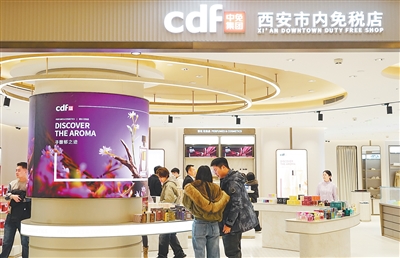
Core Viewpoint - The recent implementation of the new policies regarding duty-free shops aims to enhance consumer attraction and boost shopping experiences for inbound and outbound travelers, thereby stimulating overall consumption in urban areas [1][3]. Group 1: Policy Enhancements - The Ministry of Finance and other departments have issued a notification to improve duty-free shop policies, which includes expanding product categories, easing approval processes, and enhancing convenience and regulatory measures [1][3]. - The new policies support the inclusion of domestic products in duty-free shops, encouraging enterprises to increase the procurement of quality domestic goods, which will be treated as exports for tax purposes [5][6]. Group 2: Urban Duty-Free Shops - The opening of urban duty-free shops, such as the first one in Guangzhou, provides consumers with a more convenient shopping experience compared to traditional airport duty-free shops [2][3]. - Multiple cities, including Chengdu and Xi'an, have launched their first urban duty-free shops, which feature a mix of international brands and local specialties, enhancing the shopping landscape [2][3]. Group 3: Consumer Experience and Services - The introduction of online reservation services for duty-free shopping allows travelers to book products in advance and pick them up at designated locations, aligning with current consumer shopping habits [3][4]. - Efforts are being made to improve transportation convenience for shoppers, including partnerships for direct bus services between urban areas and airports [3][4]. Group 4: Product Offerings and Cultural Integration - The product range in duty-free shops has expanded to include more high-quality domestic goods, international bestsellers, and culturally significant items, which helps promote traditional Chinese culture [5][6]. - The integration of local cultural elements and heritage products into duty-free offerings is expected to attract more international tourists and enhance the shopping experience [5][6]. Group 5: Market Dynamics and Growth - The duty-free market is experiencing significant growth, with urban duty-free shops becoming a key driver for tourism and related industries [2][8]. - The policies are designed to optimize the layout and operational efficiency of duty-free shops, allowing for a more scientific distribution based on local tourism resources and consumer traffic [9].

走进免税店看消费新潮流
Xin Hua Wang· 2025-12-21 23:39
Core Viewpoint - The recent implementation of the new policy on duty-free shops aims to enhance consumer attraction and boost shopping experiences for inbound and outbound travelers, thereby stimulating overall consumption in the tourism sector [1][3]. Group 1: Policy Implementation and Impact - The Ministry of Finance and other departments have issued a notification to improve duty-free shop policies, which includes expanding product categories and easing approval processes [1][9]. - The new policy encourages the inclusion of domestic products in duty-free shops, allowing for a wider range of goods that reflect Chinese culture and heritage [5][6]. - The introduction of online booking and pick-up services at duty-free shops is expected to enhance the shopping experience and convenience for travelers [3][9]. Group 2: Development of City Duty-Free Shops - The opening of city duty-free shops, such as in Guangzhou and Chengdu, provides consumers with easier access to duty-free products compared to traditional airport locations [2][4]. - These city shops are designed to attract more tourists and stimulate local economies by integrating local cultural products and international brands [2][4]. - The operational model of city duty-free shops includes a mix of duty-free and taxable goods, as well as online and offline sales channels [2][4]. Group 3: Consumer Experience and Trends - The recent "Double 11" shopping festival saw significant sales growth in duty-free shops, showcasing a diverse range of both international and local products [4][5]. - There is a growing trend among international travelers to purchase Chinese cultural products, indicating a shift in consumer preferences [5][6]. - The integration of local cultural elements and heritage products into duty-free offerings is expected to enhance consumer engagement and promote traditional Chinese culture [5][6]. Group 4: Regional Development and Optimization - The policy allows for the decentralization of approval processes for duty-free shops, enabling local authorities to optimize shop layouts based on regional tourism resources [9]. - This flexibility is anticipated to improve the efficiency of establishing and operating duty-free shops, making them more accessible to consumers [9]. - The focus on local cultural advantages in shop layouts is expected to enrich the shopping experience and diversify the product offerings available to consumers [9].
走进免税店看消费新潮流(财经眼)
Ren Min Ri Bao· 2025-12-21 22:41
Core Viewpoint - The recent implementation of the new policy on duty-free shops aims to enhance consumer attraction and boost shopping experiences for inbound and outbound travelers, with a focus on expanding product categories and improving operational convenience [4][7][12]. Group 1: Policy Implementation and Impact - The Ministry of Finance and other departments have issued a notification to improve duty-free shop policies, which includes support for domestic products, expansion of product categories, and relaxation of approval processes [4][6]. - The new policy encourages the inclusion of a wider range of products, such as mobile phones, drones, sports goods, health foods, and cultural products, into duty-free shops [4][8]. - The policy aims to enhance the shopping experience by allowing online reservations and in-store pickups, aligning with current consumer shopping habits [7][12]. Group 2: Development of City Duty-Free Shops - The opening of city duty-free shops in various locations, such as Guangzhou, Chengdu, and Xi'an, has made shopping more convenient for consumers compared to traditional airport duty-free shops [6][8]. - These city shops not only offer international brands but also incorporate local cultural products, enhancing the shopping experience and promoting local tourism [6][8]. - The integration of online and offline shopping experiences is expected to attract more tourists and stimulate related industries [6][12]. Group 3: Product Offerings and Cultural Integration - The new policy supports the sale of high-quality domestic products and traditional cultural items in duty-free shops, which is expected to promote Chinese culture and stimulate consumer spending [9][10]. - The introduction of local specialties and traditional brands into duty-free shops aims to enhance the appeal of these stores to both domestic and international consumers [10][11]. - The focus on integrating local cultural elements into the shopping experience is anticipated to enrich consumer offerings and improve service quality [13].
中免集团向全岛发放超1.2亿元礼券
Sou Hu Cai Jing· 2025-12-21 14:18
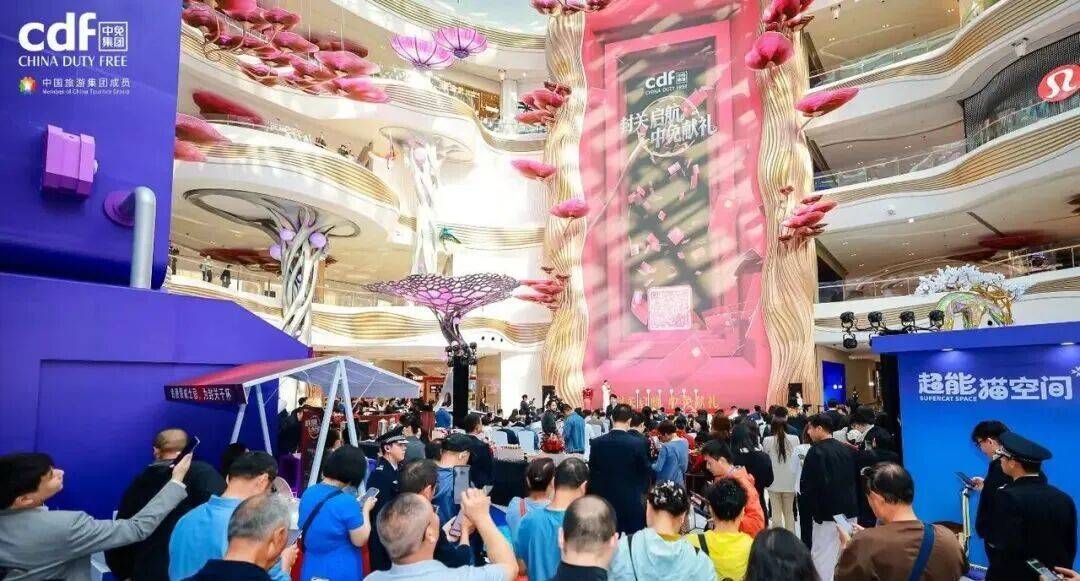
Group 1 - The core viewpoint of the articles highlights the significant boost in the duty-free market in Hainan following the full island closure of the Hainan Free Trade Port on December 18, which presents new development opportunities for the duty-free sector [1][3] - China Duty Free Group (CDF) has launched a "Twelve Gifts" welfare system aimed at stimulating consumer spending, which includes a total investment of 121.8 million yuan in vouchers distributed across the island [1][3] - The expansion of product offerings at CDF Haikou International Duty-Free City, including pet supplies and musical instruments, has attracted more local residents and tourists, indicating a rise in foot traffic post-closure [3] Group 2 - The "Twelve Gifts" welfare system focuses on multiple dimensions such as price discounts, exclusive rights, and cultural tourism experiences to provide tangible benefits to consumers [3] - The increase in visitors, both from outside the island and local residents, has been noted, suggesting a positive trend in consumer engagement and spending in the duty-free market [3]
“海南封关120多万卡宴只要60万”冲上热搜,是真的吗?
Xin Lang Cai Jing· 2025-12-21 10:30
Core Viewpoint - The implementation of the "zero tariff" policy for imported vehicles in Hainan Free Trade Port has generated significant public interest, with substantial price reductions for luxury cars attracting attention [3][10]. Group 1: Policy Implementation - Hainan's "zero tariff" policy for imported vehicles officially took effect on December 18, allowing for significant price reductions, such as a BMW X5 dropping from 600,000 to 350,000 yuan and a Porsche Cayenne from over 1.2 million to around 600,000 yuan [3][10]. - The policy exempts qualifying imported vehicles from customs duties, value-added tax, and consumption tax, leading to substantial price decreases [5][12]. Group 2: Eligibility and Restrictions - The "zero tariff" policy is only applicable to enterprises engaged in transportation and tourism within Hainan, and personal consumers are not eligible to purchase these vehicles [6][14]. - Vehicles must be used for operational purposes, equipped with satellite positioning systems, and must not exceed 120 days of stay outside Hainan each year [7][14]. - Companies must meet specific criteria, such as owning at least 15 operational vehicles for over three years or importing a minimum of 15 zero-tariff vehicles at once [7][14]. Group 3: Market Impact - The sales performance in Sanya on December 18 was notable, with total duty-free sales reaching 118 million yuan, and foot traffic in Sanya International Duty-Free City exceeding 36,000 visitors, reflecting a year-on-year increase of over 60% [7][14].
