
变压器制造

Search documents
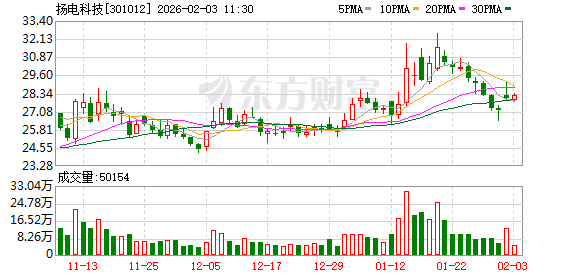
扬电科技:公司主要生产节能型非晶变压器和硅钢变压器,目前硅钢变压器的比例大于非晶变压器
Mei Ri Jing Ji Xin Wen· 2026-02-03 04:52
每经AI快讯,有投资者在投资者互动平台提问:公司的主要产品包括非晶合金变压器、节能型硅钢变 压器,请问这两个变压器的销量占比各有多少?未来哪个会成为主流变压器? (文章来源:每日经济新闻) 扬电科技(301012.SZ)2月3日在投资者互动平台表示,公司主要生产节能型非晶变压器和硅钢变压 器,各类产品的销售占比主要受市场需求的变化而变化,目前硅钢变压器的比例大于非晶变压器。 ...


订单已排到2027年!中国变压器缘何成为全球“新石油”?
Xin Lang Cai Jing· 2026-02-02 12:27
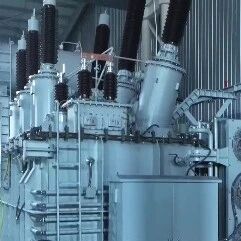
近期,央视财经在广东、江苏等制造业集聚区调研时发现,多家变压器生产企业产线全开、满负荷运 转,其中部分面向数据中心的业务订单已排至2027年。这一景象并非偶然,其背后是国内电网建设提 速、能源结构转型与全球数字经济扩张共同催生的产业共振。 工厂满产、订单排队的景象背后,正是中国制造业在全球能源结构转型与科技革命中角色升维的生动缩 影。华泰证券表示,以变压器为代表的一次设备出海逻辑仍然强势,无论主网、配网,从订单及收入来 看仍然呈现高速增长态势。 展望未来,在"双碳"目标牵引与国际能源格局重塑的背景下,中国变压器产业将面临更多元、更高质量 的市场需求。只有持续聚焦技术创新、绿色智能与国际化运营,才能在全球电网升级浪潮中把握主动, 实现从"制造大国"到"智造强国"的产业跨越。而这条升级之路,正是中国高端装备制造业融入全球能源 变革、贡献绿色智慧的一个缩影。 (声明:本文部分观点由AI生成,本站发布此信息的目的在于传播更多信息,与本站立场无关。并且郑 重提示所有阅读者,股市有风险,投资需谨慎,本文不作为任何投资的参考意见和依凭。) 近期,央视财经在广东、江苏等制造业集聚区调研时发现,多家变压器生产企业产线全开、满负 ...
中国变压器全球爆单
21世纪经济报道· 2026-02-01 09:09
中国电力企业联合会电力装备分会秘书长 蔡义清:我国已经成为世界第一大变压器生产国, 建成了全球最完备的变压器生产体系,具有全产业链自主可控的硬实力,产能约占全球60%。 来源丨央视财经 编辑丨刘雪莹 卤味三巨头半年闭店超5300家 工行紧急提示风险,有品牌金饰克价大跌160元 深圳首个安居房项目开盘当天售罄 SFC 21君荐读 当前,全球AI算力建设进入爆发期,高功率、高稳定的供电成为算力集群的"生命线",电力设 备变压器正升级为算力基础设施的核心。记者在我国广东、江苏等地调研发现, 大量变压器 工厂已经处于满产的状态,其中部分面向数据中心的业务订单都排到了2027年。 全球AI算力中心的爆发式增长,让变压器成为稀缺资源,美国市场交付周期已经从50周延长至 127周。 广东佛山某电气设备有限公司营销负责人李霞表示,相对欧美的交付周期,我们大约 不到它们的五分之一。目前订单比较充沛,我们希望将海外的营收占比达到50%及以上。 满产的情况也出现在长三角,在江苏的一家变压器工厂,产品订单已经排到2027年底。 变压器订单激增的背后,是算力用电的大幅增长。作为"电力心脏"的变压器肩负重任。在广 东,2025年全省数据 ...
中国变压器,全球爆单
中国能源报· 2026-02-01 08:58
Group 1 - The global AI computing power construction is entering an explosive growth phase, with transformers becoming a core component of computing infrastructure due to their role in providing high-power and stable electricity [2] - In Guangdong and Jiangsu, transformer factories are operating at full capacity, with some orders for data center transformers scheduled for delivery as late as 2027 [2][7] - A transformer manufacturing company in Foshan reported an increase in orders by 70-80% year-on-year, with delivery times for the U.S. market extending from 50 weeks to 127 weeks due to the surge in demand [5] Group 2 - China's transformer industry consists of approximately 3,000 companies, with an expected export value of 64.6 billion yuan by 2025, representing a nearly 36% increase from 2024 [9] - China has become the world's largest transformer producer, accounting for about 60% of global production capacity, and has established a complete transformer production system with independent control over the entire industry chain [11]
国产电力心脏全球爆单变压器订单已排到2027年底
Xin Lang Cai Jing· 2026-01-31 08:05
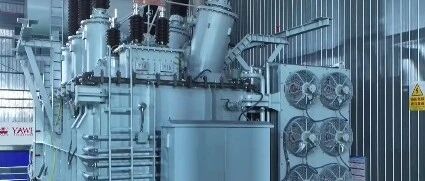
来源:@央视财经微博 【#国产电力心脏全球爆单##变压器订单已排到2027年底#】当前,全球AI算力建设进入爆发期,高功 率、高稳定的供电成为算力集群的"生命线"。我国算力中心、超算集群建设全面提速,叠加"东数西 算"工程纵深推进,作为"电力心脏"的变压器肩负重任。记者在广东、江苏等地调研发现,大量变压器 工厂已经处于满产的状态。江苏的一家变压器工厂,产品订单已经排到2027年底,其中,国内首台全绝 缘超高压大容量变压器近日发往北美市场。数据显示,我国变压器行业企业约3000家。2025年,我国变 压器出口总值达646亿元,比2024年增长近36%。 ...
688676,拟港股IPO
中国基金报· 2026-01-27 11:52
Core Viewpoint - Jinpan Technology plans to issue H shares and list on the Hong Kong Stock Exchange to advance its internationalization strategy and enhance its global business expansion [2][9]. Group 1: Company Overview - As of January 27, Jinpan Technology's stock price was 97.37 yuan per share, with a total market capitalization of 44.77 billion yuan [5]. - The company focuses on the research, production, and sales of various transformer series, including medium and low voltage, complete sets, and energy storage products [9]. - Jinpan Technology has established business partnerships with international companies such as General Electric, Siemens, and Vestas [9]. Group 2: Financial Performance - For the first three quarters of 2025, Jinpan Technology reported a main business revenue of 5.155 billion yuan, with foreign sales revenue of 1.590 billion yuan, accounting for 30.85% of the main business revenue [9]. - As of June 30, 2025, the company's monetary funds in foreign currencies were primarily in US dollars, amounting to approximately 36 million yuan [10][11]. Group 3: Strategic Developments - The board of directors approved the proposal to start preparations for the H share listing, with an authorization period of 12 months from the date of approval [9]. - Jinpan Technology is expanding its overseas production capacity, with operations in countries such as Mexico, Poland, and Malaysia, and plans to advance new capacity construction in the United States and Malaysia by 2025 [9]. Group 4: Product Development and Market Position - Jinpan Technology is a primary supplier for NVIDIA and is working on solid-state transformer products, including a prototype designed for HVDC 800V power supply architecture [13]. - The company anticipates completing testing and certification of its solid-state transformer prototype by the fourth quarter of 2025 [14]. - From August 1, 2025, to January 27, 2026, Jinpan Technology's stock price increased by 156.91%, significantly outperforming its sector, which rose by 40.01% during the same period [14].


新特电气(301120.SZ):预计2025年净利润4000万元~5000万元 同比扭亏为盈
Ge Long Hui A P P· 2026-01-26 14:33
Core Viewpoint - The company expects to achieve a net profit attributable to shareholders of 40 million to 50 million yuan in 2025, marking a turnaround from losses, while the net profit after deducting non-recurring gains and losses is projected to be a loss of 4 million to 8 million yuan [1] Group 1: Financial Performance - The company has turned losses into profits during the reporting period, benefiting from its technological accumulation and industry experience in the variable frequency sector, as well as actively exploring downstream applications for special transformers [1] - The company has seized market opportunities in the energy storage industry, leading to a significant reduction in losses and a positive development trajectory for its energy storage business [1] - There were no significant asset impairment issues during the reporting period [1] Group 2: Technological Advancements - The company has overcome key technical challenges related to medium and high-frequency transformers, achieving compliance with stringent electrical standards for solid-state transformers (SST), DC transformers, and fast charging equipment [1] - The company is committed to driving long-term development through technological innovation, while consolidating existing business advantages and positioning itself at the forefront of industry technology [1] Group 3: Employee Incentives and Non-Recurring Gains - The company implemented an employee stock ownership plan and recognized share-based payment expenses of approximately 13.82 million yuan, which impacted the net profit attributable to shareholders by the same amount [2] - Non-recurring gains and losses are estimated to have a positive impact of approximately 44 million yuan on net profit, primarily from the disposal of subsidiary equity during the reporting period [2]
80岁的中国变压器之王,美国人正焦急等待他的集装箱
3 6 Ke· 2026-01-26 03:23
2019年6月,美国休斯敦港口,一台重达227吨的中国制造大型变压器本该被送往科罗拉多州的变电站完成交付,但却被美国联邦官员以"零部件可能添加 恶意功能"为由中途截走,运往了新墨西哥州的桑迪亚国家实验室,进行拆解研究。 这种直接截走商用设备的做法极其罕见,瞬间吸引了诸多媒体的目光,并最终为这台中国产品做了背书: 这台变压器不但没有所谓的"后门",而且产品质量过硬。作为购买方的美国电力公司澄清说:"变压器没有问题,后续仍会投入使用。" 也就在此3个月后,意大利电力公司便向变压器背后的中国企业主动寻求合作。而后,德国西门子、法国燃气、美国特斯拉等也提出了深度合作意向。 回溯40年前,这家企业还只是一家濒临破产的县城小厂。而今,它已经成为变压器产销量全球第一的单体企业,《华尔街日报》称其为"当今世界上品种 最全、规模最大、信誉最佳的变压器制造商之一。" 01 两次起死回生 江苏溧阳市昆仑区正昌路68号,是华鹏变压器的所在地。作为公司掌门人的钱洪金,外表温文儒雅,讲着一口略带吴侬软语韵味的普通话。 与温和谈吐形成极大反差的,是年过80岁的他,身形却像一位身经百战的将军,八块腹肌清晰可见,能连续做超过400个健腹轮。 ...

中国变压器出口量价齐增 欧美抢购热潮持续
Xin Lang Cai Jing· 2026-01-21 02:44
Core Insights - China's transformer exports are experiencing significant growth in both volume and price, with a record export value of 64.6 billion RMB expected by 2025, marking a nearly 36% increase from the previous year [1] - The average price of a transformer has risen to 205,000 RMB, reflecting an approximate one-third increase compared to the previous year [1] - The demand for transformers is driven by the need for renewable energy systems and the aging infrastructure in Europe and the U.S., leading to a supply shortage that is projected to persist into the 2030s [1][2] Group 1: Export Growth - China's transformer export value is projected to reach a record 64.6 billion RMB by 2025, a nearly 36% increase year-on-year [1] - The average price of transformers has increased to 205,000 RMB, up about 33% from the previous year [1] - Many Chinese manufacturers have orders extending into 2026, with some European clients willing to pay a 20% premium to secure supply [1] Group 2: Demand Drivers - The demand for transformers is significantly influenced by the rapid growth of data centers, with half of their power needs met by renewable energy sources [2] - Renewable energy systems require 1.5 to 3 times more transformers compared to traditional thermal power due to their decentralized and unstable nature [2] - The aging infrastructure in the U.S. and Europe necessitates a large number of transformers, with the average lifespan of U.S. transformers reaching 30 to 40 years, exceeding their expected lifespan [2] Group 3: Price Trends - The global price index for power transformers has surged 1.5 times since 2020, with some complex models reaching 2.6 times their pre-pandemic prices [2] - Bloomberg New Energy Finance predicts that global investment in power grids will exceed 480 billion USD by 2025, indicating a strong demand for transformers and switches [2] - The mismatch between demand and supply is driving prices higher, reflecting the urgent need for both generation and transmission equipment [2]
重庆机电盘中涨超9% 大马力发动机高景气 变压器业务有望带动盈利
Zhi Tong Cai Jing· 2026-01-16 08:09
Group 1 - Chongqing Machinery and Electric (02722) saw a midday increase of over 9%, with a current rise of 5.43% to HKD 2.33, and a trading volume of HKD 64.63 million [1] - CITIC Securities reported that AIDC is driving strong demand for Chongqing Cummins' high-power engines, with the Q60 model capable of mass supply and an 8% increase in sales of high-power engines in the first half of the year [1] - Cummins announced a USD 68 million investment income from Chongqing Cummins in the first nine months, representing a year-on-year growth of 33.3%, with USD 23 million earned in Q3 2025, up 53.3% year-on-year [1] Group 2 - Everbright Securities International noted that AI computing heavily relies on large-scale data centers, where transformers play a crucial role in converting high-voltage electricity from the grid to usable voltage for data center equipment [1] - Chongqing Hitachi Energy, in which the company holds a 37.8% stake, is the largest high-voltage transformer manufacturing base for Hitachi Energy in China, and is expected to see accelerated profit growth due to the high demand for transformers [1]