水产养殖业

Search documents
供应商违反廉洁承诺向采购方人员出借款项 违约责任应如何承担?
Ren Min Wang· 2025-09-05 00:49
Core Viewpoint - The court ruled that the supplier's violation of the integrity agreement constituted a breach of contract, but the degree of breach was deemed low, resulting in a compensation of 50,000 yuan to the hotel [1][4]. Group 1: Contractual Details - A supply contract was signed between a hotel and a seafood farm, with a duration from July 8, 2017, to July 6, 2018, and provisions for annual renewal [1]. - The contract stipulated that the seafood farm must deliver goods as per orders and payments were to be made monthly based on a "pay one, deliver one" model [1]. - The integrity agreement attached to the contracts prohibited the seafood farm from lending money or assets to hotel personnel, with a penalty of 10% of the total contract value for violations [2]. Group 2: Breach of Agreement - Between November 8, 2017, and January 19, 2023, the hotel made multiple payments totaling approximately 9.72 million yuan to the seafood farm [2]. - The seafood farm's operator reported that the hotel’s former financial supervisor had coerced suppliers into lending money, threatening to withhold payments otherwise [2][3]. - The court found that the operator's lending of 212,000 yuan to the hotel’s financial supervisor violated the integrity agreement, thus incurring liability for breach of contract [4]. Group 3: Court's Rationale - The court emphasized the importance of integrity in business practices, linking it to the core socialist values of honesty and fairness [4]. - The breach was assessed based on the context of the contract's annual renewal and the lack of evidence that the seafood farm sought improper benefits from the lending [4]. - The court determined that the penalty should be 50,000 yuan, considering the low degree of breach and the fact that the seafood farm had since been dissolved [4][5]. Group 4: Legal Context - The ruling reflects the legal stance against commercial bribery and the role of integrity agreements in preventing such practices [6]. - The upcoming implementation of the "Promotion Law of the Private Economy" emphasizes the need for a culture of integrity and compliance within private enterprises [7]. - The court's decision highlights the necessity for fair enforcement of integrity agreements, ensuring that they do not disproportionately burden one party [7].
全链出击 推动农业环境持续向好
Xin Hua Ri Bao· 2025-08-26 21:43
Group 1 - The core viewpoint emphasizes the importance of agricultural green development as a crucial aspect of the overall green transformation of economic and social development [1] - The Dafeng District of Yancheng City has been actively promoting agricultural green development, aiming to establish green production and lifestyle practices [1] - The district has implemented a regulatory system for livestock and poultry manure management, including the development of several key planning documents and reward mechanisms [1] Group 2 - Dafeng District has invested in standardized development of aquaculture, forming a leadership group to collaborate with various departments for pond standardization projects [1] - The district has received approval for six provincial-level pond standardization projects with a total investment of 22.91 million yuan [1] - The ecological utilization of farmland drainage and irrigation systems has been enhanced with an investment of 16.5 million yuan, including the construction of various infrastructure [2]
新模式打造新“稻”路 “水稻+”绘就希望的田野好“丰”景
Yang Shi Wang· 2025-08-13 10:18
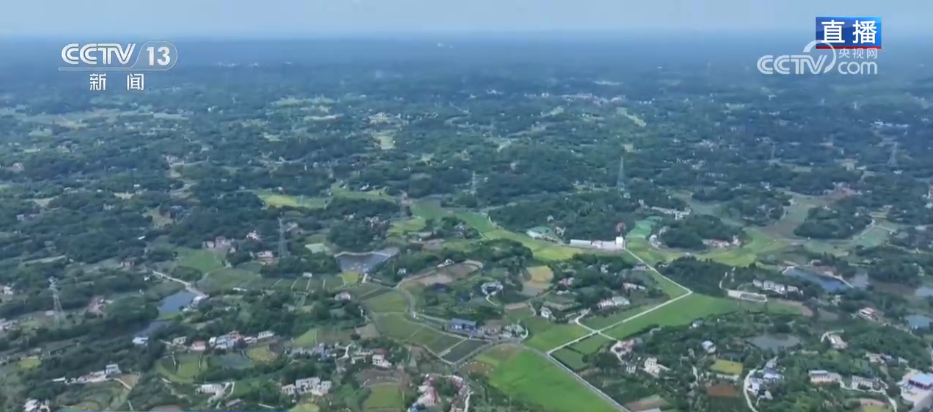
Core Viewpoint - The article highlights the agricultural development in Jiyang County, Sichuan Province, focusing on the "rice+" model that integrates rice cultivation with other agricultural practices, leading to increased productivity and income for local farmers [1][13]. Group 1: Agricultural Practices - Jiyang County is characterized by its hilly terrain, which requires tailored agricultural practices to optimize land use [3]. - The "rice+" model includes innovative practices such as rice-shrimp co-cultivation, which allows for multiple harvests and increased yields [7][9]. - The average yield for rice in co-cultivated fields is approximately 550-600 kg per mu, with an additional income from shrimp estimated at 150 kg per mu, leading to an annual income of around 10,000 yuan per mu [7]. Group 2: Crop Rotation and Diversification - The county has implemented crop rotation strategies, including the cultivation of mushrooms and medicinal herbs alongside rice, enhancing land productivity and farmer income [11][13]. - In the winter, farmers have successfully grown mushrooms, achieving an income of 15,000 yuan per mu, while rice yields are projected to exceed 750 kg per mu with new planting techniques [11]. Group 3: Overall Agricultural Output - Jiyang County's total grain planting area exceeds 660,000 mu, with an expected grain output of over 250,000 tons this year, indicating a strong agricultural performance [13].

今年黑龙江省907名省级科技特派员服务乡村振兴
Zhong Guo Chan Ye Jing Ji Xin Xi Wang· 2025-08-04 12:08
Core Insights - Heilongjiang Province will dispatch 907 provincial science and technology special commissioners in 2025 to support rural revitalization and promote local industries and agricultural enterprises [1] - The initiative aims to provide comprehensive technological and intellectual support for enhancing agriculture, beautifying rural areas, and increasing farmers' wealth [1] Group 1: Industry Development - The provincial science and technology special commissioners will focus on over 10 key sectors, including grain crops, economic crops, smart agricultural machinery, and ecological protection [1] - In Harbin, 132 special commissioners with experience in agricultural technology transfer have been selected to meet industry development needs [1] Group 2: Technological Innovations - The introduction of "Beidou Navigation + precision seeding machine" in counties like Bin County and Bayannur has reduced corn seeding error rates to ≤2% and saved seed usage by 15% [1] - New drip irrigation technology introduced in Daqing City is expected to achieve over 30% water savings and increase yield by 15% to 20% [2] Group 3: Agricultural Quality Improvement - The establishment of technology special teams in 10 counties aims to enhance the quality and efficiency of key agricultural sectors such as soybean production and beef processing [3] - The formation of a goose industry alliance in Suihua City is expected to improve survival rates of goslings and meet high-end market demands, projecting a sales increase of over 10% annually [3]
金融活水助力养殖户搏击风浪再扬帆——回访“摩羯”台风登陆点海南文昌生产一线见闻
Xin Hua She· 2025-08-03 07:29
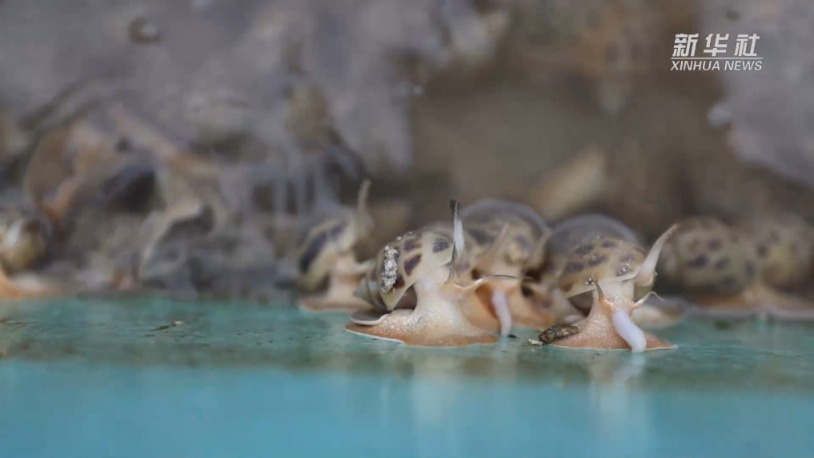
Group 1 - Typhoon "Mojia" caused significant damage to the aquaculture industry in Wenchang, Hainan, with many farmers facing production chain disruptions [1] - Nearly a year after the typhoon, aquaculture operations have returned to normal, aided by financial support [1] - Farmers reported substantial losses, with one farmer stating losses exceeded 5 million yuan, but have since resumed production and sales [3] Group 2 - Agricultural Bank of China Wenchang branch has provided a total of 440 million yuan in loans to farmers and 509 million yuan in corporate loans to help them recover [3] - Innovative financial solutions such as "no repayment renewal loans" have been implemented to support farmers and businesses [3] - Hainan's fishery output accounts for nearly one-third of the agricultural output, highlighting the importance of financial support in sustaining this economic sector [5]
金融调研|首贷破冰、续贷无忧,小微融资协调机制重塑全链条金融生态
Di Yi Cai Jing Zi Xun· 2025-07-30 09:57
Core Insights - The establishment of a financing coordination mechanism for small and micro enterprises has significantly improved the efficiency of bank-enterprise interactions, allowing for direct connections to actual controllers of businesses [1][4] - The mechanism has transformed the service chain for small and micro enterprises, enhancing the precision of financial services and addressing the challenges of financing [1][6] Group 1: Financing Coordination Mechanism - The financing coordination mechanism, led by the Financial Regulatory Bureau and the National Development and Reform Commission, aims to alleviate the financing difficulties faced by small and micro enterprises and banks [1][6] - The mechanism utilizes a "申报清单" (application list) and "推荐清单" (recommendation list) to streamline the process from demand identification to precise service delivery [4][5] - The mechanism has shifted the approach from blind visits to targeted engagements, significantly increasing the efficiency of bank visits [1][4] Group 2: First Loan Services - The "破冰" (breaking the ice) initiative for first loans is a key focus of the financing coordination mechanism, addressing the challenges faced by startups in securing initial funding [2][6] - Banks are encouraged to adopt a more flexible approach to lending, allowing for lower entry barriers for first-time borrowers [3][6] - The case of Zhejiang Aolong Pipeline Technology Co., which received a 4.2 million yuan credit loan within a week, exemplifies the success of this initiative [2][3] Group 3: Policy Expansion - The recent policy expansion includes provisions for medium-sized enterprises, allowing them to benefit from no-repayment renewal loans, thus easing their financial pressures [6][7] - The policy aims to support medium-sized enterprises facing liquidity challenges, as demonstrated by the case of a seafood company that secured a 55 million yuan renewal loan [7] Group 4: Competitive Landscape - The financing coordination mechanism has shifted the competitive landscape among banks from chaotic competition to complementary cooperation, enhancing service delivery for small and micro enterprises [8][9] - Banks are now encouraged to focus on their core strengths and avoid unnecessary competition, fostering a more sustainable service model [8][9] - The mechanism has facilitated a collaborative environment where banks can leverage each other's strengths to provide comprehensive services to enterprises [9]
为地方优势特色产业撑起“保护伞”——中国人寿财险山东省聊城市中心支公司助力锦鲤“跃龙门”
Qi Lu Wan Bao· 2025-07-23 09:31
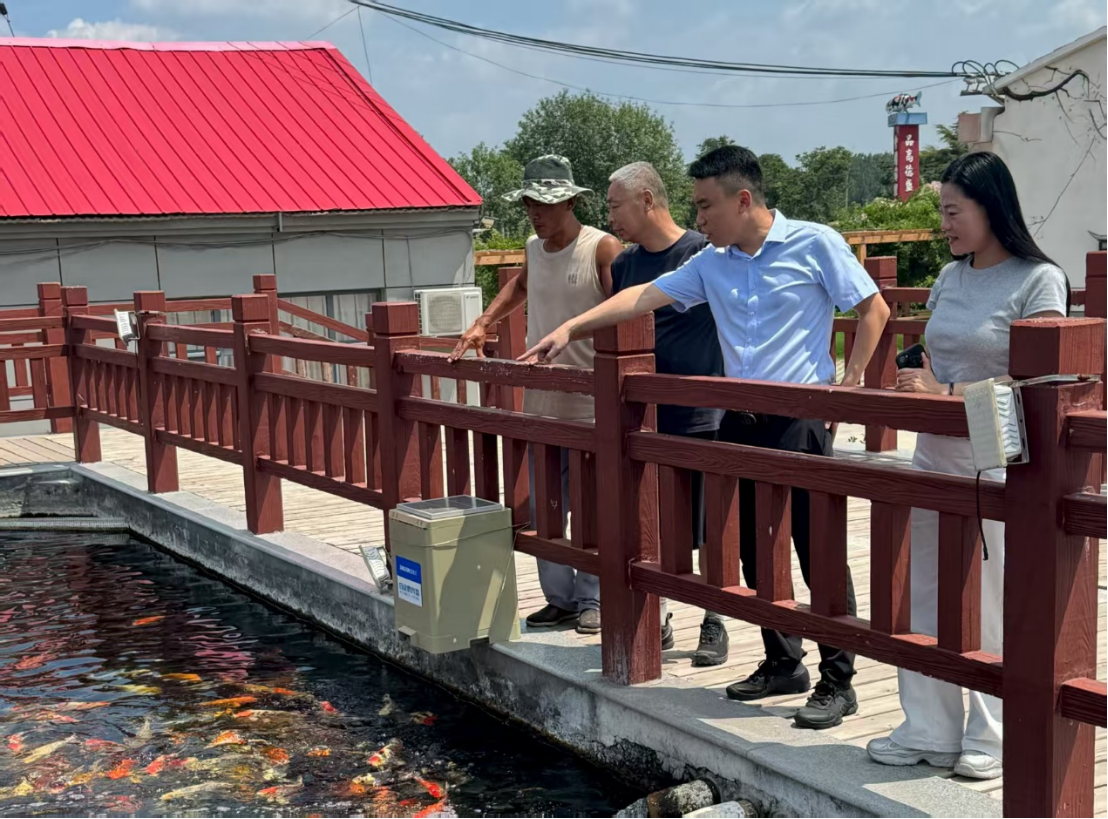
Core Viewpoint - The introduction of koi farming insurance in Gaotang County is expected to enhance the resilience of the koi industry, promote investment, and stimulate rural economic growth [3][5][9] Group 1: Insurance Implementation - China Life Property & Casualty Insurance has signed a koi farming insurance contract with a local company, providing 360,000 yuan in risk coverage for 45 acres of koi farming [3] - The insurance is tailored specifically for the koi industry in Gaotang County, aiming to support its development and stimulate rural tourism [3][5] Group 2: Economic Impact - Gaotang County, known as the "Koi Capital of China," has over 8,000 acres dedicated to koi farming, with an annual production value exceeding 1 billion yuan [5] - The koi farming industry is a significant driver of rural revitalization, with an annual breeding capacity of 300 million fry and a production of around 10 million high-quality koi [5] Group 3: Risk Management and Future Plans - The insurance addresses major threats to koi farming, such as natural disasters and diseases, allowing businesses to recover quickly from losses [5][7] - Future plans include creating a collaborative model involving insurance, associations, and enterprises to enhance risk management and promote the standardization and internationalization of the Gaotang koi brand [7][9] - The insurance initiative is seen as a foundational step towards establishing a comprehensive insurance ecosystem for the koi industry, with intentions to expand coverage and develop targeted insurance products [9]

农业农村部:上半年农业农村经济发展势头良好
Zheng Quan Ri Bao Wang· 2025-07-17 12:50
Core Viewpoint - The agricultural and rural economy in China is operating steadily and positively, with a focus on stabilizing grain production and ensuring supply of important agricultural products, while also consolidating poverty alleviation achievements and promoting rural development [1][4]. Group 1: Agricultural Production - The summer grain production has achieved stability and a good harvest, with summer grain accounting for over 20% of the annual grain output, primarily consisting of staple wheat [2]. - In 2023, 20 out of 25 provinces with summer grain production tasks increased their sowing areas, and the average yield reached 375.6 kg per mu, a slight increase of 0.1 kg from the previous year [2]. - The agricultural sector is focused on enhancing autumn grain production, which constitutes 75% of the annual grain output, aiming for a target of approximately 1.4 trillion jin for the year [2]. Group 2: Livestock and Supply Stability - The number of pigs aged over five months decreased by 0.8% in June, indicating a potential reduction in pig slaughter in July and August, which may help stabilize prices and maintain profitability for farmers [3]. - The total supply of "vegetable basket" products, including meat, eggs, milk, fruits, and vegetables, is currently abundant, with stable prices meeting urban and rural consumer demand [3]. Group 3: Policy and Regulatory Measures - The Ministry of Agriculture and Rural Affairs is implementing measures to ensure the stability of "vegetable basket" products, including strict responsibility enforcement, production stabilization, smooth logistics, and enhanced regulatory oversight [3][4]. - The ministry emphasizes the importance of monitoring market operations and guiding market expectations to ensure stability in agricultural product supply [3]. Group 4: Future Outlook - The agricultural sector is committed to further enhancing efforts to achieve a bountiful grain harvest for the year, consolidating poverty alleviation results, and improving rural industry development, construction, and governance [4].
新疆盐碱地变成致富田
Ren Min Ri Bao Hai Wai Ban· 2025-07-14 21:41
Group 1 - The article highlights the successful agricultural practices in Xinjiang, focusing on the improvement of saline-alkali land to enhance crop yields and economic benefits [7][12] - Various innovative techniques are being implemented, such as underground drainage systems and salt-tolerant crop cultivation, which have significantly reduced soil salinity levels [8][11] - The introduction of salt-tolerant plants, like Salicornia, has shown promising results in lowering soil salinity and enabling the growth of traditional crops [10][11] Group 2 - The Xinjiang Production and Construction Corps is actively involved in aquaculture, utilizing saline-alkali water for breeding shrimp and fish, which has become a viable economic activity [4][13] - The cultivation of salt-tolerant oilseed crops has been successful, with yields reaching 157.9 kg per mu in certain regions, demonstrating the potential for sustainable agriculture in saline-alkali areas [12] - The shift in agricultural practices towards coexistence with saline-alkali conditions is being emphasized, with a focus on breeding and cultivating salt-tolerant varieties [12]
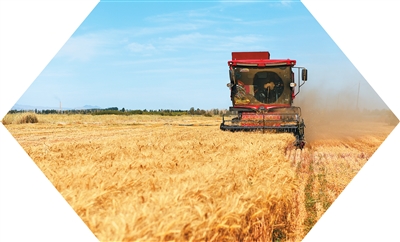
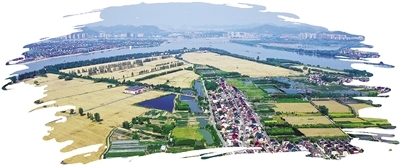
长安沙岛谱写新时代“田园牧歌”
Hang Zhou Ri Bao· 2025-06-12 03:04
Core Viewpoint - The article highlights the transformation of Chang'an Sand Island into a modern agricultural hub, showcasing advancements in agricultural practices and the integration of technology in farming, while also emphasizing the island's rich history and potential for future development in tourism and ecological initiatives [5][9][10]. Group 1: Agricultural Development - Over 4,600 acres of wheat were successfully harvested before the rainy season, with simultaneous efforts in drying and planting late rice [5][6]. - The island has adopted a "wheat-late rice" rotation model, addressing fragmented farmland issues and creating high-quality arable land suitable for modern agricultural production [6][9]. - The area has seen a mechanization rate of 100% in agricultural operations, with an expected average output value of over 3,000 yuan per mu, leading to an annual total output value of 20 million yuan [9][10]. Group 2: Historical Context and Transformation - Historically, the island has transitioned from traditional farming and aquaculture to modern agricultural practices, with significant developments in tree planting and fruit cultivation since the 2000s [7][9]. - The island was previously limited in development due to its designation as a primary drinking water source protection area, which has since changed to a secondary protection area, allowing for new agricultural initiatives [8][9]. - The island's geographical advantages and fertile soil have contributed to its reputation as a place of abundance, referred to as "Wufeng Island" by locals [6][7]. Group 3: Future Prospects - Plans are in place to expand into rural education, cycling tourism, and ecological camping, aiming to create an integrated industrial chain that combines agriculture, technology, and tourism [10]. - The island is positioned to become a model for future agricultural practices in Hangzhou, reflecting a commitment to sustainable and innovative farming methods [10].