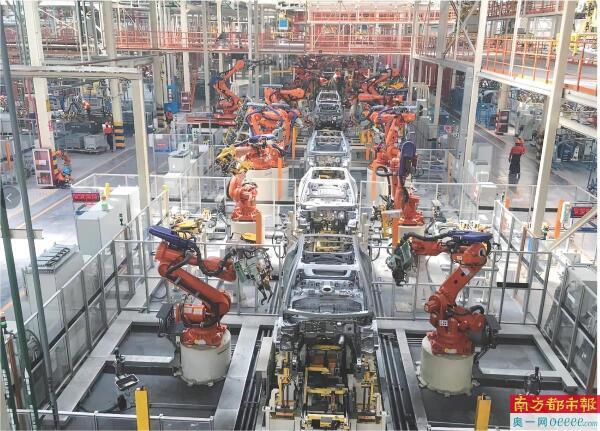
生物医药与健康

Search documents
奋力打造“强区强镇富民兴村”示范标杆
Nan Fang Du Shi Bao· 2025-09-29 23:15
Core Viewpoint - The article highlights the significant economic and developmental progress of Xinhui District, which has achieved a GDP exceeding 1 trillion yuan and is recognized as a national strong district in various categories, including comprehensive strength and green development [5][6][12]. Economic Breakthrough - In 2023, Xinhui District's GDP reached 102.81 billion yuan, marking a year-on-year growth of 7.2%, officially entering the "trillion club" [6]. - By 2024, the GDP is projected to rise to 106.37 billion yuan, with Xinhui maintaining its position in the national comprehensive strength top 100 districts, ranking 46th, an increase of one position from the previous year [6]. - In the first half of 2025, the GDP reached 49.76 billion yuan, leading the total in Jiangmen [6]. Modern Industrial System - Xinhui is focusing on a "2+2+N" modern industrial system, emphasizing high-end equipment manufacturing and new materials as strategic emerging industries [7]. - The industrial output value for key industries in 2024 is expected to reach 141.92 billion yuan, with significant growth in sectors like rail transportation and new energy batteries, each exceeding 50% year-on-year [7]. Urban Quality Improvement - Xinhui is enhancing urban functions to become a demonstration area for integrated urban-rural development, with significant investments in transportation infrastructure [9][10]. - The district is part of the Guangdong-Hong Kong-Macao Greater Bay Area, with improved connectivity through various highways and the opening of the Shenzhen-Zhongshan Bridge [9]. Social Development and Livelihood Upgrades - During the 14th Five-Year Plan, Xinhui is increasing public spending on education, healthcare, and ecological initiatives, with over 60 billion yuan allocated for public welfare [12][14]. - The district is developing a vocational education city, aiming for a scale of 150,000 students by 2027, and has introduced multiple higher education institutions [12]. Agricultural and Cultural Development - The Xinhui Chenpi (dried tangerine peel) industry has seen a total output value exceeding 26.1 billion yuan in 2024, with a year-on-year growth of 13% [17]. - The transformation of Qibang Village into a model of rural revitalization showcases the successful implementation of the "Hundred-Thousand Project," significantly increasing local income [15][16]. Industrial Transformation - Xinhui is transitioning from a ship dismantling hub to a high-tech manufacturing center, with the shipbuilding and marine engineering industry achieving a production value of 7.76 billion yuan in 2024, reflecting a growth of 39.9% [18].


《粤港澳大湾区(内地)人才需求目录》发布 通信技术工程师尤为稀缺
Ren Min Ri Bao· 2025-09-29 22:06
Core Insights - The "Talent Demand Directory for the Guangdong-Hong Kong-Macao Greater Bay Area (Mainland)" was released on September 27, highlighting the job demand in key strategic industries in Guangdong Province [1] - The directory reflects the talent shortages in industries such as new generation information technology, biomedicine and health, new energy, software and information services, and ultra-high-definition display [1] - Key positions with the highest demand include communication technology engineers, medical device researchers, photovoltaic system engineers, and Java engineers, with a notable shortage in communication technology engineers due to rapid industry growth [1] - The directory is a key project supported by the Ministry of Human Resources and Social Security to aid in the construction of a high-level talent hub in the Greater Bay Area, influencing talent policy and resource allocation [1]
《粤港澳大湾区(内地)人才需求目录》发布
Zhong Guo Xin Wen Wang· 2025-09-29 10:45
Core Insights - The "Talent Demand Directory for the Guangdong-Hong Kong-Macao Greater Bay Area (Mainland)" was released on September 27, highlighting the talent needs in the region [1] - The directory categorizes talent demands into industrial and public sector needs, reflecting the job requirements of 20 strategic industrial clusters in Guangdong [1] Industrial Talent Demand - Key industries with high talent shortages include new generation information technology, biomedicine and health, new energy, software and information services, and ultra-high-definition display [1] - The most in-demand positions are communication technology engineers, medical device researchers, photovoltaic system engineers, and Java engineers, with a particular scarcity in communication technology engineers due to rapid industry growth [1] Policy Implications - The directory serves as a key project supported by the Ministry of Human Resources and Social Security to build a high-level talent hub in the Greater Bay Area [1] - Its release is expected to positively influence Guangdong's industrial talent policies, guiding talent resources towards key regions, fields, and industries [1]
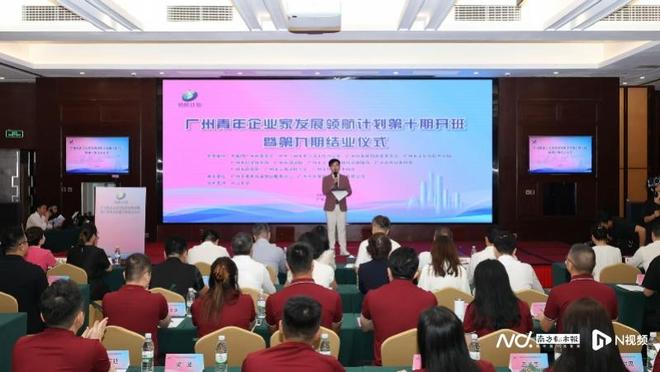
累计培养733名优秀青年企业家,广州“领航计划”再次起航
Nan Fang Du Shi Bao· 2025-09-28 01:54
Core Insights - The Guangzhou Youth Entrepreneur Development Navigation Program has launched its tenth session, aiming to empower young entrepreneurs for healthy development through a multi-dimensional approach [1][3] - The program received over 100 applications and selected 52 participants, with an average age of 35, and a significant portion holding advanced degrees [3][5] - The program will utilize a four-pronged service model focusing on leadership, capability enhancement, deep connections, and detailed services to support the comprehensive growth of young entrepreneurs [5][6] Program Details - The tenth session will start recruitment in June 2025 and will include a curriculum developed in collaboration with top universities, featuring a mix of academic, practical, and think-tank experts [5] - The opening lecture was delivered by Zhang Yunfeng, focusing on the impact of international economic relations on China's economy and providing strategic guidance for young entrepreneurs [5][6] - The program has successfully trained 733 young entrepreneurs over nine previous sessions, with participants primarily from emerging pillar industries, strategic leading industries, and modern service sectors [6][8] Participant Outcomes - Among the trained participants, there are 10 A-share listed companies, over 200 high-tech enterprises, and 300 national technology-based small and medium-sized enterprises [8] - The program has shown significant positive impacts on participants, with 92.28% reporting enhanced thinking skills, 91.45% indicating improved leadership abilities, and 95.01% experiencing broadened business perspectives [8]
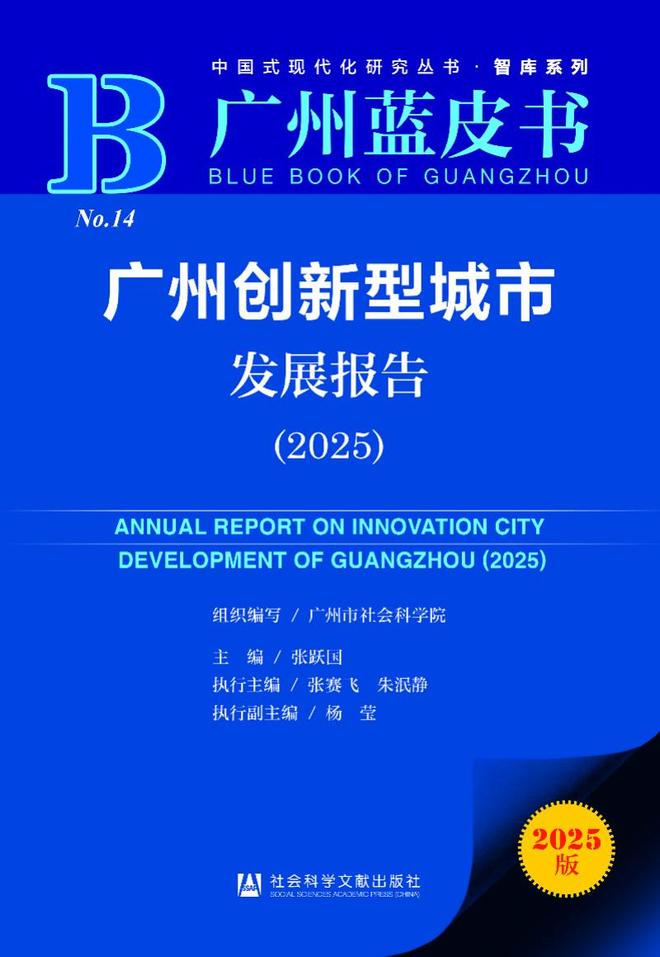
报告披露!广州高企超两成实现国产化替代,最看好人工智能
Nan Fang Du Shi Bao· 2025-09-23 13:24
Core Insights - The report indicates that over 20% of high-tech enterprises in Guangzhou have achieved domestic substitution through core technologies [1][4][5] - The new materials industry shows significant performance, with 57.1% of green petrochemical and new materials enterprises achieving domestic substitution, exceeding the average by 30.1 percentage points [5][4] - The report highlights that 48.2% of specialized and innovative enterprises in Guangzhou have over 80% of their revenue from high-tech products and services [5][4] Industry Performance - In 2024, 32.3% of surveyed enterprises reported revenue growth of 10% or more, while 12.2% experienced growth between 5% and 10% [4] - Market share analysis reveals that 4.1% of enterprises rank among the global leaders, 16.8% are among the domestic leaders, and 29.4% are in the upper-middle tier domestically [4] - Companies like Guangdian Yuntong, Guanggang Gas, and Zhongshan Precision are among the top three globally in their respective sectors [4] Technological Advancements - 5.4% of enterprises reported their core technologies are at the international leading level, while 29.2% are at the domestic leading level [5] - The report emphasizes the importance of specialized and innovative enterprises, which focus on niche markets and possess strong innovation capabilities [5] Future Outlook - The most promising sectors for high-tech enterprises in Guangzhou include artificial intelligence (38.9%), intelligent equipment and robotics (15.9%), and new energy and storage (over 5%) [6][8] - The report suggests that Guangzhou should establish a regional technology foresight system to systematically promote industrial technology foresight [8] Recommendations - It is recommended to create a normalized working mechanism for industrial technology foresight and establish a technology warning platform [8] - Encouragement for technology think tanks and consulting firms to provide personalized technology foresight and strategic consulting services to enterprises [8]
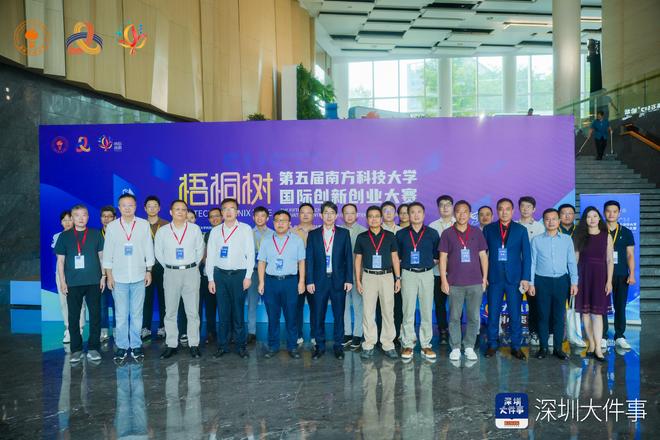
全球176个项目参赛!南科大“梧桐树”国际双创大赛收官
Nan Fang Du Shi Bao· 2025-09-22 06:51
Core Insights - The fifth "Wutong Tree" International Innovation and Entrepreneurship Competition concluded at Southern University of Science and Technology (SUSTech), attracting over 180 participants from various sectors including venture capital, finance, and entrepreneurship services [1][3] - The competition received 176 project entries from around the world, focusing on high-quality technology transformation and innovation in fields such as new-generation electronic information, high-end equipment manufacturing, new materials, and biomedicine [3][10] - A total of 12 teams advanced to the finals, with the first prize awarded to Bridge Interface Technology (Shenzhen) Co., Ltd. for their development of a general-purpose robot "brain," and nearly one million yuan in total prizes distributed [3][9] Competition Overview - The competition is part of SUSTech's national-level innovation and entrepreneurship demonstration base, emphasizing the integration of technology innovation and industrial innovation [3][6] - Since its inception in 2021, the competition has received a total of 876 project applications, with 75% of the 67 awarded companies from previous years successfully securing financing, amounting to over 3.6 billion yuan [6][7] - The event featured a professional evaluation panel consisting of experts from state-owned venture capital, industry capital, and successful angel investors, assessing projects based on key factors such as team dynamics, technology, market potential, and business models [6][7] Future Prospects - The competition aims to support the development of strategic emerging industries in Shenzhen, attracting high-quality entrepreneurial talent and venture capital resources [10][11] - Post-competition, SUSTech will continue to provide resources for project implementation in Shenzhen, including investment support and talent acquisition, leveraging the "Nankai Wutong" angel investment fund to follow up on awarded and participating projects [11]
广东8家组织获中国质量奖及提名奖 数量居全国第一 较上届增加3家
Nan Fang Ri Bao Wang Luo Ban· 2025-09-17 07:54
Group 1 - The fifth China Quality Award was held in Nanjing, with Guangdong winning a total of 8 awards, an increase of 3 from the previous edition, accounting for 8.5% of the national total [1] - TCL Technology Group Co., Ltd. won the China Quality Award, while seven other companies received nomination awards, showcasing a diverse range of sectors including private enterprises, state-owned enterprises, and engineering organizations [1] - The award-winning organizations represent key industries in Guangdong, such as automotive, ultra-high-definition display, biomedicine, and emerging sectors like semiconductors and high-end equipment manufacturing, highlighting their role in supporting quality and economic development [1] Group 2 - TCL's quality management model has been implemented across over 2,000 enterprises within its ecosystem, indicating a strong commitment to quality improvement [2] - Guangdong's recognition as the top province for the number of China Quality Awards reflects its efforts to build a modern industrial system supported by advanced manufacturing [2] - The province has established nine trillion-yuan industrial clusters and has maintained the highest regional innovation capability in the country for eight consecutive years, emphasizing its focus on enhancing quality and value in its industrial framework [2]





“只收梦想,不收租金”!“零租金”的风吹到多个大城市
Di Yi Cai Jing· 2025-09-16 10:43
Core Concept - The emergence of "zero rent" policies in major Chinese cities, driven by local governments and state-owned enterprises, aims to attract innovative startups and enhance urban economic development [2][4][5] Group 1: Zero Rent Policies - Shenzhen initiated a "zero rent" policy allowing qualifying small and micro tech enterprises to occupy 100,000 square meters of state-owned industrial park space with up to two years of rent-free occupancy [4] - Hangzhou's Qiantang Smart City announced a three-year rent exemption for its 20,000 square meter robot industrial park, with individual companies eligible for up to 1,000 square meters [4] - Guangzhou and Shanghai followed suit, with Guangzhou offering 150,000 square meters of zero rent space and Shanghai providing free office and living spaces for young entrepreneurs [5][6] Group 2: Competitive Landscape - The competition among core cities for high-quality industries and innovative projects is intensifying, with cities adopting aggressive incentives to attract startups [7][8] - Cities are focusing on strategic emerging industries such as intelligent connected vehicles, biomedicine, and artificial intelligence to draw in innovative enterprises [8][9] Group 3: Implications of Zero Rent - The "zero rent" initiative is viewed as a form of risk investment by local governments, potentially leading to future tax agreements or equity stakes in startups [9][10] - Guangzhou is exploring new models like "rent + equity" to support the growth of innovative projects, indicating a shift from traditional rental management to a more integrated service approach [10]
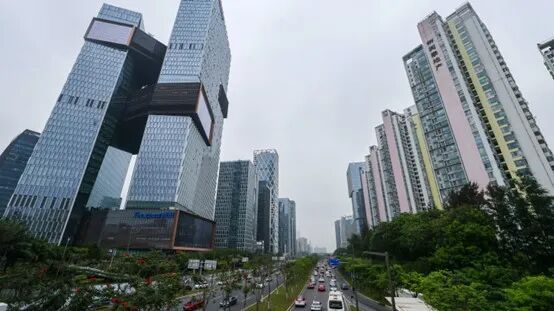
“只收梦想,不收租金”!“零租金”的风吹到多个大城市
第一财经· 2025-09-16 10:11
Core Viewpoint - The article discusses the emergence of a "zero rent" trend in major Chinese cities, where local governments and state-owned enterprises are offering rent-free office spaces to attract small and innovative enterprises, reflecting a shift in urban space management and operational logic [3][4][9]. Group 1: Zero Rent Initiatives - Shenzhen initiated a "zero rent" policy, allowing qualifying small and innovative enterprises to occupy 100,000 square meters of state-owned industrial park space rent-free for up to two years [5][6]. - Hangzhou and Suzhou followed suit, with Hangzhou's robot industrial park offering three years of rent-free space and Suzhou's plan providing two years of zero rent for various entrepreneurial teams [6][7]. - Guangzhou and Shanghai also launched similar initiatives, with Guangzhou offering 150,000 square meters of zero rent space and Shanghai providing free office and living spaces for young entrepreneurs [7][8]. Group 2: Competitive Landscape - The "zero rent" trend is driven by increasing vacancy rates and fierce competition among core cities to attract high-quality industries and innovative projects [9][10]. - Cities are targeting specific industries such as intelligent networking, biomedicine, and artificial intelligence, indicating a competitive environment where cities vie for innovative enterprises [10][11]. Group 3: Underlying Strategies - The zero rent offers are seen as a form of risk investment by local governments, with potential future agreements regarding tax requirements or equity stakes in the businesses [11][12]. - Guangzhou is exploring new models like "rent + equity" to support early-stage projects, aiming to build a new urban industrial ecosystem [12].
“小巨人”百万奖励背后的新质生产力战略
Nan Fang Du Shi Bao· 2025-09-02 23:12
Core Points - Guangzhou has launched an upgraded support policy for specialized, refined, distinctive, and innovative (referred to as "specialized and new") small and medium-sized enterprises (SMEs), with over 1 billion yuan allocated for various enterprise support measures over the next three years [2][3] - The city has cultivated 354 national-level "little giant" enterprises and 6,399 specialized and new SMEs, generating over 800 billion yuan in annual revenue, positioning them as a driving force for new productivity [3][10] - The support measures include 25 initiatives across seven areas, such as enhancing financial support, promoting digital transformation, and optimizing comprehensive services [3][4] Financial Support - New recognized "little giant" enterprises will receive a maximum reward of 1 million yuan, while national-level manufacturing champions can receive up to 1.5 million yuan [3] - Additional financial incentives include up to 500,000 yuan for specialized and new enterprises undergoing technological transformation and 100,000 yuan for "little giant" enterprises expanding their capital [4][8] Land and Cost Reduction - Guangzhou is implementing policies to reduce land acquisition costs for specialized and new SMEs, including long-term leases and flexible land transfer terms [6][7] - The city offers an "interest-free installment" policy for industrial projects, allowing enterprises to pay only 50% of the land transfer fee upfront [7] Innovation and Growth - Specialized and new enterprises in Guangzhou have an average growth rate of 18.1% over the past three years, significantly higher than the industry average [10] - The R&D expenditure of "little giant" enterprises is 8.8%, surpassing the city's average, with an average of 40.93 patents per "little giant" enterprise [11] Industry Focus - Over 60% of "little giant" enterprises are in the industrial foundation sector, with 90% involved in key industries such as intelligent networking, new energy vehicles, biomedicine, artificial intelligence, and semiconductors [12]