电梯

Search documents
破局全球变局,锚定中国机遇,第八届全球商业领袖论坛共绘商业新生态
Jing Ji Guan Cha Wang· 2026-01-28 08:15
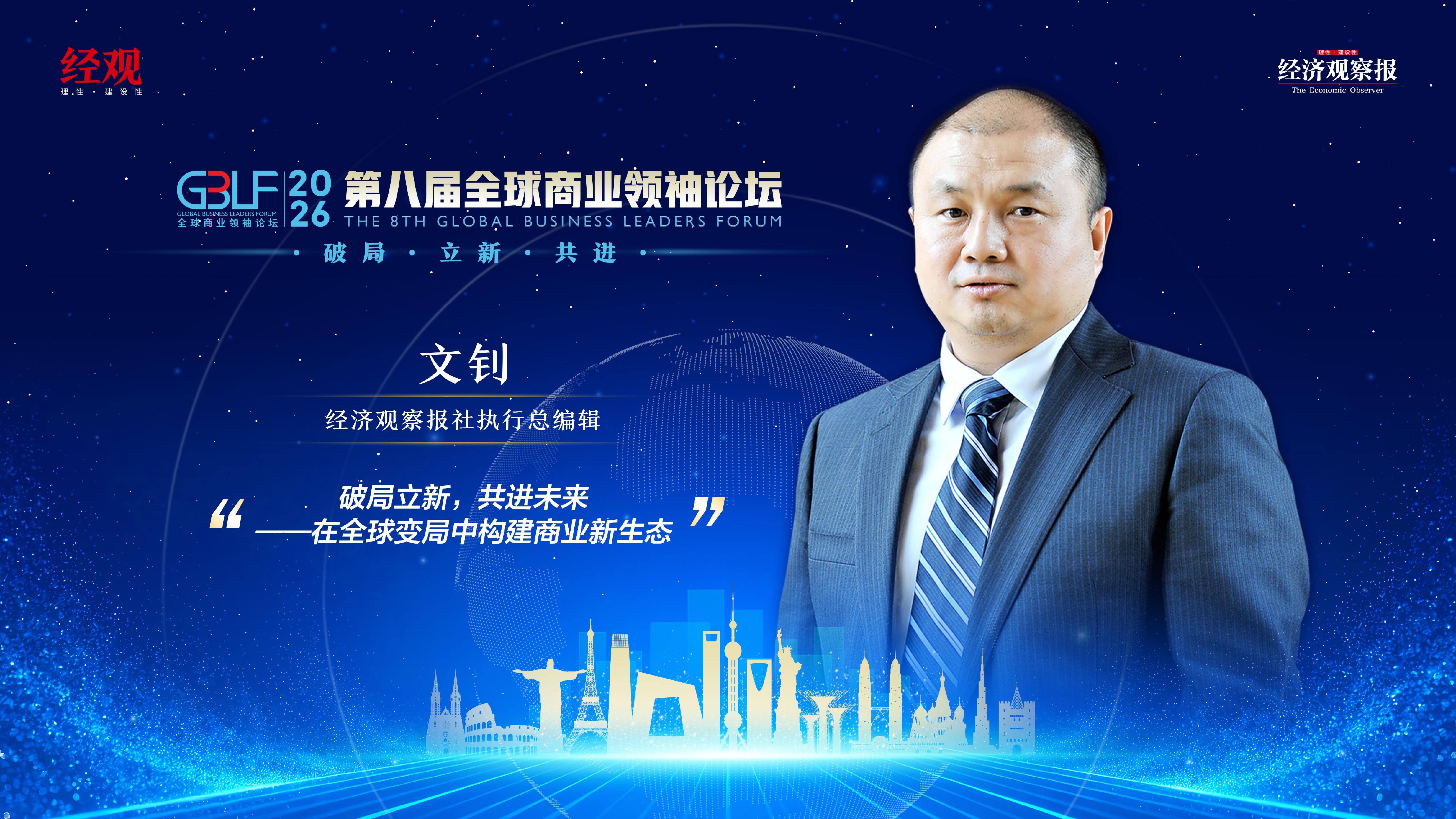
Group 1 - The forum emphasized the theme of "Breaking the Impasse, Innovating, and Advancing Together," focusing on building a sustainable and resilient business ecosystem through open cooperation, technological innovation, and green transformation [1][2] - The current global economic landscape is undergoing complex adjustments due to geopolitical factors and industrial chain restructuring, presenting both challenges and new opportunities [2][5] - China is positioned as a key stabilizer in the global economy, expanding its openness and optimizing the business environment to provide ample development space for multinational and local enterprises [2][5] Group 2 - The concept of "Innovation" involves embracing digital technology, artificial intelligence, and green low-carbon initiatives as core drivers for business transformation [5][20] - The "Advancing Together" aspect calls for collaboration among enterprises from different countries to build an inclusive, green, and resilient global business ecosystem [5][20] - By 2025, China's GDP is projected to exceed 140 trillion yuan, with a year-on-year growth of 5%, reflecting strong resilience and structural optimization in the economy [5][14] Group 3 - The forum highlighted the importance of releasing private investment vitality, optimizing policy synergy, and deepening institutional openness to solidify the foundation for high-quality development [14][39] - Emerging technologies such as artificial intelligence, big data, and new energy are identified as new engines for economic growth, driving deep restructuring of global industrial and supply chains [14][20] - Chinese companies like Huawei and BYD are playing an active role in globalization, leveraging technological innovation and global positioning to contribute to world economic development [20][39] Group 4 - The forum featured discussions on how traditional telecom industries can integrate mobile communication capabilities into the real economy to address structural challenges [21][29] - Companies like Cytiva and 3M shared insights on local innovation and how they are adapting to the Chinese market by enhancing engineering capabilities and developing localized products [26][29] - The importance of deep localization and proactive restructuring by multinational tech companies to meet unique market demands in China was emphasized [35][39] Group 5 - The forum concluded with a consensus that China is not only a crucial stabilizer and core market for global development but also offers unprecedented opportunities for multinational enterprises through institutional openness and technological empowerment [38][39] - The discussions underscored the need for action to translate the forum's insights into partnerships and collaborative efforts to shape a more resilient, inclusive, and sustainable global business future [38][39]

省市场监管局局长沈海斌走进“在线访谈”节目 ——筑造“品质江苏”,夯实质量强省根基
Xin Hua Ri Bao· 2026-01-27 00:34
Group 1 - The core idea of the article is the promotion of "Quality Jiangsu" to enhance high-quality development, improve living standards, and achieve efficient governance through various initiatives led by the Jiangsu Provincial Government [1] - Jiangsu's market supervision department has guided 457,000 units to establish product quality safety archives, maintaining a good quality safety situation over the past three years [2] - The introduction of the "Su Zhi Dai" quality financial product in 2022 has supported over 20,000 enterprises, with a total financing exceeding 200 billion yuan, making it the largest credit scale in the country [2] Group 2 - A total of 1,147 enterprises have had 1,165 products (services) certified as "Jiangsu Quality," with a focus on brand protection through a collaborative mechanism that has resolved 36 cases and recovered over 38 million yuan for enterprises [3] - Jiangsu is enhancing its quality infrastructure across various sectors, integrating quality elements into the entire industrial chain, and has established 58 quality innovation alliances involving leading enterprises and technical institutions [4] - The province is actively developing future industry standards and has completed the standardization work for six future industries, including artificial intelligence and integrated circuits [5][6] Group 3 - Jiangsu has issued deep inspection reports for 27,000 elevators and has updated over 5,000 old residential elevators, enhancing safety through smart regulation and innovative maintenance models [7] - The province has implemented measures to strengthen food safety regulation across the entire supply chain, addressing issues related to food sources, distribution, and new business models [7] - Consumers are advised to choose reputable online food vendors and to report any food safety issues or disputes through designated complaint channels [8]
全力筑牢安全生产坚固防线
Xin Lang Cai Jing· 2026-01-26 20:02
Core Viewpoint - The central safety production assessment and inspection aims to identify and rectify safety hazards in key industries such as hazardous chemicals and mining, emphasizing the need for strict accountability and effective management to prevent accidents [1][5]. Group 1: Safety Inspection Findings - The inspection teams discovered numerous safety issues, including unauthorized construction of rest areas near hazardous materials storage, malfunctioning fire systems, and gas leaks in self-rescue devices in coal mines [1]. - In construction sites, significant risks were identified, such as a lack of third-party monitoring for deep foundation pits and unapproved construction activities, which could endanger public safety [2]. - A total of nearly 7,000 safety hazards were identified across 31 provinces, with 225 classified as major accident hazards, highlighting the widespread nature of safety issues [4]. Group 2: Regulatory Measures and Recommendations - The assessment emphasizes a proactive approach to safety management, advocating for comprehensive monitoring and accountability across all levels of operation, including the implementation of strict approval systems for high-risk activities [3][4]. - Various local governments have initiated measures to enhance safety management, such as credit risk grading for safety evaluation agencies and mandatory emergency plan checks for hazardous chemical enterprises [4]. - The inspection process is designed not only to identify problems but also to provide guidance for rectification, ensuring that safety measures are effectively implemented and maintained [3][5].
我省今年扩围支持设备更新 优化实施消费品以旧换新
Xin Lang Cai Jing· 2026-01-24 21:42
Group 1 - The provincial development and reform commission and finance department have announced a policy to promote large-scale equipment updates and a trade-in program for consumer goods in 2026 [1] - The policy will expand support for equipment updates across various sectors, including the addition of new areas such as old community elevator installations, elderly care facilities, and fire rescue equipment [1] - There will be increased support for the replacement of old operational trucks and the update of new energy city buses, as well as the scrapping and updating of old agricultural machinery [1] Group 2 - The policy includes a unified subsidy standard for the trade-in of cars, six categories of home appliances, and four categories of digital and smart products, with specific provisions for smart home products [1] - The province aims to enhance recycling and circular economy efforts by improving the recycling network and encouraging the development of "Internet + second-hand" models [2] - The policy emphasizes the need to strengthen standards and accelerate the development of a standard system, with plans to revise or participate in the creation of 20 national and industry standards and implement 50 local and group standards [2]
通用电梯发预亏,预计2025年度归母净亏损4000万元–5500万元
Zhi Tong Cai Jing· 2026-01-23 11:04
Group 1 - The company, General Elevator (300931.SZ), has disclosed its performance forecast for the year 2025, expecting a net loss attributable to shareholders of between 40 million and 55 million yuan [1] - The net loss after deducting non-recurring gains and losses is anticipated to be between 38 million and 53 million yuan [1]

通用电梯(300931.SZ)发预亏,预计2025年度归母净亏损4000万元–5500万元
智通财经网· 2026-01-23 10:48
Core Viewpoint - The company, General Elevator, has disclosed its performance forecast for the fiscal year 2025, indicating a projected net loss attributable to shareholders ranging from 40 million to 55 million yuan, with a net loss of 38 million to 53 million yuan after excluding non-recurring gains and losses [1] Financial Performance - The expected net loss for the company is between 40 million and 55 million yuan [1] - The projected net loss after deducting non-recurring items is estimated to be between 38 million and 53 million yuan [1]
首批设备更新资金下达 稳投资力度加码可期
Sou Hu Cai Jing· 2026-01-22 22:20
Group 1 - The first batch of 936 billion yuan in ultra-long-term special government bonds for equipment renewal has been allocated, marking an increase compared to the same period in 2025, which injects certainty into the economic outlook for the new year and highlights the intensified investment stabilization policies for this year [1] - In 2025, investment in the purchase of equipment and tools grew by 11.8% year-on-year, accounting for nearly 20% of total fixed asset investment, making it a key component in stabilizing the investment base [1] - The current investment cycle in China is in its fourth round, with significant demand for equipment updates driven by systemic generational gaps in manufacturing, healthcare, and education sectors, with an estimated annual equipment renewal demand exceeding 5 trillion yuan in key areas such as agriculture and industry [1] Group 2 - In addition to supporting equipment updates, the construction of major projects in China has significantly increased at the beginning of the year, with approximately 295 billion yuan in advance batch "two heavy" construction project lists and central budget investment plans allocated before the new year [2] - With the implementation of a comprehensive policy package, accelerated disbursement of central budget investments, proactive issuance of local government special bonds, and structural interest rate cuts by the central bank, research institutions generally expect investment growth to stabilize in the first quarter [2] - Given that the total fiscal expenditure scale for 2026 will "only increase and not decrease," the efforts to stabilize investment are expected to continue intensifying, leading to a gradual recovery in investment [2]
外资再投资中国:新政策与激励措施
Sou Hu Cai Jing· 2026-01-19 00:54
Core Viewpoint - China is enhancing its efforts to attract foreign investors through new policies that promote reinvestment of profits locally, offering tax breaks, expedited approvals, and improved business services [2][3]. Foreign Investment and Reinvestment - During the "14th Five-Year Plan," China attracted US$708.7 billion in foreign investment and established 229,000 new foreign enterprises [3]. - The "Measures to Encourage Foreign-Invested Enterprises to Reinvest in China" were introduced by the NDRC, Ministry of Finance, and Ministry of Commerce to support long-term investment growth [3]. Reinvestment Definition and Implications - Reinvestment involves foreign companies reinvesting their profits earned in China back into the local market for further growth [4]. - This can include launching new ventures, expanding existing operations, and acquiring shares or assets in Chinese companies [4]. Profit-Retention and Reinvestment Loop - The goal is to create a cycle where earnings remain in China, promoting expansion and unlocking benefits such as tax incentives and streamlined approvals [5]. Key Incentives for Foreign Investors - The new policy includes 12 measures to facilitate reinvestment, such as faster project approvals, simplified paperwork, flexible land-use options, tax credits of up to 10% for reinvested profits, easier foreign exchange and financing support, and priority access to high-tech industries [6][7][8][9][10]. Multinational Responses - Major multinationals are responding positively to these incentives, with examples including Lexus completing a new energy project in Shanghai in under five months, Vandewiele opening its largest manufacturing base in Jiangsu, and Weidmann Electrical Insulation launching a US$91 million plant in Wuhan [11][12][14]. - Executives express confidence in China's market prospects, highlighting the benefits of streamlined approvals and tax credits [15][16][17]. Focus on High-Tech and R&D - High-tech industries accounted for 34.6% of foreign investment in 2024, reflecting a six-point increase since 2020 [18]. - Multinationals are establishing R&D centers and regional headquarters to support local product development, with innovation clusters in cities like Shanghai, Shenzhen, and Wuhan driving growth in various sectors [19][20]. Financial Benefits and Policy Support - China's reinvestment framework offers financial benefits such as tax credits for reinvested profits, flexible land-use policies, and streamlined foreign exchange and financing services [22][23]. - Companies are leveraging these advantages to accelerate projects and drive sustainable growth, as seen in Otis's plans for elevator modernization and L'Oréal's investment in green manufacturing [24]. Strategic Timing for Reinvestment - With favorable tax incentives and support for key industries, China is positioning itself as a long-term growth hub for global companies [25]. - Reinvesting now allows businesses to reduce operational costs, access booming sectors, and establish local partnerships, thereby benefiting from China's evolving markets [26].

电梯+储能+5G概念联动2连板!世嘉科技10时19分再度涨停,背后逻辑揭晓
Jin Rong Jie· 2026-01-16 02:29
Group 1 - Sega Technology has experienced a consecutive two-day trading limit increase, achieving a two-day board upgrade [1] - The stock reached a trading limit at 10:19 AM with a transaction volume of 795 million yuan and a turnover rate of 8.31% [1] - The market is optimistic about the future development of the elevator and 5G industries, as well as potential opportunities in the energy storage sector, which has attracted market attention to the company [1]

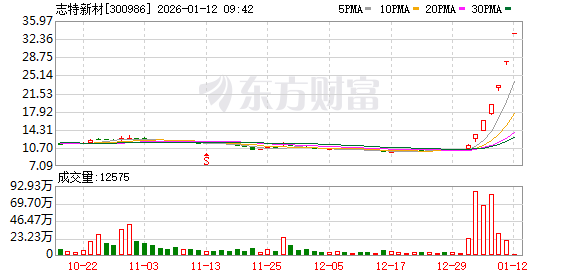
竞价看龙头:志特新材“20CM”6连板
Mei Ri Jing Ji Xin Wen· 2026-01-12 01:42
Group 1 - The market focus stocks include Fenglong Co., which has a 11-day continuous rise, and Jia Mei Packaging, which has a 12-day continuous rise, both hitting the upper limit during the auction [2] - Tianpu Co. experienced a 4-day continuous decline, hitting the lower limit during the auction, while Guosheng Technology opened up by 7.98% after 5 days of trading [2] - The commercial aerospace concept stock Luxin Chuangtou has a 9-day continuous rise, hitting the upper limit during the auction, and Goldwind Technology opened up by 6.42% after 10 days of trading [2] Group 2 - China Satellite Communications opened up by 4.10% after 9 days of trading, indicating positive market sentiment [2] - AI application concept stocks such as Zhite New Materials and Kuaiyi Elevator both hit the upper limit during the auction, reflecting strong investor interest [2] - The nuclear power sector saw China First Heavy Industries open up by 5.36% after 3 days of trading, while Hongxun Technology remained flat [2]