
粮食产业

Search documents
三部门部署国家农业现代化示范区创建工作
Xin Lang Cai Jing· 2026-01-16 11:54
Core Viewpoint - The Ministry of Agriculture and Rural Affairs, the Ministry of Finance, and the National Development and Reform Commission have issued the "National Agricultural Modernization Demonstration Zone Creation Work Plan," which outlines the creation of demonstration zones as a key strategy to accelerate agricultural modernization in China [1][2]. Group 1: Overall Requirements - The creation of demonstration zones is guided by Xi Jinping's Thought on Socialism with Chinese Characteristics for a New Era and aims to implement the spirit of the 20th National Congress of the Communist Party of China [1]. - The plan emphasizes the importance of deepening reforms and technological innovation, focusing on enhancing agricultural comprehensive production capacity and quality efficiency [1]. Group 2: Creation Goals - By 2030, the plan aims to establish no more than 500 recognized demonstration zones, focusing on six types: grain industry, animal husbandry, advantageous specialty industries, smart agriculture, urban agriculture, and dry farming [2]. - The goal is to enable qualified demonstration zones to achieve basic agricultural modernization ahead of others, creating a phased construction pattern with key breakthroughs [2]. Group 3: Creation Tasks - The plan specifies the creation positioning, application standards, and goals for each type of demonstration zone, incorporating both "regular tasks + special tasks" to advance the creation work [2]. - Counties applying for demonstration zones must select a type that meets the application standards and strengthen organizational leadership and innovative mechanisms [2]. Group 4: Work Procedures and Measures - The demonstration zones will follow a "create first, recognize later" approach, with annual progress [2]. - Agricultural departments at all levels are required to enhance organizational leadership, policy support, guidance services, and promote effective outcomes in the creation work [2].
农业农村部等三部门:到2030年累计创建认定示范区不超过500个
Xin Lang Cai Jing· 2026-01-16 11:37
Core Viewpoint - The Ministry of Agriculture and Rural Affairs, the Ministry of Finance, and the National Development and Reform Commission have issued a work plan for the creation of national agricultural modernization demonstration zones, aiming to establish a structured approach to agricultural modernization by 2030 [1] Group 1: Overall Requirements and Goals - The plan sets a target to create no more than 500 recognized demonstration zones by 2030 [1] - The focus will be on six types of demonstration zones: grain industry, aquaculture, advantageous and characteristic industries, smart agriculture, urban agriculture, and dryland farming [1] Group 2: Implementation Strategy - The plan emphasizes that demonstration zones with favorable conditions should achieve basic agricultural modernization ahead of others [1] - A phased approach will be adopted to ensure key breakthroughs and gradual advancement in the construction of these zones [1]
产业升级持续 我国粮食流通进入新阶段
Zhong Guo Chan Ye Jing Ji Xin Xi Wang· 2026-01-09 00:35
Core Insights - The grain industry in China is entering a new phase characterized by significant market performance and stable production value, with total grain industry output remaining above 4 trillion yuan [1][2] Group 1: Market Performance - Corn prices are rising, leading to robust purchasing and sales, while soybean production has reached a historical high, and rice is exhibiting premium pricing characteristics [1] - In 2025, various enterprises are expected to purchase a total of 830 billion jin of grain, maintaining a stable level above 800 billion jin for three consecutive years [2] - The prices of major grain varieties are on the rise, with corn prices increasing year-on-year and rice prices remaining stable under policy support [2] Group 2: Industry Development - The core engine for high-quality development in the grain industry lies in deep processing, branding, and technological empowerment [3] - The government is focusing on advancing grain industry projects, promoting new technologies and equipment, and enhancing grain quality management and standards [3] - A modern grain industry system is being established to enhance resilience against risks and shocks, supported by robust reserve and emergency systems [3] Group 3: Governance and Regulation - The modernization of governance capabilities is essential for market regulation, industry upgrading, and system strengthening [4] - Significant progress has been made in legal frameworks for grain safety, including the implementation of the Grain Safety Guarantee Law and revisions to grain circulation management regulations [4] - The enforcement of grain circulation regulations has been strengthened, with a national hotline receiving over 3,227 reports and recovering over 43 million yuan in overdue payments to farmers [5]
2026年“三农”工作怎么干?把握哪些关键点?专家解读中央农村工作会议
Yang Shi Wang· 2025-12-31 04:52
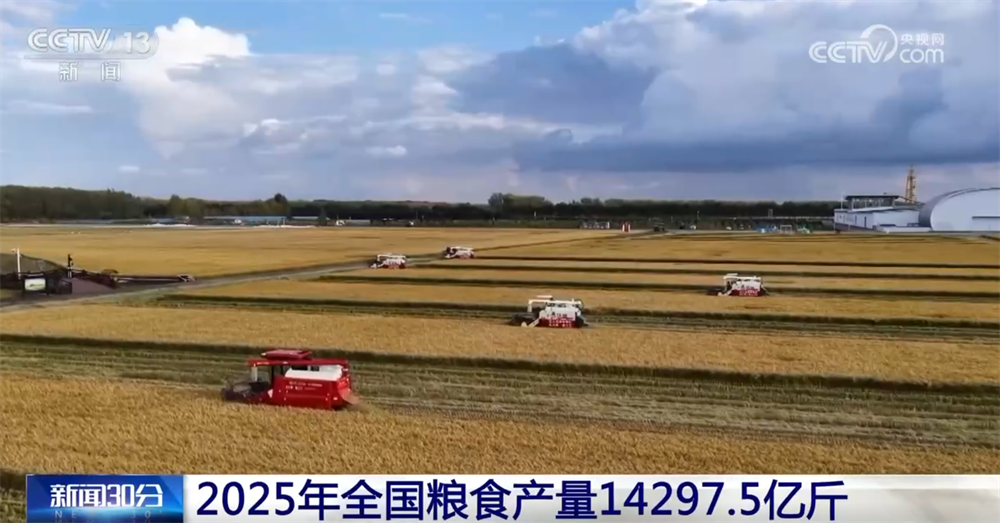
Core Viewpoint - The Central Rural Work Conference emphasizes the importance of stabilizing grain and oil production, with a focus on enhancing agricultural resilience and quality improvement in the context of food security and rural revitalization. Group 1: Grain Production and Security - By 2025, the national grain output is projected to reach 14,297.5 billion jin, an increase of 167.5 billion jin or 1.2% from the previous year, with total grain purchases expected to exceed 8,300 billion jin for three consecutive years [1][3] - The conference highlights the need for a new round of actions to enhance grain production capacity, indicating a shift from merely ensuring quantity to improving quality and capacity on a higher baseline [5][3] Group 2: Agricultural Infrastructure and Resilience - The meeting calls for strengthening farmland protection and quality improvement, alongside enhancing water conservancy infrastructure and agricultural disaster prevention capabilities [5][3] - In extreme conditions, the goal is to reduce reliance on weather-dependent farming practices, ensuring stable agricultural production [7] Group 3: Rural Revitalization and Farmer Support - The year 2025 marks the final year of the transition period for consolidating poverty alleviation achievements and connecting them with rural revitalization efforts [7] - Policies aimed at improving the effectiveness of agricultural support and ensuring reasonable prices for key agricultural products are crucial for increasing farmers' income [9] Group 4: Quality of Rural Life - The conference emphasizes creating high-quality living spaces in rural areas, allowing farmers to share in the benefits of modern civilization and improve their living conditions [11]

我国粮食流通能力持续提升
Sou Hu Cai Jing· 2025-12-30 21:59
Core Insights - The total grain acquisition by various enterprises reached 830 billion jin this year, with a storage loss rate for farmers reduced to approximately 3%, a decrease of 5 percentage points compared to a decade ago [1][2] - The grain industry is expected to maintain a total output value of over 4 trillion yuan by 2025, supported by sufficient government reserves and improved storage structures [1][2] Group 1: Grain Acquisition and Market Stability - Grain production in China reached 14,297.5 billion jin this year, an increase of 167.5 billion jin from the previous year [2] - The grain acquisition volume has remained stable above 800 billion jin for three consecutive years, indicating a robust grain market [2] - The government is focused on ensuring stable prices and supply, especially as the New Year and Spring Festival approach, with efforts to enhance grain acquisition [2] Group 2: Development of the Grain Industry - The grain industry is experiencing simultaneous growth in scale and efficiency, with significant investments in quality grain projects leading to improved industry standards [3] - By September this year, 462 billion yuan in fiscal funds had been allocated, attracting over 840 billion yuan in social investment for more than 8,400 projects [3] - The government aims to support the development of grain market entities and enhance grain quality management and technological support [3] Group 3: Storage and Regulatory Improvements - The construction of grain storage and logistics projects has advanced, with over 730 million tons of standard grain storage capacity available [4] - A significant transformation in grain management and storage methods has occurred, with a focus on legal governance and information-based supervision [4] - The government is committed to enhancing the regulatory framework and modernizing grain and material reserve management by 2026 [5]
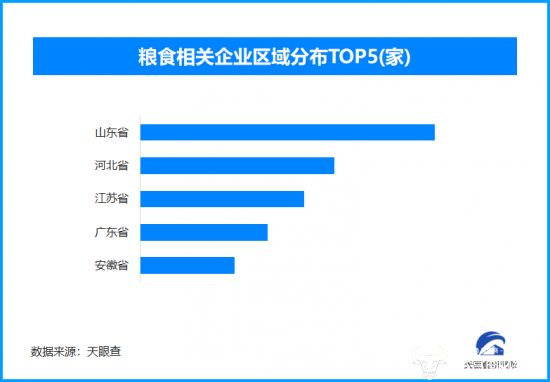
2025全国粮食再丰收 现存粮食相关企业超22万家
Xin Lang Cai Jing· 2025-12-28 07:03
国家统计局数据显示,2025年全国粮食产量达14297.5亿斤,比去年增加167.5亿斤,增长1.2%,稳定在 1.4万亿斤以上。粮食播种面积持续增加,2025年达17.91亿亩,连续6年增长。这得益于各地强化耕地保 护和质量提升,优化种植结构,推进土地综合整治等。 尽管部分地区受灾,但全国大部农区气象条件良好,单产水平持续提升。多数省份粮食增产,主产区作 用明显,内蒙古、黑龙江等地合计增产近七成。 在粮食产业从生产、收储、加工到流通的全链条中,涉及大量企业与经济主体。无论是寻找稳定的粮源 供应商还是进行供应链金融或产业投资,全面、准确的企业信息都至关重要。天眼查所提供的一站式企 业信息查询与风控工具,为政府部门、科研机构、产业链企业及金融机构等参与者,提供了透明的数据 支持和决策辅助,有助于提升产业链各环节的协同效率与风险管理能力,共同守护国家粮食安全的生命 线。 在深入合作或投资前,通过天眼风险监测,可以识别目标企业是否存在经营异常,保障交易安全。对于 希望洞察企业资本背景与实控情况的用户,股东信息查询结合股权全景穿透图,能够精准定位最终受益 人,理解企业的实际控制权归属。粮食安全是"国之大者",其背后是 ...
临沂:粮食安全赋能革命老区振兴发展
Xin Lang Cai Jing· 2025-12-27 17:39
Core Viewpoint - Since the beginning of the 14th Five-Year Plan, Linyi City in Shandong Province has taken strong measures to ensure food security, improve food storage and circulation tasks, and enhance the quality of the food industry, thereby injecting strong momentum into the revitalization of the Yimeng revolutionary old area. Group 1: Food Security and Storage System - The local food reserve scale has been stabilized, and the structure of varieties has been optimized, forming a food regulation mechanism primarily driven by market adjustments, with government support [1][2] - Encouragement for large-scale food processing enterprises to establish social responsibility reserves has been implemented, leading to a more diversified and layered food reserve system [1] Group 2: Food Circulation and Infrastructure - A robust food purchase and sales circulation system has been established, with an annual food circulation volume exceeding 20 million tons [2] - Continuous improvement of food circulation infrastructure has been achieved, with 100% application rates of mechanical ventilation and grain condition monitoring technologies in local state-owned food reserve enterprises [2] Group 3: Monitoring and Emergency Response - A comprehensive monitoring and early warning system has been established, with 11 national monitoring points and 79 provincial monitoring points covering 12 counties and districts [3] - The city has set up 175 emergency supply points, achieving full coverage at the township and street level, and has 264 various emergency guarantee enterprises [3] Group 4: Legal Compliance and Quality Control - The city has implemented a special action plan for administrative law enforcement in the grain and reserve industry, conducting over 500 inspections annually from 2021 to 2025 [3] - Strengthening of food quality safety monitoring has been emphasized, with the local grain quality testing center recognized as a national grain and oil standard verification work station [3] Group 5: Food Processing Industry Development - Linyi City has focused on the integrated development of the entire grain processing chain, achieving a total processing output value of 226.364 billion yuan from 2021 to 2024, ranking fourth in the province [4] - The city promotes the "Yimeng Peanut Oil" regional public brand, with significant market presence, including five famous trademarks and products exported to over 50 countries and regions [4]
“十四五”山东粮食产业工业总产值连续三年突破5000亿元,稳居全国首位
Da Zhong Ri Bao· 2025-12-27 01:06
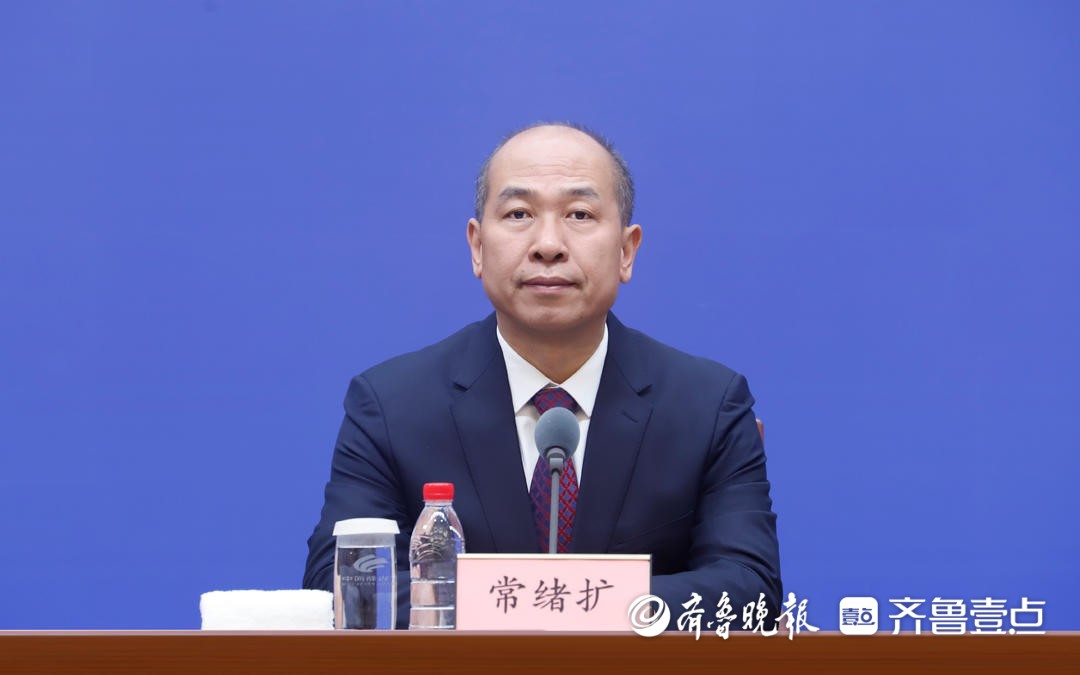
Core Insights - Shandong's grain industry has maintained an industrial output value exceeding 500 billion yuan for three consecutive years, accounting for over one-eighth of the national total, solidifying its position as the leading province in China [2][3][4] Group 1: Grain Production and Storage - During the "14th Five-Year Plan" period, Shandong's average annual grain procurement volume is projected to exceed 38 million tons, with a total grain circulation surpassing 160 million tons [2] - The province's grain storage capacity has reached a new high, with a total capacity of 46.09 million tons and a tank capacity of 2.68 million tons [2] - Local reserve grain and oil scales have exceeded the national targets, with local reserve grain surpassing the national plan by 55%, marking a 27% increase since the end of 2020 [2] Group 2: Technological Innovation and Processing - The "Grain Core Plan" has seen a cumulative investment of 6.68 billion yuan in technology, leading to the establishment of five major technology innovation centers recognized by the National Grain and Material Reserve Bureau [3] - Shandong has developed over 600 types of deep-processed grain products, achieving a utilization rate of over 98% for grain by-products, with soybean protein production accounting for over 60% of the national total [3] Group 3: Branding and Market Influence - The "Qilu Grain and Oil" public brand has been established, with over 2 billion yuan in fiscal investment leading to nearly 10 billion yuan in enterprise technological upgrades [4] - Shandong has successfully placed 72 products on the "China Good Grain and Oil" list, ranking first in the nation, and the brand value of "Qilu Grain and Oil" is assessed at 92.1 billion yuan [4]
“十四五”期间,山东粮食产业工业总产值连续三年超5000亿元,稳居全国首位
Qi Lu Wan Bao· 2025-12-26 09:00
Core Insights - The "14th Five-Year Plan" period has seen significant progress in Shandong's construction of the "Qilu Granary," with a focus on ensuring stable grain supply and implementing strategic projects [3][4][5] Grain Supply and Storage - Shandong's grain procurement has averaged over 38 million tons annually, with total grain circulation exceeding 160 million tons, effectively stabilizing market supply and prices [3] - The province has added 440,000 tons of provincial reserve grain and 2,200 tons of peanut oil, optimizing the variety of reserves to include corn and soybean meal [3] - A robust emergency grain supply system has been established, with 3,514 enterprises and 2,468 supply points, capable of supporting 3 million people for 10 days or 300,000 people for 100 days in emergencies [3] Grain Industry Development - The total industrial output value of Shandong's grain industry has exceeded 500 billion yuan for three consecutive years, accounting for over one-eighth of the national total [4] - The province has implemented the "Grain Core Plan," fostering a complete wheat green cycle industry chain and producing over 600 products from a single wheat grain [4] - Shandong has become a leading producer of edible vegetable oils, processing 31 million tons of oil annually and supplying over 50% of the national demand for peanut and corn oil [4] Storage and Logistics Infrastructure - Shandong has enhanced its grain storage capacity by constructing and upgrading facilities to reach a total storage capacity of 46.09 million tons [5] - The province has improved the structure of grain storage logistics, with several cities exceeding 400,000 tons in storage capacity, and has developed a robust logistics network centered around key cities [5] Digitalization and Information Management - A comprehensive grain purchase and storage regulatory information system has been established, achieving full coverage of data management and monitoring across 292 storage areas [6] - The "Smart Granary" project has been initiated to enhance monitoring and management efficiency, with 37 projects underway to automate operations and provide real-time alerts [6] Material Reserve Management - Shandong has strengthened its strategic and emergency material reserve management, increasing the provincial emergency disaster relief material reserve to 760,000 items [7] - The province has established a provincial emergency material reserve base and signed agreements with 21 production enterprises to ensure a daily production capacity of 167,000 items in emergencies [7] - A legal framework for grain safety has been enhanced, with the implementation of various regulations and a focus on maintaining the rights of grain producers and operators [7]
“十四五”期间山东粮食工业总产值连续三年超5000亿元,居全国首位
Feng Huang Wang Cai Jing· 2025-12-26 07:55
Core Insights - The Shandong provincial government is making significant progress in the construction of the "Qilu Granary" during the 14th Five-Year Plan period, focusing on food security and material reserves. Group 1: Food Supply Security - Shandong has effectively ensured stable food supply with an average grain purchase volume exceeding 38 million tons annually and a total grain circulation of over 160 million tons, maintaining market supply and price stability [1] - The province has signed strategic agreements for grain production and sales cooperation with over 20 provinces, optimizing the reserve structure by adding 440,000 tons of provincial reserve grain and 2,200 tons of peanut oil [1] - A comprehensive emergency food supply system has been established, with 3,514 emergency guarantee enterprises and four regional emergency guarantee bases capable of supplying food for 300,000 people for 100 days [1] Group 2: Grain Industry Development - The total industrial output value of Shandong's grain industry has exceeded 500 billion yuan for three consecutive years, accounting for over one-eighth of the national total [2] - The province is promoting the "Grain Core Plan" to enhance the competitiveness of the grain industry, resulting in the development of a complete wheat green circular industry chain and the establishment of 10 grain characteristic industrial clusters [2] - Shandong has become a leading producer of edible vegetable oils, processing 31 million tons of oil annually and supplying over 50% of the national demand for peanut and corn oil [2] Group 3: Storage and Logistics Infrastructure - Shandong has increased grain storage capacity by 10.94 million tons, with total storage capacity reaching a new high of 46.09 million tons [3] - The province is enhancing the structure of grain storage and logistics facilities, with several cities exceeding 400,000 tons in storage capacity [3] - A robust grain logistics network has been established, centered around four national grain logistics hubs and several key nodes [3] Group 4: Information Technology in Grain Management - Shandong has developed a comprehensive grain purchase and storage regulatory information system, achieving full coverage of information management and monitoring in 292 storage areas [4] - The province is implementing the "Smart Granary" project to enhance monitoring efficiency and has established a digital platform covering the entire grain supply chain [4] Group 5: Material Reserve Management - Shandong has strengthened the management of strategic and emergency material reserves, increasing the scale of emergency disaster relief supplies to 760,000 items [5] - The province has established a provincial emergency material reserve base and signed agreements with 21 production enterprises to ensure emergency supply capabilities [5] Group 6: Legal Framework for Food Security - Shandong is implementing a comprehensive legal framework for food security, including the enforcement of the Food Security Law and the establishment of local regulations [6] - The province has conducted extensive inspections and actions against food-related violations, ensuring the protection of the rights of food producers and operators [6]