进出口贸易

Search documents
“十四五”期间粤港澳大湾区内地9市外贸规模连上新台阶
Yang Shi Xin Wen· 2026-02-27 01:36
Core Insights - The Guangdong-Hong Kong-Macao Greater Bay Area (GBA) has shown resilience and vitality in foreign trade during the 14th Five-Year Plan period, contributing significantly to national foreign trade growth Group 1: Foreign Trade Scale - The GBA's import and export volume surpassed 7 trillion yuan for the first time in 2021, reaching a historical high, and is projected to exceed 8 trillion yuan in 2024 and 9 trillion yuan in 2025 [1] - By 2025, the GBA's import and export volume is expected to reach 9.15 trillion yuan, a 35.2% increase from the end of the 13th Five-Year Plan in 2020, with an average annual growth rate of 6.2%, accounting for 20.1% of national foreign trade and contributing 18% to national trade growth [1] Group 2: Trade Method Optimization - General trade in the GBA has grown rapidly, with its share increasing significantly during the 14th Five-Year Plan period [2] - By 2025, general trade is projected to account for 57.5% of the GBA's total import and export value, with a volume of 5.26 trillion yuan, reflecting a growth of 54.5% [2] Group 3: Corporate Vitality - The number of enterprises engaged in import and export activities in the GBA reached 162,300 by 2025, a 75.6% increase, with private enterprises showing remarkable resilience [3] - Private enterprises are expected to account for 86.1% of the total, with an export and import value of 5.86 trillion yuan, marking a growth of 58.3% [3] Group 4: Market Diversification - The GBA has effectively expanded into emerging markets while maintaining strong performance in traditional markets [4] - By 2025, imports and exports to traditional markets like the US, EU, Japan, and Hong Kong are projected to reach 3.89 trillion yuan, a 27.3% increase, while trade with ASEAN is expected to grow by 42% [4][5] Group 5: Export Product Quality - The GBA has seen a continuous increase in the export of high-value and high-tech products during the 14th Five-Year Plan period [6] - By 2025, exports are projected to reach 5.83 trillion yuan, with high-tech products accounting for 19.4% of total exports, and the "new three samples" (electric vehicles, lithium batteries, photovoltaic products) showing a remarkable growth of 311.3% [6] Group 6: Import Trends - The GBA's imports have expanded to include high-quality consumer goods, advanced technology, and essential resources [8] - By 2025, imports are expected to reach 3.32 trillion yuan, with significant growth in integrated circuits and semiconductor manufacturing equipment, reflecting a shift towards higher quality imports [8]
新春第一展 华交会规模影响力再升级 3月1日开幕 预计将迎逾46000名境内外专业采购商 继续推动内外贸一体化
Jie Fang Ri Bao· 2026-02-27 01:33
Core Insights - The 34th East China Import and Export Commodity Fair (HuaJiaoHui) will be held from March 1 to March 4, 2026, at the Shanghai New International Expo Center, covering a total exhibition area of 115,000 square meters [1] - The fair will feature 5,291 exhibition booths and attract 3,325 domestic and international enterprises, including 375 foreign exhibitors from 14 countries and regions, marking a growth of 2.88% in total booths, 2.31% in exhibitors, and 3.02% in foreign exhibitors compared to the previous edition [1] - The event aims to facilitate discussions on new paths for China's foreign trade development against the backdrop of de-globalization, focusing on the integration of cross-border e-commerce and AI [1] Group 1 - The fair showcases a diverse range of innovative enterprises, including national high-tech companies and specialized "little giant" firms, with 20% of exhibitors being brand enterprises and 19.5% holding patents [2] - A total of 46 companies will receive the "HuaJiaoHui Product Innovation Award" for their high-tech, market-capable, and innovative service models, with award-winning products spanning smart home, cultural creative products, 3D printing, functional clothing, and pet supplies [2] - The fair will introduce a dedicated pet supplies section in the W1 household goods exhibition area, featuring 51 exhibitors and 67 booths, showcasing innovative products in pet furniture, clothing, toys, care products, and travel gear [2] Group 2 - The fair serves as a significant platform for the dual circulation strategy, with 577 enterprises marked for their willingness to expand domestic sales channels, reflecting a 4.53% increase from the last edition [3] - The event will facilitate connections between domestic buyers and international enterprises, promoting the import of quality products to meet domestic consumption upgrade demands [3] - A themed seminar titled "Oriental Hub Energy Gathering, Digital Trade Chain Leading" will be held to address the integration of cross-border e-commerce and digital trade, enhancing the synergy between domestic and international trade [3]
陕西自贸试验区、综合保税区推动外贸稳量提质
Shan Xi Ri Bao· 2026-02-27 00:35
Core Insights - In 2025, the import and export value of Shaanxi Free Trade Zone reached 392.93 billion yuan, while the Comprehensive Bonded Zone recorded 323.36 billion yuan, marking year-on-year growth of 19% and 21.9% respectively, significantly contributing to the province's foreign trade stability and quality enhancement [1] - The open platform's contribution to foreign trade is among the highest in the country, with the Free Trade Zone and Comprehensive Bonded Zone accounting for 73% and 60.1% of the province's total foreign trade [1] Group 1: Performance and Contribution - The performance ranking of Shaanxi's Comprehensive Bonded Zones has significantly improved, with Guanzhong and High-tech Comprehensive Bonded Zones forming industrial clusters in semiconductor processing and manufacturing, each exceeding 100 billion yuan in annual import and export value, ranking 11th and 22nd nationally [1] - Xi'an Comprehensive Bonded Zone has pioneered a "zone-port integration" model in collaboration with the China-Europe Railway Express, setting a new benchmark nationally [1] Group 2: Innovation and Development - Shaanxi has leveraged the Free Trade Zone platform to introduce innovative systems such as "full-chain supervision of international express delivery" and "Guanhang Smart Link digital platform," enhancing the quality and efficiency of the express delivery industry [2] - The province has optimized the spatial planning of five Comprehensive Bonded Zones to support differentiated development and create unique characteristics [2] Group 3: Business Growth and Diversification - In 2025, the Free Trade Zone and Comprehensive Bonded Zone added 848 and 56 registered enterprises respectively, reflecting year-on-year growth of 17.5% and 17.8%, with a notable increase in the diversity of business types including cross-border e-commerce and bonded maintenance [2] - The scale of bonded maintenance business in the province reached 210 million yuan in 2025, showing a year-on-year increase of 2.2 times, indicating a growing connection between the Comprehensive Bonded Zones and both international and domestic markets [2]
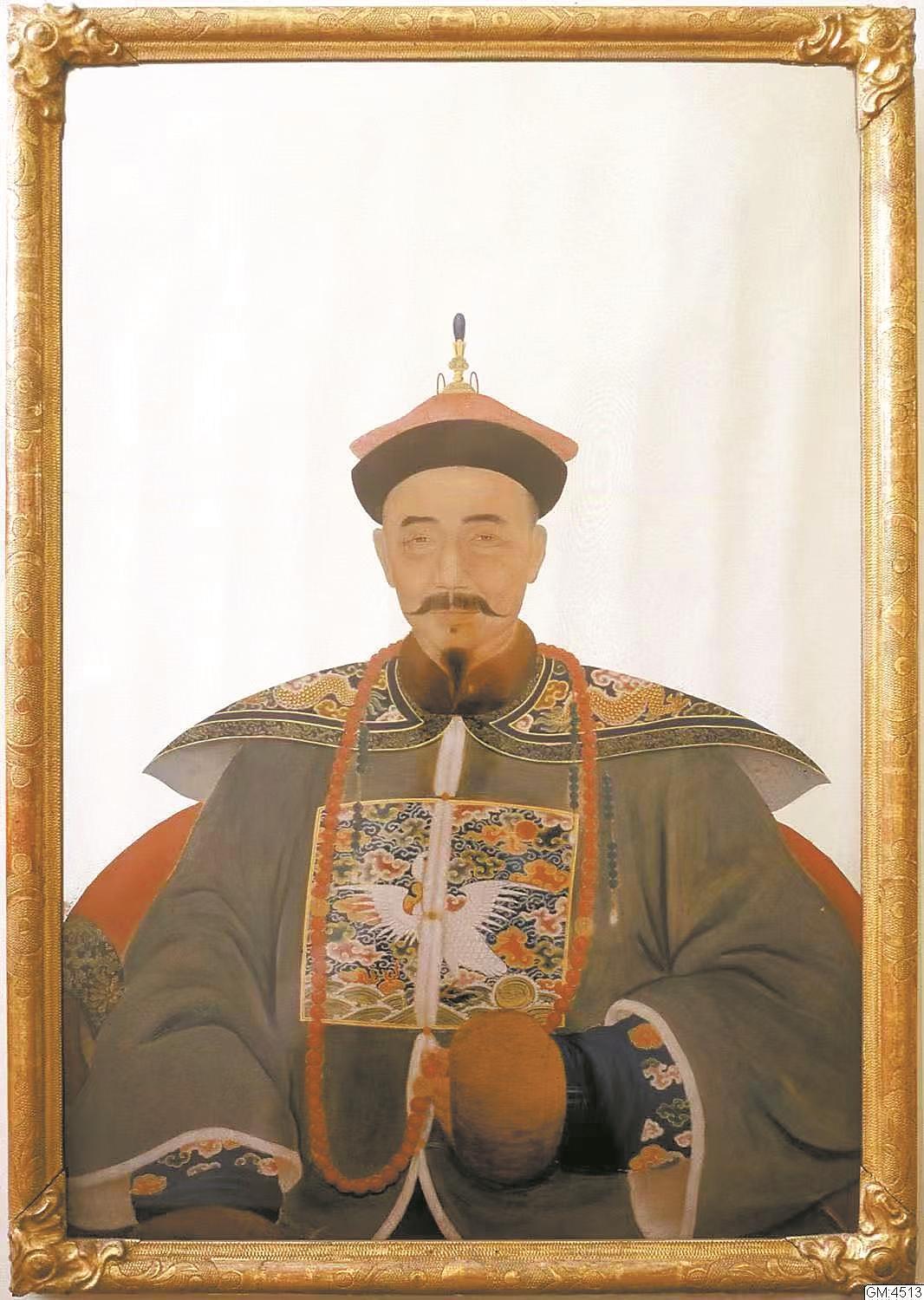
十三行风云:“巨富”潘振承如何让广货行天下
Xin Lang Cai Jing· 2026-02-26 23:52
Core Insights - The article narrates the inspiring story of Pan Zhencheng, a young man from a poor family in Fujian, who transformed his life by moving to Guangzhou, ultimately becoming a successful businessman and a significant figure in the trade industry [2][3]. Group 1: Early Life and Decision to Move - Pan Zhencheng was born in 1714 in a destitute family in Fujian, where he faced severe poverty [4]. - To survive, he worked as a sailor, which exposed him to the hardships of life at sea [4][5]. - His determination led him to make a pivotal decision around 1735 to move to Guangzhou, a key trading port that allowed foreign trade after the end of the maritime ban [7]. Group 2: Business Development - Upon arriving in Guangzhou, Pan worked for a trading company, where he gained valuable experience and established a reputation for integrity [8]. - In 1760, he founded his own trading company, Tongwen Hang, during a period when the Qing government implemented a monopoly on foreign trade, focusing on tea and silk exports [8]. - Pan served as the first merchant leader of the "public trade" system, significantly contributing to the growth of his company and the broader trade environment in Guangzhou [8]. Group 3: Key Business Strategies - Pan Zhencheng's success was attributed to his commitment to integrity, exemplified by his decision to compensate for damaged goods returned by the British East India Company [9]. - He innovated by establishing large tea gardens in Fujian and implementing a comprehensive supply chain for tea production, which enhanced the quality and reputation of his products [10]. - Pan was an early adopter of financial instruments, using bills of exchange for international transactions, which improved cash flow and reduced risks [10]. Group 4: Legacy and Contributions - Beyond business, Pan invested in local infrastructure, building bridges and promoting education, which contributed to the cultural and social development of his community [12]. - His family continued his legacy, producing scholars and maintaining a strong cultural identity intertwined with their commercial success [12]. - Pan Zhencheng's life exemplified the values of integrity, openness, and innovation, which became foundational to the commercial spirit of Guangzhou [13].

联合国贸发会议报告指出——贸易政策深刻影响全球出口格局
Jing Ji Ri Bao· 2026-02-26 22:03
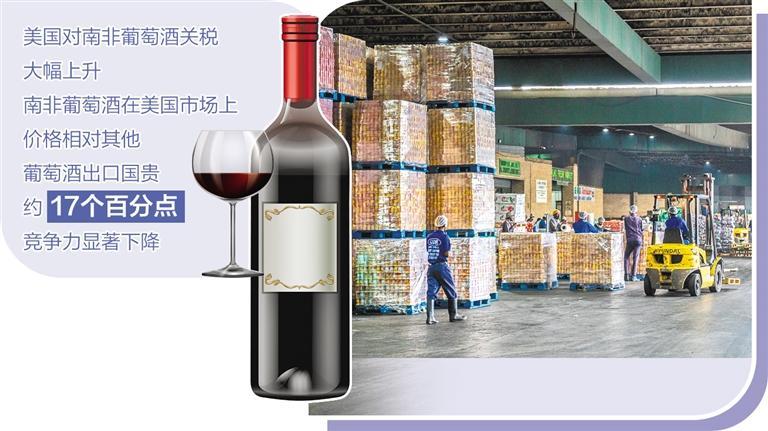
Core Insights - The UNCTAD report highlights that changes in trade policies are reshaping the global export competition landscape, particularly due to recent tariff changes in the US, which have made market access stricter and uneven [1][2] Trade Policy Changes - Tariff adjustments, regional trade agreements, and preferential programs are altering demand conditions and relative prices in domestic and international markets, significantly impacting the competitive position of countries and companies [1] - The report notes that the average applicable tariff in the US has increased by nearly 15 percentage points, with significant disparities in tariffs among different suppliers [2] Impact on Export Competitiveness - Increased tariffs directly raise the cost of imported goods, leading to higher domestic prices and reduced competitiveness. For instance, US tariffs on South African wine have increased its price by approximately 17 percentage points compared to other wine-exporting countries, diminishing its competitiveness [1] - Conversely, reduced tariffs on Italian rice have made it more competitive in the US market [1] Regional Trade Agreements and Preferential Programs - Regional trade agreements typically include tariff reduction clauses, facilitating freer trade among member countries and lowering transaction costs. They also often standardize technical regulations and certification processes, further enhancing member countries' competitiveness [2] - Preferential programs provide specific countries or regions with special tariff treatments below the most-favored-nation rate, enhancing their competitiveness. For example, the African Growth and Opportunity Act (AGOA) offers eligible sub-Saharan African countries preferential access to the US market, significantly boosting their competitiveness in certain goods like textiles and apparel [2] Geopolitical Factors - The report indicates that the recent escalation of global trade tensions and the rise of protectionism underscore the increasing importance of geopolitical factors in future trade dynamics. Trade policies may increasingly be influenced by political objectives rather than purely economic considerations [3] Opportunities from Trade Environment Changes - Changes in the trade policy environment create new export opportunities, with differentiated tariff structures leading to niche market opportunities. Some developing countries may become alternative export hubs due to tariff advantages [4] - The restructuring of global value chains is driving regional optimization, with a notable increase in nearshoring and friendshoring. Trade policy uncertainties may prompt importers to seek lower-tariff alternative suppliers when tariffs are imposed on certain products [4] - The differentiated treatment of tariffs may provide opportunities for high-end manufacturing products to enter the US market, especially for countries offering cost-competitive products. This shift may also lead to growth in service trade, such as technical support and after-sales services [4]
贸易政策深刻影响全球出口格局
Xin Lang Cai Jing· 2026-02-26 21:45
Core Insights - The UNCTAD report highlights that changes in trade policies are reshaping the global export competition landscape, particularly due to recent tariff changes in the US, which have made market access stricter and uneven [2][3] Trade Policy Changes - Tariff adjustments, regional trade agreements, and preferential programs are altering demand conditions and relative prices in domestic and international markets, significantly impacting the competitive position of countries and companies [2][3] - The report notes that the average tariff in the US has increased by nearly 15 percentage points, leading to a significant expansion of tariff differences among suppliers [3][4] Impact on Export Competitiveness - Increased tariffs directly raise the cost of imported goods, leading to higher domestic prices and reduced competitiveness. For instance, US tariffs on South African wine have risen significantly, making it approximately 17 percentage points more expensive compared to wines from other exporting countries [2][3] - Conversely, reduced tariffs on Italian rice have enhanced its competitiveness in the US market [2][3] Regional Trade Agreements and Preferential Programs - Regional trade agreements typically include tariff reduction clauses, which facilitate freer trade among member countries and lower transaction costs. They also often standardize technical regulations and certification processes, reducing non-tariff barriers [3][4] - The African Growth and Opportunity Act (AGOA) provides eligible sub-Saharan African countries with preferential treatment for exports to the US, significantly enhancing the competitiveness of certain products like textiles and apparel [3][4] Geopolitical Factors - The report indicates that rising global trade tensions and protectionism highlight the increasing importance of geopolitical factors in future trade regulations, suggesting that trade policies may increasingly serve political objectives and national security [4][5] Opportunities from Trade Environment Changes - Changes in trade policy are creating new export opportunities, with differentiated tariff structures leading to niche market opportunities. Some developing countries are becoming alternative export hubs due to tariff advantages [6] - The restructuring of global value chains is promoting regional trade, with significant growth in intermediate goods trade between China and regions like ASEAN and Latin America [6] - The differentiation in tariffs may provide high-end manufacturing products from certain countries with opportunities to enter the US market, especially if they can offer more cost-competitive products [6]
中信资源(01205.HK):2月26日南向资金减持10.8万股
Sou Hu Cai Jing· 2026-02-26 19:27
Core Viewpoint - Southbound funds have reduced their holdings in CITIC Resources (01205.HK) by 108,000 shares on February 26, indicating a trend of net selling over recent trading days [1] Group 1: Southbound Fund Activity - In the last 5 trading days, southbound funds have reduced their holdings for 5 days, with a total net reduction of 206,000 shares [1] - Over the past 20 trading days, southbound funds have reduced their holdings for 20 days, with a cumulative net reduction of 3,976,000 shares [1] - Currently, southbound funds hold 70,806,100 shares of CITIC Resources, accounting for 0.89% of the company's total issued ordinary shares [1] Group 2: Company Overview - CITIC Resources Holdings Limited is primarily engaged in the exploration and sale of natural resources [1] - The company operates through four segments: - The crude oil segment focuses on oilfield operations and crude oil sales in Indonesia and China - The electrolytic aluminum segment operates aluminum smelting plants and sells aluminum ingots in Australia - The coal segment operates coal mines and sells coal in Australia - The import and export segment deals with the import of other goods and manufactured products [1]

AI重构跨境生态,宠物经济首设专区——第34届华交会亮点抢先看
Guo Ji Jin Rong Bao· 2026-02-26 15:17
Core Insights - The 34th East China Import and Export Commodity Fair (referred to as "Hua Fair") will be held from March 1 to 4 at the Shanghai New International Expo Center, showcasing the largest scale and highest level of internationalization in the textile, apparel, and light industrial products sector in China [1] Group 1: Exhibition Overview - The exhibition covers a total area of 115,000 square meters across 10 pavilions, expecting over 46,000 domestic and international professional buyers, marking a significant increase in scale and influence [1] - This year's fair features 5,291 exhibition booths, with 3,325 participating companies, including 375 foreign exhibitors from 14 countries and regions, reflecting growth in total booths, exhibitors, and foreign exhibitors by 2.88%, 2.31%, and 3.02% respectively compared to the previous year [2] Group 2: Innovation and Product Highlights - The fair has seen a notable increase in innovative products, with 20% of exhibitors being brand enterprises and 19.5% holding patents, showcasing advancements such as multifunctional materials and IoT-integrated agricultural tools [2] - A new pet supplies section has been established, featuring 67 booths from 51 exhibitors, highlighting innovative products like eco-friendly pet baskets and smart feeding bowls, catering to the diverse needs of the pet consumer market [3] Group 3: Market Development and Integration - The fair aims to deepen supply-demand connections and promote integrated development of domestic and foreign trade, with initiatives to expand market reach and enhance exhibition effectiveness [4] - Special matchmaking events will be held during the fair, focusing on various sectors, with a significant increase of 57.14% in Southeast Asian buyers, providing new opportunities for businesses [4] Group 4: Digital and Green Transformation - The fair emphasizes digitalization and green transformation in foreign trade, featuring a dedicated cross-border e-commerce section and promoting the use of green products [5] - Numerous green transformation benchmark enterprises are participating, showcasing eco-friendly products and sustainable practices, such as biodegradable materials and energy-efficient exhibition setups [6] Group 5: Cross-Border Trade and Collaboration - The fair facilitates a platform for domestic buyers and international companies to connect, promoting both imports and exports, thus enhancing the integration of domestic and foreign trade [7] - A thematic seminar on digital trade chains will be held to address integration challenges and leverage the advantages of the Eastern hub for trade development [7]
厄瓜多尔将哥伦比亚进口商品“安全税”税率提高至50%
Yang Shi Xin Wen· 2026-02-26 15:04
Core Viewpoint - The Ecuadorian government announced an increase in the "security tax" on Colombian imports from 30% to 50% starting March 1, citing national security concerns and the need for collaborative efforts to combat drug smuggling in border areas [1] Group 1 - The decision is based on Colombia's failure to implement effective measures in border security [1] - The increase in tax aims to strengthen the shared responsibility mechanism between the two countries [1] - The announcement highlights the urgency of addressing drug trafficking activities in the border region [1]
AI重构跨境生态,宠物经济首设专区!第34届华交会亮点抢先看
Guo Ji Jin Rong Bao· 2026-02-26 13:12
Core Insights - The 34th East China Import and Export Commodity Fair (HuaJiaoHui) is set to take place from March 1 to 4 in Shanghai, showcasing the largest scale and highest level of internationalization in the textile, apparel, and light industrial products sector in China [1] Group 1: Exhibition Overview - The exhibition area covers 115,000 square meters with 10 exhibition halls, expecting over 46,000 domestic and international professional buyers, marking a significant increase in scale and influence [1] - A total of 5,291 exhibition booths are set up, attracting 3,325 domestic and international enterprises, including 375 foreign exhibitors from 14 countries and regions, with growth rates of 2.88%, 2.31%, and 3.02% respectively compared to the previous year [2] Group 2: Innovation and Product Highlights - The fair features four major specialized sub-exhibitions and showcases a significant increase in innovative products, including contributions from national high-tech enterprises and specialized "little giant" companies [2] - Notable products include a multifunctional non-woven fabric by Xiamen Nasida, a functional polo shirt by Nanchang Yuyue, and an IoT-integrated electric tiller by Shanghai Woshi [2] Group 3: Pet Economy and Awards - For the first time, a pet supplies section is established, featuring 67 booths from 51 exhibitors, showcasing innovative products like creative cat houses and eco-friendly pet baskets [3] - 46 enterprises received the "HuaJiaoHui Product Innovation Award," highlighting advancements in smart home products, cultural creative items, and pet supplies [3] Group 4: Trade Integration and Market Expansion - The fair aims to deepen supply-demand connections and promote integrated development of domestic and foreign trade, with a focus on expanding new markets and enhancing exhibition effectiveness [4] - Special matchmaking events will be held, including dedicated sessions for Southeast Asian buyers, with a 57.14% increase in participation from this region [4] Group 5: Digital and Green Transformation - The fair emphasizes digitalization and green transformation in foreign trade, featuring a cross-border e-commerce exhibition area and promoting the use of green products [5][6] - Exhibitors are encouraged to adopt eco-friendly materials and practices, showcasing a range of sustainable products such as biodegradable materials and environmentally friendly dyes [6] Group 6: Two-Way Trade Facilitation - The event facilitates two-way trade by connecting domestic buyers with international suppliers, promoting both "going out" of domestic products and "bringing in" foreign goods [7] - A themed seminar on digital trade will be held to enhance the integration of domestic and foreign trade, leveraging the advantages of the Eastern hub [7]