数据服务

Search documents
把数据变为资产 5省份给出实践方案!有地方资金奖补超亿元
Nan Fang Du Shi Bao· 2025-09-29 00:46
Core Insights - The article discusses the progress of various provinces in China in leveraging data as a valuable resource to enhance economic development and public services, highlighting initiatives in Hebei, Shandong, and Chongqing [1][3][6]. Group 1: Data Utilization in Industries - Hebei is advancing the construction of a large model for the steel industry, collaborating with 21 local steel enterprises to manage 1854TB of data and develop 293 high-quality datasets for applications such as personnel safety monitoring and waste steel quality inspection [1][6]. - Shandong has gathered over 50PB of high-quality marine data, accounting for 25% of the national total, and has established a marine big data trading service platform to enhance applications in marine fisheries and disaster prevention [7][8]. - Chongqing is focusing on the automotive industry, creating a trusted data space for the sector and developing high-quality datasets to support the digital transformation of the automotive industry, with a notable statistic that one in ten new energy vehicles in China is produced in Chongqing [8]. Group 2: Public Services and Data Accessibility - The "Yukuaiban" platform in Chongqing manages over 2900 government service items, achieving an 85% rate of online service completion, significantly reducing the time and effort required for citizens to access essential services [4][6]. - Jiangsu has established a unified data trading platform that has listed 3933 data products and attracted 1864 data vendors and third-party service providers, aiming to enhance the economic and social development through data utilization [3][11]. - Guangdong's "One Network Sharing" platform has served 2342 departments and opened over 27 billion public data records, providing robust data support for efficient public service delivery [3][11]. Group 3: Policy and Financial Support - The "Data Element x" competition has attracted over 22,000 teams, with 900 projects entering the finals, serving as a connector for data supply and demand across various regions [10][11]. - Financial incentives for data initiatives are significant, with Jiangsu offering over 2.3 million yuan in total rewards for the competition, while Shandong has allocated 1.05 billion yuan for data industry funding, including 35 million yuan specifically for the "Data Element x" initiative [11][12]. - Several provinces, including Guangdong and Shandong, are accelerating the formulation of provincial data regulations to support the development of data-driven industries [11][12].

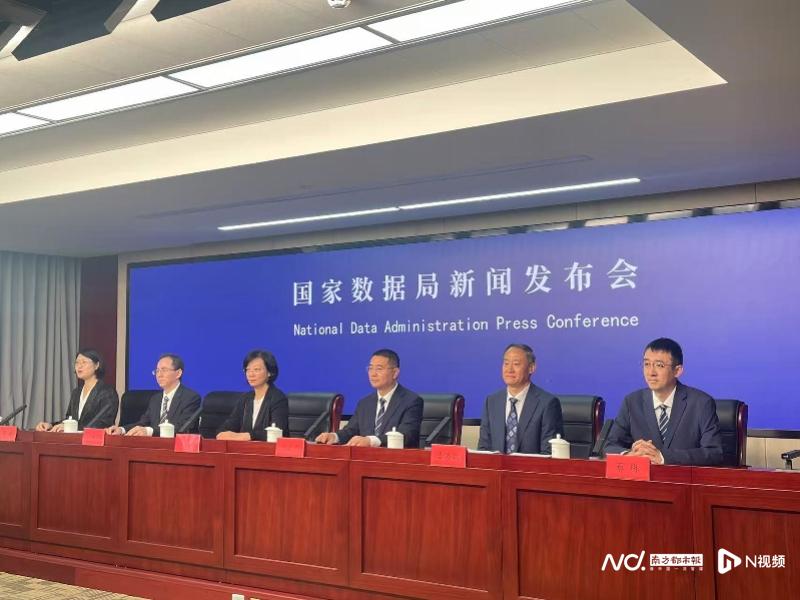
影响市场重大事件:工信部等八部门印发《有色金属行业稳增长工作方案(2025—2026年)》,要求科学合理布局氧化铝、铜冶炼、碳酸锂等项目,避免重复低水平建设
Mei Ri Jing Ji Xin Wen· 2025-09-28 22:35
Core Insights - The Ministry of Industry and Information Technology and eight other departments have issued a plan for the non-ferrous metals industry aimed at stabilizing growth from 2025 to 2026, targeting an average annual growth of around 5% in added value and a 1.5% increase in the production of ten non-ferrous metals [1][2][3][4][5]. Group 1: Industry Growth and Development - The plan anticipates an average annual growth of approximately 5% in the added value of the non-ferrous metals industry from 2025 to 2026 [1]. - Production of ten non-ferrous metals is expected to grow by about 1.5% annually, with significant progress in domestic resource development for copper, aluminum, and lithium [1][2]. - The production of recycled metals is projected to exceed 20 million tons, enhancing the supply capacity of high-end products [1][2]. Group 2: Financial and Policy Support - The plan includes utilizing long-term special government bonds and other funding channels to support resource development, high-end material research, energy conservation, and digital transformation [2]. - It emphasizes the importance of expanding important non-ferrous metal futures trading varieties and financial derivatives [2]. Group 3: Project Management and Infrastructure - The plan advocates for a scientific and reasonable layout of projects related to alumina, copper smelting, and lithium carbonate to avoid redundant low-level construction [3]. - It aims to accelerate the approval processes for mineral resource development projects through the establishment of green channels [3]. Group 4: Innovation and High-End Product Development - The initiative promotes innovation in high-end products, focusing on the needs of key industries such as new-generation information technology and new energy vehicles [4]. - It encourages breakthroughs in high-quality raw materials and advanced rare earth materials, enhancing the performance of aluminum and magnesium alloys [4][5]. Group 5: Application of Rare Metals - The plan aims to elevate the application levels of rare metals in emerging industries such as integrated circuits, industrial mother machines, and artificial intelligence [5]. - It promotes the validation of high-end products like high-purity gallium and tungsten hard alloys, as well as the innovative application of frontier materials [5].
迅策科技IPO:市占率第一,却连亏3年半,62亿估值撑得住吗?
Sou Hu Cai Jing· 2025-09-28 10:43
Core Insights - Xunce Technology is attempting its third submission for an IPO on the Hong Kong Stock Exchange after two previous failed attempts in March and September 2024, despite holding the title of the leading real-time data infrastructure provider in China's asset management industry and having prominent investors like Tencent and Goldman Sachs backing it [1][2][3] Financial Performance - The company reported revenue figures of 288 million yuan, 530 million yuan, and 632 million yuan for the years 2022, 2023, and 2024 respectively, indicating growth; however, losses increased from 96.51 million yuan in 2022 to 97.84 million yuan in 2024 [3][5] - In the first half of 2025, revenue fell to 198 million yuan, a decline of approximately 30% compared to 283 million yuan in the same period of 2024, while losses expanded to 108 million yuan, up from 97.76 million yuan year-on-year [3][10] Customer Metrics - The number of paying customers decreased from 169 in the first half of 2024 to 121 in the first half of 2025, representing a decline of 28% [5][6] - The net revenue retention rate dropped significantly from 81% to 36%, indicating challenges in customer retention [5][6] Market Position - Xunce Technology holds an 11.6% market share in the domestic asset management industry's real-time data infrastructure and analytics market, down from 13.5% in 2023 [2][10] - The company is diversifying its client base beyond asset management, with revenue from diversified industries accounting for 52.7% of total revenue in the first half of 2025 [6] Valuation and Funding - Following its latest funding round in November 2023, Xunce Technology's post-money valuation reached 6.22 billion yuan, a significant increase from 226 million yuan in 2017, marking a 27-fold rise [7][8] - The company has completed seven funding rounds since its inception in 2016, with notable investors participating, which has contributed to its soaring valuation despite ongoing operational challenges [7][8] IPO Submission Context - The third IPO submission is viewed as a critical "valuation defense" rather than just a listing attempt, as the company must demonstrate that its valuation aligns with its current operational performance and future growth potential [10]

江苏数据交易所挂牌5个月,上架数据产品近四千个
Yang Zi Wan Bao Wang· 2025-09-28 10:23
Core Viewpoint - Jiangsu Province is actively implementing a data trading system to transform data from a stored resource into a usable tool and asset, addressing issues of data underutilization and inefficiency [1] Group 1: Institutional Framework - Jiangsu has restructured its data management system at provincial, municipal, and county levels following the national "Data Twenty Articles" policy, establishing the "Jiangsu Data Regulations" to provide a legal basis for data work [3] - The province has introduced operational management methods and resource registration standards to clarify data operation and regulation responsibilities [3] - A provincial data standardization committee has been formed to promote data standardization and eliminate barriers to data circulation [3] Group 2: Data Resource Development - Jiangsu emphasizes the importance of having abundant and high-value data, aiming to build an integrated data resource system marked by a public data "single account" [3] - The province has identified 676 high-value data items and has registered 2,705 categories of data on a national data resource registration platform as of mid-September [3][4] - Multiple cases in the data labeling field have been recognized as national exemplary cases, providing quality raw materials for data applications [3] Group 3: Data Trading and Accessibility - Jiangsu has established a unified data trading platform, integrating existing institutions to create a standardized trading environment with a single set of trading rules [4] - The province has launched a public data authorization operation platform, developing 86 public data products, with several projects recognized as national demonstration cases [4] - Efforts are underway to build a trusted data space, with seven projects selected as national pilot initiatives to facilitate secure cross-domain data circulation [4]
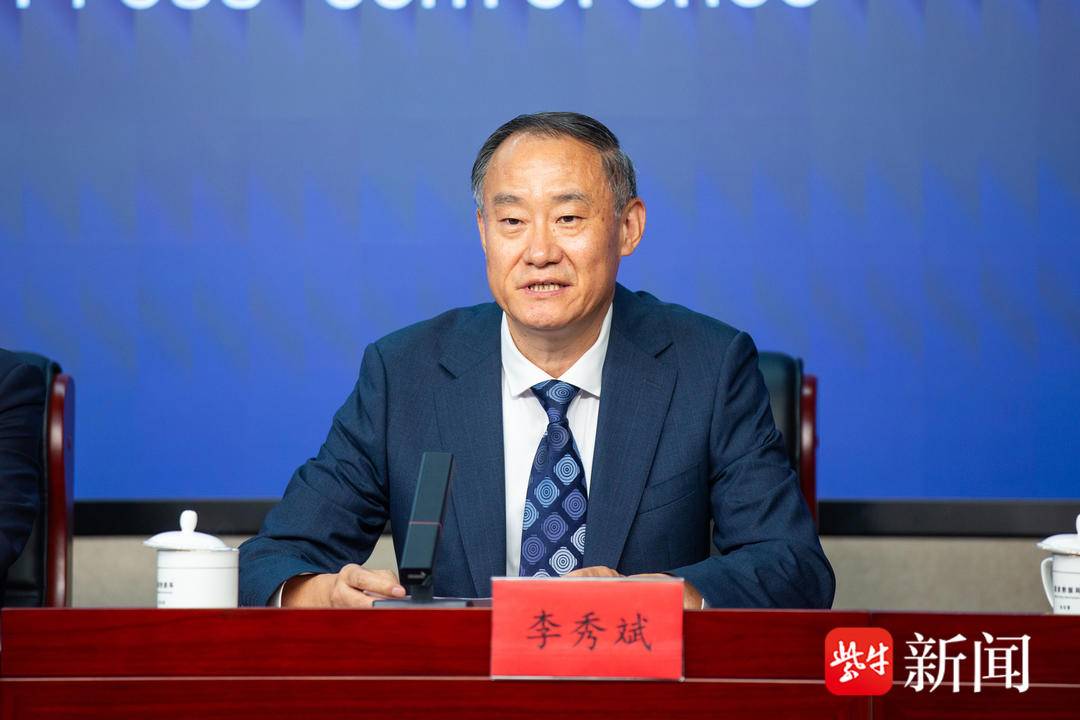
重庆数据局:释放数据要素乘数效应,实现数据“动起来、用起来、活起来”
Zhong Guo Jing Ji Wang· 2025-09-28 08:02
Core Insights - The article discusses the advancements in Chongqing's digital infrastructure and its initiatives to enhance public services and urban safety through data integration and management [1][2][3] Group 1: Digital Infrastructure Development - Chongqing is leveraging its role as a pilot city for digital China construction to develop an integrated intelligent public data platform [1] - The city has established a three-tier public data resource management system, enhancing the efficiency of urban development, services, and governance [1] Group 2: Data-Driven Public Services - The initiative "data elements ×" aims to innovate in public services by integrating health, education, employment, and other data, resulting in a comprehensive government service portal called "Yukuaiban" [2] - Over 2,900 government service items covering the entire lifecycle, such as birth certificate issuance and retirement services, have been digitized, achieving an 85% efficiency rate in service delivery [2] - The digitization process has significantly reduced the time and effort required for tasks like school enrollment, streamlining it to a five-day online process [2] Group 3: Urban Safety Enhancement - Chongqing is enhancing urban safety through digital empowerment, mapping over 600,000 risk points and integrating more than 21 million sensing devices [3] - The city has developed a command and dispatch system that integrates various resources, including AI and drones, to ensure efficient operation under normal and extreme conditions [3]
山东数据局:持续提升数据要素市场化配置改革成效
Zhong Guo Jing Ji Wang· 2025-09-28 07:22
Core Viewpoint - The Shandong Provincial Government is leveraging the "Data Element ×" initiative to enhance the development and utilization of data resources, aiming to create an innovative service system for data elements and improve the effectiveness of market-oriented reforms in data allocation [2]. Group 1: Regulatory Framework - Shandong is accelerating the legislative process for the "Shandong Provincial Data Regulations" and has introduced several management guidelines, including the "Public Data Resource Registration Management Norms" and "Data Trading Norms," establishing 283 data standards to ensure legal and systematic data utilization [2][3]. Group 2: Data Utilization and Infrastructure - The province is focusing on enhancing data production capabilities through integrated digital government reforms, establishing a unified foundational information platform, and creating a comprehensive big data platform system, which has facilitated over 52 billion data sharing instances and opened 48 billion data records [2][3]. - Shandong has developed over 90 high-quality datasets in sectors like industrial manufacturing and transportation, promoting the use of public data through 141 authorized operational scenarios [2][3]. Group 3: Data Circulation and Market Development - The province is promoting data circulation by organizing events like the "Data Market Construction and Supply-Demand Matching" and has launched the "Data Market," resulting in the listing of over 1,900 data products from local data trading companies [3]. Group 4: Industry Empowerment - Shandong is utilizing its geographical advantages and marine resources to develop marine data, accumulating over 50 petabytes of high-quality marine data, which constitutes 25% of the national total, and has established a marine big data trading service platform [3]. - The application of data in marine fisheries and disaster prevention has led to significant improvements, such as a 50% increase in monitoring efficiency and a 19% rise in output per unit sea area [3]. Group 5: Talent Development - The province has implemented measures to accelerate the cultivation of digital talent, including 51 advanced training sessions for over 1,500 high-level digital professionals, and has introduced chief data officer roles in government and chief data engineer roles in enterprises [4]. Group 6: Future Directions - Shandong will continue to focus on market-oriented reforms in data element allocation to stimulate strong data-driven momentum, contributing to the modernization efforts in China [5].
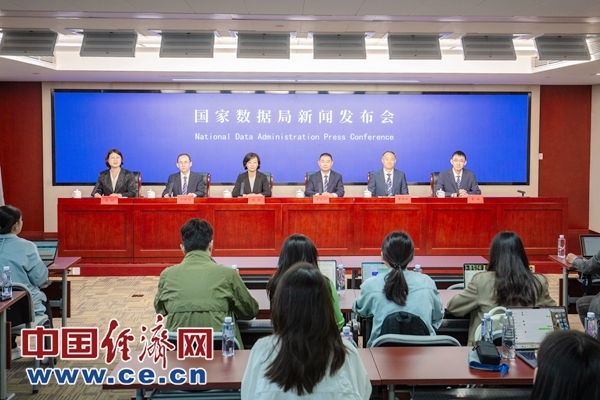
江苏数据交易所挂牌5个月 上架数据产品近四千个
Zhong Guo Jing Ji Wang· 2025-09-28 07:21
Core Insights - The core viewpoint of the articles emphasizes the efforts of Jiangsu Province in establishing a data trading system to enhance the utilization of data as a valuable asset for economic and social development [2][3] Group 1: Data Trading System - Jiangsu has initiated a unified data trading platform, which has listed 3,933 data products and attracted 1,864 data vendors and third-party service providers within five months of operation [2] - The province aims to transform data from a stored resource into a usable tool and active asset, addressing issues of data underutilization [2] Group 2: Regulatory Framework - Following the national "Twenty Data Measures," Jiangsu has restructured its data management system at provincial, municipal, and county levels, implementing the "Jiangsu Data Regulations" in April [2] - The province has introduced supporting policies for public data management, clarifying operational and regulatory responsibilities [2] Group 3: Data Resource Development - Jiangsu focuses on building a comprehensive data resource system characterized by a unified public data account, with plans to complete this system within the year [3] - The province has identified 676 high-value data items and registered 2,705 categories of data on its resource registration platform by mid-September [3]
多地公共数据共享应用取得新进展
Yang Shi Xin Wen· 2025-09-28 06:33
Core Insights - Multiple regions in China are deepening public data sharing applications, achieving significant progress in various sectors [1] Group 1: Public Data Initiatives - Jiangsu has launched a provincial and municipal integrated public data authorization operation platform, developing 86 public data products across fields such as financial services, AI + intellectual property, and low-altitude economy [1] - Shandong has conducted over 52 billion data sharing instances and created over 90 high-quality datasets focused on artificial intelligence in industrial manufacturing and transportation [1] - Hebei has established a regular collection of public data and conducted a social data resource survey, resulting in a catalog of 5,458 resources [1] - Guangdong has opened over 27 billion public data entries to the public, providing data support for efficient administrative processes [1] Group 2: Government Support and Future Directions - The spokesperson from the National Data Bureau, Luan Jie, indicated that more than 10 provinces and cities, including Shandong, have implemented overall or specific action plans for "data elements ×" [1] - The government will continue to support local initiatives, encouraging bold exploration and issuing guidelines for data element scenarios to fully activate the value of data elements [1]
每日互动方毅2025金球对话:用AI激活营销“心智”生产力
Xin Lang Zheng Quan· 2025-09-27 09:47
人工智能涌现时刻,全球数字生态前行至创新与发展的十字路口。9月26日,"2025金球对话·IAEE Predict——智能涌现的十字路口"在杭州国际会议中心举行。作为全球数字贸易博览会的产业活动之 一,本次活动邀请全球数字生态领军人物齐聚杭州,聚焦人工智能触发未来成功所需的条件,深度探讨 人工智能涌现对全球营销及营销预算的重大影响,共创全球数字生态的年度盛事。每日互动董事长方毅 受邀在大会发表《无数不智:用AI激活营销"心智"生产力》的演讲,现场分享每日互动关于AI落地营销 场景的最新思考。 定"高频使用线下商圈+修图"APP的人群,可以看到成倍的投放效果;而向"王者荣耀"等男性游戏用户 群体投放美妆产品则收效甚微,甚至可能"打扰"用户。"营销不是广撒网,而是用20%的精准触达撬动 80%的效能。"方毅总结道。 如今,AI技术的发展为品牌营销提供了更加高效的技术工具。方毅现场介绍:"这两年,我们也在不断 迭代我们的'超级营销助手'AITA,其核心就是构建一个智能营销决策引擎。它既深度融合了每日互动自 身的知识库,也接入了行业知识库,还能定向构建品牌自己的专属知识库。使用者仅需提问交互, AITA就能自动生成策 ...

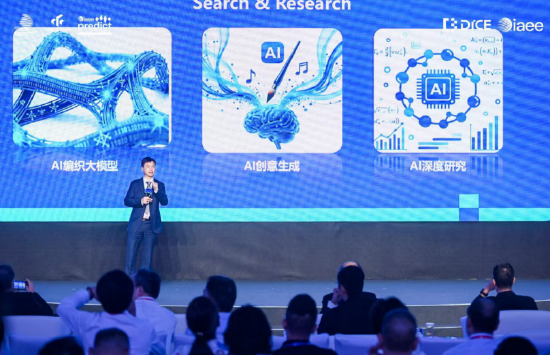
聚焦数据生态服务,人民数据生态路演专场成功举办
Ren Min Wang· 2025-09-27 01:00
Core Viewpoint - The event focused on building communication bridges and sharing data value, aiming to empower local development and promote industry evolution through data collaboration [1][3]. Group 1: Event Highlights - The event showcased three main highlights: the latest achievements of multi-field ecological partners, the formation of a "government-industry-academia-research expert group" to assist in product optimization, and the establishment of a long-term cooperation mechanism [3]. - The event emphasized that the data ecosystem is not a "solo performance" but a collaborative system, aiming to promote the prosperity and development of the data factor ecosystem [3]. Group 2: Regional Development - Wang Caibo, a member of the Standing Committee of the Yibin City Nanxi District, shared the district's experience in promoting industrial digitization and digital industrialization, highlighting significant achievements in deep application scenarios, solid manufacturing foundations, and talent team building [3]. - The district has released an opportunity list for 2025, unveiling eight major investment attraction projects to help enterprises share the dividends of digital economic development [3]. Group 3: Data Ecosystem Development - Liu Wenzhong, Deputy General Manager and Chief Technology Officer of People's Data, discussed the exploration of building a credible data ecosystem, focusing on creating a win-win ecosystem based on AI and data value [4]. - The event featured various government and enterprise units showcasing their latest technologies and solutions in data services, AI, and smart governance, aiming to enhance the quality and profitability of data products [4]. Group 4: Standardization and Governance - The national data standardization work is progressing steadily, with the establishment of the National Data Standardization Technical Committee planned for October 2024, which will oversee the formulation and revision of standards across various fields [4]. - The comprehensive data security solutions presented by various companies aim to promote the credible circulation and value release of data elements [6]. Group 5: Innovative Solutions - The "Gongxiangji Urban-Rural Agricultural Digital Platform" was introduced, which integrates a five-level data control system to enhance rural supply efficiency and service quality [5]. - Companies like Beijing Aoxing Beisi Technology and Shanghai Yunbao Shuying Data are developing integrated platforms to facilitate data compliance and circulation across multiple industries [6][7]. Group 6: Future Plans - The "People's Data Ecological Service 2025 Special Plan" was officially released, focusing on four core directions: value co-creation, supply-demand matching, talent foundation building, and ensuring data security and trustworthiness [7]. - The event will continue as a series, establishing a normalized mechanism for linking supply and demand in the data factor field to support data ecosystem construction [7].