乡村旅游

Search documents
(走进中国乡村)贵州土家族村寨的“生意经”:生活即风景
Zhong Guo Xin Wen Wang· 2025-12-15 10:06
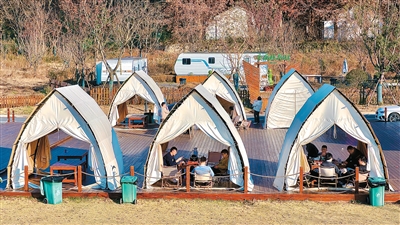
Core Insights - The article highlights the transformation of Yunshe Village in Guizhou Province, where the local Tujia ethnic community has shifted from a focus on traditional tourism to showcasing their daily lives as a unique attraction for visitors [1][2]. Group 1: Tourism Development - Yunshe Village began its tourism development in 2002, leveraging its proximity to Fanjing Mountain and its ancient architecture, but initially faced challenges due to poor infrastructure and low visitor retention [4]. - The village underwent a significant transformation by improving the environment, enhancing sanitation facilities, and restoring traditional buildings, all while maintaining the authenticity of local life [4]. - The village has successfully integrated local culture into the tourism experience, offering performances and activities that allow visitors to engage with Tujia traditions [4]. Group 2: Visitor Experience - There has been a notable shift in visitor behavior, with tourists now staying longer in the village, often for several days, to experience the local lifestyle rather than just sightseeing [2][6]. - The village currently boasts 42 guesthouses and 28 farmhouses, with 80% of the villagers involved in tourism-related industries, indicating a strong community engagement in this economic shift [6]. - Since 2025, Yunshe Village has welcomed over 600,000 visitors, with local specialties like cured meat and traditional snacks becoming popular souvenirs [6].

产业升级 作风赋能,盐城经开区步凤镇走好乡村发展路
Yang Zi Wan Bao Wang· 2025-12-15 04:24
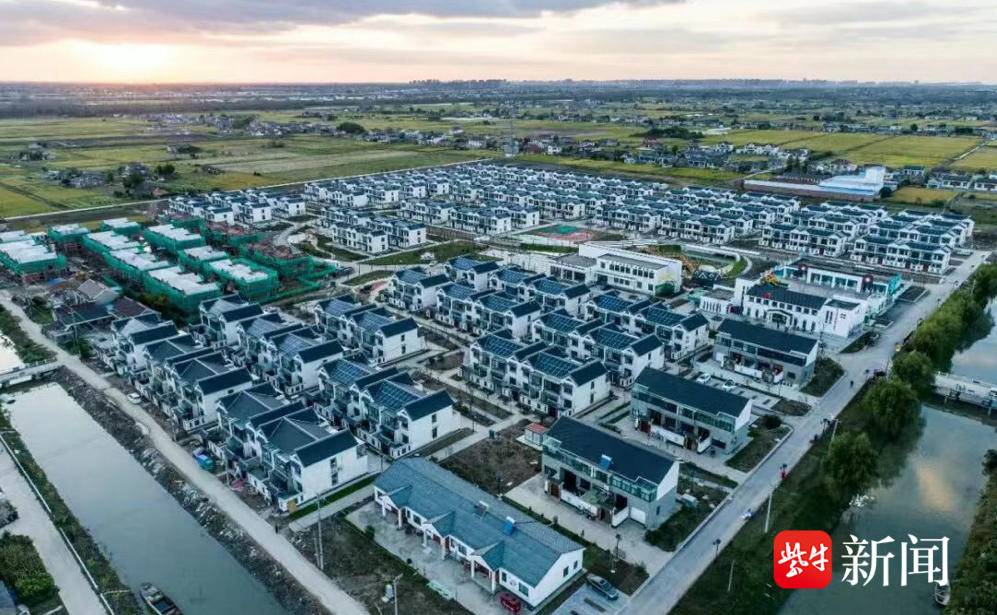
乡村振兴亮点凸显,探索农旅融合新模式,整合旅游资源,扶持"步凤咸猪头""大麦酒"等特色农产品,通过标准化生产、品牌化运营提升市场 竞争力;深化农村集体"三资"专项整治,确保所有村(社区)集体经营性收入均达75万元。干部队伍建设扎实,高标准完成村(社区)"两委"换 届,选优配强基层班子;以"三新三大"大讨论为抓手,引导干部转变作风、担当作为,强化培训锻炼,提升履职能力。民生福祉持续增进, 加大乡村环境整治力度,改善农村人居环境,打造生态宜居乡村;推进集镇商业建设,完善生活配套,提升居民生活品质;健全安全应急体 系,防范化解各类风险,维护社会大局和谐稳定。 通讯员:林瑶秦旭 扬子晚报/紫牛新闻记者周珉 盐城市经济开发区步凤镇党委书记戴成表示,全镇将以大会精神为指引,突出作风建设,扎实开展"三新三大"大讨论,锚定全年目标,抓实 社会稳定、乡村振兴、产业升级等重点工作,为全区发展添力赋能。 今年以来,盐城市经济开发区步凤镇聚焦高质量发展,聚力项目攻坚、底线守护、组团建设,经济运行稳中向好,民生实事有序推进,为冲 刺全年目标筑牢基础。经济发展质效提升,坚持以产业为根基,盘活存量资源、优化营商环境,推动传统产业升级,培育 ...
中央经济工作会议部署城乡融合发展:重点破题二元结构
Jing Ji Guan Cha Bao· 2025-12-13 04:40
(原标题:中央经济工作会议部署城乡融合发展:重点破题二元结构) 中央经济工作会议12月11日至12日在北京举行。 一方面,收入分配格局不断优化,城乡居民生活水平差距减小,农村基础设施和社会保障配套不断完 善。城乡要素市场初步形成,城乡就业融合的趋势进一步增强,土地市场建设和改革持续推动,金融资 源从农村单向流出的局面逐步改善。 会议确定了明年的重点任务,其中包括,统筹推进新型城镇化和乡村全面振兴,促进城乡融合发展。严 守耕地红线,严格耕地占补平衡管理。抓好粮食和重要农产品稳产保供,提高农业综合效益和竞争力。 保护种粮农民和粮食主产区积极性,健全粮食价格形成机制。因地制宜推动兴业、强县、富民一体发 展,千方百计拓宽农民增收渠道。发展现代化都市圈,提升超大特大城市现代化治理水平,大力发展县 域经济。 村庄,是乡村振兴的基本单元。村庄,也是亿万农民生长于斯的家园。 在"十五五"规划的开局之年,如何坚持城乡融合,推动城乡一体化发展,成为解题的关键。 城乡融合不仅是空间连接,更是资本、土地、劳动力、技术、数据等要素在城乡间自由流动与高效配 置。长期以来,城乡在收入、公共服务、基础设施和产业层级上的落差,既是发展不平衡的 ...
“土特产”变“金招牌”撬动农文旅消费 书写乡村振兴“特色答卷”
Yang Shi Wang· 2025-12-12 06:17
Group 1 - The core idea of the news is the launch of the "Special Products and New Year Flavor" consumption promotion activity by the Ministry of Agriculture and Rural Affairs, aimed at boosting agricultural product consumption during the peak holiday season [1] - The activity includes the release of a directory of "local specialty" brand New Year goods and supports the establishment of dedicated sections for these products in fresh supermarkets and live e-commerce platforms [3][7] - Various local specialty agricultural products were showcased at the National Agricultural Exhibition, with notable examples including the Liangping pomelo from Chongqing, which has an annual output value of around 3 billion yuan, and fresh corn from Heilongjiang with an output of over 3,000 ears per mu [3] Group 2 - The initiative emphasizes the integration of agriculture, culture, and tourism, promoting traditional customs and intangible cultural heritage through the display and sale of specialty agricultural products [5] - The Ministry of Agriculture and Rural Affairs has proposed five categories of consumption promotion activities to enhance agricultural product consumption, including organizing themed consumption events and increasing the supply of quality products [7]
现实版“开心农场”来了 文旅新体验激活冬日乡村
Yang Shi Xin Wen· 2025-12-11 07:21
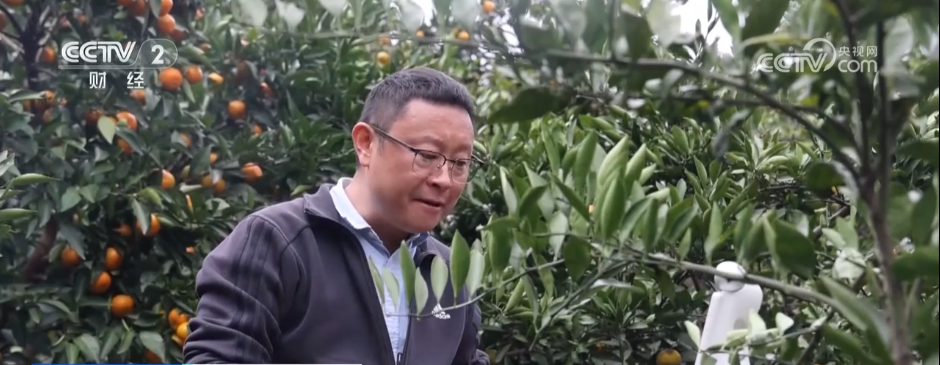
Core Insights - The winter season, typically a downtime for agriculture, is now witnessing vibrant industrial development in rural areas, with over 14.3 million people returning to their hometowns to start businesses, leading to new business models and scenarios that are transforming the rural industrial landscape [1] Group 1: Agricultural Innovation - Farmers are increasingly engaging in agritourism, with activities such as plowing competitions attracting visitors and enhancing local agricultural experiences [2] - The integration of technology in agriculture, such as smart greenhouses that monitor and adjust environmental conditions, is improving crop quality and reducing labor costs [3] Group 2: Economic Impact - The rise of "farm creators" is injecting new vitality into rural economies, with local products like the "Red Beauty" citrus becoming popular for both consumption and tourism [3][4] - The development of diverse products and experiences around the "Red Beauty" citrus, including juices, cakes, and themed merchandise, is expanding the local economic footprint and enhancing the agricultural value chain [4][5] Group 3: Community Engagement - Initiatives to create immersive agricultural experiences are fostering community engagement and attracting visitors, which in turn supports local farmers and boosts rural income [2][5] - Plans to develop larger self-service farms and unify branding efforts are aimed at increasing visitor traffic and promoting high-quality agricultural products [2]
以标准之力托举农业农村高质量发展
Ren Min Wang· 2025-12-10 08:11
Core Viewpoint - The Ministry of Agriculture and Rural Affairs emphasizes the need to accelerate the construction of an agricultural and rural standard system that meets the requirements of high-quality development, using standard upgrades to lead the transformation and upgrading of the agricultural sector [1] Group 1: Importance of Standardization - Standardization is a crucial foundational work that leads to industrial transformation and promotes high-quality development [1] - The agricultural sector is transitioning from traditional extensive management to modern refined management, but there are still issues such as the lack of standards and outdated existing standards [1] Group 2: Specific Measures for Standardization - The meeting proposed specific measures to address issues such as filling standard gaps, strengthening standard management, optimizing local standards, promoting the implementation of standards, and enhancing the internationalization of standards [1][2] - Key standards should be developed for quality variety cultivation, green production technology, and agricultural product quality grading to enhance quality and brand building [2] Group 3: International Perspective - The construction of the agricultural and rural standard system should balance domestic needs with an international perspective, participating in the formulation and revision of international standards [2] - Successful experiences in hybrid rice and green prevention should be transformed into international standards to enhance China's influence in agricultural standards [2] Group 4: Strategic Significance - The establishment of the agricultural and rural standard system is a strategic deployment to strengthen the foundation of an agricultural power, leading to more standardized agricultural production, safer product quality, and better rural living conditions [3]
乡村优质生活空间,啥模样?
Jing Ji Wang· 2025-12-10 02:28
Core Viewpoint - The article emphasizes the importance of improving rural living conditions in China, highlighting the government's initiatives to create a "high-quality living space" in rural areas, which is expected to enhance the quality of life for farmers and promote urban-rural integration [1][2]. Group 1: Rural Infrastructure and Living Conditions - The average penetration rate of sanitary toilets in rural areas has reached 76%, with over 90% of administrative villages managing household waste, and more than 45% of rural sewage being treated [2]. - Rural road mileage has exceeded 4.64 million kilometers, with a 94% penetration rate of tap water and over 90% of administrative villages having access to 5G [2]. - The government has implemented policies to improve public services, including healthcare and elderly care, with over 14,000 mutual aid elderly care facilities and more than 16,000 rural nursing homes established [2][3]. Group 2: Environmental and Infrastructure Improvements - The "14th Five-Year Plan" has initiated actions to enhance rural living environments, focusing on waste management and sanitation improvements [3]. - Future efforts will prioritize the improvement of rural infrastructure and public services, aiming for efficient allocation and long-term management [3][4]. Group 3: Industrial Development and Economic Growth - The article stresses that industrial revitalization is crucial for rural development, with an emphasis on increasing farmers' income as a key driver for improving living conditions [4][5]. - During the "14th Five-Year Plan" period, 210 characteristic industrial clusters and 250 modern agricultural parks have been established, with projected revenues from agricultural processing reaching approximately 1.8 trillion yuan [5][6]. Group 4: Multifunctional Agriculture - The "15th Five-Year Plan" suggests developing multiple functions of agriculture, integrating production, processing, and tourism to enhance food security and ecological sustainability [6]. - Future initiatives will focus on strengthening agricultural processing, promoting rural tourism, and enhancing e-commerce capabilities to support farmers' income growth [6].
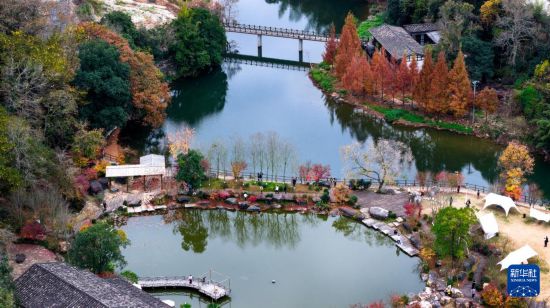
福州九峰村冬景迷人
Xin Hua She· 2025-12-10 01:01
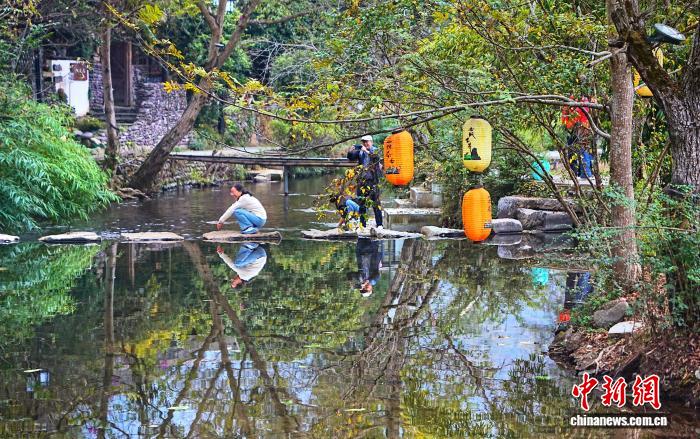
Core Viewpoint - The article highlights the development of tourism in Jiufeng Village, Fuzhou, Fujian Province, driven by investments in infrastructure and heritage restoration, attracting numerous visitors during the winter season [1]. Group 1: Tourism Development - Jiufeng Village has seen a significant increase in tourism due to its picturesque winter scenery, characterized by vibrant maple leaves and ancient architecture [1]. - The local government has continuously invested funds into the restoration of historical sites and the improvement of public services, which has contributed to the growth of the rural tourism industry [1].
乡村旅游盲目复制要不得
Jing Ji Ri Bao· 2025-12-10 00:07
Core Insights - Rural tourism is a significant engine for revitalizing rural economies and supporting rural revitalization efforts. Successful examples include Wuyuan's Huangling Village in Jiangxi, Hani Rice Terraces in Yunnan, and Yucun in Zhejiang, which have become popular tourist destinations. However, some rural tourism projects fail to consider local resource endowments and blindly replicate successful cases from other regions, leading to a lack of market alignment and sustainable operational strategies, resulting in financial losses and operational burdens [1][2]. Group 1 - The balance between ecological protection and landscape diversity is a critical challenge in rural tourism planning. The appeal of rural tourism lies in its natural environment and rich cultural landscapes. Some projects have damaged local authenticity through deforestation and excessive commercialization, leading to stagnation in development due to inadequate overall design [1]. - There is a need for increased support for promising tourist sites, focusing on creating natural scenic spaces, improving ecological sanitation, maintaining traditional landscape diversity, and preserving the living conditions of local residents to address bottlenecks and stabilize development [1]. Group 2 - Strengthening inter-departmental coordination is essential for effective planning in rural tourism, which involves multiple sectors such as ecological assessment, land use, cultural tourism, and market regulation. A collaborative mechanism should be established to enhance management efficiency and allow operators to focus on their businesses [2]. - The issue of homogenization in rural tourism needs to be addressed. While numerous agritourism and picking gardens have contributed to farmers' income and poverty alleviation, the lack of unique cultural characteristics and poor service management has become apparent. Rural tourism should leverage local markets, enhance visitor experiences, and improve supporting facilities to meet tourist demands [2]. - Developing rural tourism is a dynamic system project that requires planners to explore local ecological and cultural features while learning from successful cases without mere replication. A balance between protection and development, along with long-term scientific planning, is necessary for the success of rural tourism and the prosperity of local communities [2].
乡村优质生活空间,啥模样?(这些新提法,写入“十五五”规划建议⑦)
Ren Min Ri Bao Hai Wai Ban· 2025-12-09 22:32
Core Viewpoint - The article emphasizes the importance of improving rural living conditions and infrastructure in China, highlighting the government's initiatives to create a "high-quality living space" in rural areas, which is expected to enhance the quality of life for farmers and promote urban-rural integration [1][4]. Group 1: Rural Infrastructure and Living Conditions - The article discusses the ongoing transformation of rural areas in China, focusing on enhancing living conditions and infrastructure, including sanitation, waste management, and transportation networks [3][4]. - Key statistics indicate that the average coverage of sanitary toilets in rural areas has reached 76%, with over 90% of administrative villages managing household waste, and more than 45% of rural wastewater being treated [3][4]. - The "14th Five-Year Plan" has led to significant improvements in public services, including healthcare and elderly care facilities, with over 14,000 mutual aid elderly care facilities and more than 16,000 elderly care homes established [4][6]. Group 2: Agricultural and Economic Development - The article highlights the critical role of industrial revitalization in rural development, asserting that increasing farmers' income is essential for improving living conditions and accessing quality public services [7][8]. - Data shows that during the "14th Five-Year Plan," 210 characteristic industrial clusters, 250 modern agricultural parks, and 1,098 strong agricultural towns have been established, with projected revenues for agricultural processing enterprises reaching approximately 18 trillion yuan by 2024 [7][8]. - The "15th Five-Year Plan" aims to develop multiple functions of agriculture, integrating production, processing, and tourism to enhance food security and promote ecological sustainability [8][9].