
农产品加工品

Search documents
绘就和美乡村新画卷
Jing Ji Ri Bao· 2026-01-29 22:29
Core Insights - The article emphasizes the importance of agricultural modernization and rural revitalization as key components of China's overall modernization strategy, focusing on food security, farmer income growth, and rural development quality [1][2][3][4][5][6][7]. Agricultural Foundation Strengthening - The primary goal is to enhance the comprehensive production capacity and quality efficiency of agriculture, ensuring stable food supply for over 1.4 billion people [2][3]. - Transitioning from an agricultural power to an agricultural strong nation requires understanding global agricultural trends while considering domestic conditions [2]. Food Security - Food security is deemed a national priority, with continuous efforts needed to ensure stable grain production despite rising demand and changing consumption patterns [3][4]. - Emphasis on maintaining arable land and improving agricultural disaster resilience is crucial for securing food supply [3]. Nutritional and Food Supply Diversity - The article outlines the evolving dietary needs of residents, advocating for a diversified food supply system to meet modern nutritional requirements [4]. - Local resources should be utilized to develop various agricultural sectors, including modern livestock, fisheries, and facility agriculture [4][5]. Agricultural Strengthening - Despite achieving high production levels for major agricultural products, there are still gaps in labor productivity, technological advancement, and sustainable development compared to global agricultural leaders [5][6]. - The need for innovation in agricultural technology and practices is highlighted to improve efficiency and competitiveness [6]. Farmer Income Growth - Increasing farmer income is identified as a central task, with measures to promote stable income growth and reduce the urban-rural income gap [8][9]. - The implementation of a three-year action plan to develop the agricultural processing industry aims to enhance product value and farmer earnings [9]. Rural Prosperity - The article discusses the ongoing transformation in rural areas, emphasizing the need for improved infrastructure and public services to enhance living conditions [12][13][14]. - Rural revitalization efforts should focus on integrating urban and rural development, ensuring that rural areas benefit from economic growth [12][14]. Continuous Support for Farmers - The importance of maintaining support for low-income populations and ensuring no large-scale return to poverty is stressed [10][11]. - Development of a robust support policy framework is essential for sustaining rural growth and enhancing farmers' livelihoods [11]. Conclusion - The prospects for the agricultural sector in the new year are optimistic, with a focus on modernization and comprehensive rural revitalization [16].
县域发展无需追求统一模式
Jing Ji Ri Bao· 2026-01-29 22:11
Group 1 - The core viewpoint emphasizes the importance of county-level economies as a fundamental unit of the national economy, contributing nearly 40% to the national economic scale while occupying about 90% of the country's land area and housing approximately 52% of the population [1] - Various regions are implementing tailored strategies to stimulate county economies, such as Qinghai's "Double Hundred" initiative for enhancing shopping experiences in rural areas, Hubei's "Ice and Snow+" strategy for winter tourism, and Anhui's development of forest economy and carbon trading [1] - Counties are increasingly linking industrial development with farmer income, improving infrastructure like transportation, healthcare, and elderly care, thus achieving a positive interaction between urban and rural areas [1] Group 2 - Despite notable achievements, challenges remain, including a lack of diversified industrial structures, talent retention issues, high logistics costs, and insufficient technological innovation [2] - The development of counties should not follow a uniform model; instead, it is crucial to guide regions to recognize their unique endowments and identify their primary focus areas for development [2] - Counties should integrate their development into national strategies, optimize the business environment, and enhance collaboration with central cities to foster competitive industries [3] Group 3 - To invigorate county economies, it is essential to eliminate institutional barriers, empower counties with more autonomy, and ensure alignment between responsibilities and resources [3] - Innovative land supply methods and improved financial services are necessary to address financing challenges and accelerate the digital transformation of industries [3] - Enhancing the comprehensive capacity of counties through job creation and improved public services will attract population and industry, promoting effective integration between counties and rural areas [3]
纵览大国“三农”的万千气象
Jing Ji Ri Bao· 2026-01-14 22:10
Core Viewpoint - The "Three Rural Issues" (agriculture, rural areas, and farmers) have become a prominent highlight in economic and social development, with significant achievements in agricultural production, farmer income growth, and rural stability, providing strong support for high-quality development [1][2][3] Summary by Sections Agricultural Production and Farmer Income - Agricultural production and farmer income are the most important indicators of "Three Rural Issues" development, with stable production and continuous income growth observed [5][6] - In 2025, grain production reached a new high, with per capita grain availability exceeding 500 kilograms, and a variety of agricultural products such as cotton, oil, sugar, and vegetables being sufficiently supplied [6][7] Policy and Technological Support - The increase in grain production is attributed to effective policies, technological advancements, and improved seed varieties, with over 90% of grain production growth coming from yield improvements [7] - The implementation of a compensation mechanism for grain production areas and the steady increase in minimum purchase prices for wheat and rice have motivated farmers to grow more [7] Poverty Alleviation and Rural Development - The two bottom-line tasks post-poverty alleviation are ensuring stable and safe supply of grain and important agricultural products, and consolidating the achievements of poverty alleviation to prevent large-scale return to poverty [5][8] - By the third quarter of 2025, the actual disposable income of rural residents in poverty-stricken counties grew by 6.5%, outpacing the national rural growth rate by 0.5 percentage points [8] Agricultural Innovation and New Trends - The emergence of new agricultural professions and the integration of technology into agriculture are reshaping the rural workforce, with new roles such as rural AI trainers and collective economic managers being recognized [14][15] - The trend of returning entrepreneurs to rural areas is significant, with over 15.1 million returnees expected by the end of 2025, indicating a positive shift in rural revitalization [15] Agricultural Processing and Tourism - The development of agricultural processing and rural tourism is crucial for enhancing rural economies, with a focus on cold chain logistics and deep processing of agricultural products like lychee [17][18] - Rural tourism has evolved from simple farm stays to cultural and experiential offerings, emphasizing the need for unique selling points to attract visitors [19]
打造开放新棋局,制度型开放的全国实践
Bei Jing Shang Bao· 2026-01-08 14:24
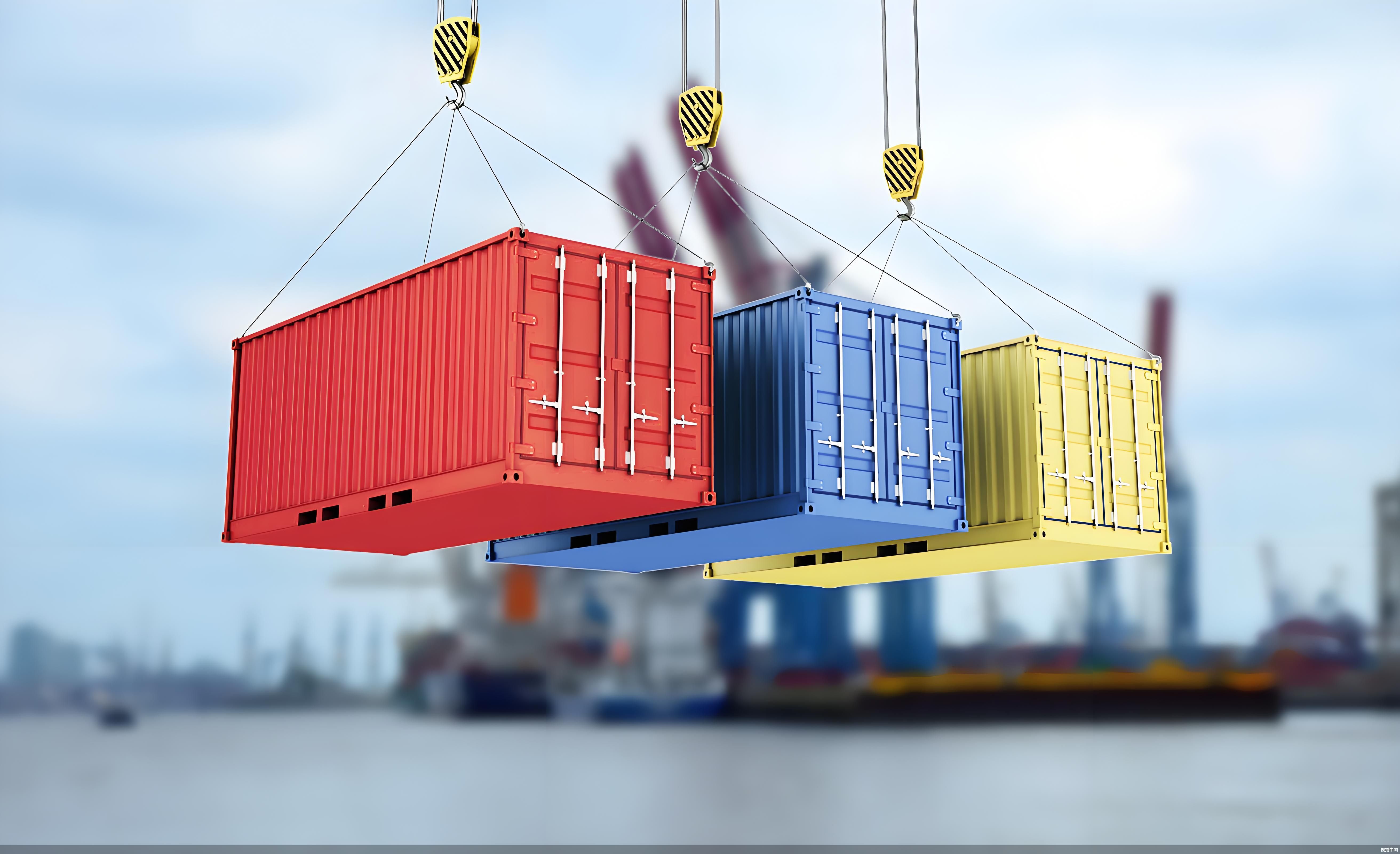
Group 1 - The core viewpoint of the news is that various provinces in China are outlining their "14th Five-Year" plans, emphasizing the expansion of high-level opening-up as a key national strategy, which is being integrated into local development plans [1][4] - The "14th Five-Year" plan suggests that China will steadily expand institutional opening-up and maintain a multilateral trade system, promoting international circulation and sharing opportunities with countries worldwide [3][4] - The Hainan Free Trade Port is highlighted as a model for institutional opening-up, aiming to align with international high-standard economic and trade rules, including the Regional Comprehensive Economic Partnership (RCEP) and the Comprehensive and Progressive Agreement for Trans-Pacific Partnership (CPTPP) [5][6] Group 2 - The Guangdong-Hong Kong-Macao Greater Bay Area is projected to surpass New York and San Francisco in economic output by 2024, reaching 14.79 trillion yuan, with a per capita GDP estimated at 170,200 yuan [7][8] - The Greater Bay Area is becoming a key hub for the "dual circulation" strategy, with import and export volumes reaching 6.77 trillion yuan in the first three quarters of 2025, marking a 4.1% increase year-on-year [8] - The West Land-Sea New Corridor is being developed as an international trade route, with an annual import and export growth rate of 16.9% since 2019, emphasizing the importance of regional cooperation and comprehensive service systems [10][12]

新棋局正在形成!扩大高水平对外开放,这些地方在行动了
Bei Jing Shang Bao· 2026-01-08 14:08
Group 1: High-Level Opening Up - The core strategy of expanding high-level opening up has been incorporated into the "14th Five-Year" planning suggestions across various provinces, forming a unified development effort [1][2] - The focus on institutional reform aims to address barriers to high-quality development, with a particular emphasis on proactive alignment with international high-standard economic and trade rules [2][3] Group 2: Hainan Free Trade Port - Hainan Free Trade Port is set to officially start its customs operations on December 18, 2025, marking a significant milestone in its development [3] - The province aims to integrate innovative systems and actively align with international trade agreements such as RCEP and CPTPP, while also implementing the upgraded China-ASEAN Free Trade Area 3.0 [2][3] Group 3: Guangdong-Hong Kong-Macao Greater Bay Area - The Greater Bay Area is projected to achieve an economic total of 14.79 trillion yuan in 2024, surpassing New York and San Francisco, with an estimated per capita GDP of 170,200 yuan [4][5] - The region is becoming a key hub for the "dual circulation" strategy, with import and export volumes reaching 6.77 trillion yuan in the first three quarters of 2025, a 4.1% increase year-on-year [5][6] Group 4: Western Land-Sea New Corridor - The Western Land-Sea New Corridor is a strategic international trade route connecting western provinces with ASEAN countries, showing an annual import-export growth rate of 16.9% since 2019 [7][8] - The corridor aims to enhance regional transportation systems and integrate resources from various provinces to improve logistics and economic collaboration [7][8]
重庆中欧班列、西部陆海新通道迎“开门红”
Zhong Guo Xin Wen Wang· 2026-01-04 08:49
Group 1 - The core viewpoint of the news is that the Chongqing China-Europe Railway Express and the Western Land-Sea New Corridor have successfully launched their first trains of the new year on January 1, 2026, marking a strong start for the year [1] - Chongqing serves as the starting point for the China-Europe Railway Express and the logistics and operational hub for the Western Land-Sea New Corridor, facilitating its transition from an inland area to an open frontier [1] - The first train of the China-Europe Railway Express in 2026 departed from Chongqing, carrying "Chongqing-made" electronic products, smart equipment, and auto parts, significantly reducing delivery time to Europe by nearly one month compared to sea transport [1] Group 2 - During the 14th Five-Year Plan period, the China-Europe Railway Express aims to not only maintain smooth operations but also to act as a strategic engine for driving industrial upgrades, promoting trade transformation, and serving regional collaborative development [2] - The Western Land-Sea New Corridor is set to expand its network by promoting the regular operation of regional specialty trains, integrating resources and industrial advantages along the route to enhance overall business development and competitiveness [2]
学习规划建议每日问答 | 如何理解把农业建成现代化大产业
Xin Hua She· 2025-12-29 07:23
Core Viewpoint - The Chinese government emphasizes the modernization of agriculture as a strategic industry, aiming to transform it into a large-scale modern industry during the 14th Five-Year Plan period, reflecting an accurate understanding of the current agricultural development situation [1] Group 1: Agricultural Development Trends - The agricultural sector is experiencing significant changes and opportunities, with a shift from merely ensuring food security to enhancing food quality and health [1] - From 2013 to 2023, per capita consumption of grains decreased by 13.2%, while consumption of eggs, fresh fruits, meat, aquatic products, and vegetables increased by 82%, 60.9%, 55.7%, 45.9%, and 16.5% respectively, indicating a trend towards diversified and healthier diets [1] Group 2: Key Focus Areas for Agricultural Modernization - The primary task is to ensure national food security by enhancing comprehensive grain production capacity and expanding food resource development from traditional agricultural products to a broader range of biological resources [2] - The development of modern facilities for planting, livestock, and aquaculture is emphasized, along with the establishment of modern processing and logistics facilities to improve production efficiency and diversity [2] Group 3: Agricultural Product Processing and Integration - The optimization of agricultural product processing and circulation is crucial, focusing on enhancing initial processing, deep processing, and comprehensive utilization to promote multi-level value addition [3] - The integration of agriculture with secondary and tertiary industries is encouraged, leveraging local resources to develop diverse agricultural functions and foster deep integration with tourism, education, culture, and health industries [3] Group 4: Technological Empowerment in Agriculture - The promotion of technological advancements in agriculture is essential, including the integration of AI breeding, IoT, big data, and advanced agricultural machinery to enhance productivity [4] - The development of smart farms, plant factories, and intelligent agricultural machinery is prioritized to drive innovation and efficiency in agricultural practices [4]
学习规划建议每日问答丨如何理解把农业建成现代化大产业
Xin Hua She· 2025-12-29 06:06
Core Viewpoint - The article emphasizes the importance of modernizing agriculture as a strategic industry for national stability and economic development, highlighting the favorable conditions and opportunities for agricultural growth during the "14th Five-Year Plan" period [1]. Group 1: Agricultural Development Trends - The shift in consumer preferences towards diversified food consumption is evident, with per capita consumption of grains decreasing by 13.2% from 2013 to 2023, while consumption of eggs, fresh fruits, meat, aquatic products, and vegetables increased by 82%, 60.9%, 55.7%, 45.9%, and 16.5% respectively [1]. - The integration of urban and rural areas is deepening, leading to a broader definition of agricultural development and the emergence of industry convergence as a trend [1]. Group 2: Key Focus Areas for Agricultural Modernization - The primary task is to ensure national food security by enhancing comprehensive grain production capacity and expanding food resource development from traditional agricultural products to a wider range of biological resources [2]. - The optimization and upgrading of agricultural product processing and circulation are crucial, promoting multi-level utilization and value addition through coordinated development of initial, deep processing, and comprehensive utilization [3]. - The integration of primary, secondary, and tertiary industries is essential, driven by market demand and innovative business models, to create a modern industrial system that combines agriculture with tourism, education, culture, and health [3]. Group 3: Technological Empowerment in Agriculture - The promotion of technological advancements in agriculture is vital, focusing on the large-scale integration and dissemination of scientific achievements, as well as the development of new breeding models [4]. - The application of smart technologies, such as IoT, big data, and advanced agricultural machinery, is being accelerated to enhance agricultural productivity and efficiency [4].
创新盘活“三闲”资产 湖南涟源“小车间”撬动乡村就业大民生
Xin Lang Cai Jing· 2025-12-26 14:58
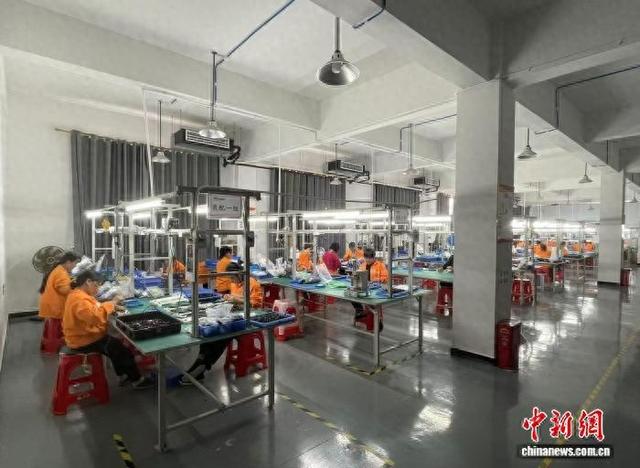
Core Viewpoint - The rural workshops in Lianyuan City, Hunan Province, are effectively addressing employment challenges and revitalizing rural areas by utilizing local resources and innovative employment models [3][4][6]. Group 1: Employment Initiatives - Lianyuan City has established 31 rural workshops that cater to various labor-intensive industries, including carpet manufacturing, garment processing, daily goods production, handicrafts, and electronic assembly, matching local labor demands [3][6]. - The "home-based order-taking" initiative allows villagers to work from home, enabling them to balance family responsibilities while earning income, with 653 individuals benefiting from this model [3][4]. Group 2: Economic Development Strategies - The city employs a "government guidance + market operation + benefit linkage" mechanism to attract skilled entrepreneurs back to their hometowns, fostering the development of unique local industries [4][6]. - As of now, Lianyuan has built 135 rural workshops, directly employing 3,778 individuals, including 1,188 from impoverished backgrounds, with an average annual income increase of over 16,000 yuan [6][7]. Group 3: Policy Support and Financial Mechanisms - Lianyuan City has optimized approval processes, created labor supply-demand matching platforms, and introduced specialized "workshop loans" to support small enterprises [6][7]. - In 2025, the city plans to recognize 34 new rural workshops and provide 1.55 million yuan in "workshop loans" and 17 million yuan in subsidy funds, enhancing the sustainability and growth of these workshops [6][7].
乡村优质生活空间,啥模样?
Jing Ji Wang· 2025-12-10 02:28
Core Viewpoint - The article emphasizes the importance of improving rural living conditions in China, highlighting the government's initiatives to create a "high-quality living space" in rural areas, which is expected to enhance the quality of life for farmers and promote urban-rural integration [1][2]. Group 1: Rural Infrastructure and Living Conditions - The average penetration rate of sanitary toilets in rural areas has reached 76%, with over 90% of administrative villages managing household waste, and more than 45% of rural sewage being treated [2]. - Rural road mileage has exceeded 4.64 million kilometers, with a 94% penetration rate of tap water and over 90% of administrative villages having access to 5G [2]. - The government has implemented policies to improve public services, including healthcare and elderly care, with over 14,000 mutual aid elderly care facilities and more than 16,000 rural nursing homes established [2][3]. Group 2: Environmental and Infrastructure Improvements - The "14th Five-Year Plan" has initiated actions to enhance rural living environments, focusing on waste management and sanitation improvements [3]. - Future efforts will prioritize the improvement of rural infrastructure and public services, aiming for efficient allocation and long-term management [3][4]. Group 3: Industrial Development and Economic Growth - The article stresses that industrial revitalization is crucial for rural development, with an emphasis on increasing farmers' income as a key driver for improving living conditions [4][5]. - During the "14th Five-Year Plan" period, 210 characteristic industrial clusters and 250 modern agricultural parks have been established, with projected revenues from agricultural processing reaching approximately 1.8 trillion yuan [5][6]. Group 4: Multifunctional Agriculture - The "15th Five-Year Plan" suggests developing multiple functions of agriculture, integrating production, processing, and tourism to enhance food security and ecological sustainability [6]. - Future initiatives will focus on strengthening agricultural processing, promoting rural tourism, and enhancing e-commerce capabilities to support farmers' income growth [6].