博物馆

Search documents
考古现场,如何“搬”进博物馆(文化中国行·华夏博物之旅)
Ren Min Ri Bao· 2025-10-03 22:02
Core Insights - The Yujia Mountain Archaeological Museum, located in Linping District, Hangzhou, Zhejiang Province, has attracted numerous archaeology enthusiasts since its opening on May 18, 2025, with an average daily visitor count exceeding 3,000 [12][17] - The museum showcases the Yujia Mountain prehistoric settlement site, recognized as one of the "Top Ten Archaeological Discoveries of 2011," which spans 1,000 years of the Liangzhu civilization's evolution [12][13] - The museum features a total construction area of 25,000 square meters, housing various exhibition halls and displaying 1,800 artifacts, primarily pottery and jade items, many of which are being exhibited for the first time [12][14] Group 1: Museum Features - The museum includes several exhibition halls, such as the Linping Site Hall, Maoshan Site Hall, and Yujia Mountain Site Hall, allowing visitors to explore the construction process of the Yujia Mountain site and the rise and fall of Liangzhu culture [12][14] - The museum emphasizes the archaeological process, showcasing not only artifacts but also the methods of discovery, including dating techniques and excavation technologies, with interactive experience zones for visitors [14][15] - The design of the museum incorporates landscape architecture, creating a rich spatial effect that connects the historical narrative with the physical site, including a large glass wall in the Yujia Mountain Hall that offers views of the archaeological site [16][17] Group 2: Educational and Cultural Impact - The museum aims to enhance its educational role by developing social education courses tailored to different audiences, leveraging the resources of the archaeological park and surrounding enterprises [17] - The exhibits and educational programs are designed to help visitors understand the wisdom of ancient peoples in modifying nature and the logic of social operations, fostering a dialogue that spans millennia [17] - The museum's innovative use of technology, such as 3D displays and augmented reality, transforms traditional exhibition methods into engaging narratives that resonate with contemporary audiences [15][16]


数字技术带来沉浸式文化之旅(大地风华)
Ren Min Ri Bao· 2025-10-03 21:47
Core Insights - The museum system in China has become more comprehensive and influential during the "14th Five-Year Plan" period, with a total of 7,046 registered museums, of which 6,444 are free to enter, accounting for over 91% [1] - The number of visitors to museums reached nearly 1.5 billion annually, with a record 304 million visitors during the summer of this year [1] - The Sanxingdui Museum has undergone a "smart transformation" since becoming one of the first pilot smart museums in 2014, leveraging digital technology for comprehensive upgrades in cultural relic protection, management, and public services [1][2] Digital Services and Accessibility - The Sanxingdui Museum has developed a service matrix that includes four different website versions tailored for various audience groups, ensuring that each visitor can find a suitable cultural entry point [2] - The museum has integrated its services into WeChat, providing a one-stop service platform for visitor guidance, team reservations, audio tours, member activities, and volunteer sign-ups [2] - Advanced audio guide systems, including AI interaction and multilingual support, enhance the visitor experience, allowing for a personalized cultural journey [2] Immersive Experience and Technology - The museum employs high-precision 3D data collection and VR technology to create immersive experiences, allowing visitors to "walk into" archaeological sites and interact with artifacts [3] - A cloud exhibition platform enables virtual access to the museum, making it possible for visitors to explore the Sanxingdui site anytime and anywhere [3] - The museum has digitized 2,976 artifacts, with 90 high-quality relics having detailed 3D models, supported by a comprehensive environmental monitoring system to ensure artifact safety [3] Cultural Promotion and Global Engagement - The Sanxingdui Museum is committed to promoting the ancient Shu civilization through online exhibitions and cross-border collaborations, aiming to enhance cultural dialogue both locally and internationally [3]
假期去博物馆的人,已经后悔了
Hu Xiu· 2025-10-03 07:01
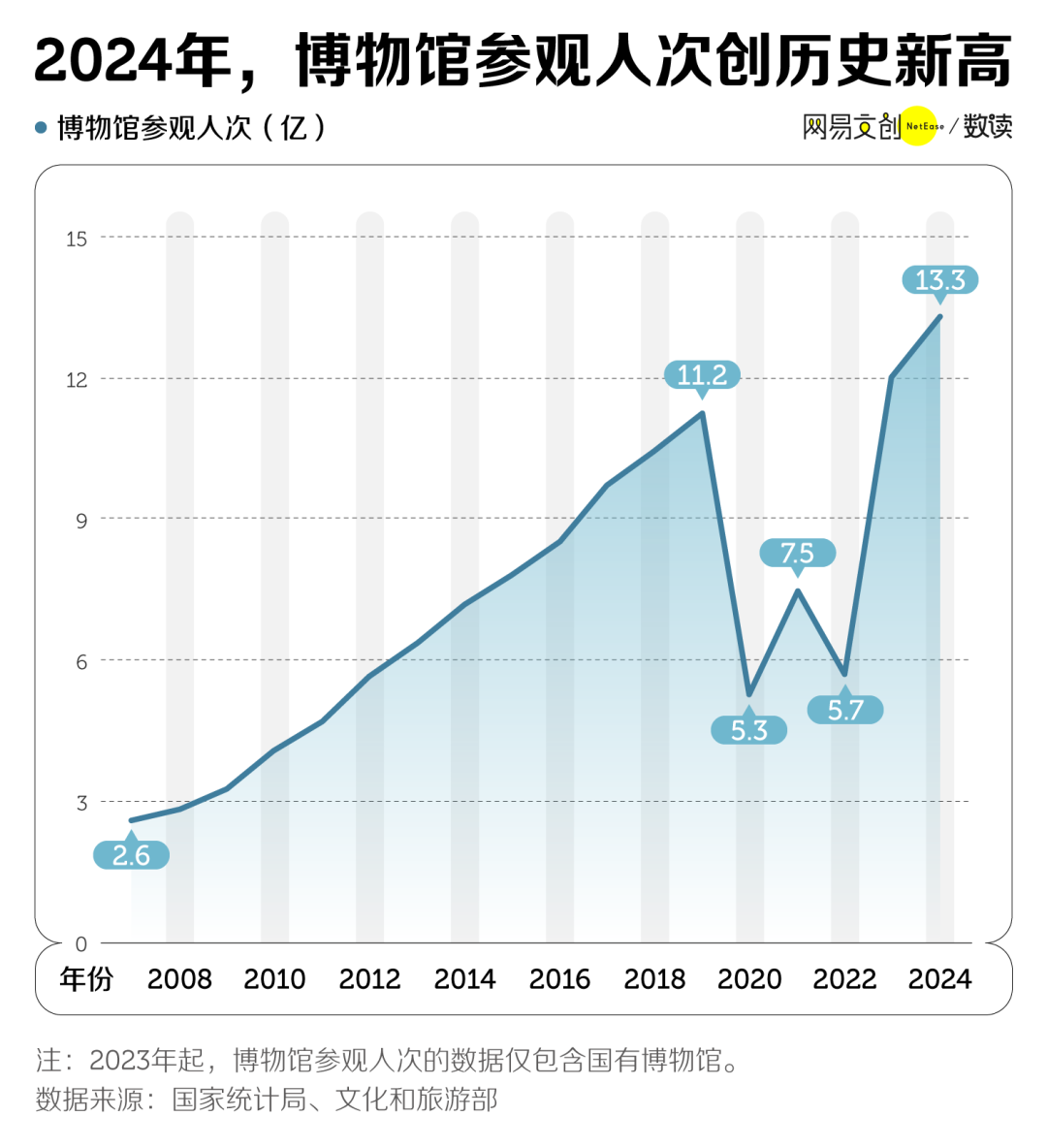
Core Insights - The popularity of museums has surged among young people, leading to intense competition for tickets and increased visitor numbers [5][9][21] - The free admission policy implemented in 2008 has significantly contributed to the rise in museum attendance, with visitor numbers tripling from 2007 to 2019 [7][8] - Despite the increase in visitors, many museums are struggling with overcrowding and declining visitor experience due to low visitor etiquette and inadequate management [25][43][54] Group 1: Popularity of Museums - Museums have become trendy destinations for young people, with long queues forming for popular exhibits [6][8] - Visitor numbers have rebounded post-pandemic, reaching 1.2 billion in 2023 and projected to exceed 1.33 billion in 2024 [9] - Major museums like the Palace Museum and the National Museum of China remain top attractions, while provincial museums like the Terracotta Army Museum and Shanghai Museum also draw significant crowds [13][14][15] Group 2: Visitor Experience Challenges - The influx of visitors has led to a decline in the quality of the museum experience, with complaints about overcrowding and disruptive behavior [25][26][43] - Social media highlights issues such as loud conversations, queue jumping, and inadequate supervision of children in museums [30][40][41] - Many museums lack effective crowd management and visitor services, resulting in a frustrating experience for attendees [52][54][60] Group 3: Financial and Operational Struggles - Many museums face financial difficulties, with 2023 losses totaling 1.423 billion yuan, relying heavily on government funding [54][55] - The revenue from ticket sales and exhibitions is insufficient for many local museums, which struggle to maintain operations and improve facilities [56][61] - The disparity in funding and visitor numbers between major and local museums highlights the challenges faced by smaller institutions [61][62]
“昭君出塞”沿线博物馆联盟成立
Nei Meng Gu Ri Bao· 2025-10-03 00:13
2000年前,昭君出塞,一路向北,书写了民族融合的壮丽诗篇;2000年后,多馆齐聚,共同续写新 时代的团结佳话。据了解,"昭君出塞"沿线博物馆联盟将致力于深化资源共享与协同研究,推动展览交 流与联合阐释,拓展社教功能与活化利用,共同讲好昭君故事,讲好中华民族交往交流交融故事。呼和 浩特博物院院长白云峰说:"呼和浩特已经连续举办了25届昭君文化节,2023年呼和浩特博物院牵头沿 线各馆举办了昭君和亲之路讲解员大赛,在第十届博博会期间,举办'交融之美——昭君出塞和亲之路 沿线精品文物展',这些都是对昭君文化研究使命的担当与延续。" 9月28日至30日,由宜昌市博物馆、呼和浩特博物院等20家博物馆联合承办的"融合之路——昭君文 化展"展览开幕式暨"昭君出塞"沿线博物馆联盟成立仪式在湖北宜昌博物馆举行。 ...
探索陕西,从打卡博物馆开始
Shan Xi Ri Bao· 2025-10-03 00:00
喜迎国庆,三秦大地一座座各具特色的博物馆如同一个个鲜活的文化坐标,共同绘制出一幅绚丽多 彩的历史画卷,欢迎全国各地游客前来打卡。 近年来,陕西文博领域不断创新,博物馆吸引越来越多人前来参观,深度感知穿越时空的文明。以 各类博物馆为载体,陕西持续丰富文博体验,拓展文化消费新空间,让收藏在博物馆里的文物、陈列在 广阔大地上的遗产、书写在古籍里的文字都"活"起来。 经典焕新,创意迭出 《马球图》中骑手扬鞭击球,《观鸟捕蝉图》里少女裙裾飘拂。"戴上VR眼镜,好像穿越到章怀太 子墓的壁画里,近距离感受唐代的历史。"9月28日,四川游客陈佳珊说。 游客体验的项目是陕西历史博物馆与深圳元象信息科技有限公司联合推出的大空间沉浸式VR数字 体验项目《壁画那边是唐朝》。该项目是陕西历史博物馆首个以唐墓壁画为主题打造的沉浸式数字化产 品。 作为陕西历史博物馆代表性珍藏,因材质极为脆弱、保存条件严苛,唐墓壁画的真品难以像其他文 物一样赴外展出。"因为壁画的这些特性,我们大力借助数字化等新技术,让壁画在虚拟世界中'活'起 来,以满足观众对沉浸式文化体验的需求。"该馆馆长庞雅妮说。 9月29日,西安博物院"碗礁瓷语——碧波启封的丝路时光 ...
越来越多顶级文物在“数字孪生”中“复活”
Zhong Guo Qing Nian Bao· 2025-10-02 19:13
Core Insights - The integration of digital technology in museums is transforming public engagement and enhancing the preservation and transmission of cultural heritage [2][4][5] Group 1: Digital Transformation in Museums - The Palace Museum in Beijing has recorded over 1 million cultural relics in its "Digital Relics Database" and aims to digitize a total of 1.95 million relics in the next 10 to 20 years [4] - The Dunhuang Academy has completed the digitization of 300 caves, with a total data volume exceeding 500TB, focusing on the permanent preservation and sustainable use of the Dunhuang Grottoes [4] - Digital technology is creating a clearer and more complete understanding of cultural heritage, allowing for precise and scientific management [2][4] Group 2: Enhancing Public Participation - The digital era is shifting museum visitors from passive observers to active participants, with initiatives like the "Digital Watchman" program allowing the public to report damage or misconduct [8] - The Palace Museum's "Panoramic Palace" and "Famous Paintings of the Palace" projects provide immersive experiences that enhance visitor engagement [7][11] - The Shanghai Museum has launched a blockchain-based digital collection platform, allowing young people to own digital artifacts, thus integrating cultural heritage into their daily lives [9] Group 3: Technological Innovations in Cultural Heritage - Advanced technologies such as AI and 3D reconstruction are being utilized to enhance archaeological research and the preservation of fragile artifacts [5][12] - The use of high-precision digital techniques has enabled the restoration of historical artifacts and improved the understanding of their significance [5][11] - Interactive technologies in exhibitions, such as the "AI Assistant" at the Shanghai Museum, facilitate a two-way knowledge exchange, aligning with the learning preferences of younger audiences [12]

双节期间我省博物馆活动精彩纷呈
Xin Hua Ri Bao· 2025-10-01 23:28
Group 1 - Various museums in Jiangsu province launched new exhibitions and extended opening hours during the National Day and Mid-Autumn Festival, enhancing the holiday experience for visitors [1] - Nanjing Museum has 10 themed exhibitions, including three new ones: "What Can Be Seen in the Garden - Garden Imagery in Cultural Relics," "Treasures and Collections," and "Our Festival - Dancing with Nanjing Intangible Cultural Heritage and Youth" [1] - The Six Dynasties Museum showcased 30 cultural relics for the first time, while the Suzhou Museum West exhibited over 50 bronze weapons from the Chinese Bronze Age [1] Group 2 - Nanjing Museum arranged a variety of activities including cultural markets, intangible cultural heritage workshops, educational activities, and performances during the double festival period [2] - The Yangzhou China Grand Canal Museum hosted nearly 300 activities, including intangible cultural heritage performances and interactive experiences [2] - Nanjing City Wall Museum offered educational courses, special activities for families during the Mid-Autumn Festival, and traditional games [2]
故宫博物院“乾隆花园”向观众开放
Ren Min Wang· 2025-10-01 02:53
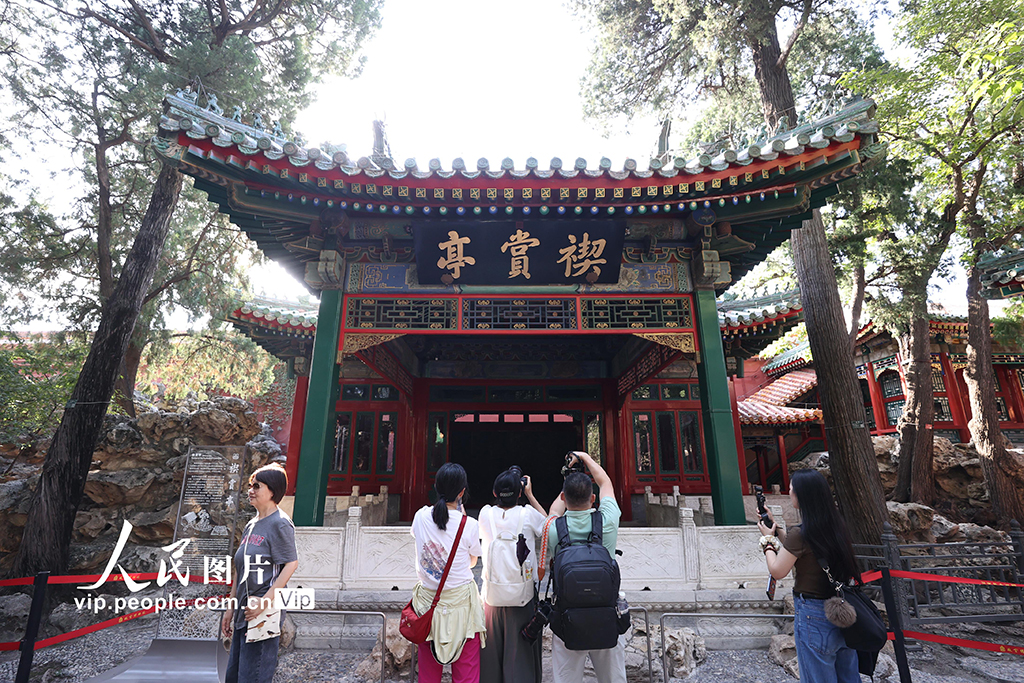
Core Viewpoint - The Palace Museum has opened the "Qianlong Garden" to the public, enhancing cultural tourism and providing visitors with a deeper understanding of Qing Dynasty heritage [1][2][3]. Group 1: Cultural Significance - The "Qianlong Garden" is a significant historical site that reflects the architectural and artistic achievements of the Qing Dynasty [1][3]. - This opening is part of the museum's efforts to promote cultural heritage and attract more visitors [2][5]. Group 2: Visitor Experience - The garden features unique landscaping and design elements that offer a tranquil environment for visitors [1][7]. - The museum aims to provide educational programs and guided tours to enhance the visitor experience [3][8]. Group 3: Economic Impact - The opening of the "Qianlong Garden" is expected to boost local tourism and contribute to the economy [2][5]. - Increased visitor numbers may lead to higher revenue for the museum and surrounding businesses [1][3].
火了600年的真顶流,迎来了“百岁生日”
3 6 Ke· 2025-10-01 02:51
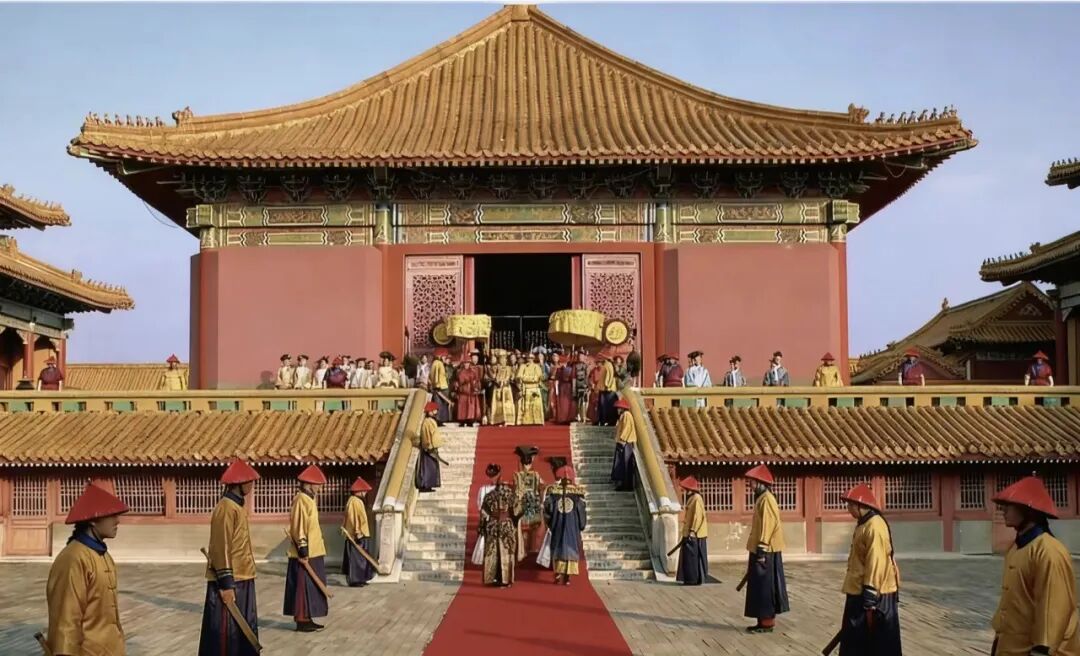
Core Insights - The Palace Museum has evolved from a historical symbol to a vibrant cultural entity that integrates into modern life, marking its 100 years of public access in 2025 [10][29] - The museum is not only a historical site but also a significant cultural IP, attracting millions of visitors and engaging with contemporary audiences through various modern initiatives [11][20] Group 1: Historical Significance - The Forbidden City, completed in 1420, serves as a key to understanding ancient Chinese politics and aesthetics, representing the culmination of Ming and Qing imperial power [4] - The Palace Museum was established in 1925, transforming the royal palace into a public cultural institution, with over 10,000 visitors on its opening day [6] Group 2: Modern Engagement - The museum has implemented measures to manage visitor capacity, such as a daily limit of 40,000 reservations, reflecting its popularity [10] - The Palace Museum has expanded its public accessibility, with over 50% of its area open to the public by 2014, and plans for further expansion, including the opening of the Qianlong Garden [8] Group 3: Cultural Innovation - The Palace Museum has developed over 10,000 cultural and creative products, including collaborations with brands, which have become popular among younger audiences [19] - Digital initiatives, such as the "Daily Palace" app and a digital collection of over 186 million artifacts, have made the museum's resources more accessible and engaging [15][17] Group 4: Global Influence - The Palace Museum has established partnerships with major international cultural institutions, promoting cultural exchange and enhancing its global presence [27] - The museum's appeal has reached international audiences, exemplified by social media influencers showcasing the site, thereby increasing its visibility among younger generations worldwide [27]
“国博号”主题彩绘飞机首航 在云端打造精品文物展
Zhong Guo Xin Wen Wang· 2025-09-29 13:46
Group 1 - The "Guobiao" themed painted aircraft, a collaboration between the China National Museum and China Eastern Airlines, was inaugurated at Beijing Daxing International Airport, marking its first flight on the Beijing-Daxing to Shanghai-Pudong to Frankfurt route [1][3] - The aircraft, a B777-300ER, features a playful dual-sided full-body painting showcasing six selected artifacts from the museum's collection of over 1.43 million items, including the Jade Dragon, Jade Phoenix, and the Ceramic Eagle Ding, designed by children [3] - This initiative represents a new cultural space, functioning as the 49th exhibition hall for the China National Museum, integrating cultural heritage with aviation and technology [3] Group 2 - Inside the aircraft, an original cloud exhibition themed "Cloud Gathering @ The Sky of History" transforms various elements like luggage racks and seat backs into cultural display spaces, featuring nearly 50 artifacts and stories from the museum [3] - Passengers can access a digital exhibition of Chinese civilization through QR codes, guided by a virtual museum director, "Ai Wenwen," who narrates the stories behind the highlighted artifacts [3] - China Eastern Airlines plans to expand this cultural initiative to domestic and international routes, including key destinations in Europe, America, Australia, and along the Belt and Road routes, promoting traditional Chinese culture globally [3]