职业教育

Search documents
考公爆火,考公机构却出问题了
商业洞察· 2025-12-07 09:23
Core Viewpoint - The article discusses the challenges faced by Zhonggong Education, a leading training institution for civil service examinations in China, highlighting issues related to refund difficulties, declining revenues, and the impact of a flawed business model on its financial health [5][18][25]. Group 1: Company Overview - Zhonggong Education was established in 1999 and initially thrived by offering training for civil service exams, expanding into various educational sectors and becoming a benchmark in vocational education [20][21]. - The company introduced a "no pass, no fee" agreement model, which was seen as innovative and attracted many students, leading to rapid growth and a peak market valuation exceeding 260 billion yuan [21][24]. Group 2: Financial Performance - From 2021 to 2024, Zhonggong's revenue declined for four consecutive years, with year-on-year decreases of 38.3%, 30.19%, 36.03%, and 14.89% respectively [24]. - The company reported a significant drop in sales revenue from 270 billion yuan to 50 billion yuan, indicating severe financial distress [23]. - As of 2025, the company had a pending refund liability of 482 million yuan, exacerbating its financial burden [25]. Group 3: Refund Issues - Zhonggong Education has faced over 100,000 complaints related to refund difficulties, with many students reporting delays and partial refunds [18][25]. - The refund rate exceeded 65% starting in 2021, meaning that for every three agreements, two required refunds, leading to a backlog of refund requests [25]. - Legal disputes related to refunds have surged, with 575 cases reported, involving a total of 11.5 million yuan [19]. Group 4: Market Dynamics - Despite the increasing number of candidates for civil service exams, Zhonggong's business has contracted, with employee numbers dropping from 45,000 to 7,888 and branch offices reduced from 1,669 to 681 [30]. - The competitive landscape has shifted, with new entrants and personal brands leveraging low-cost strategies, further straining Zhonggong's market position [39][40]. Group 5: Future Prospects and AI Initiatives - In response to declining revenues, Zhonggong is exploring AI-driven educational tools, although initial market feedback has been lukewarm [41][44]. - The company is undergoing organizational restructuring to adapt to the changing market, focusing on AI integration and improving operational efficiency [44][45].


江苏职业本科院校增至四所
Xin Lang Cai Jing· 2025-12-07 00:18
近日,江苏正式批准新增无锡职业技术大学、苏州职业技术大学、扬州职业技术大学3所职业本科为学 士学位授予单位,并批准共17个专业为学士学位授予专业。这标志着3所职业本科正式获得学士学位授 予资格,办学层次和人才培养质量迈上新台阶。至此,江苏职业本科院校增至4所。无锡职业技术大学 机器人技术、物联网工程技术等6个专业获批学士学位授予专业。该校党委书记龚方红介绍,今年秋 季,996名本科生已经在校开启大学生涯。紧接着,学校就紧锣密鼓优化专业体系,建强智能制造专业 集群。具体来看,将紧密对接江苏"1650"产业体系和无锡"465"现代产业集群建设,聚焦智能制造关键 技术领域,建强由8个专业群组成的智能制造专业集群。"数控技术国家级高水平专业群聚焦'智能设 计、智能生产'关键技术,支撑'高端装备、新材料'优势产业集群发展;重点建设智能制造技术学科平台 和高水平团队,逐步优化装备制造、电子信息为主的学科专业体系。到2030年,学校规划设置职业本科 专业30个左右。"龚方红说。(新华日报) ...
江苏职业本科院校增至四所产业需求“导航”,人才培养“对路”
Xin Hua Ri Bao· 2025-12-06 23:40
"产业需要什么人才,我们就培养什么人才。"扬州职业技术大学党委书记马顺圣介绍,学校聚焦地 方产业需求,获批了机械设计制造及自动化等专业。近年来,学校通过"撤低效专业、停滞后专业、改 传统专业、增新兴专业",优化专业点53个,同步规划40个职业本科专业,为区域高端产业发展提供"人 才定制服务"。学校高邮湖校区目前入驻7个学院,所有专业对接高邮"511"现代产业体系和区域主导产 业。比如:高邮智慧照明产业占据全国70%的灯杆和40%的室外照明灯具市场份额,学校设置电子工程 学院,定向培养智慧照明、新能源光伏产业技能人才;针对高邮国家农业科技园以优质稻麦、特色花 木、健康畜禽为主导的产业特点,园林园艺学院培养特色农文旅专业人才;围绕即将启用的高邮通用机 场,学校成立低空经济产业学院,助力高邮抢占低空经济新赛道。 职业教育生命力在于与产业同频共振。作为全国首家公办本科层次职业教育试点学校,南京工业职 业技术大学已培养4届7766名职业本科毕业生,就业的学生中超40%走上研发、工艺改进等高端技术岗 位,用人单位满意度达100%。该校党委书记谢永华介绍,学校推动传统专业数字化、智能化升级,布 局人工智能等新兴本科专业,构 ...
视频 | 中公教育爆雷:“不过包退”协议班已陷入退费纠纷三年
Xin Lang Cai Jing· 2025-12-05 15:10
来源:谷雨数据 责任编辑:刘万里 SF014 来源:谷雨数据 责任编辑:刘万里 SF014 ...

“四链”融合构筑人才培养高地
Xin Hua Ri Bao· 2025-12-05 00:08
□ 左同宇 作为国民教育体系和人力资源开发的重要组成部分,职业教育与经济社会发展紧密相连。江苏信息职业 技术学院(以下简称"苏信")作为一所拥有72年办学历史的江南高职名校,坚持产教融合办学定位,持 续推动教育链、人才链、产业链、创新链有机衔接,持续为中国式现代化建设输送高素质技术技能人 才。 产业驱动,打造"全匹配"优势专业集群 专业集群作为聚焦产业创新、有机整合若干专业资源的组织形态,是职业院校深化产教融合、提升关键 办学能力的战略举措。 专业集群精准对接产业集群。苏信实施专业与产业并跑工程,紧密对接江苏"1650"产业体系和无 锡"465"现代产业体系,建成集成电路、微电子技术、模具设计与制造、电子商务等4个省级高水平专业 集群。今年7月,苏信入选"中国特色高水平高职学校和专业建设计划(2025—2029年)"建设单位。在 高职院校主流排行榜中,集成电路专业类竞争力连续6年位居全国首位,微电子技术专业排名全国第 一,物联网应用技术、模具设计与制造专业位列全省第二。苏信制定5维度32个诊断点评价指标体系, 全面推进专业结构优化整合。近5年,停招低需求专业6个,增设紧缺专业12个、微专业11个。 开放融通, ...
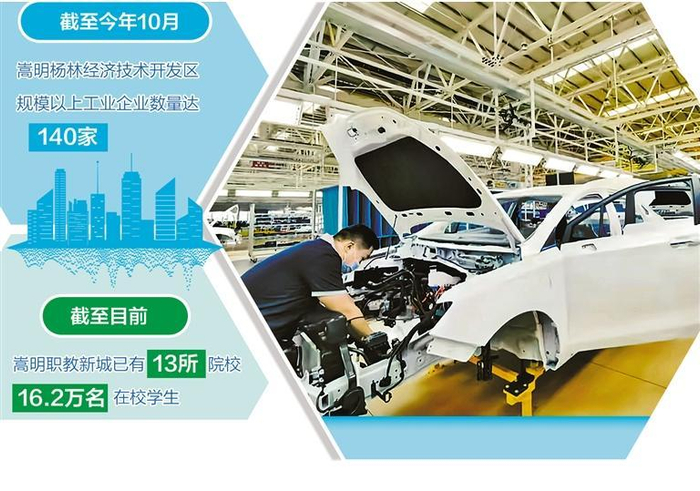
促进产城人深度融合发展——云南嵩明打造产城融合示范区、现代制造业基地
Zhong Guo Jing Ji Wang· 2025-12-04 23:17
为位于嵩明杨林经开区的北汽新能源汽车整车生产线。(资料图片) 近年来,云南省嵩明县聚焦产城融合示范区、现代制造业基地发展定位,以产业带动人口集聚和服务业 发展,持续完善城市功能,推动"产、城、人"深度融合、协同发展。 据介绍,嵩明县将以新型城镇化试点创建为契机,积极承接东部产业转移,推动城市人才集合、产业集 聚,实现示范区产业发展、城市综合服务功能提升、百姓生活水平提高。(经济日报记者 曹 松) (责任编辑:符仲明) 云南工商学院经济与管理学院副院长孙艳聃告诉记者,为深化应用型人才培养,该学院通过深化产学研 合作教育,创新提出了产业学院、专业学院、创新创业学院"三院融合",以及"产业""专业""创业""三业 联动"的校企合作协同育人模式。通过实施校企共搭管理平台、校企共商人才培养方案、校企共建课 程、校企共组师资队伍、校企共搭实践平台、校企共建就业创业基地、校企共评培养质量、校企共研科 学研究项目"八个共同"的校企合作机制和校内改革体系,当前,该校已逐步形成"产教融合、校企协 同"的应用型本科院校育人模式,学生学习内驱力、科学研究能力显著增强。近4年,云南工商学院学生 累计参加省级以上专业竞赛获奖780项。 ...
中汇集团(0382.HK):分红稳健 投入加大拖累业绩
Ge Long Hui· 2025-12-04 20:54
机构:华西证券 研究员:唐爽爽/李佳妮 风险提示:国际化办学不及预期,招生情况低于预期,现有业务质量管控风险,系统性风险。 在校人数稳健增长。1)集团学费/住宿费/非学历职业教育服务费收入分别为21.56/2.05/1.28 亿元,同比 增长6.3%/4.9%/46.3%。分地区来看,中国/海外收入分别为24.65/0.24 亿元,同比增长8.6%/-43.1%,我 们分析海外下滑主要由于澳洲政府对外国学生签证政策变化导致招生暂停,目前已恢复正常招生。2) 截至FY2025 末集团在校学生总人数为99,800 人,同比增长4.4%,其中华商学院/华商职业学院/城市职 业学院/境外学院/城市技师学院/华商技工学校在校人数分别为3.12/2.55/2.59/0.12/1.00/0.61 万,同比增 长-2.4%/16.8%/18.7%/-29.5%/-10.8%/-14.8%,华商职业学院高增我们分析主要由于学校所在大湾区生源 基础好,叠加良好办学口碑,在校生规模提升。 购买土地及升级校舍导致资本开支增加,合约负债有所下降。FY25 资本开支8.65 亿元,同比增长 122%,主要用于1)华商职业学院收购江门市新 ...
产教融合驱动AI课堂改革:吉安职业技术学院的实践
Yang Shi Wang· 2025-12-04 07:11
Group 1 - The core viewpoint of the articles emphasizes the need for vocational education to adapt to the opportunities and challenges presented by artificial intelligence (AI), particularly in the context of the "AI+" initiative issued by the State Council [1] - The integration of AI into vocational education is seen as a way to enhance teaching quality and student capabilities, rather than a replacement for traditional learning methods [1][3] - The shift in teaching methods at institutions like Ji'an Vocational and Technical College demonstrates a proactive approach to AI, focusing on human-AI collaboration rather than dependency [1][3] Group 2 - The rise of generative AI tools has led to a crisis in education, particularly in finance and commerce programs, where students often resort to AI for quick solutions, undermining their analytical and strategic thinking skills [2] - The over-reliance on AI for tasks such as data analysis and report generation has resulted in a decline in students' independent thinking and creativity, which are essential for future employment [2][3] - The teaching reforms at Ji'an Vocational and Technical College aim to counteract these issues by restructuring courses to focus on real-world applications and critical thinking [3][4] Group 3 - The "Business Data Analysis" course has undergone a significant transformation, centering on a typical business data analysis workflow, allowing students to engage with real business problems and data [3][4] - Students are encouraged to identify which parts of the analysis can leverage AI for efficiency while maintaining human judgment in critical decision-making processes [3][4] - The introduction of "human-machine comparison experiments" in the curriculum fosters a deeper understanding of algorithmic logic and its practical applications in business [4] Group 4 - The "E-commerce Copywriting" course has shifted its focus to designing intelligent content production workflows, integrating local agricultural products into the curriculum to enhance practical learning [5][6] - Students learn to conduct market research and competitive analysis manually, as AI cannot fully grasp local cultural nuances, ensuring a comprehensive understanding of the products [5][6] - The process of evaluating AI-generated content against brand values and local cultural elements emphasizes the role of students as quality controllers and creative leaders [6] Group 5 - The reforms have led to significant improvements in student capabilities, with a 95% satisfaction rate from partner companies regarding graduates' skills in AI tool application, data analysis, and practical execution [7] - Graduates from Ji'an Vocational and Technical College enjoy an average starting salary 1.2 times higher than the regional or industry average, indicating the effectiveness of the educational reforms [7] - The role of instructors has evolved from knowledge transmitters to facilitators of human-AI collaboration, guiding students in applying AI as a decision-enhancing tool rather than a shortcut [7]
枣庄科技职业学院与滕州文旅发展集团校企合作签约仪式成功举行
Qi Lu Wan Bao· 2025-12-04 05:21
闵祥寨表示,学院始终坚持服务区域发展的办学方向。此次与滕州文旅集团的携手,是深化产教融合、 提升人才供给质量的关键一步。学院将积极对接产业实际需求,优化相关专业与课程设置,致力于共建 文旅人才培养的高地。 在全体与会人员的见证下,滕州文旅发展集团党委书记、董事长满伟与闵祥寨共同签署了校企合作协 议。 随后的揭牌环节标志着合作实质落地。杨青霖与闵祥寨共同为"枣庄科技职业学院实践实习基地"揭牌; 吕国璋与张东睿则为"滕州文旅发展集团有限公司生产性实训基地"揭牌。两块牌匾的设立,正式构建了 人才双向流动、理论与实践深度融合的实体平台。 12月3日上午,枣庄科技职业学院与滕州文旅发展集团有限公司校企合作签约仪式在综合楼九楼会议室 举行。滕州微山湖综合旅游区党工委书记、微山湖湿地管委会主任、东沙河街道党工委书记杨青霖,枣 庄科技职业学院党委副书记、院长闵祥寨,滕州市国资局党委副书记、副局长、一级主任科员吕国璋, 企业方负责人满伟、赵新、李丹、杨慧,以及招生就业处、文化与旅游学院相关负责人共同出席仪式。 仪式由学校党委委员、副院长张东睿主持。 与会人员首先观看了展现滕州文化底蕴的《墨韵滕州》和学院发展风貌的《运程发轫 踵 ...
秀洲如何打造“丝路电商”人才高地?
Sou Hu Cai Jing· 2025-12-04 02:07
Core Insights - The article highlights the successful establishment of the "Silk Road Academy" at Jiaxing Nanyang Vocational and Technical College, which aims to cultivate cross-border e-commerce talents between China and Central Asia, particularly Kyrgyzstan [7][9][12] - The academy has been recognized for its contributions to international vocational education and is seen as a bridge for economic cooperation between China and Central Asian countries [7][12] Group 1: Educational Initiatives - The "Silk Road Academy" offers a curriculum that combines practical skills in cross-border e-commerce with language training, catering specifically to the needs of Kyrgyz students [9][10] - The academy has already trained 80 students in cross-border e-commerce, focusing on integrating local industry resources with educational content [9][10] - The program emphasizes hands-on experience, with students participating in real-world projects and collaborations with local businesses [10][15] Group 2: Economic Impact - The upcoming Jiaxing Nanhu Airport is expected to significantly enhance logistics efficiency for the local woolen garment industry, facilitating faster and cheaper global distribution [8][10] - The "Mao Shan Pai" platform has established partnerships with 15 international wholesale markets and 10 industry associations, aiming to expand trade routes with Belt and Road countries [8][9] - Recent trade missions have resulted in over $20 million in intended orders, showcasing the academy's role in boosting international trade for local manufacturers [10][15] Group 3: Cultural Exchange and Collaboration - The academy promotes cultural exchange through various activities, fostering understanding and friendship between Chinese and international students [13][14] - Collaborative agreements with Kyrgyz universities and local businesses aim to enhance the educational framework and practical training for students [12][14] - The initiative is seen as a model for integrating vocational education with international trade, contributing to a more interconnected global economy [15]