
乡村旅游

Search documents
锚定目标勇前行 真抓实干建新功
Shan Xi Ri Bao· 2025-12-02 23:08
"全会提出,'要加快推进新型城镇化和乡村全面振兴''推进宜居宜业和美乡村建设'。这让我们干劲 倍增。"汉中市洋县洋州街道云阳村党支部书记刘强说,将坚持农文旅融合的乡村振兴路径,完善三产 融合示范园的共享菜园、田园书吧、采摘体验园、文旅直播间等,通过亲子体验、休闲采摘、发展庭院 经济等方式,把传统农业生产、农产品加工与现代农业观光旅游、生态康养休闲、电子商务等新业态新 模式紧密联系在一起,纵深推进绿色发展和生态农业发展,实现一二三产联动发展,带动村民增收致 富。 全会提出以教育科技人才体制机制一体改革强化有组织的创新,令中国铁路西安局集团有限公司西 安动车段动车组机械师董宏涛深受鼓舞。董宏涛表示,陕西铁路事业的飞速发展,为产业工人提供了施 展才干的广阔舞台。自己将以全会精神为指引,立足本职岗位抓好贯彻落实,持续钻研新技术,不断精 进检修技艺,以过硬本领保障高铁运行安全;紧密围绕动车组现场作业与维护中的难点,牵头开展技术 凝心聚力谋发展,同心协力创未来。省委十四届九次全会审议通过《中共陕西省委关于制定国民经 济和社会发展第十五个五年规划的建议》,立足"在西部地区发挥示范作用"的战略定位和"奋力谱写中 国式现代化建 ...
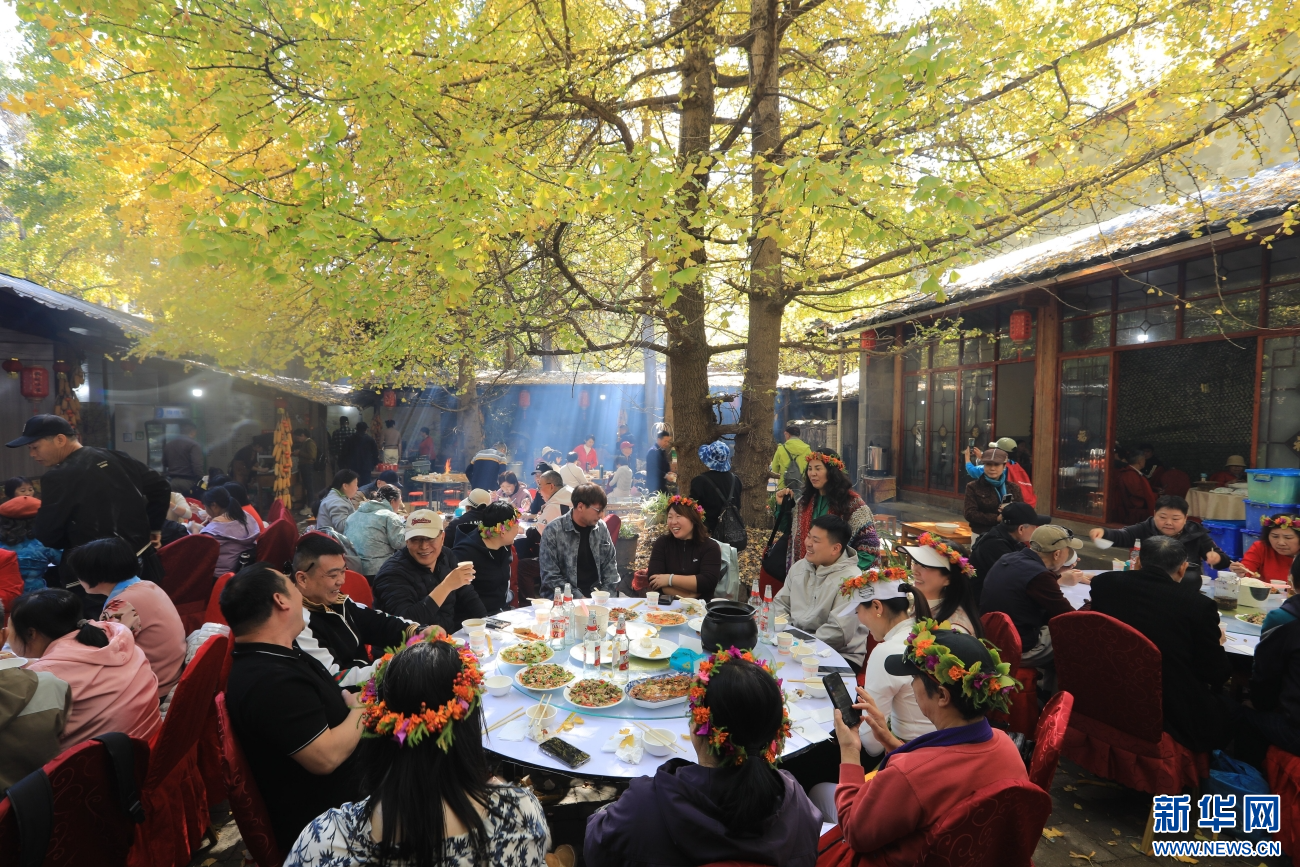
树下闲坐赏金黄 云南腾冲银杏村冬日氛围感拉满
Xin Hua Wang· 2025-12-02 01:12
11月27日,游客在江东村银杏树下闲坐,十分惬意。新华网发(龚祖金 摄) 近年来,当地大力推动"银杏经济",积极发展特色旅游项目,催生出一系列乡村新业态,让村民的致富路越走越宽。如今,江东村的农家乐、特色民宿 已从最初的8户发展到170户,带动不少村民回村就业,参与到旅游服务、文创开发、康养接待的工作中来。游客们来到银杏村,不仅可以赏景、拍照,也可 以在银杏树下的农家乐吃上一顿特色菜,在特色民宿住宿,在银杏树下品茶、喝咖啡,十分惬意。据统计,今年11月以来,江东村每天接待来自全国各地的 游客1万余人,金黄的银杏树每年带来上千万元的收益。(龚祖金) 11月27日,游客在江东村一处农家乐品尝当地美食。新华网发(龚祖金 摄) 11月27日,游客在江东村一处农家乐品尝当地美食。新华网发(龚祖金 摄) 11月27日,游客在江东村一处农家乐品尝当地美食。新华网发(龚祖金 摄) 11月27日,游客在江东村银杏树下闲坐,十分惬意。新华网发(龚祖金 摄) 11月27日,游客在江东村游玩拍照。新华网发(龚祖金 摄) 11月27日,游客在江东村一处农家乐品尝当地美食。新华网发(龚祖金 摄) 冬日里,云南省腾冲市固东镇江东村又沐浴在 ...

江西永新县三湾乡:荒山“焕新”记
Xin Hua She· 2025-12-01 13:46
Core Viewpoint - The article highlights the successful ecological restoration and economic transformation of Shikou Village in Jiangxi Province, showcasing how the local government and community have turned a previously damaged environment into a thriving area for tourism and sustainable development [1][2][3] Group 1: Ecological Restoration - The local government initiated a restoration project to address safety hazards and restore the ecological environment, which included reshaping mountain slopes and covering them with nutrient-rich soil containing plant seeds [1] - The restoration efforts have led to the flourishing of various shrubs and trees, effectively bringing greenery back to the area [1] Group 2: Economic Development - Shikou Village has transformed old mining areas into a comprehensive practical base for red education, team training, and student research, thus creating new economic opportunities [2] - The village has seen a rise in tourism, with 970,000 visitors recorded this year, marking a 17% increase compared to the previous year [3] - Local businesses, such as a renovated winery and homestays, have thrived, with high occupancy rates and increased demand from tourists, particularly from major cities like Shanghai and Guangdong [2]
壹快评|换种思路应对“规模性返乡滞乡”
Di Yi Cai Jing· 2025-11-29 13:06
Core Viewpoint - The phenomenon of "scale return and stay in rural areas" is seen as a challenge but actually presents an opportunity to promote urban-rural integration and rural revitalization [1] Group 1: Current Situation and Concerns - The Ministry of Agriculture and Rural Affairs has expressed the need to prevent "scale return and stay in rural areas," indicating that while this phenomenon has not yet occurred, there are signs of potential issues [1] - The return of rural laborers to their hometowns is primarily due to a lack of suitable job opportunities in cities, which may indicate a systemic shortage of urban employment positions [2] - Current pressures on migrant workers' employment are exacerbated by macroeconomic fluctuations, a slowdown in urbanization, and an increase in surplus rural labor due to agricultural mechanization [2] Group 2: Long-term Trends and Opportunities - Long-term trends such as slowed urbanization and advancements in agricultural modernization and industrial automation are expected to reduce traditional job opportunities [3] - Emerging industries like the digital economy and green energy are creating new job opportunities, which can help address the potential issue of "scale return and stay in rural areas" [3] Group 3: Proposed Solutions - Strengthening vocational training for migrant workers to enhance their competitiveness in new industries is essential, as demonstrated by successful training programs in Chongqing and Shandong [4] - Improving employment services, particularly through the use of big data and cloud computing to create efficient job information platforms, can help migrant workers access accurate job information [4] - Shifting focus to explore local employment potential in rural areas can transform the challenge of "stay in rural areas" into an opportunity for "stay in hometowns," leveraging new development opportunities in rural sectors [5]
从“单村独斗”到“片区共生”:农业大省乡村振兴的组团发展样本
Jing Ji Guan Cha Bao· 2025-11-28 07:44
Core Insights - Shandong province is implementing a "regionalization" approach to rural revitalization, focusing on integrating nearby villages with similar functions and development potential to enhance rural development [1][2] - The initiative aims to address common challenges in rural areas, such as small village sizes, limited resources, and population outflow, by promoting collaborative development [1][2] Group 1: Regionalization Approach - The "regionalization" strategy breaks down administrative barriers and promotes collaboration among villages, allowing for resource integration and coordinated development [2] - Shandong has initiated the construction of 2,070 regional units covering over 18,000 administrative villages, showing positive development momentum [1] Group 2: Case Studies of Successful Implementation - The "Golden Mountain Silver Sea" rural revitalization area in Yantai has established 17 supporting companies around the gold industry, generating over 6 million yuan in collective income and providing jobs for over 1,000 villagers [3] - The area has also developed a modern fishery park benefiting 17 villages and 6,500 households, with collective and individual income from land transfers reaching 70 million yuan [3] Group 3: Infrastructure and Community Services - The "Golden Mountain Silver Sea" area has invested 50 million yuan in infrastructure improvements, including road upgrades and community facilities, enhancing living conditions for residents [5][6] - Community services such as free meals for seniors, affordable healthcare, and educational facilities have been established, improving the quality of life for villagers [5] Group 4: Innovative Mechanisms and Economic Growth - The integration of resources has led to the establishment of a rural revitalization platform in Qingdao, promoting tourism and local businesses, with annual tourist visits exceeding 600,000 and tourism revenue surpassing 100 million yuan [8][9] - The "Golden Egg" industry in Feixian has transformed into a significant market player, producing 3 billion eggs annually and generating 800 million yuan in revenue, showcasing the potential of localized industry clusters [11][12] Group 5: Youth Engagement and Sustainable Development - The "Colorful Tomato" project in Shouguang has created a comprehensive tomato industry chain, with annual production reaching 350,000 tons and generating over 150 million yuan in sales [13][14] - The initiative has attracted young entrepreneurs back to rural areas, significantly increasing their income and contributing to sustainable rural development [13][14]
各美其美,美美与共:诗意栖居的一千种答案
第一财经· 2025-11-28 03:00
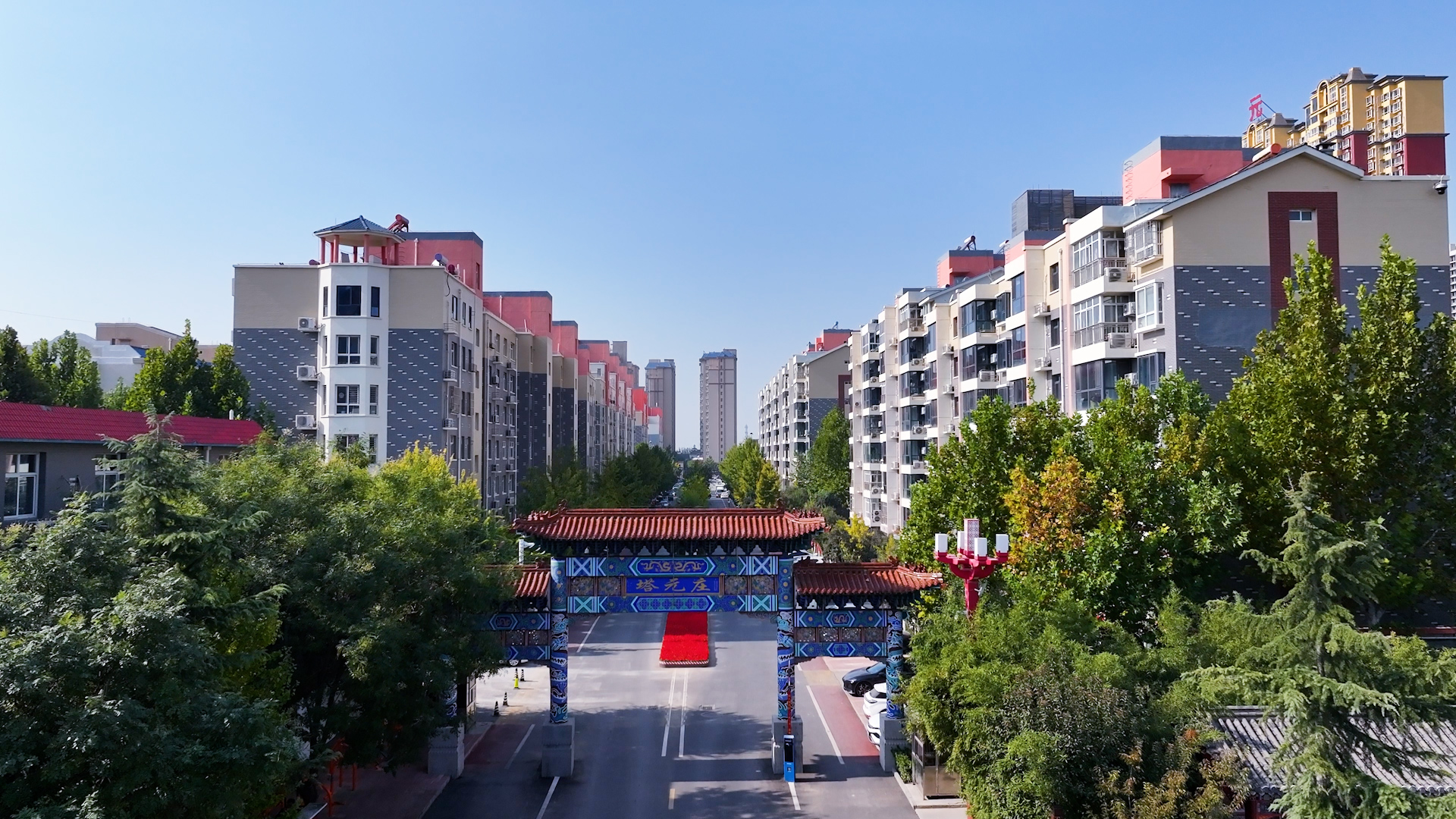
Core Viewpoint - The article emphasizes the importance of rural revitalization in China, highlighting successful case studies and the role of Agricultural Bank in supporting these initiatives through financial services [1][18]. Group 1: Case Study of Ta Yuanzhuang Village - Ta Yuanzhuang Village, known as "China's Most Beautiful Leisure Village," has transformed from a poverty-stricken area to a thriving community with over 1.6 million annual visitors and an average income exceeding 30,000 yuan per villager [3][5]. - The village's success is attributed to innovative industrial models, including modern agriculture, rural tourism, and health care, supported by Agricultural Bank's financial backing [5][6]. - The partnership with Tongfu Group has led to the establishment of a rural revitalization demonstration park, generating over 30 million yuan in revenue in 2021 and providing stable income for villagers through job opportunities and land leasing [6][7]. Group 2: Environmental Protection in Yangshuo - In Yangshuo, the Yangshuo Deep Energy Environmental Company has effectively managed waste disposal, processing 1,000 tons of waste daily and generating 123.11 million kWh of electricity in the previous year, significantly reducing carbon emissions [9][10]. - Agricultural Bank provided crucial funding of 517 million yuan to support the establishment of this waste-to-energy facility, which has become a model for environmental protection in rural areas [10][11]. - The project has improved the local environment, enhancing the tourism experience and contributing to the overall rural revitalization efforts [11][12]. Group 3: Financial Support for Rural Development - Agricultural Bank has introduced various financial products tailored to rural development, such as "He Mei Rural Construction Loan" and "Tourism Industry Loan," to meet the specific needs of different villages [17][18]. - As of the end of Q3 2025, the bank's loans in the rural construction sector exceeded 2.4 trillion yuan, demonstrating its commitment to supporting rural infrastructure and services [17][18]. - The bank's approach includes supply chain finance for industrial upgrades, green credit for ecological protection, and loans for small and micro enterprises, ensuring a comprehensive support system for rural areas [18][19].

各美其美,美美与共:诗意栖居的一千种答案
Di Yi Cai Jing· 2025-11-28 02:59
Core Viewpoint - The article emphasizes the importance of rural revitalization in China, highlighting successful examples and the role of Agricultural Bank in supporting these initiatives through financial services [1][12]. Group 1: Rural Revitalization Examples - The transformation of Ta Yuanzhuang village in Hebei showcases significant improvements, with over 1.6 million annual visitors and a per capita income exceeding 30,000 yuan, attributed to innovative industrial models like modern agriculture and rural tourism [2][4]. - In Yangshuo, Guangxi, the integration of waste management into the rural landscape has enhanced the area's beauty, with the local waste treatment facility processing 1,000 tons of waste daily and generating 123.11 million kilowatt-hours of electricity, significantly reducing carbon emissions [7][8][10]. Group 2: Financial Support from Agricultural Bank - Agricultural Bank provided crucial funding for Ta Yuanzhuang's rural revitalization projects, including a 1.4 million yuan investment for a demonstration park and a 1.6 billion yuan project for an elderly care center [4][10]. - The bank's support for the Yangshuo waste management project included a 517 million yuan loan, which facilitated the project's construction and operational needs, demonstrating the bank's commitment to environmental sustainability [10][11]. Group 3: Broader Impact on Rural Development - The article outlines how Agricultural Bank's financial products, such as "Beautiful Village Construction Loans," are tailored to meet the specific needs of rural areas, promoting infrastructure development and enhancing living conditions [14][15]. - The bank's initiatives have led to a total loan balance exceeding 2.4 trillion yuan in rural construction by the end of the third quarter of 2025, reflecting its extensive involvement in rural economic growth [14][15].
北京农村集体经济账面资产总额达1.1万亿元
Bei Jing Ri Bao Ke Hu Duan· 2025-11-27 13:15
Group 1 - The income gap between urban and rural areas in Beijing continues to narrow, with rural residents' per capita disposable income growing at an annual rate of 7.2% during the 14th Five-Year Plan period [1][2] - The total book assets of rural collective economies in Beijing reached 1.1 trillion yuan, with over one-third of villages achieving profit distribution [1][2] - The agricultural and rural sectors in Beijing have shown a positive trend characterized by "two increases, three advancements, and two stabilizations," with significant improvements in agricultural production capacity and rural income growth [1][2] Group 2 - Basic public services in urban and rural areas are becoming more equitable, with initiatives in education, healthcare, and elderly care leading to better resource allocation [2] - The agricultural sector has seen continuous growth in grain production, projected to reach 576,000 tons in 2024, alongside significant advancements in agricultural technology [2] - Recommendations for enhancing rural economic development include promoting new cooperative models and expanding income channels for farmers through various partnerships and resource utilization [3]
泰州姜堰:“点团片”打造和美乡村新样板
Zhong Guo Fa Zhan Wang· 2025-11-27 07:22
Core Insights - Jiangyan District in Taizhou, Jiangsu Province is advancing the construction of beautiful and livable rural areas through a "regional, characteristic, and branded" approach, implementing a tiered development model that focuses on creating exemplary demonstration points, collaborative demonstration groups, and regional demonstration areas [1][2] Group 1: Development Strategies - The district is focusing on breakthrough points to establish benchmark rural areas, utilizing a comprehensive approach that includes funding, technology, and policy support to create replicable and promotable projects [1] - A total of 36 provincial-level beautiful and livable rural areas have been successfully established, with cumulative financial support from provincial and municipal governments amounting to 49 million yuan [1] Group 2: Thematic Demonstration Groups - Five thematic demonstration groups have been created, each with distinct characteristics, such as the "Bao Laohu Ecotourism Group," which has generated over 20 million yuan in income for villagers and created 1,500 temporary jobs [2] - The "Laozhuang Corrugated Pipe Industrial Cluster" has nearly 100 small enterprises, projected to achieve an output value of 800 million yuan in 2024, effectively addressing local employment needs [2] - The "Jiangdu Strawberry Industry Group" has established a 500-acre technology demonstration base, successfully marketing products to major cities through an integrated online and offline sales model [2] Group 3: Regional Coordination and Branding - Two major demonstration areas, "Qinhu Bay" and "Tongnan Gaosha," have been developed, focusing on their respective regional resources and agricultural advantages, with a total of 16 beautiful and livable rural areas and 5 traditional villages created [3] - The "Qinhu Bay" area emphasizes themes such as agriculture and tourism, while the "Tongnan" area aims to become a quality agricultural product supply base, collectively receiving over 101 million yuan in financial support from higher authorities [3]
曹林:“看见乡村”中的人文经济学
Jing Ji Ri Bao· 2025-11-27 00:01
Core Insights - The integration of culture and economy is driving rural revitalization, transforming traditional rural areas into vibrant cultural and economic hubs [1][4][5] - The rise of digital technology and media is reshaping the perception and engagement with rural areas, making them more visible and attractive to a broader audience [2][3] Group 1: Cultural Influence on Rural Development - Cultural elements are being digitized and modernized, such as the digitization of traditional embroidery and the use of live streaming for cultural events, which enhances the economic viability of rural areas [1][3] - The concept of "cultural confidence" is crucial, as it fosters a deeper connection to rural heritage and encourages local communities to engage with their cultural roots [2][4] Group 2: Economic Transformation through Cultural Engagement - The blending of culture and economy has led to significant economic benefits, exemplified by the increase in average annual income in rural areas, such as the rise from 3,500 yuan to 56,000 yuan in a specific village [3][4] - New cultural practices and events, such as rural tourism and agricultural festivals, are creating diverse economic opportunities and attracting visitors, thereby enhancing the local economy [2][3] Group 3: The Role of Technology in Cultural Promotion - Digital platforms are redefining rural engagement, with live streaming becoming a new form of agricultural activity, allowing for greater visibility and interaction with rural products and culture [2][3] - The use of technology in promoting cultural heritage is essential for creating a modern narrative around rural life, making it appealing to younger generations and tourists alike [1][2]