
生态红利

Search documents
直播预告 | 3月13日15:00,在AI狂奔的时代,看懂慢变量:2025年度互联网大报告揭示的底层增长
QuestMobile· 2026-03-10 01:55
Group 1 - The core viewpoint of the article emphasizes understanding the underlying growth logic in the era of AI, particularly focusing on user engagement and market competition dynamics [2][6]. Group 2 - In the era of stock market deepening, factors driving sustained user stickiness include enhanced user experience and personalized services [6][7]. - The continuous deepening of user structure presents certain commercial opportunities, such as targeted marketing and niche service offerings [6][7]. - Market competition is evolving from competing for "traffic dividends" to operating for "ecological dividends," indicating a shift in strategic focus for companies [6][7].


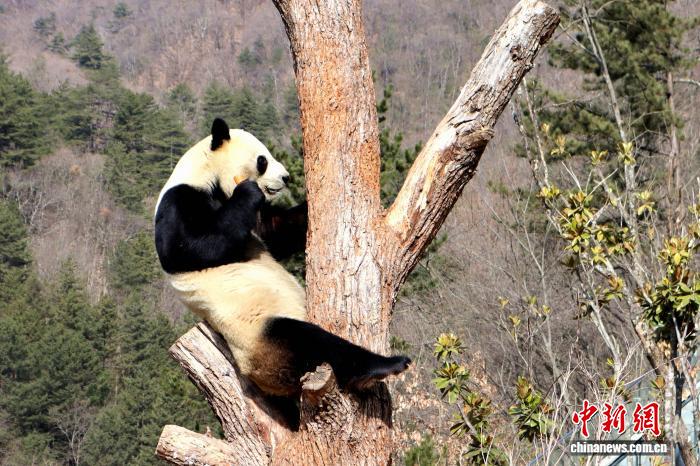
秦岭深处的“熊猫管家”:我陪“国宝”过春节
Zhong Guo Xin Wen Wang· 2026-02-16 03:47
Core Viewpoint - The article highlights the dedication of young caretakers at the Qinling Giant Panda Foping Rescue and Breeding Research Base, showcasing their commitment to the well-being of giant pandas and the positive impact of pandas on local tourism and community engagement [2][5]. Group 1: Caretaker Responsibilities - Yang Li, a caretaker at the base, emphasizes the importance of observing panda behavior and health, including checking their feces for health indicators [2][4]. - The base employs modern technology such as GPS and drones for monitoring panda activities, enhancing the efficiency of wildlife protection efforts [4]. Group 2: Community and Economic Impact - Foping County is home to over 130 wild giant pandas, with the highest density of wild pandas in China, leading to significant ecological benefits for local residents [5]. - The presence of pandas has transformed local tourism, with a reported 26.06% increase in tourist numbers and a 32.04% rise in comprehensive income in 2025 [5]. Group 3: Personal Commitment and Cultural Significance - Caretakers express a deep personal connection to the pandas, viewing them as family and finding peace in their care routines [2][5]. - The article portrays the unique cultural significance of pandas in China, describing the caretakers' work as a form of "national treasure romance" [5].
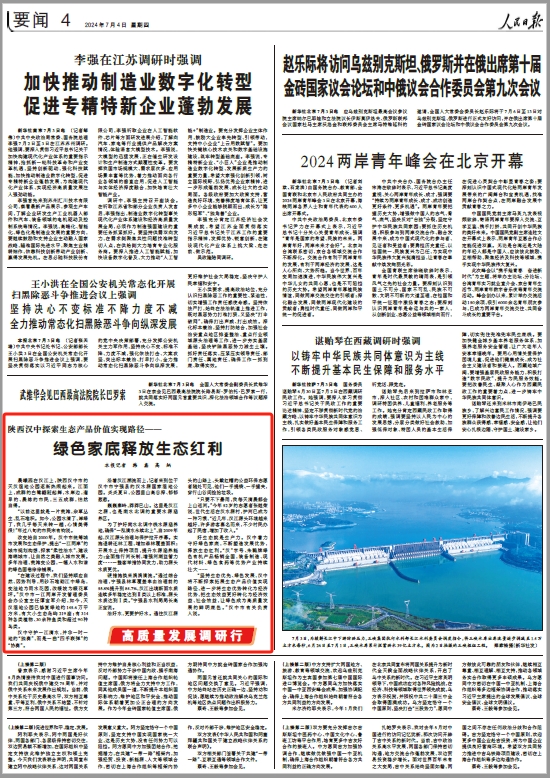
人民日报看陕西 | 汉中绿色家底释放生态红利
Jing Ji Wang· 2026-02-12 09:54
Core Viewpoint - The article highlights the successful transformation of the Hanjiang Wetland Park in Hanzhong City, showcasing the integration of ecological protection with urban development, leading to improved environmental quality and community well-being [2][3]. Group 1: Urban Development and Ecological Protection - Hanzhong City initiated a comprehensive urban planning concept called "One River, Two Banks" in 2000, focusing on ecological protection alongside urban development [2]. - The city has implemented a "sponge city" approach, enhancing natural beauty and water management, resulting in the transformation of previously barren land into a vibrant park [2][3]. Group 2: Ecological Restoration Efforts - The Tianhan Wetland Park has restored approximately 1.456 million square meters of green space, featuring 219 ecological islands and a diverse range of flora and fauna, including 314 plant species and over 90 bird species [3]. - The Hanjiang source area has seen significant improvements in forest coverage, increasing from 55.8% to 84.7%, and the water quality has consistently met Class II standards for several years [5]. Group 3: Community Engagement and Economic Benefits - Local volunteers actively participate in environmental protection efforts, contributing to the improved conditions of the Hanjiang source area, which has attracted more tourists and led to increased income for local residents through hospitality services [5]. - The city emphasizes the importance of ecological advantages in driving economic growth, with green organic products gaining popularity nationwide and various industries, such as equipment manufacturing and modern materials, continuing to expand [5].
(新春见闻)秦岭深处的“熊猫管家”:我陪“国宝”过春节
Zhong Guo Xin Wen Wang· 2026-02-12 07:54
Core Viewpoint - The article highlights the dedication of young caretakers at the Qinling Giant Panda Rescue and Breeding Research Base, showcasing their commitment to the care of giant pandas during the Spring Festival, emphasizing the blend of traditional care and modern technology in panda conservation efforts [1][2][3]. Group 1: Caretakers and Their Responsibilities - Yang Li, a "post-95" panda caretaker, has been with the base since its establishment in 2022 and considers the pandas as family [2]. - The caretakers perform meticulous daily routines, including disinfection and health checks, to ensure the well-being of the pandas [2][3]. - The pandas have distinct personalities, with caretakers familiar with their preferences and behaviors, enhancing the quality of care provided [2][3]. Group 2: Technological Advancements in Conservation - The base employs modern technology such as GPS tracking and drones for monitoring panda activities and health, improving the efficiency of conservation efforts [3]. - Data centers have been established to scientifically monitor panda health and behavior, utilizing fecal analysis to detect potential health issues [3]. Group 3: Economic Impact of Panda Conservation - The presence of over 130 wild giant pandas in the region has led to significant economic benefits, with local tourism seeing a 26.06% increase in visitors and a 32.04% rise in revenue in 2025 [6]. - Local residents have become proactive in reporting panda sightings, contributing to conservation efforts and benefiting from the "ecological dividends" brought by the pandas [6]. Group 4: Cultural Significance and Personal Commitment - The caretakers express a deep sense of fulfillment in their work, finding peace and joy in caring for the pandas, which they view as a unique aspect of Chinese culture [6].
江西永新县三湾乡:荒山“焕新”记
Xin Hua She· 2025-12-01 13:46
Core Viewpoint - The article highlights the successful ecological restoration and economic transformation of Shikou Village in Jiangxi Province, showcasing how the local government and community have turned a previously damaged environment into a thriving area for tourism and sustainable development [1][2][3] Group 1: Ecological Restoration - The local government initiated a restoration project to address safety hazards and restore the ecological environment, which included reshaping mountain slopes and covering them with nutrient-rich soil containing plant seeds [1] - The restoration efforts have led to the flourishing of various shrubs and trees, effectively bringing greenery back to the area [1] Group 2: Economic Development - Shikou Village has transformed old mining areas into a comprehensive practical base for red education, team training, and student research, thus creating new economic opportunities [2] - The village has seen a rise in tourism, with 970,000 visitors recorded this year, marking a 17% increase compared to the previous year [3] - Local businesses, such as a renovated winery and homestays, have thrived, with high occupancy rates and increased demand from tourists, particularly from major cities like Shanghai and Guangdong [2]
从山坳到都市:浙江景宁“一抹青绿”何以撬动千万级产业?
Zhong Guo Xin Wen Wang· 2025-11-14 00:02
Core Insights - The article highlights how Jingning County in Zhejiang has transformed its ecological resources into economic benefits through high-altitude agriculture and innovative practices, creating a multi-million dollar industry from its natural assets [1][5][11]. Group 1: Agricultural Development - Jingning County leverages its unique "altitude economy" to produce high-quality agricultural products such as highland vegetables, Huiming tea, and medicinal herbs, connecting rural and urban markets [1][5]. - The "Jingning 600" brand has been established to promote high-quality agricultural products from areas above 600 meters, significantly increasing farmers' incomes and attracting external investments [5][11]. - The county has implemented an order-based agricultural model, enhancing product standardization and market competitiveness, which has led to increased commercialization of agricultural products [2][5]. Group 2: Tea Industry - Huiming tea, a traditional product from the region, has seen a revival through modern branding and marketing strategies, with the planting area reaching 80,000 acres and an output value exceeding 970 million yuan by 2025 [10][12]. - Innovative tea products are being developed, integrating traditional tea with modern flavors, appealing to younger consumers and expanding market reach [9][10]. Group 3: Medicinal Herb Industry - The medicinal herb sector in Jingning is projected to grow significantly, with an expected planting area of 96,000 acres and an annual output of 6,500 tons by 2025, contributing to a total industry value of 450 million yuan [11][12]. - The integration of traditional practices with modern technology in the cultivation of medicinal herbs is enhancing product value and market recognition [11][12]. Group 4: Economic Impact - The transformation of ecological resources into economic benefits is creating new business opportunities, such as eco-tourism and agritourism, with local investments in hospitality and related services [5][11]. - The overall strategy of combining agriculture, tourism, and traditional industries is fostering a sustainable economic model that supports rural revitalization and community prosperity [1][11].

护好三江源,“一处美”带动“一片富”(贯彻四中全会精神一线见闻)
Ren Min Ri Bao· 2025-11-12 23:10
Core Viewpoint - The article emphasizes the importance of ecological protection in the Sanjiangyuan region, highlighting initiatives for waste management and ecological restoration as part of China's broader environmental goals [2][5]. Group 1: Ecological Protection Initiatives - The Sanjiangyuan National Park, covering over 190,000 square kilometers, is a pilot for national park systems in China, focusing on ecological barrier construction in the Qinghai-Tibet Plateau [2]. - A closed-loop system for waste management is being established, which includes source classification, efficient transportation, and green processing [5]. - The implementation of a "green supermarket" points system encourages local participation in waste sorting, allowing residents to exchange points for daily necessities [4][5]. Group 2: Economic and Social Benefits - The ecological improvements have led to increased wetland areas, now nearly 50,000 square kilometers, and improved water quality in major rivers [5]. - The local economy is benefiting from eco-tourism and sustainable livestock farming, with the "Yushu Yak" gaining recognition as a geographical indication product [7]. - Financial support for residents includes medical and pension insurance payments, totaling 590,000 yuan, and individual dividends exceeding 1,600 yuan [7]. Group 3: Policy and Future Directions - The local government is committed to enhancing ecological barriers and achieving a balance between economic, social, and ecological benefits [8]. - The integration of ecological health with economic prosperity is seen as essential, with local leaders advocating for continued efforts in environmental protection [6][8].
余承东官宣“华为系最便宜”新车
盐财经· 2025-08-26 10:07
Core Viewpoint - The launch of the Shangjie H5, a collaboration between SAIC and Huawei, marks a significant step in the integration of smart technology in the automotive industry, aiming to penetrate the mainstream market with competitive pricing and advanced features [5][9]. Group 1: Product Launch and Features - The Shangjie H5, the first model from the SAIC-Huawei HarmonyOS collaboration, was unveiled before the Chengdu Auto Show, with a starting pre-sale price of 169,800 yuan and over 25,000 orders within the first hour of its announcement [5][6]. - The vehicle features Huawei's ADS 4 intelligent driving assistance system, with a range of 1,360 km for the range-extended version and up to 655 km for the pure electric version [6]. Group 2: Market Strategy and Competition - The strategy of HarmonyOS is to leverage smart technology to capture market share in a rapidly growing segment of new energy vehicles, facing competition from models like BYD Song PLUS DM-i and Leap C10 [9]. - Huawei's high costs for smart technology pose challenges in pricing models, with the goal of producing vehicles under 200,000 yuan being particularly difficult [9]. Group 3: Collaboration and Future Goals - The partnership between Huawei and SAIC aims to combine Huawei's technological capabilities with SAIC's manufacturing and supply chain strengths, facilitating a more effective entry into the mainstream market [9][10]. - The Shangjie brand is backed by a significant investment of 6 billion yuan and aims to establish a dedicated team of over 5,000 people, with a focus on achieving a sales target of one million units for HarmonyOS by the end of the year [10].


16.98万元起 余承东官宣“华为系最便宜”新车 1小时订爆2.5万台
2 1 Shi Ji Jing Ji Bao Dao· 2025-08-26 00:36
Core Insights - The launch of the new model, Shangjie H5, marks a significant collaboration between SAIC and Huawei, aiming to penetrate the mainstream market with competitive pricing and advanced technology [2][4][6] - The pre-sale price of Shangjie H5 starts at 169,800 yuan, with over 25,000 orders placed within the first hour of its announcement [2][3] - The vehicle features Huawei's ADS 4 intelligent driving assistance system and boasts impressive range capabilities, including a combined range of 1,360 km for the range-extended version and up to 655 km for the pure electric version [3][4] Market Strategy - Huawei's strategy focuses on leveraging its intelligent technology to capture market share in the rapidly growing new energy vehicle segment, competing against established models like BYD Song PLUS DM-i and Leap Motor C10 [4][5] - The collaboration aims to reduce the high costs associated with Huawei's intelligent technology, with the goal of producing models priced below 200,000 yuan, which presents significant challenges [4][5] - The partnership combines Huawei's technological expertise with SAIC's manufacturing and supply chain capabilities, positioning Shangjie H5 as a key player in the mainstream market [4][5][6] Production and Goals - A dedicated super factory is being established for the Shangjie brand, with an initial investment of 6 billion yuan and a team of over 5,000 people [6] - The launch of Shangjie H5 is critical for Huawei's goal of achieving annual sales of 1 million units for its Hongmeng Intelligent Driving brand, as it has only reached approximately 254,000 units in the first seven months of the year [6]
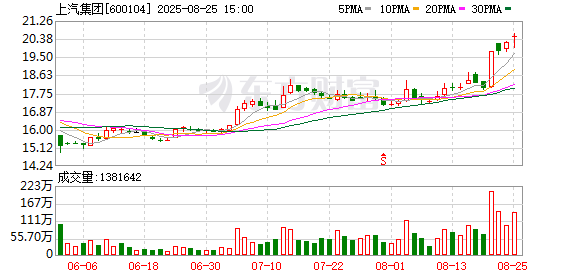
16.98万元起,余承东官宣“华为系最便宜”新车,1小时订爆2.5万台
2 1 Shi Ji Jing Ji Bao Dao· 2025-08-26 00:15
Group 1 - The first model from the collaboration between SAIC and Huawei, the Shangjie H5, has been officially announced with a starting pre-sale price of 169,800 yuan, set to launch on September 23 and begin deliveries during the National Day holiday [1] - The Shangjie H5 is the most affordable model equipped with Huawei's ADS4 intelligent driving assistance system, featuring a range of 1,360 km for the extended range version and up to 655 km for the pure electric version [2] - Huawei's intelligent technology costs are high, making it challenging to produce models under 200,000 yuan without incurring losses, highlighting the need for effective collaboration with traditional manufacturers like SAIC to achieve scale and cost efficiency [3][4] Group 2 - The collaboration aims to transition from "sales dividends" to "ecological dividends," emphasizing the importance of creating comprehensive value for users through partnerships [4] - The Shangjie brand has a significant investment of 6 billion yuan and aims to establish a dedicated team of over 5,000 people, with a focus on rapid market penetration [4] - The launch of the Shangjie H5 is crucial for Huawei's goal of achieving annual sales of one million units for its Hongmeng Intelligent Driving brand, as it currently has only achieved about 254,000 units in the first seven months of the year [4]