
茶饮

Search documents
上海禁毒回应霸王茶姬咖啡因争议上海禁毒称将奶茶比作毒品不可信
Xin Lang Cai Jing· 2025-12-28 16:23
【#上海禁毒回应霸王茶姬咖啡因争议##上海禁毒称将奶茶比作毒品不可信#】近日,霸王茶姬咖啡因含 量问题引发关注,有网友反映称"霸王茶姬喝完睡不着还心悸",甚至有网友质疑"是在蹭准毒品的擦边 球"。12月27日,上海禁毒发文科普称,抛开剂量谈毒性都是耍流氓,目前市面上的咖啡因饮品都有严 格的添加剂标准,还是以霸王茶姬为例,通过小程序计算其产品咖啡因含量,可发现都在合格范围之 内。上海禁毒提醒,对于网上"将奶茶比作准毒品"的言辞,大家切勿相信。但也不要因此放松对于毒品 的警惕。(上海禁毒官微) 转自:京报网_北京日报官方网站 ...
股价大跌,一度冲上热搜!有人称“喝了一晚上睡不着”,霸王茶姬发长文回应“咖啡因”争议
新浪财经· 2025-12-28 14:49
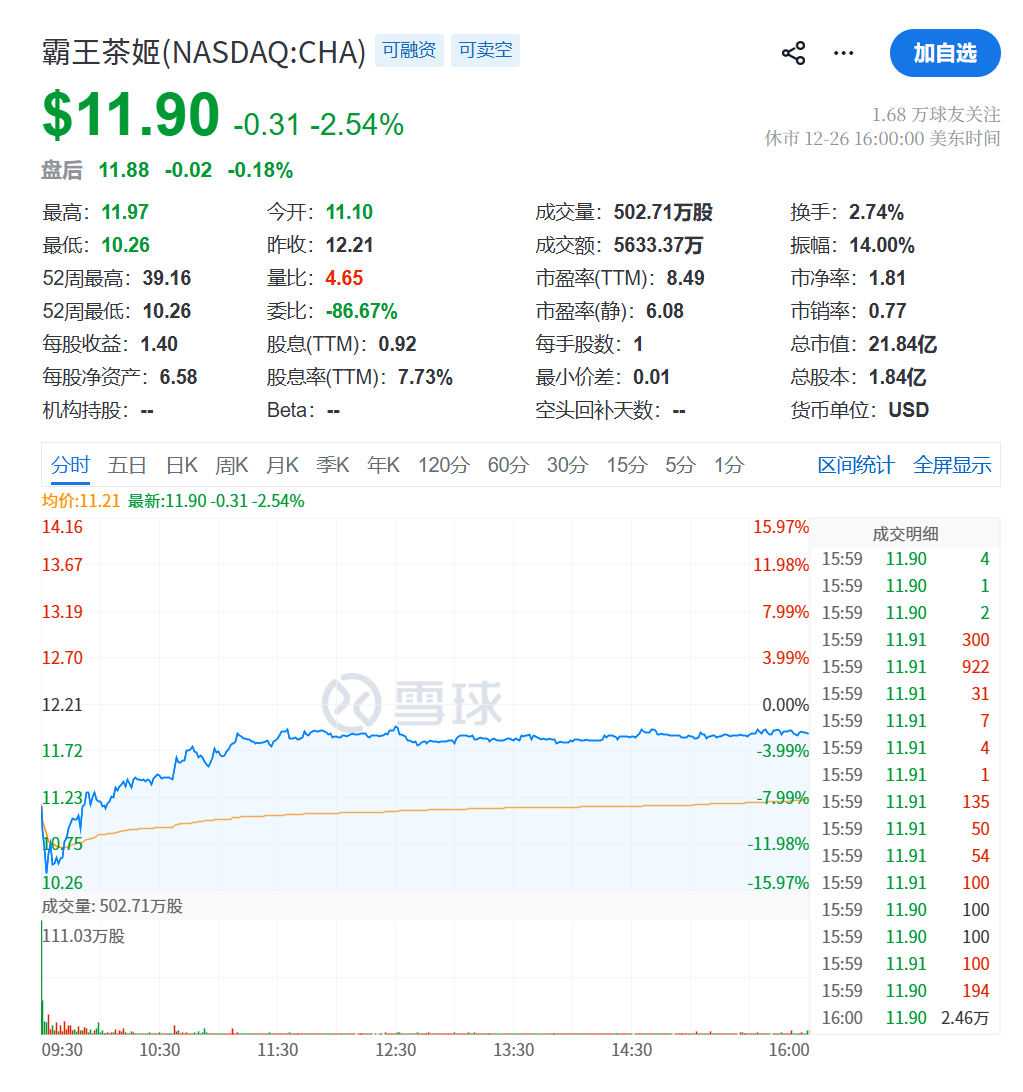
Core Viewpoint - Bawang Chaji is facing public scrutiny due to concerns over caffeine content in its beverages, leading to significant stock price fluctuations and discussions on social media platforms [2][4][21]. Group 1: Caffeine Controversy - A social media post claimed that high-caffeine drinks like Bawang Chaji's are akin to "quasi-drugs," sparking widespread debate among consumers [2]. - Bawang Chaji's stock fell over 15% on December 26, reaching a record low, before closing down 2.54% at $11.90 per share, with a total market value of $22.1 billion [4][22]. - The company responded to the controversy, asserting that the claims are malicious and have initiated legal action to protect its reputation [4]. Group 2: Product Information and Adjustments - Bawang Chaji disclosed that a large cup of its "Boya Juexian" drink contains 117.2 mg of caffeine, while the "Light Caffeine Boya Juexian" variant has 55.4 mg, significantly lower than the 184.4 mg in "Wanli Mulian" and 175.8 mg in "Yiqi Hongchen" [21]. - The company emphasizes that its tea drinks contain natural caffeine and are rich in other beneficial compounds, promoting a balanced consumption experience [14][17]. Group 3: Financial Performance - In Q3 2025, Bawang Chaji reported a total GMV of 79.3 billion yuan and net revenue of 32.08 billion yuan, with a net profit of 5.03 billion yuan [22]. - Despite the growth in overseas business, domestic same-store sales declined by 27.9%, attributed to increased competition and high base effects from the previous year [23]. - The company plans to focus on product innovation and strategic brand investments to enhance market share and operational efficiency [23].


“泰味”与“中式”的双向奔赴:新式茶饮跨国圈粉
Xin Hua She· 2025-12-28 12:53
Group 1 - The article highlights the cultural exchange between China and Thailand through the popularity of new-style tea beverages, emphasizing the connection between the two nations' people [2][3] - In Nanning, Guangxi, Thai elements are prominently featured in many new-style tea shops, indicating a blend of cultural influences [3] - Chinese new-style tea brands have gained significant popularity in Bangkok, Thailand, becoming "internet celebrities" and appealing to both local residents and international tourists [3]

【太平洋研究院】12月第五周~1月第一周线上会议(总第41期)
远峰电子· 2025-12-28 11:59
01 主题:茶饮板块更新&茶饮龙头新动作背后的思考 时间: 12月29日(周一)15 : 00 主讲:郭梦婕 食饮首席分析师 林叙希 食饮分析师 参会密码:882583 02 主 题:新能源龙头的新机会系列之5 时间:12月30日(周二)15 : 30 主讲: 刘强 院长助理&电新首席分析师 参会密码: 781535 03 主 题:电子行业1月投资观点更新 时间: 12月31日(周三)15 : 00 主讲: 张世杰 电子首席分析师 参会密码: 181319 04 主题: 行业配置模型回顾与更新系列(十九) 时间: 1月4日(周日)9 : 00 主讲: 刘晓锋 金工首席分析师 参会密码: 951676 05 主题:人形机器人飞轮启动,2026爆款时刻元年 时间: 1月7日(周三)15 : 30 主讲:刘虹辰 汽车首席分析师 参会密码:713893 ER 17 梦 設 nx 婷 行业首席分析 上分析 IIT 识别二维码立即参会 06 主题: 社服行业近况更新 时间:1月9日(周五)15:00 主讲: 王湛 社服分析师 参会密码: 981559 会议号码: +86-4001888938 (中国) +86-01053 ...

“喝完一杯睁眼到天亮”,知名茶饮上热搜,上海禁毒发文
Xin Lang Cai Jing· 2025-12-28 04:58
Core Viewpoint - The stock of Bawang Chaji experienced a significant drop of over 14%, marking its largest single-day decline since its listing, following allegations regarding the caffeine content in its beverages being compared to drugs [1][4]. Group 1: Company Response - Bawang Chaji officially responded to the rumors, stating that they are untrue and that legal action has been initiated to protect the company's reputation [3]. - The company emphasized that the caffeine content in their tea drinks is comparable to that of a latte and significantly lower than that of an Americano, based on existing public data and testing results [3]. Group 2: Caffeine Content and Health Implications - Each tea drink from Bawang Chaji is made with original leaf tea and natural ingredients, with caffeine levels accessible to consumers via a "health calculator" on their app before purchase [5]. - Previous incidents have raised concerns about caffeine sensitivity, with reports of consumers experiencing discomfort after consuming certain products, highlighting individual differences in caffeine tolerance [8]. - Caffeine is a natural alkaloid found in tea, which serves to protect the tea plant from pests, and all true teas contain caffeine, with dry tea leaves having a higher caffeine content than coffee beans [9]. Group 3: Regulatory and Safety Standards - The Shanghai Anti-Drug Office clarified that caffeine, when consumed in moderation, is safe, and the caffeine levels in Bawang Chaji's products fall within acceptable limits as per market standards [11]. - According to dietary guidelines, adults can safely consume up to 1524g of liquid milk tea daily without exceeding caffeine limits from other sources [13].
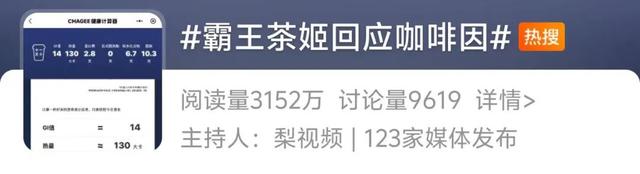
知名茶饮蹭“准毒品”擦边球?上海禁毒:真相是……
Xin Lang Cai Jing· 2025-12-28 03:55
Core Viewpoint - The controversy surrounding BaWang Tea Ji's caffeine content has led to significant stock price fluctuations and public discourse, with the company firmly denying allegations of being associated with "quasi-drugs" due to high caffeine levels [3][5][12]. Company Response - BaWang Tea Ji's official statement emphasized that recent rumors are false and damaging to its reputation, prompting legal action to protect its interests [5]. - The company clarified that its tea drinks have caffeine levels comparable to lattes and significantly lower than American coffee, based on public data and testing results [5][12]. Product Information - Each drink is made from original tea leaves and natural ingredients, with caffeine content available for consumers to check via a mini-program before purchase [6]. - The caffeine content in BaWang Tea Ji's products is within safe limits, as confirmed by testing from accredited laboratories [12]. Caffeine Content and Health Implications - Caffeine is naturally present in tea leaves, with concentrations ranging from 2% to 5%, which can be higher than that in coffee beans [10]. - While moderate caffeine intake can enhance alertness, excessive consumption may lead to dependency and various health issues [11][18]. - The company provides nutritional information, indicating that a typical drink contains around 103.9 mg of caffeine per serving [7]. Public Perception and Misconceptions - The notion that caffeine in tea could be equated to drugs is a common misconception, as caffeine is a natural alkaloid produced by tea plants for survival [9]. - The Shanghai Anti-Drug Office has addressed the rumors, clarifying that caffeine-containing beverages are regulated and safe for consumption within established limits [12][22].
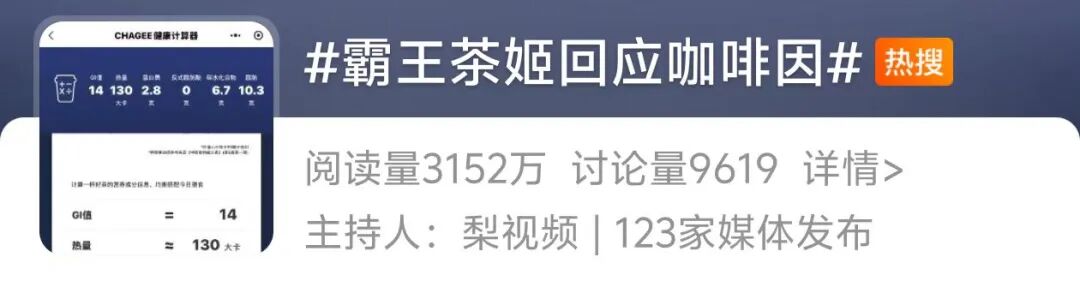
股价大跌,一度冲上热搜!有人称“喝了一晚上睡不着”,霸王茶姬发长文回应“咖啡因”争议
Mei Ri Jing Ji Xin Wen· 2025-12-28 03:41
Core Viewpoint - Bawang Chaji is facing public scrutiny due to concerns over caffeine content in its beverages, leading to significant stock price fluctuations and discussions on social media platforms [1][3][14]. Group 1: Public Controversy - A social media post claimed that high-caffeine drinks like Bawang Chaji's are akin to "quasi-drugs," sparking widespread debate among users who reported insomnia and palpitations after consumption [1][3]. - Bawang Chaji's stock fell over 15% on December 26, reaching a record low, before closing down 2.54% at $11.90 per share, with a total market value of $2.21 billion [3][6][7]. Group 2: Company Response - Bawang Chaji has stated that the claims are malicious fabrications damaging to its reputation, and legal action is being pursued [3]. - The company emphasized that its caffeine content is comparable to that of a latte and significantly lower than that of an Americano, highlighting the presence of beneficial compounds in tea [9][12]. Group 3: Product Innovation and Financial Performance - Bawang Chaji introduced a new product, "Light Caffeine. Boya Jue Xuan," which reduces caffeine content by approximately 50% while incorporating natural herbal elements [11][12]. - The company reported a total GMV of 7.93 billion yuan and net revenue of 3.208 billion yuan for Q3 2025, with overseas GMV growing by 75.3% year-on-year [15][16]. - Despite ongoing store expansion, same-store sales in domestic and overseas markets have declined, indicating pressure on GMV [16].
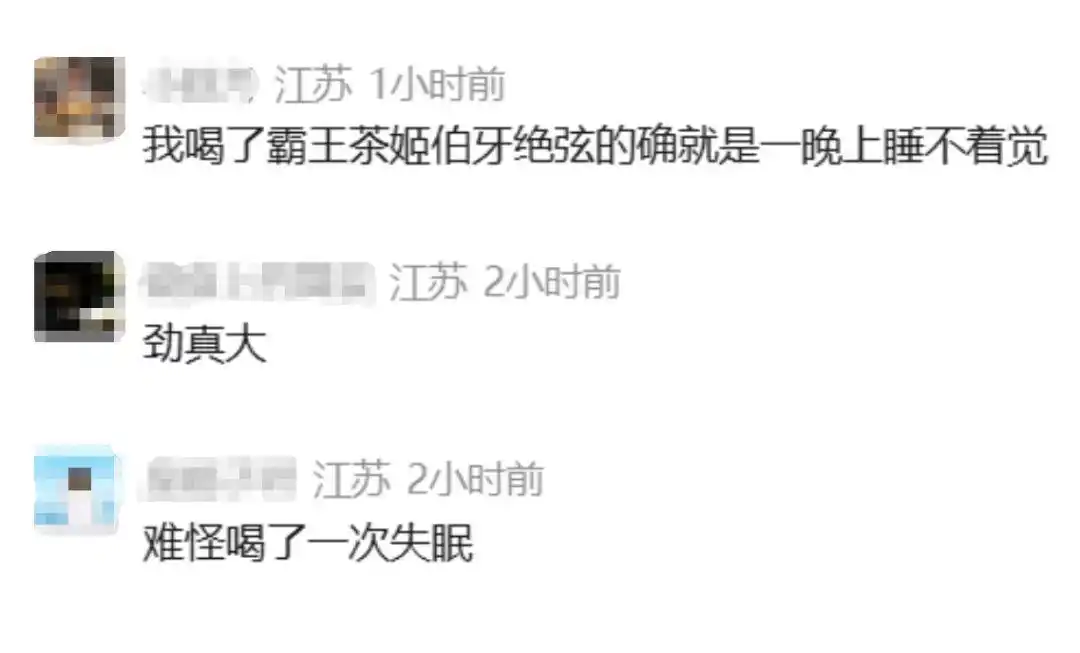
霸王茶姬再陷咖啡因含量争议
Zhong Guo Xin Wen Wang· 2025-12-27 15:35
Core Viewpoint - Bawang Chaji is facing public scrutiny due to concerns over caffeine content in its beverages, leading to significant stock price fluctuations and legal responses from the company [2][4]. Group 1: Caffeine Controversy - A social media post claimed that high-caffeine drinks like Bawang Chaji's are akin to "quasi-drugs," sparking widespread discussion and complaints from consumers about insomnia and palpitations after consumption [2]. - Bawang Chaji responded by stating that the claims are malicious fabrications damaging to its reputation, and legal action has been initiated [2]. - Despite the company's response, its stock fell over 14% on December 26, marking the largest single-day drop since its IPO [2]. Group 2: Product Information - The caffeine content in Bawang Chaji's products varies, with a 580ml "Boya Jue Xuan" containing approximately 117.2 mg of caffeine, while the "Wanjie Mulan" drink has about 184.4 mg [3]. - To cater to consumer demand, Bawang Chaji launched low-caffeine versions of popular drinks in March and May, reducing caffeine content by about 50% compared to regular versions [3]. - The company has added warnings on its app, advising consumers to consider their own tolerance to caffeine when consuming its products [3]. Group 3: Market Impact - As of December 26, Bawang Chaji's stock price closed at $11.9 per share, down over 60% from its listing price on April 17 [4].
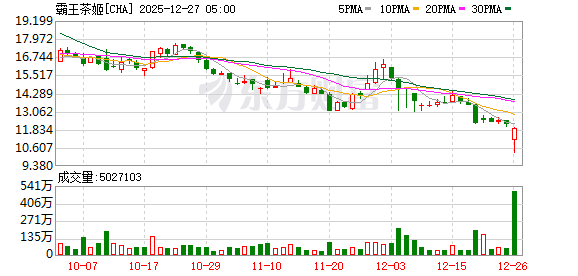
霸王茶姬回应咖啡因争议
Guan Cha Zhe Wang· 2025-12-27 12:49
Core Viewpoint - The company addresses concerns regarding caffeine content in tea, emphasizing that caffeine is naturally present in tea and is not an additive. It highlights the unique health benefits and flavor profile of tea, which includes various active compounds and minerals that work in harmony with caffeine [5][9]. Group 1: Company Philosophy and Product Development - The company's mission since its inception eight years ago has been to create high-quality tea that aligns with modern lifestyles while preserving authentic flavors, aiming to introduce Chinese tea to the world [6][10]. - The company uses whole leaf tea instead of tea fragments or industrial flavoring agents, which contributes to a richer flavor and a more natural caffeine content, reflecting its respect for the original taste of ingredients [9][10]. - The company has been actively exploring different tea processing techniques and has introduced products like "Light Caffeine Berya Jue Xian," which reduces caffeine content by approximately 50% while incorporating natural herbal elements for a milder effect [10][11]. Group 2: Financial Performance - In the third quarter of 2025, the company's total GMV reached 79.3 billion, down from 83 billion in the same period of 2024. Net revenue was 32.08 billion, compared to 35.4 billion the previous year [13]. - The company's franchise tea shops generated net income of 28.12 billion in the third quarter, a decrease from 32.99 billion in 2024, primarily due to a reduction in sales volume attributed to increased competition among delivery platforms [13]. - The overseas business has shown significant growth, with GMV exceeding 3 billion, reflecting a year-on-year increase of 75.3% and a quarter-on-quarter increase of 27.7% [14]. Group 3: Market Expansion - The company has entered the Philippine and Vietnamese markets, with a total of 262 overseas stores as of the third quarter [15]. - The company opened three new stores in the Philippines on August 29, 2025, marking its official entry into the market [15].
饮品会引发失眠、心悸?股价大跌!霸王茶姬回应质疑
Zhong Guo Jing Ji Wang· 2025-12-27 11:37
Core Viewpoint - Recent concerns regarding caffeine content in Bawang Chaji's beverages have led to discussions about potential health effects, impacting the company's stock performance significantly since its NASDAQ listing in April 2023 [1][2]. Financial Performance - For Q3 2025, Bawang Chaji reported a net revenue of 3.208 billion yuan, a year-on-year decline of 9.4%, and a net profit attributable to shareholders of 394 million yuan, down 35.8% year-on-year. The net profit margin decreased to 12.4% from 18.3% in the same period last year [2]. - In the first three quarters of 2025, the company achieved a net revenue of 9.933 billion yuan, reflecting a year-on-year growth of 9.5%, while the net profit attributable to shareholders was 1.107 billion yuan, down 37.6% year-on-year. Despite achieving profitability for 11 consecutive quarters, the net profit has declined for two consecutive quarters [2]. Company Response - Bawang Chaji addressed the concerns about caffeine levels, stating that the caffeine content in their tea drinks is comparable to that of a latte and significantly lower than that of an Americano. The company emphasized the presence of various beneficial compounds in tea, which contribute to its unique flavor and health benefits [2].